

A polished, designer-look front yard doesn't require a major time commitment, nor risking losing expensive plants if you're too busy to water. With the right low-maintenance shrubs, you can bring color, structure and serious curb appeal without a high level of effort, for a front yard that looks great all year round.
This summer's drought and heatwave has shown us just how high maintenance some staples of landscape design are. Hydrangeas, for example, are a long-time favorite but they wilt in the summer heat and have high watering needs. And it doesn't matter how beautiful a plant can look, if it's struggling to survive, it's not doing your front yard any favors.
So, it’s time to ditch those thirsty plants and upgrade your curb appeal with these tougher, more resilient alternatives for a smart long-term strategy. Landscape designers love low-maintenance shrubs because, even if their clients aren't gardeners so don't give much in the way of TLC, they still look good. Of course, all these lovelies will need regular watering until they get established and grow a big-enough root system to source their own moisture, but plant them now or in early fall and they'll feel at home by the time next summer comes around. Which one of these resilient shrubs will suit your front yard best?
1. Blue Star Juniper
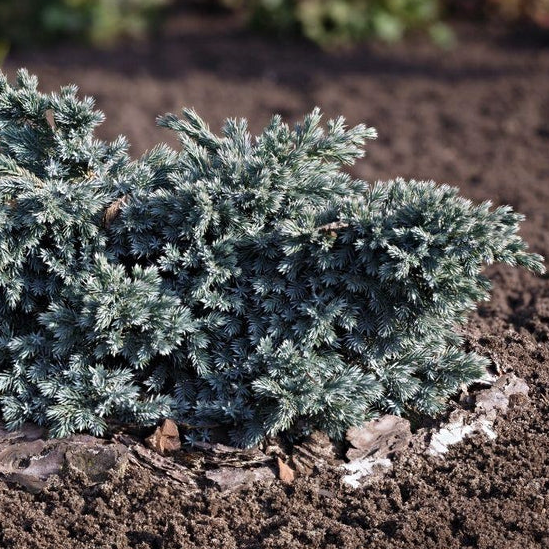
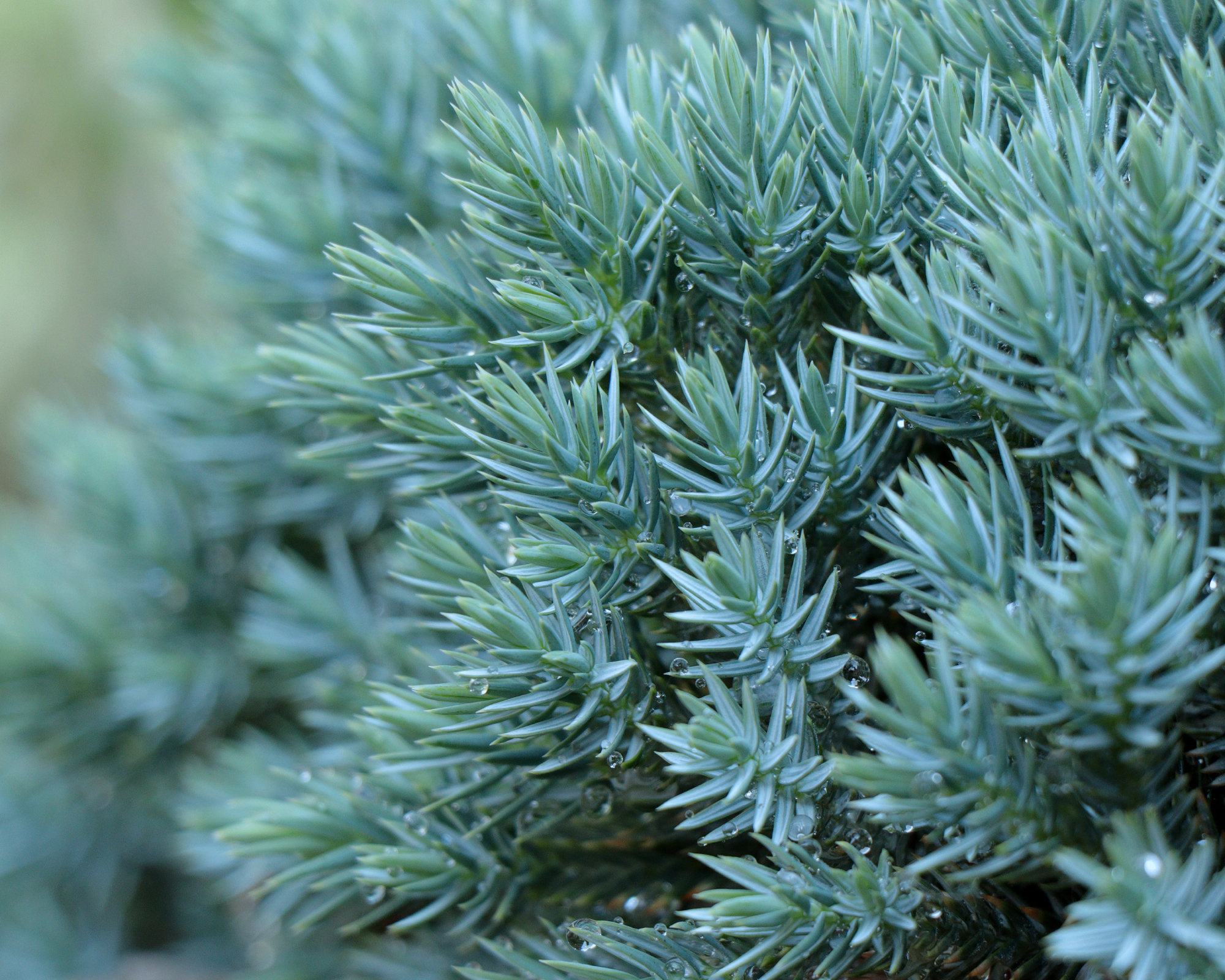
Juniperus squamata ‘Blue Star’ is a compact, slow-growing evergreen that provides year-round beauty. It’s desirable for its intense, silver-blue foliage and structured, sculptural shape. If you look down on the shrub, you’ll see that the clusters of needles at the ends of stems resemble small, blue stars.
Growing no more than three feet (0.9 m) tall and wide, this is a great option for planting under windows. Once established, Blue Star juniper is extremely drought-tolerant. In fact, it prefers light, sandy soil and is an attractive option for a small shrub in a rock garden. It grows best in full sun and is hardy in zones 4 through 8. If you’ll be planting it this year, wait until the worst heat of summer has passed.
(Image credit: Shutterstock)
2. Happy Face Pink Paradise Potentilla
Happy Face Pink Paradise Potentilla
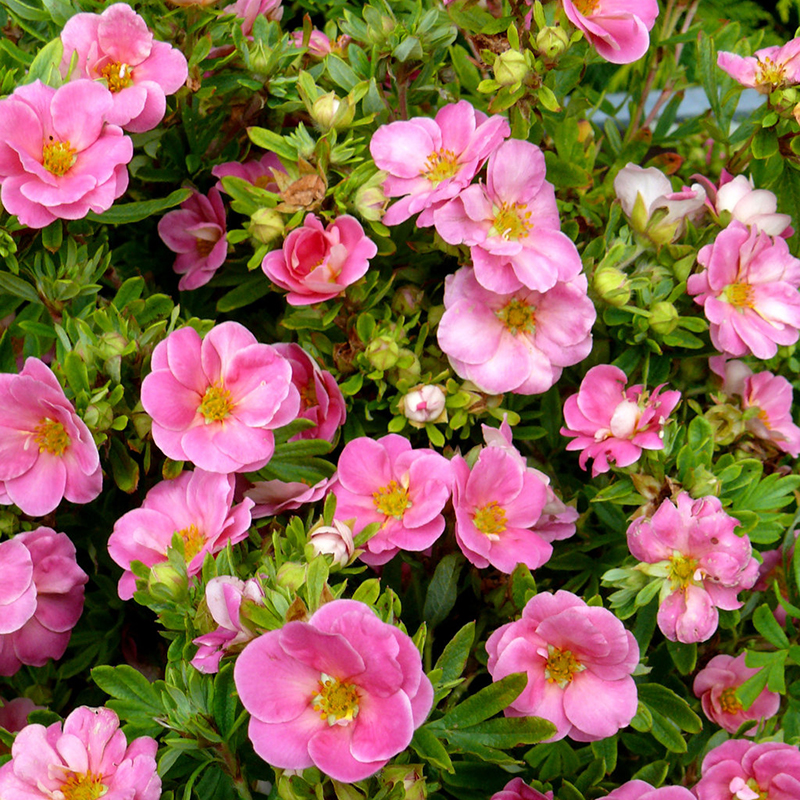
Many of the showier flowering shrubs that gardeners love are finicky or need a lot of water. Shrubby potentilla, also known as cinquefoil, offers an easier alternative. It offers a long season of flowers on a compact, rounded, and attractive shrub that doesn’t require much maintenance as long as it gets at least partial sun and enough water after planting to get established.
Potentilla fruticose Happy Face Pink Paradise has semi-double flowers that retain color better and for longer than other potentilla varieties. It's a great choice for gardeners in cold climates as it's hardy in zones 2 through 7, and is well suited to smaller urban gardens as it grows no more than three feet high and wide. With an appealing rounded habit, it looks good planted in clumps to create loose drifts of flowering mounds. You can also use this potentilla as a low foundation planting or edging plant.
3. Kodiak Fresh Diervilla
Kodiak Fresh Bush Honeysuckle
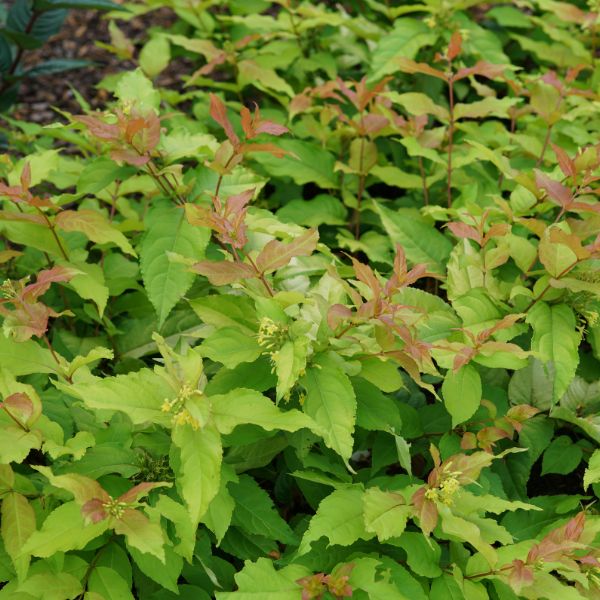
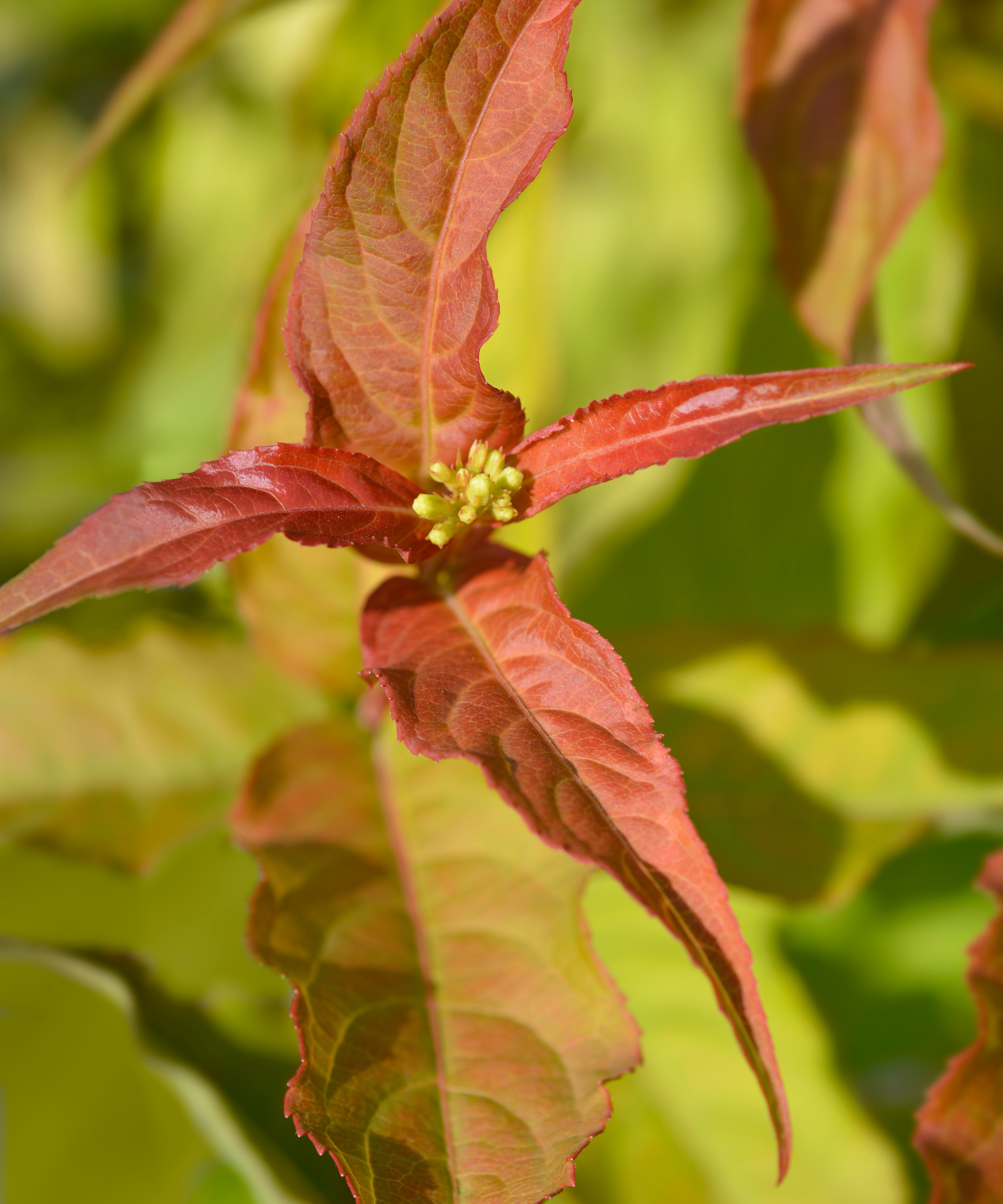
If you’re looking for a native shrub with good tolerance to both drought and deer, Kodiak Fresh diervilla (Diervilla lonicerais) is your answer. Foliage is the star of this three-foot shrub, suitable for zones 3 to 8. New growth emerges in spring in shades of orange-red and turns chartreuse for summer, followed by a rainbow of classic fall foliage colors.
In addition to being native and suited to drought conditions once established, diervilla tolerates both sun and shade. Use it in a difficult spot where you might struggle to grow other shrubs in drier soil and shade or hot sun. Diervilla’s unique coloring looks best when grouped together, so plant a few, perhaps in a row to create an informal hedge.
(Image credit: Shutterstock)
4. Double Play Red Spirea
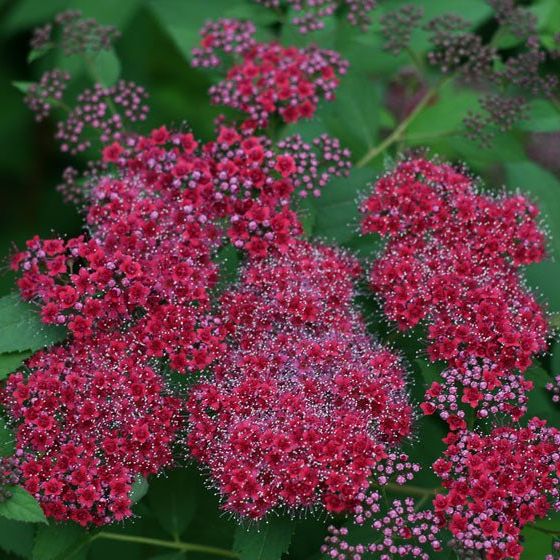
Spirea is known for being easy and reliable, and it also offers a lot of choices. Hybrid Double Play red spirea is hardy in zones 3 through 8, grows about three feet tall, and is very hands-off once established. You can plant it now, provided you give it a good start with regular watering. The soil should drain well, and a spot in full sun or partial shade is ideal.
This attractive shrub provides seasons of changing color. Spring foliage is a rich burgundy, summer flowers are reddish-pink, and the fall colors are varied and showy. If your front yard sits next to a busy road, then this spirea is a great choice as it tolerates pollution well.
5. Summer Wine Ninebark
Physocarpus Summer Wine Ninebark
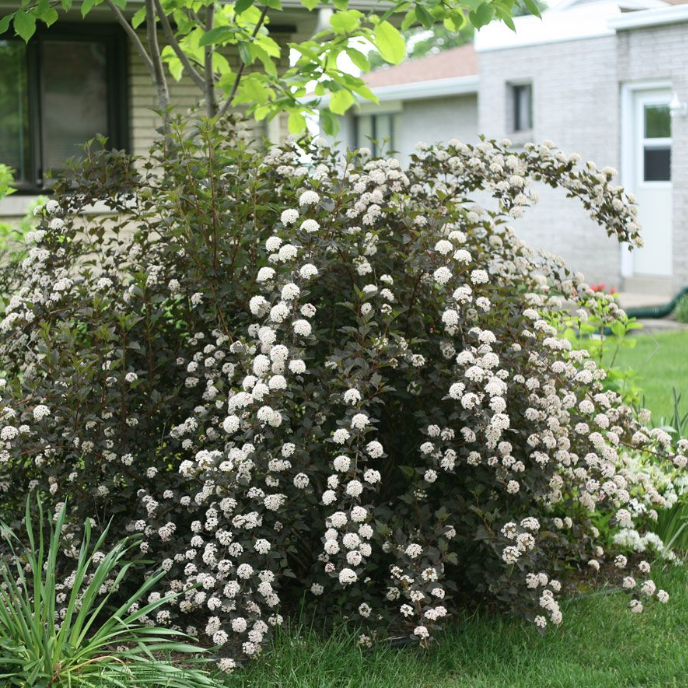
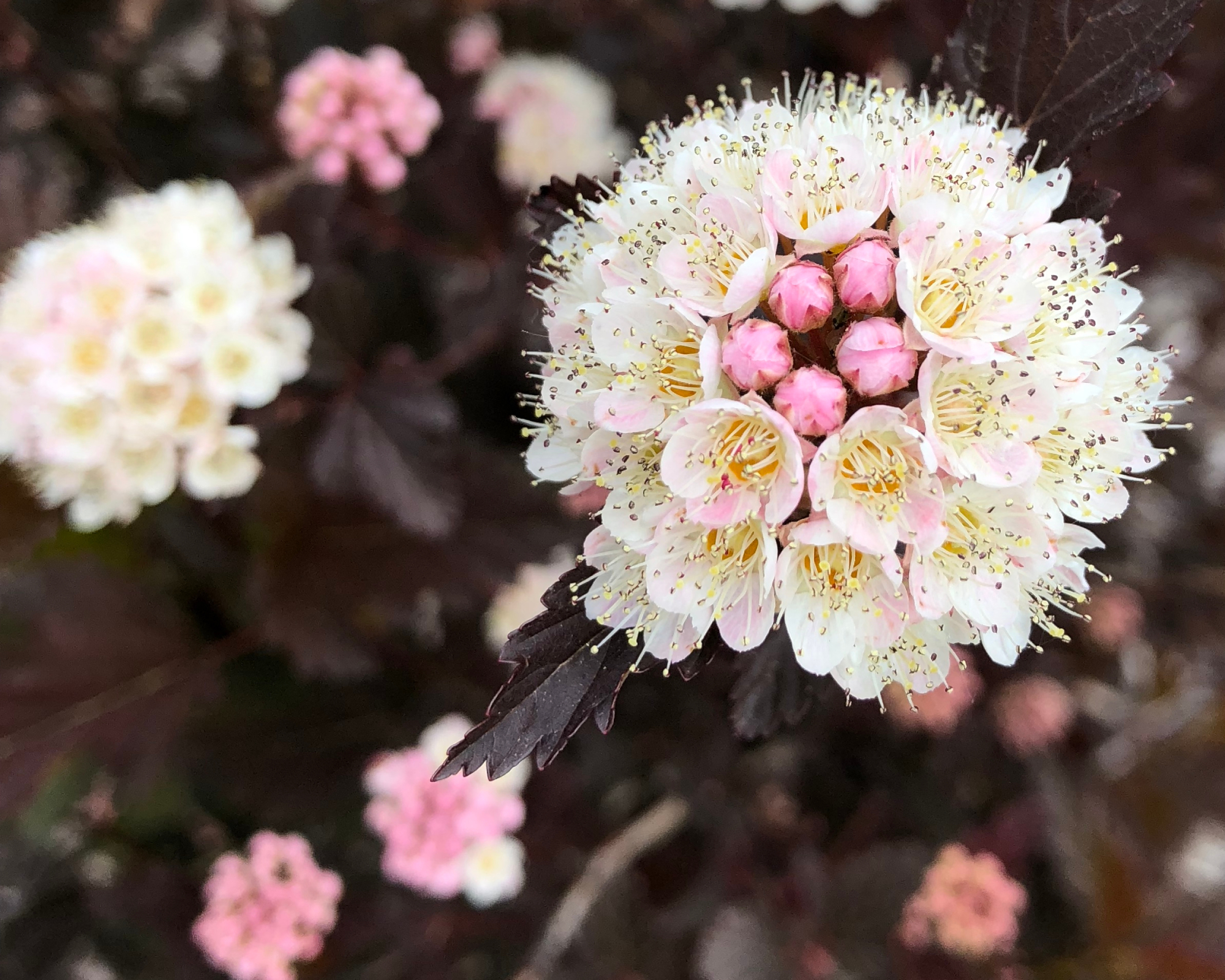
For sophisticated color and contrast without relying on showy flowers to do all the work, choose Summer Wine ninebark (Physocarpus opulifolius ‘Seward’). The foliage is a striking deep purple, which sets off the light-colored spring flowers and offers visual interest in winter. Ninebark is appropriate for zones 3 through 7 and is a native species that supports wildlife. Plant it now or in early fall in full sun and average soil. Water regularly to start it off right.
This shrub tops out around six feet (1.8 m) tall and wide and is a showstopper, so use it as a single planting and focal point in a bed where it has enough room to grow and display its graceful, arching branches.
(Image credit: Shutterstock)
6. Pancake Arborvitae
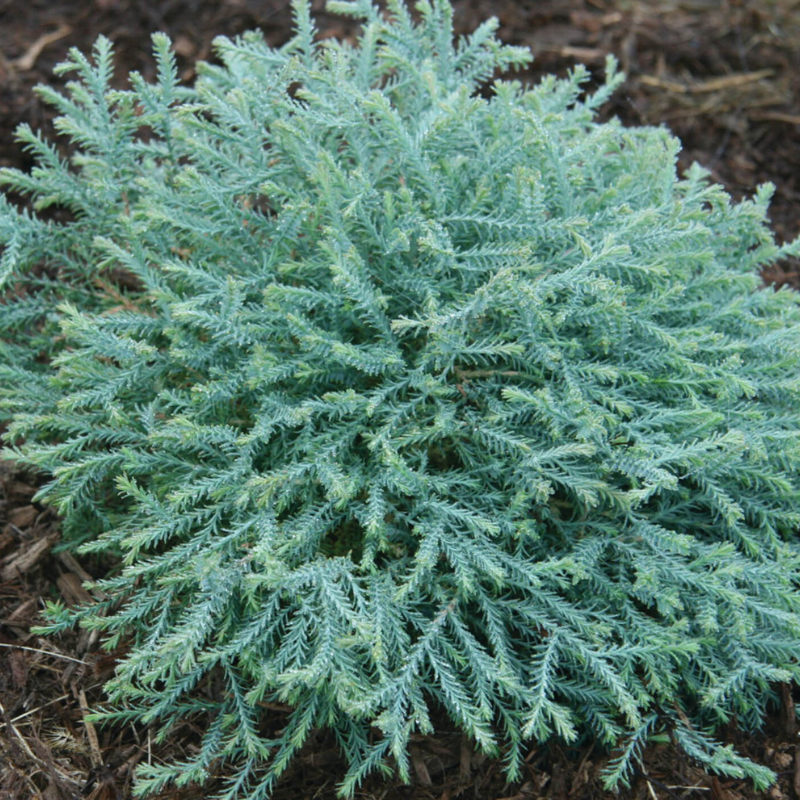
Evergreen option Thuja ‘Pancake’ has a low profile, growing about 18 inches (46 cm) tall, but its sage green foliage is appealingly dense and turns more blue in winter. If you’re looking for year-round interest but don't want a plant that'll grow into a massive hedge and block out the sunshine, it's a front-yard must-have. Pancake arborvitae is a favorite among designers looking for low-water plants to soften hard landscaping.
Grow this arborvitae in zones 4 through 8 and in a spot with full sun. As a drought-tolerant shrub, it prefers light, well-draining, even sandy soil. Use this arborvitae beneath windows at the front of foundation beds, or along the edges of walkways for structured, low-growing curb appeal. Now is a great time to plant arborvitae but be sure to provide plenty of water while it gets established.
7. Paraplu Violet Rose of Sharon
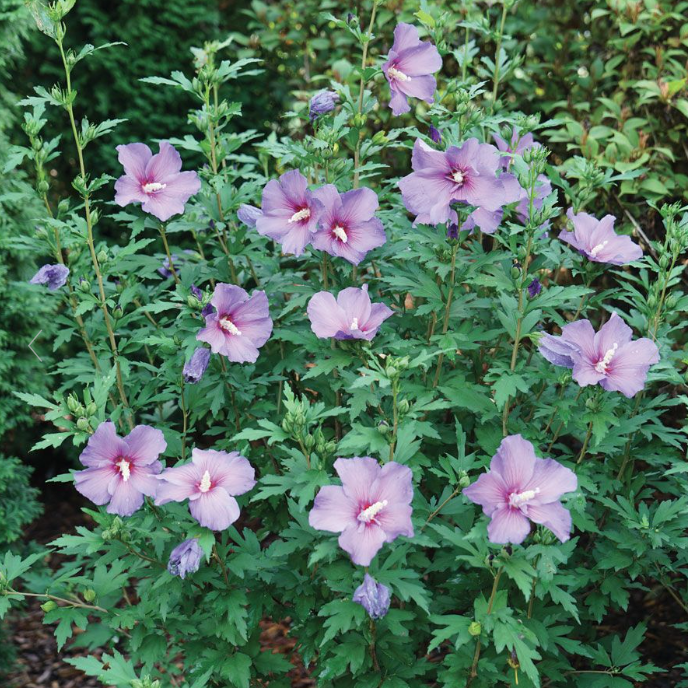
Hibiscus Paraplu Violet Rose of Sharon
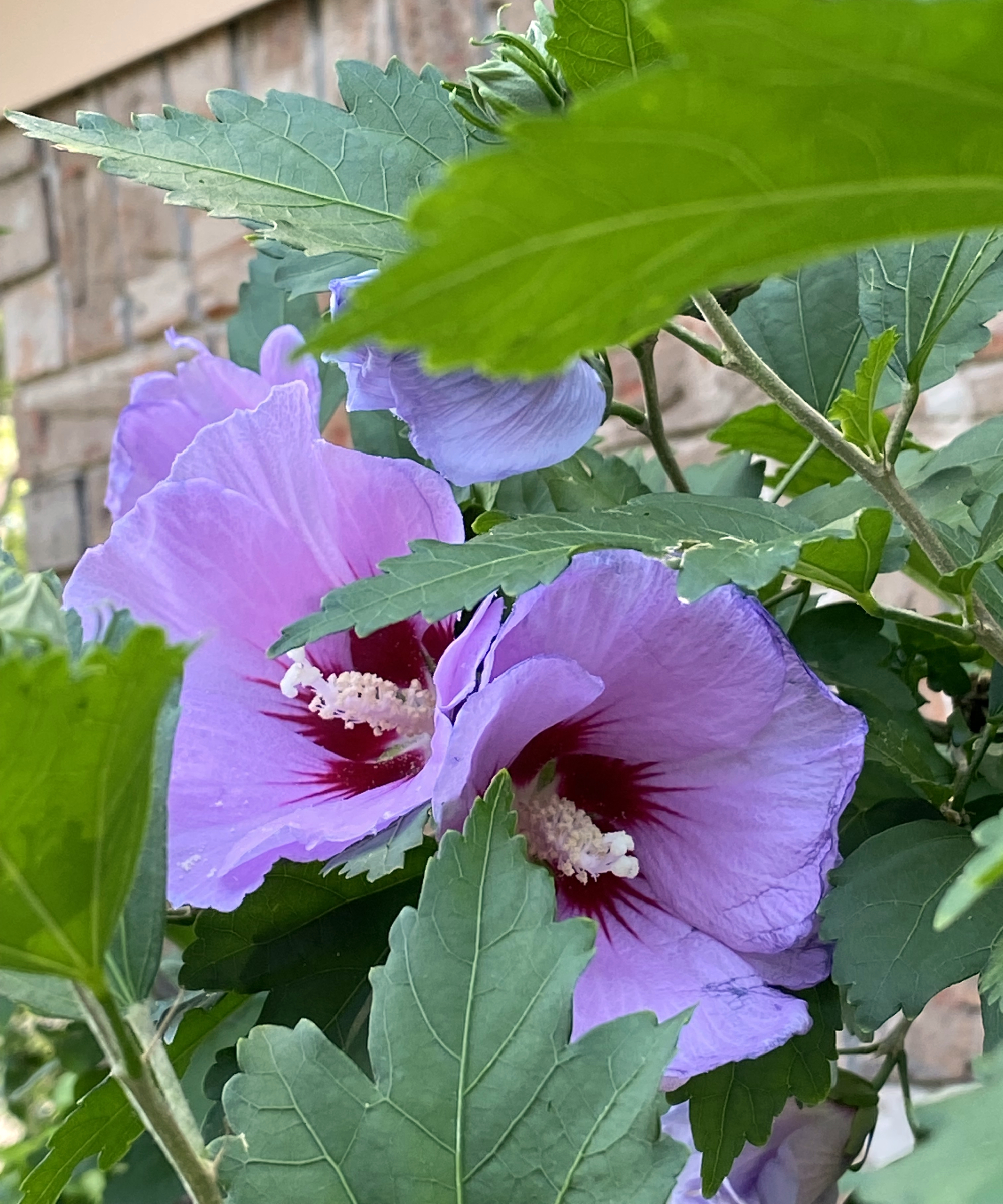
Rose of Sharon (Hibiscus syriacusis) is a tall, dramatic shrub known for its pretty flowers, and Paraplu Violet has particularly large, violet-blue blooms. It'll bring a tropical look, though the plant is hardy in zones 5 through 9. Choose this Rose of Sharon for dramatic height and a long flowering period from summer to fall.
This variety grows up to 10 feet (3 m) tall with an upright structure so it's ideal for creating privacy, anchoring the corner of a bed, yard or house, and for creating height behind shorter shrubs and plants. It's a great choice if you're looking for wow-factor accent plants that are stunning yet simple to grow. You can plant it now, but give it plenty of water to get established. Later, you’ll be rewarded by its strong drought tolerance.
(Image credit: Shutterstock)
8. Good Vibrations Privet
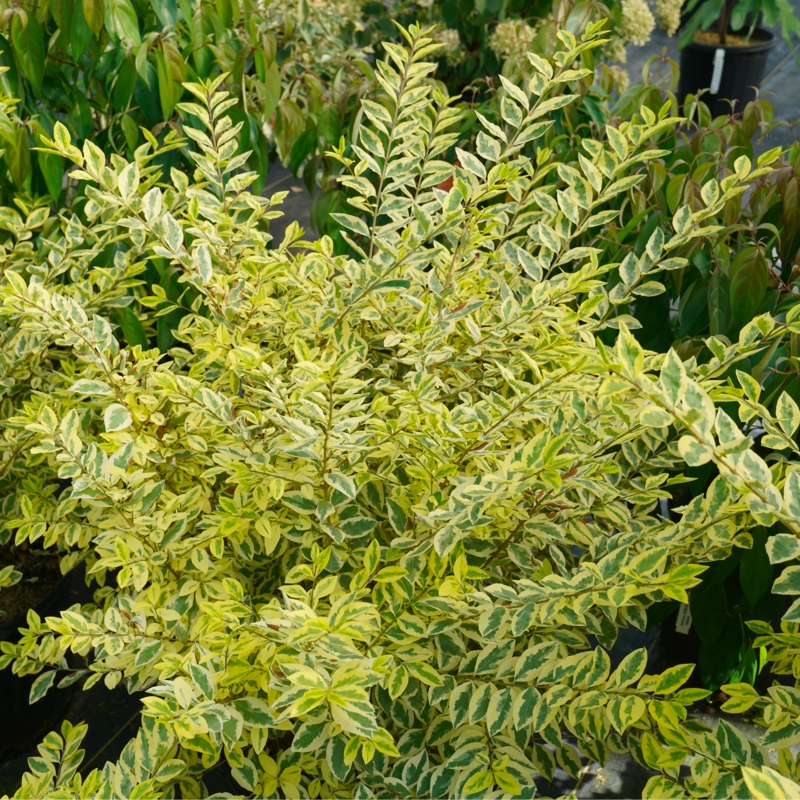
Privet is an old standby for sturdy and tall – if a bit boring – hedges. This variety offers the same reliability and toughness in drought conditions but with far more personality. Ligustrum ovalifolium Good Vibrations has striking variegated foliage and only grows around two feet tall and wide, making it a better choice for more modern foundation plantings or narrow edges and beds. Its dense, compact foliage comes in slowly, too, so it doesn’t need a lot of pruning.
This privet will tolerate drought well if you give it the right start. Wait until the highest temperatures of summer have passed and plant in cooler weather, providing plenty of water leading up to winter to help it get established. It will grow best in a spot with full sun or only partial shade and is suitable for zones 6 through 9.
9. Midnight Wine Shine Weigela
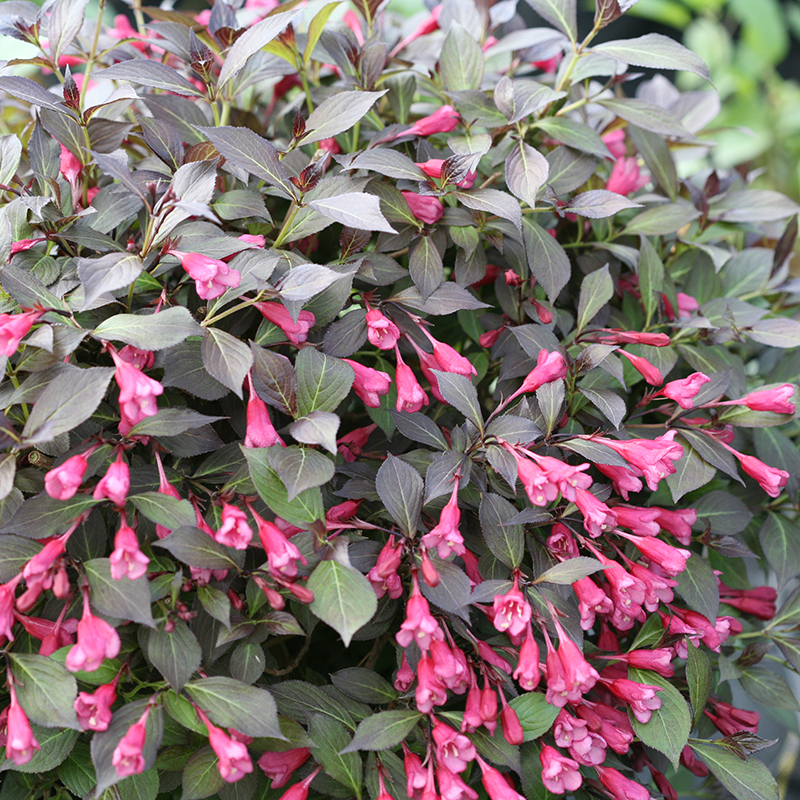
Midnight Wine Shine Weigela
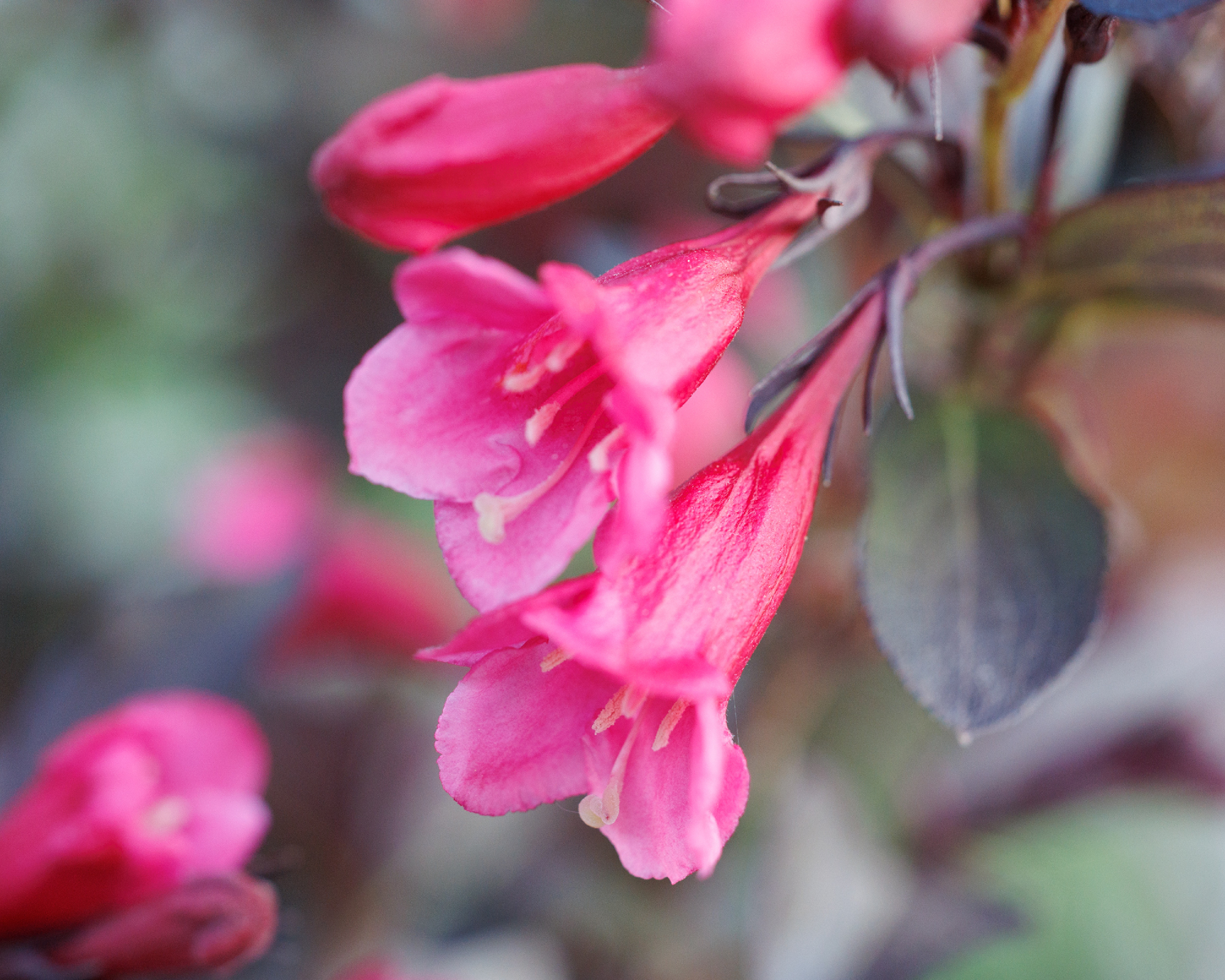
Weigela shrubs are becoming increasingly popular in landscaping for their spring flowers, pretty foliage and low-maintenance needs. Of the many types, Midnight Wine Shine is a compact variety, growing less than two feet (0.6 m) tall and suitable for growing in zones 4 through 8.
This Wiegela florida has striking, glossy, and deep purplish leaves with abundant, bright pink spring and early summer flowers. Once established, it resists drought and also nibbling by rabbits and deer, while also attracting hummingbirds and other pollinators. Plant Midnight Wine Shine near plants with brighter green foliage for great contrast, a little later in the season to avoid lingering high temperatures.
(Image credit: Getty Images)
10. Flower Carpet Mini Cherry Rose
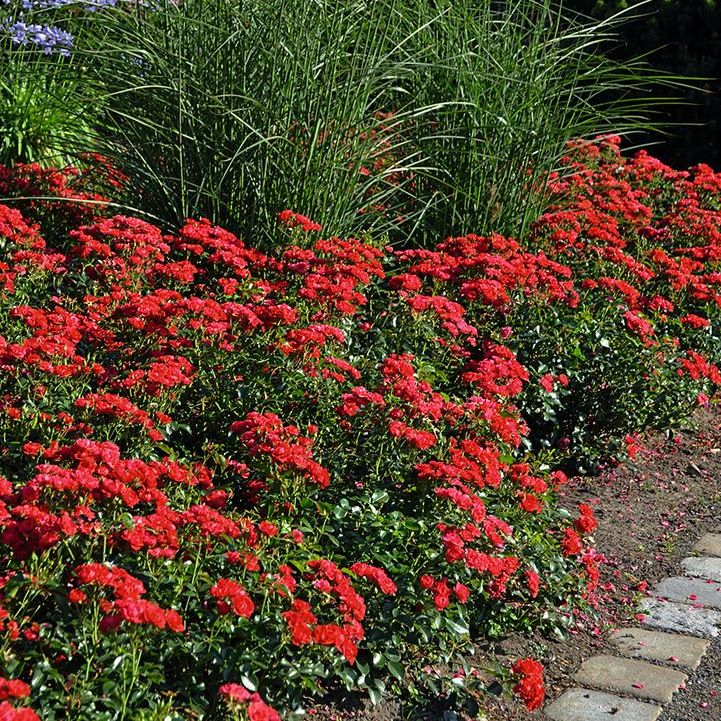
Flower Carpet Mini Cherry Rose
Roses have a reputation for being fussy but many newer varieties are easy to grow. This pretty, low-growing shrub is more like a flowering groundcover, covered in an abundance of cherry red blooms from spring through the first frost. Once established, it's drought-tolerant and disease-resistant.
You can grow this rose in zones 5 through 10 in a spot with full sun or a little afternoon shade and rich, fertile soil. Wait until September, or when temperatures drop a little, to plant your new shrubs. They look best when planted in masses, along a walkway or the edge of a bed.
Getting designer landscaping doesn’t have to require maximum effort on your part. Choose shrubs based on form, flowers, foliage, seasonal interest, site conditions, and drought tolerance to enjoy gorgeous curb appeal without spending your entire summer watering. Just be sure to water any of these choices regularly as they get established to set them up for later success.















 English (US) ·
  French (CA) ·