

 3 hours ago
1
3 hours ago
1
PROTECT YOUR DNA WITH QUANTUM TECHNOLOGY
Orgo-Life the new way to the future Advertising by Adpathway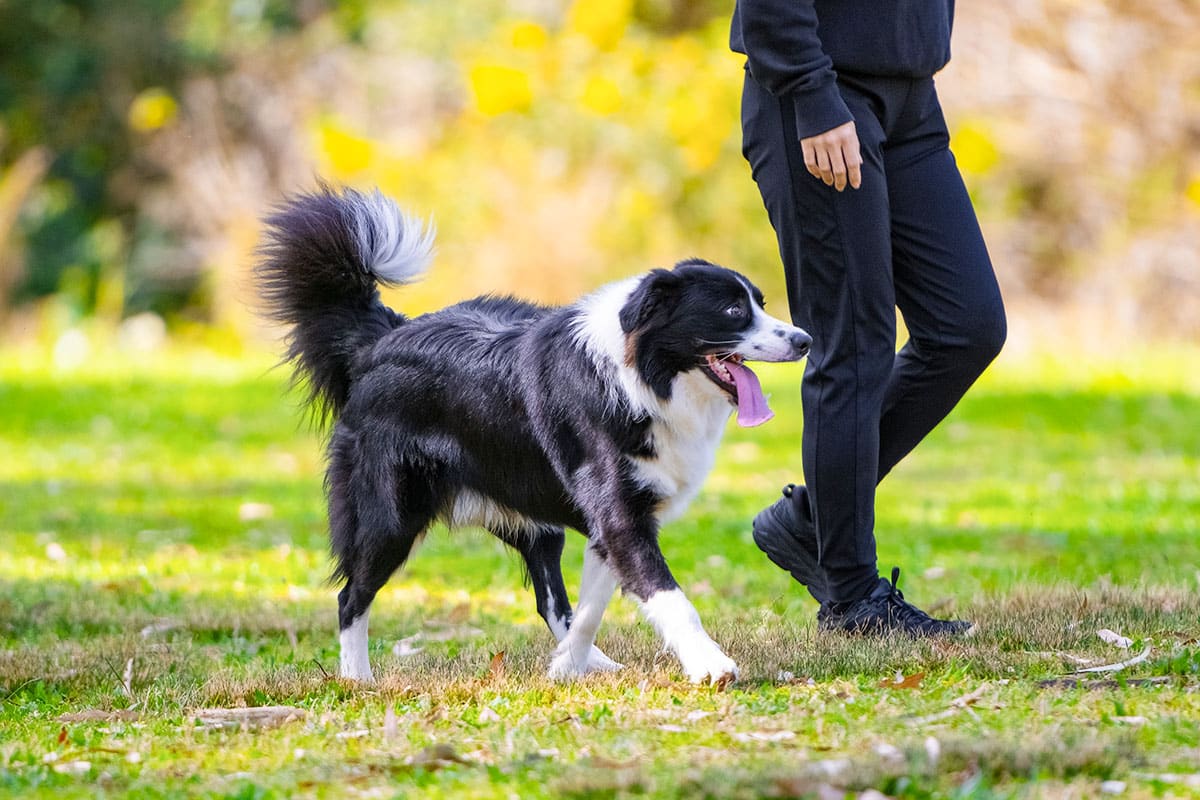 Shutterstock
Some dogs enjoy human companionship, while others seem determined to make devotion their full-time responsibility. Generations of selective breeding for guarding, herding, hunting, working, and companionship helped certain breeds develop especially strong tendencies to remain attentive and connected to their families. Loyalty can appear through affection, watchfulness, cooperation, protectiveness, or a simple desire to stay nearby throughout the day. Although every dog’s personality is individual, these eleven breeds are widely known for forming powerful bonds that can make their devotion remarkably difficult to overlook.
Akita
 Shutterstock
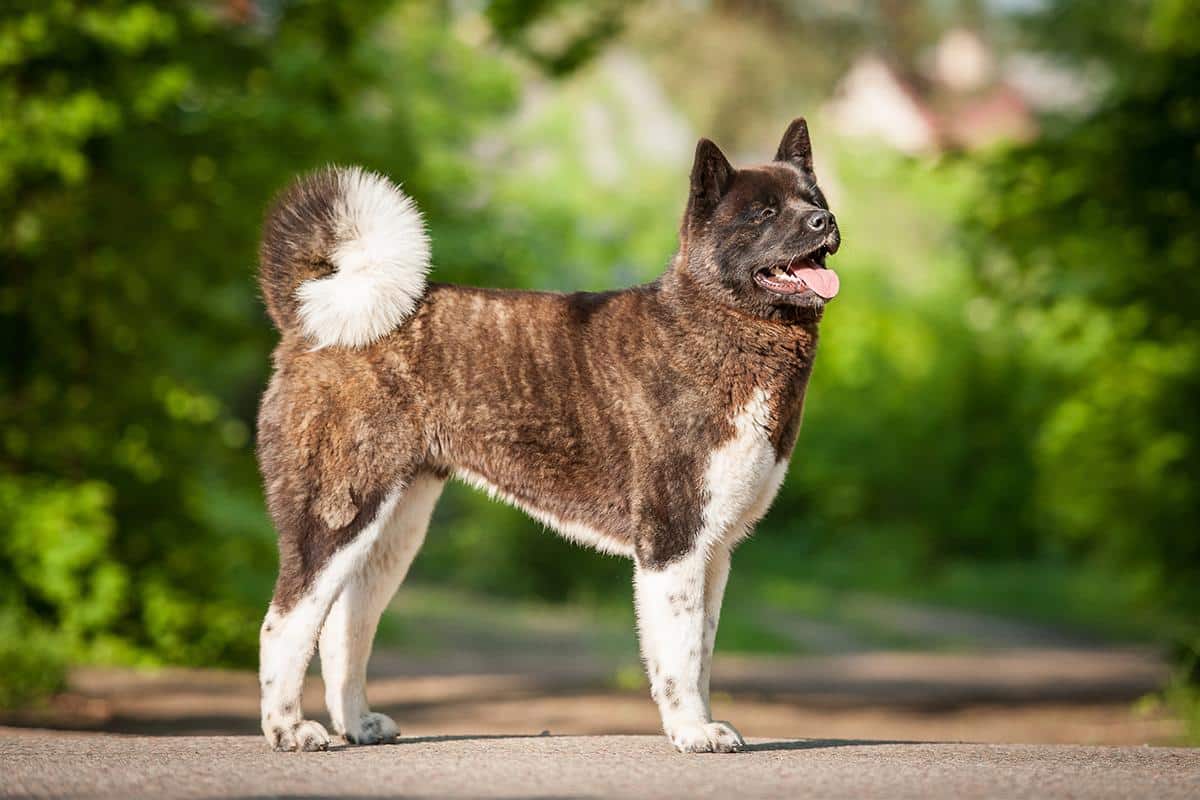
The Akita has become strongly associated with loyalty, thanks partly to the breed’s reserved dignity and tendency to form meaningful attachments to trusted family members. Developed in Japan as a powerful hunting and guarding dog, the Akita often combines independence with strong awareness of its household, creating a companion that may appear quiet while remaining remarkably attentive to what happens around the people it knows. These dogs generally benefit from thoughtful socialization, consistent positive training, appropriate exercise, and owners who understand that loyalty does not automatically translate into friendliness toward every unfamiliar person or animal. With responsible guidance, an Akita’s steady presence and deep family attachment can make its affection feel especially meaningful because this dignified breed rarely needs constant theatrics to demonstrate devotion.
German Shepherd
 Shutterstock
German Shepherds have earned worldwide recognition as versatile working dogs, and their close cooperation with people contributes greatly to their reputation for loyalty. Originally developed for herding and later employed in roles including police work, military service, search and rescue, assistance work, and protection, these intelligent dogs often thrive when they have meaningful interaction, structured training, and opportunities to use both their minds and bodies. Many German Shepherds form powerful bonds with their households and naturally pay close attention to family activity, although proper socialization and positive training are essential for developing confident, manageable behavior rather than unnecessary suspicion or reactivity. Their combination of intelligence, responsiveness, courage, and affection can create the unmistakable impression that someone in the house has appointed themselves head of family security.
Labrador Retriever
 Shutterstock
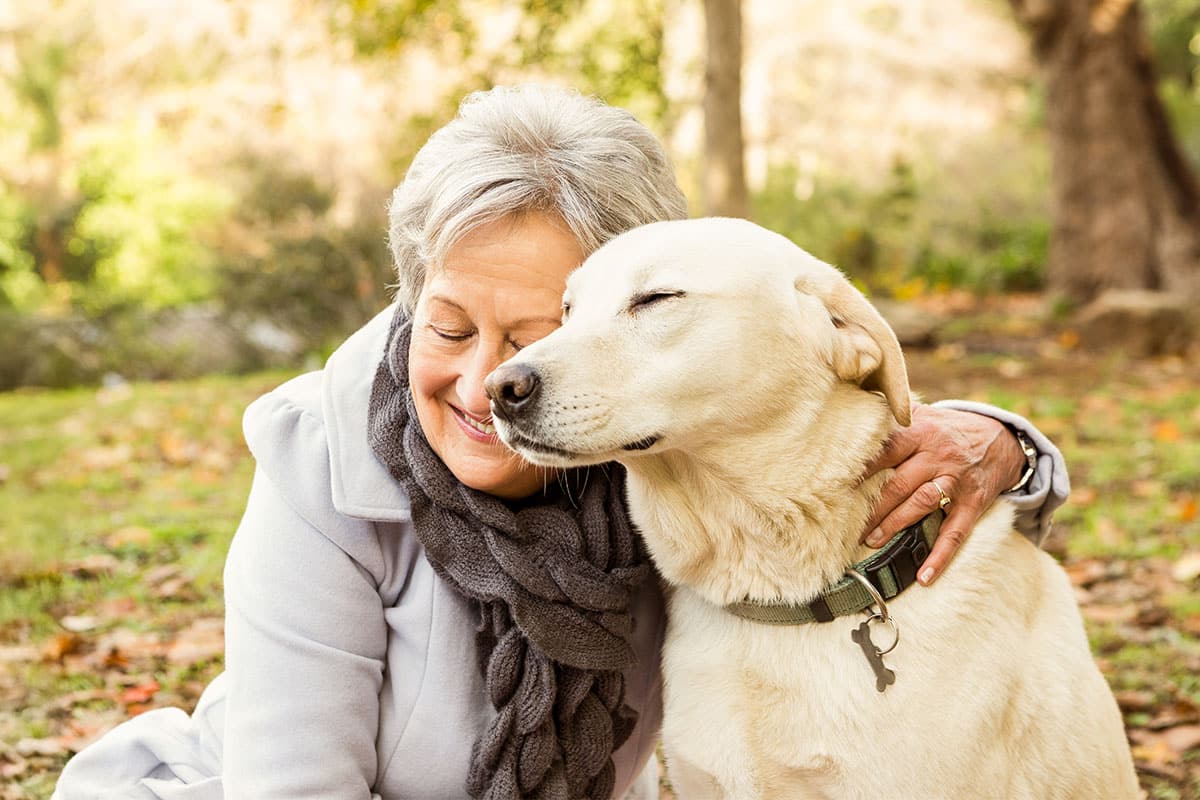
Labrador Retrievers often express loyalty through enthusiastic companionship, cooperation, and an impressive desire to participate in whatever their humans happen to be doing. Developed as working retrievers, Labs were bred to cooperate closely with people, and that history contributes to the trainability and people-oriented nature that have helped them succeed as family companions, service dogs, detection dogs, and working partners in numerous specialized roles. Their devotion usually appears less guarded than that of traditional protection breeds, with many Labradors showing affection through proximity, eager interaction, playful enthusiasm, and readiness to join family activities. Give a Lab appropriate exercise, training, mental stimulation, and plenty of social connection, and you may discover that personal space has quietly become a historical concept.
Golden Retriever
 Shutterstock
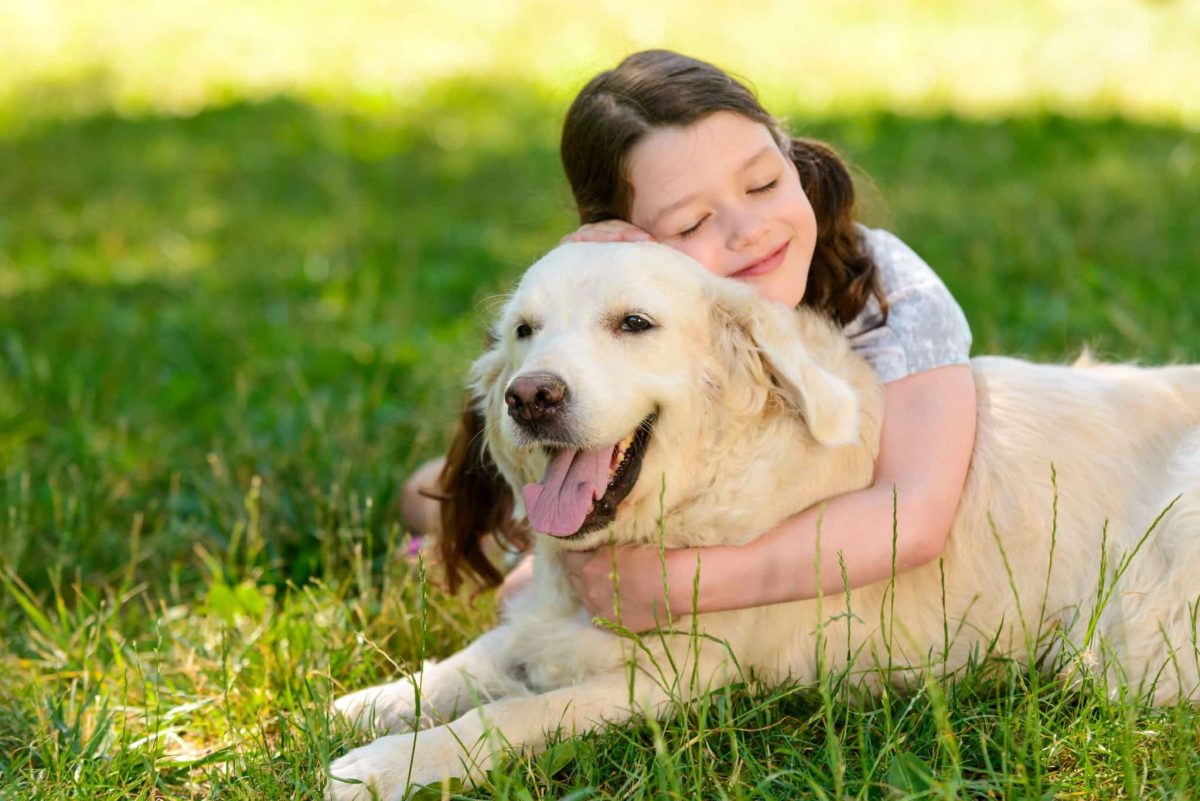
Golden Retrievers are celebrated for their affectionate personalities, but underneath that famous friendliness is a strong tendency to develop close relationships with the people who share their lives. Bred as cooperative sporting dogs, Goldens were expected to work responsively alongside hunters, helping establish the trainability, attentiveness, and willingness to engage with humans that remain hallmarks of the breed today. Many thrive on family interaction and can become deeply invested in everyday routines, happily accompanying their people through walks, training, games, relaxation, and almost any activity that allows them to remain involved. Their loyalty is often expressed through warmth rather than suspicion, creating a devoted companion whose approach to family membership sometimes seems to involve attending every household event, including several that definitely did not require canine participation.
Doberman Pinscher
 Shutterstock
Doberman Pinschers were deliberately developed as protective companions, helping explain the breed’s enduring reputation for attentiveness, intelligence, courage, and strong attachment to trusted people. Properly socialized Dobermans can be remarkably affectionate with their families, often preferring to remain close enough to monitor household activity while combining athletic energy with an impressive willingness to learn and cooperate. Their protective heritage requires responsible ownership because confidence and loyalty should be supported through positive training, broad social experiences, appropriate exercise, and clear expectations rather than encouraged into indiscriminate guarding behavior. Beneath that sleek and imposing appearance is often a dog that takes family connection extremely seriously, sometimes following its favorite humans so closely that the term personal bodyguard begins feeling surprisingly literal.
Boxer
 Shutterstock
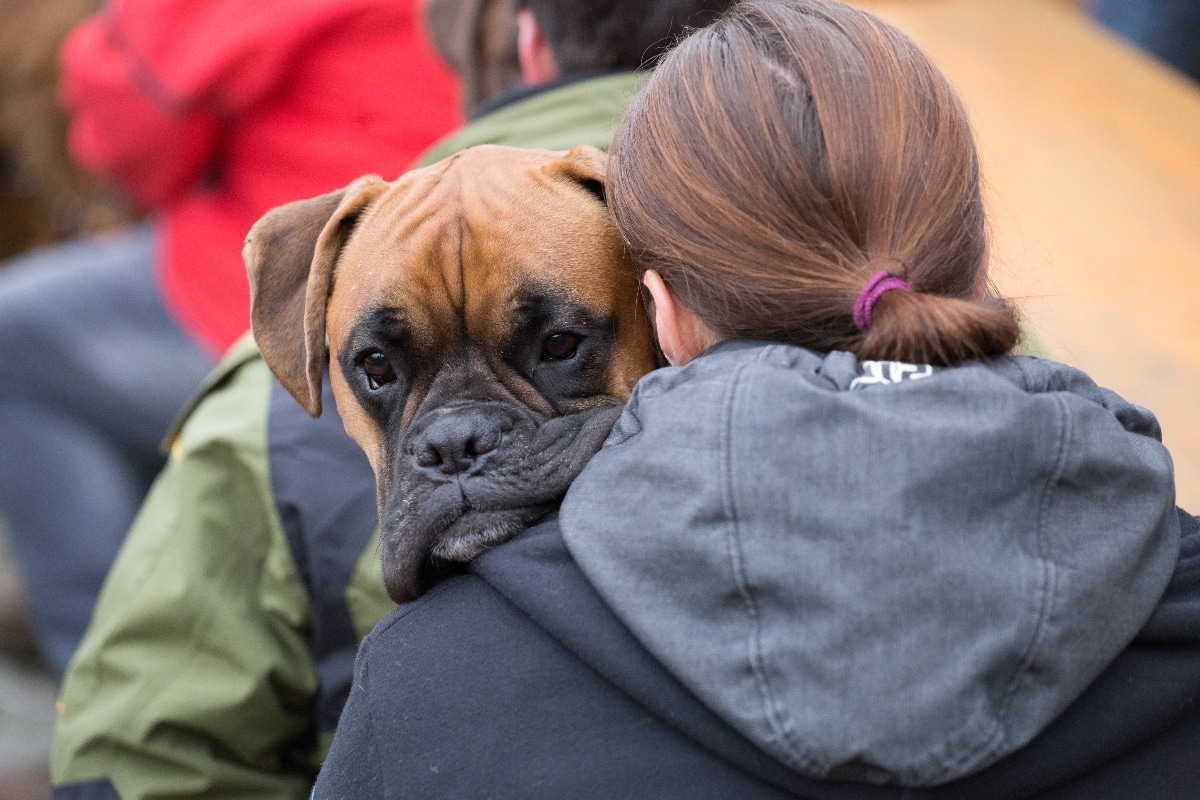
Boxers combine an imposing athletic build with a famously playful personality, creating loyal companions that can remain remarkably enthusiastic about their families well beyond puppyhood. Historically developed as working and guarding dogs, they tend to be alert and confident, yet many are also highly affectionate, social, and eager to participate in household activities, especially when those activities involve play or attention. Their energetic nature means devotion should be supported with consistent positive training, daily exercise, mental stimulation, and early socialization so their strength and excitement develop into manageable adult behavior. A well-adjusted Boxer can switch impressively between attentive companion and enthusiastic comedian, demonstrating that profound loyalty does not require maintaining a serious facial expression for more than a few minutes.
Rottweiler
 Shutterstock
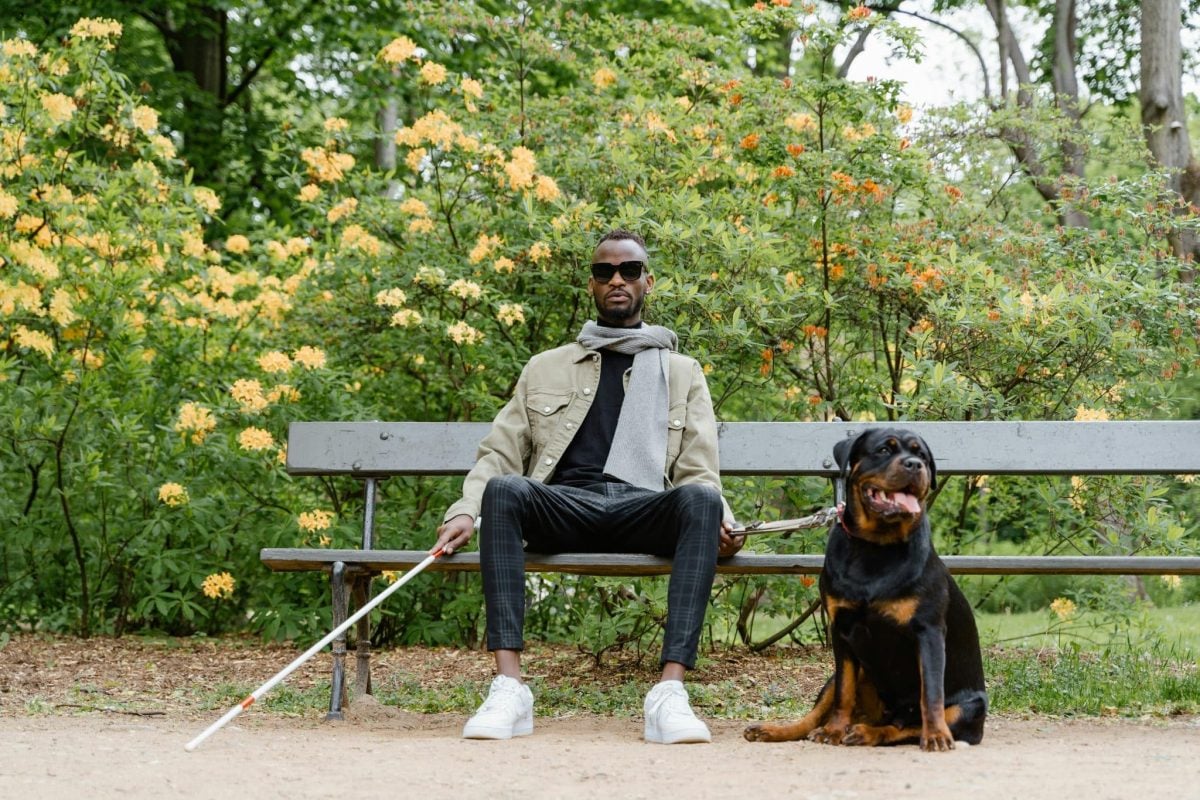
Rottweilers have a long working history that includes driving cattle, guarding property, and performing demanding tasks alongside people, contributing to their reputation for confidence and strong family attachment. Many well-socialized Rottweilers are affectionate and deeply connected to their households, often displaying a calm attentiveness that contrasts with the powerful appearance responsible for much of the breed’s intimidating reputation. Their size, strength, intelligence, and guarding heritage make responsible ownership particularly important, including positive training, early socialization, appropriate exercise, and careful management around unfamiliar situations. When those needs are handled thoughtfully, the Rottweiler can be a remarkably devoted companion whose loyalty feels steady rather than flashy, although this substantial dog may still decide that sitting unusually close is the most convincing possible demonstration of affection.
Great Pyrenees
 Shutterstock
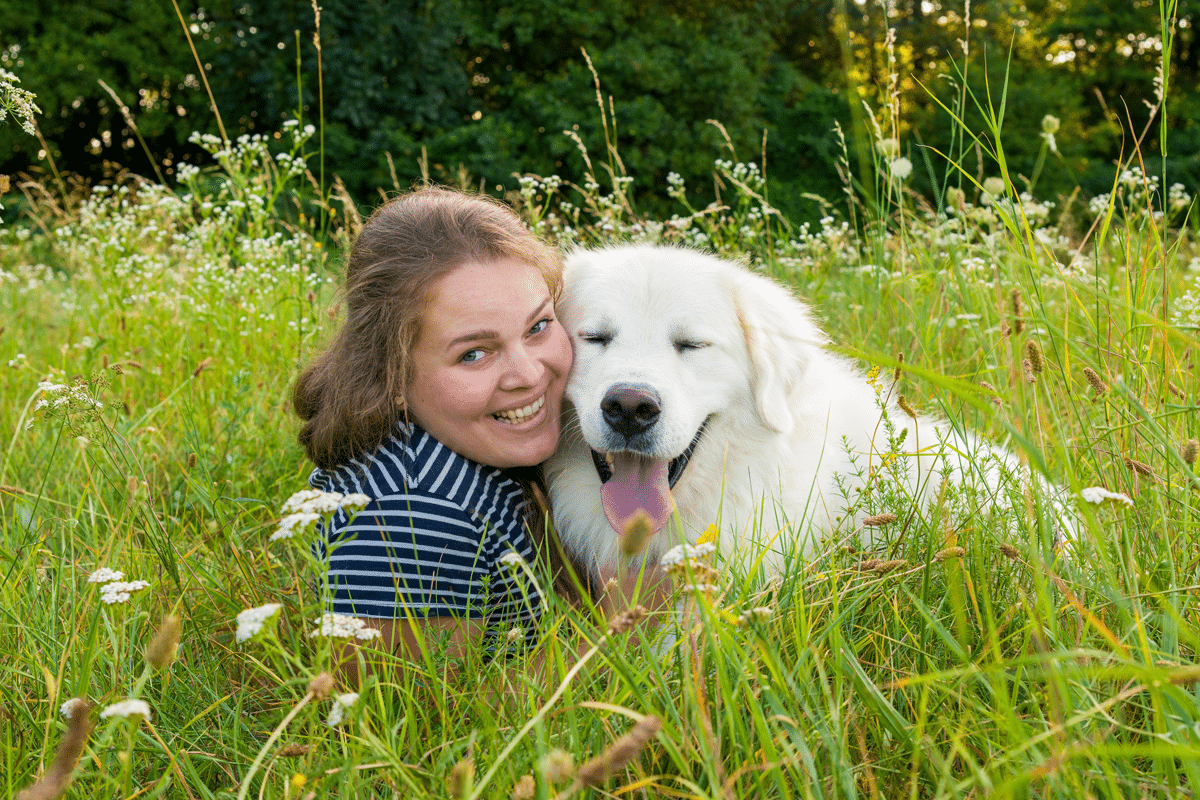
Great Pyrenees were developed to guard livestock, often making independent decisions while remaining attentive to animals under their protection, and that guardian heritage still influences the breed’s distinctive approach to loyalty. These large dogs can form deep attachments to their households while maintaining an independent temperament, frequently observing their surroundings with calm seriousness and becoming especially alert when something seems unusual. Their natural guarding instincts require secure management, socialization, patient training, and realistic expectations because a dog bred to make decisions independently may occasionally believe its own judgment deserves considerably more consideration than a human suggestion. Their devotion often feels quietly reassuring, with the Great Pyrenees seemingly convinced that somebody must supervise the household and apparently volunteering for every available shift.
Collie
 Shutterstock
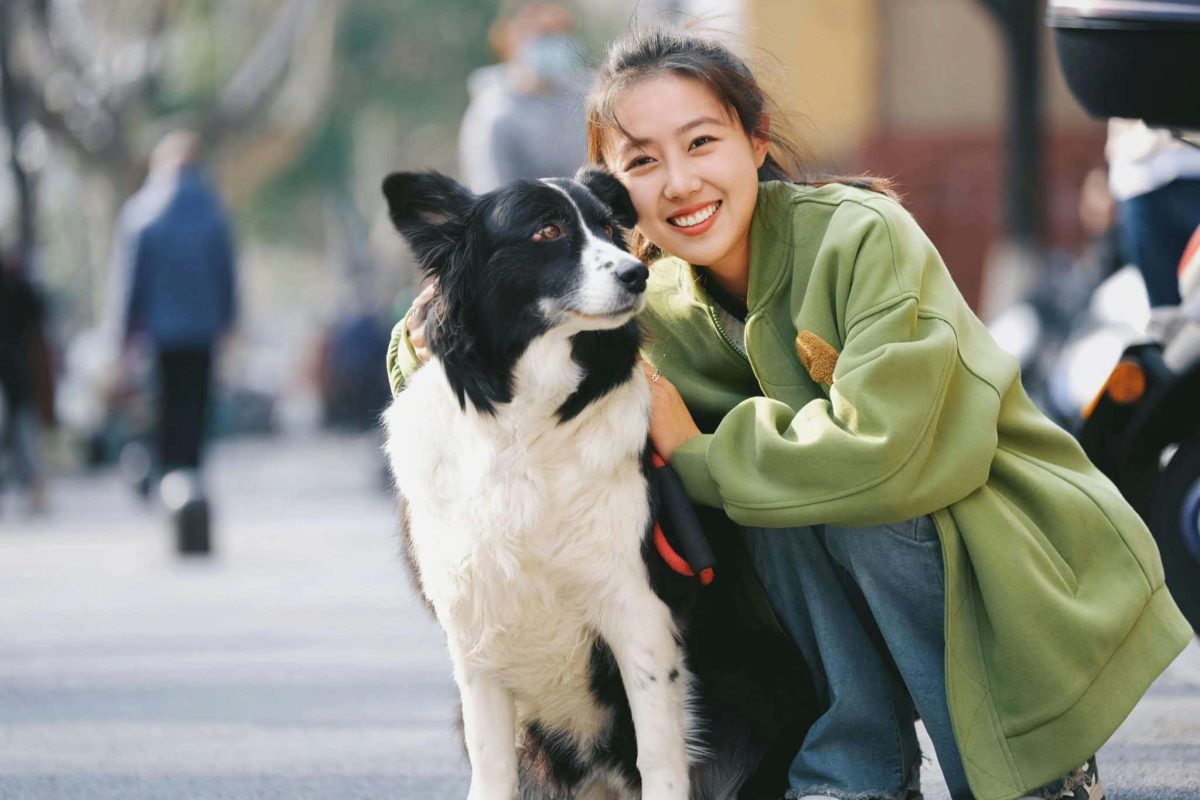
Collies have long been admired for intelligence, sensitivity, and responsiveness, qualities connected to their history as herding dogs working closely with people and livestock. Many Collies become highly attentive to household routines and family emotions, developing affectionate relationships while remaining alert to activity around them, which can make them seem remarkably tuned into the lives of the people they love. Their intelligence benefits from positive training and mental enrichment, while regular exercise, socialization, and companionship can help these sensitive dogs remain confident and content. A Collie’s loyalty often appears gentle and thoughtful rather than imposing, creating the charming impression that this elegant dog has memorized everyone’s schedule and quietly appointed itself the family’s unofficial attendance coordinator.
Shetland Sheepdog
 Shutterstock
Shetland Sheepdogs were developed as hardworking herding dogs in Scotland’s Shetland Islands, and their heritage helped produce an intelligent, responsive breed with a strong tendency to pay attention to people and activity around them. Shelties frequently develop close relationships with their families and may express devotion through following household members, responding enthusiastically to training, monitoring changes in routine, and using their famously enthusiastic voices when something seems worthy of an announcement. Their sensitivity and intelligence make gentle, reward-based training especially valuable, while exercise, mental challenges, and appropriate socialization help channel their alertness productively. Living with a devoted Sheltie can feel like having a tiny, fluffy personal assistant who remembers the schedule, notices every visitor, and occasionally provides unsolicited commentary about absolutely everything.
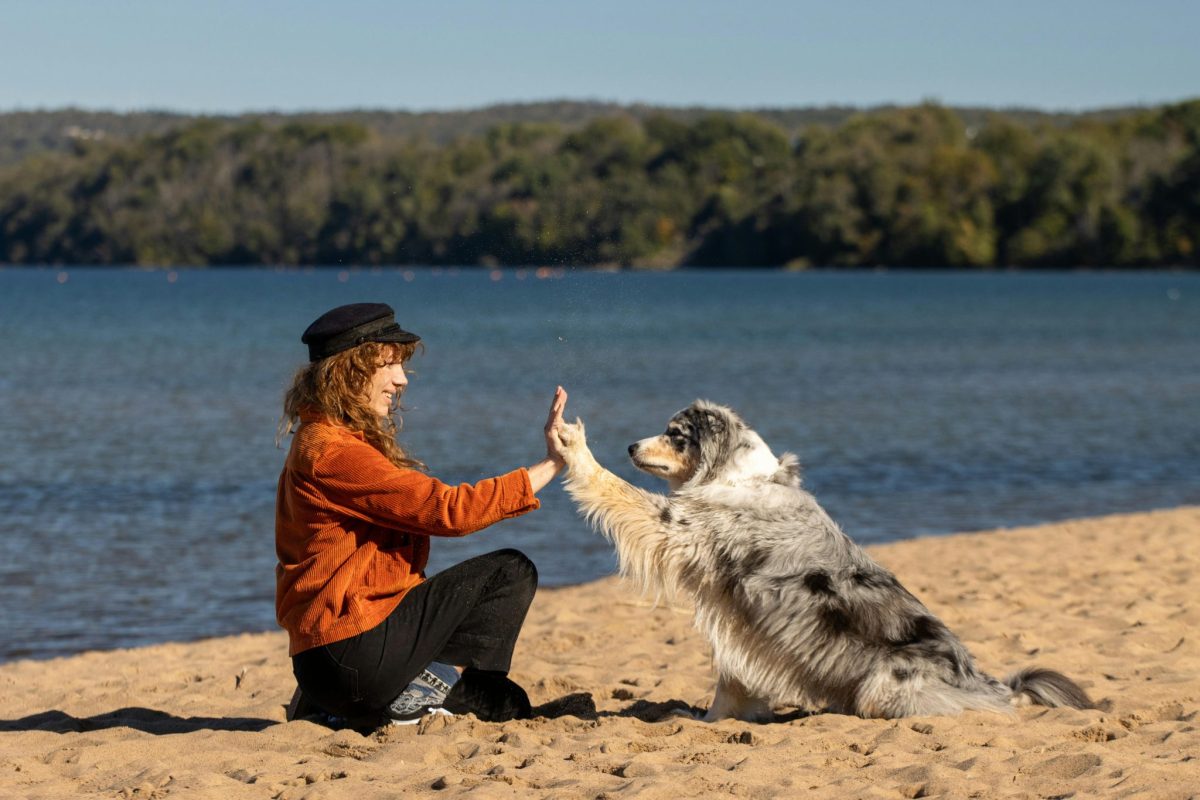
Australian Shepherd
 Shutterstock
Australian Shepherds are intelligent, energetic herding dogs developed to work closely with people, and that cooperative background contributes to the strong attachments many individuals form with their families. Their loyalty often appears through attentiveness and participation, as Aussies commonly enjoy training, outdoor activities, canine sports, games, and almost any challenge that allows them to engage their minds while remaining connected to their humans. Because their intelligence and energy can become difficult to manage without suitable outlets, these dogs generally need substantial exercise, mental stimulation, positive training, and opportunities to practice appropriate behaviors rather than inventing jobs independently. Keep an Australian Shepherd constructively occupied, and its devotion can become wonderfully obvious, especially when it decides that following you into the next room counts as an important herding assignment.
The Loyalty Department Never Clocks Out
 Shutterstock
Loyalty can appear as cheerful companionship, quiet watchfulness, eager cooperation, protective awareness, or a desire to remain close to trusted family members. Breed history can influence these tendencies, but every dog’s behavior is also shaped by training, health, environment, experiences, and individual personality. Devoted dogs still need boundaries, enrichment, exercise, independence, and respectful handling to thrive. Build that relationship with patience and kindness, and these loyal companions may spend years proving that the household’s most dedicated family member happens to have four legs and endless affection.
This content was created with AI assistance and edited by the iHeartDogs team.


















 English (US) ·
  French (CA) ·