

 8 hours ago
8
PROTECT YOUR DNA WITH QUANTUM TECHNOLOGY
Orgo-Life the new way to the future Advertising by Adpathway Shutterstock
Some dogs can turn an ordinary moment into a clever caper when delicious treats are nearby. With curious noses, quick paws, and impressive determination, these furry opportunists seem to know when nobody is watching. Halloween brings tempting smells and distractions that make their mischievous instincts harder to resist. While their antics may earn laughs, these sneaky companions need supervision around candy and seasonal goodies that can be dangerous for dogs. Keeping treats safely stored protects these clever snack hunters and helps everyone enjoy Halloween safely together.
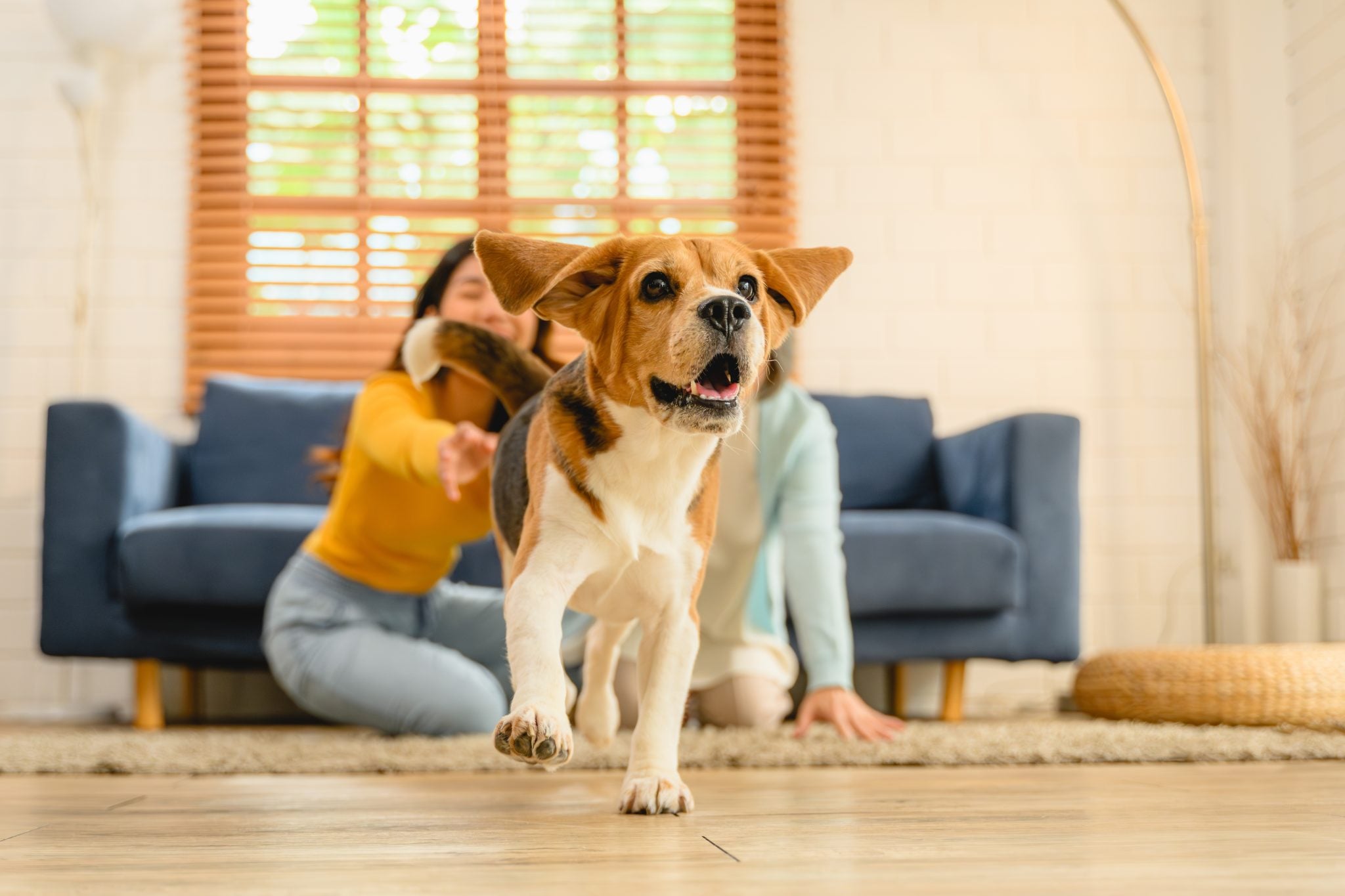
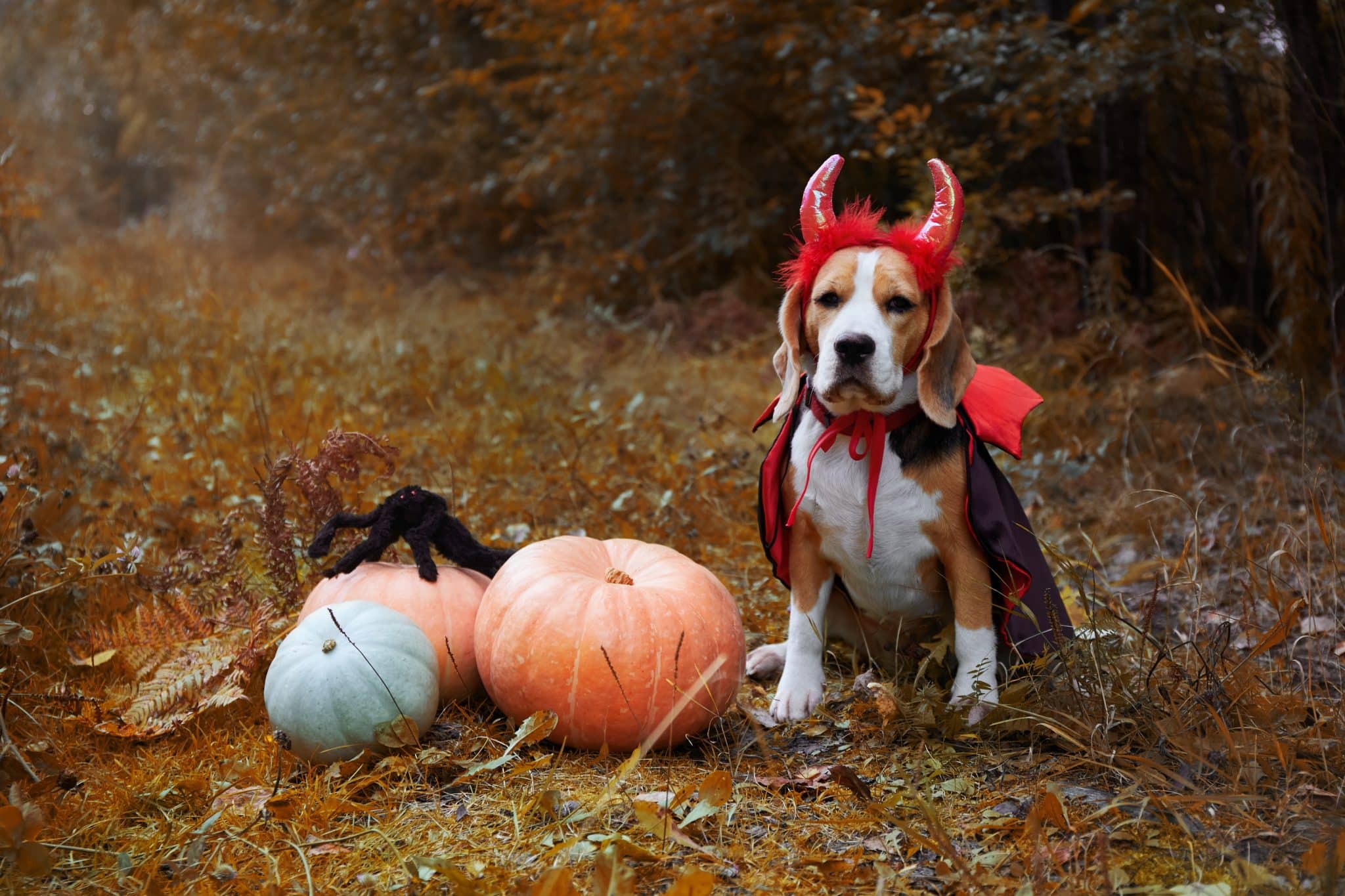
Beagle
 Shutterstock
Beagles have a reputation for following their noses wherever an interesting scent leads, making them natural candidates for a Halloween snack investigation. Originally bred to hunt in packs, these cheerful dogs are often persistent when tracking a smell, and a bowl of fragrant treats could quickly capture their attention. A Beagle may inspect the area, circle the table, and return repeatedly to investigate whether the tempting discovery is still within reach. Their friendly, determined personalities can make their attempts at sneaking food look hilariously innocent. Their food motivation can also make training especially rewarding when treats are used appropriately, but a Beagle that discovers unattended candy may not understand why its prize is off-limits. Keep Halloween goodies in secure containers and reward your scent-driven detective with dog-safe snacks instead.
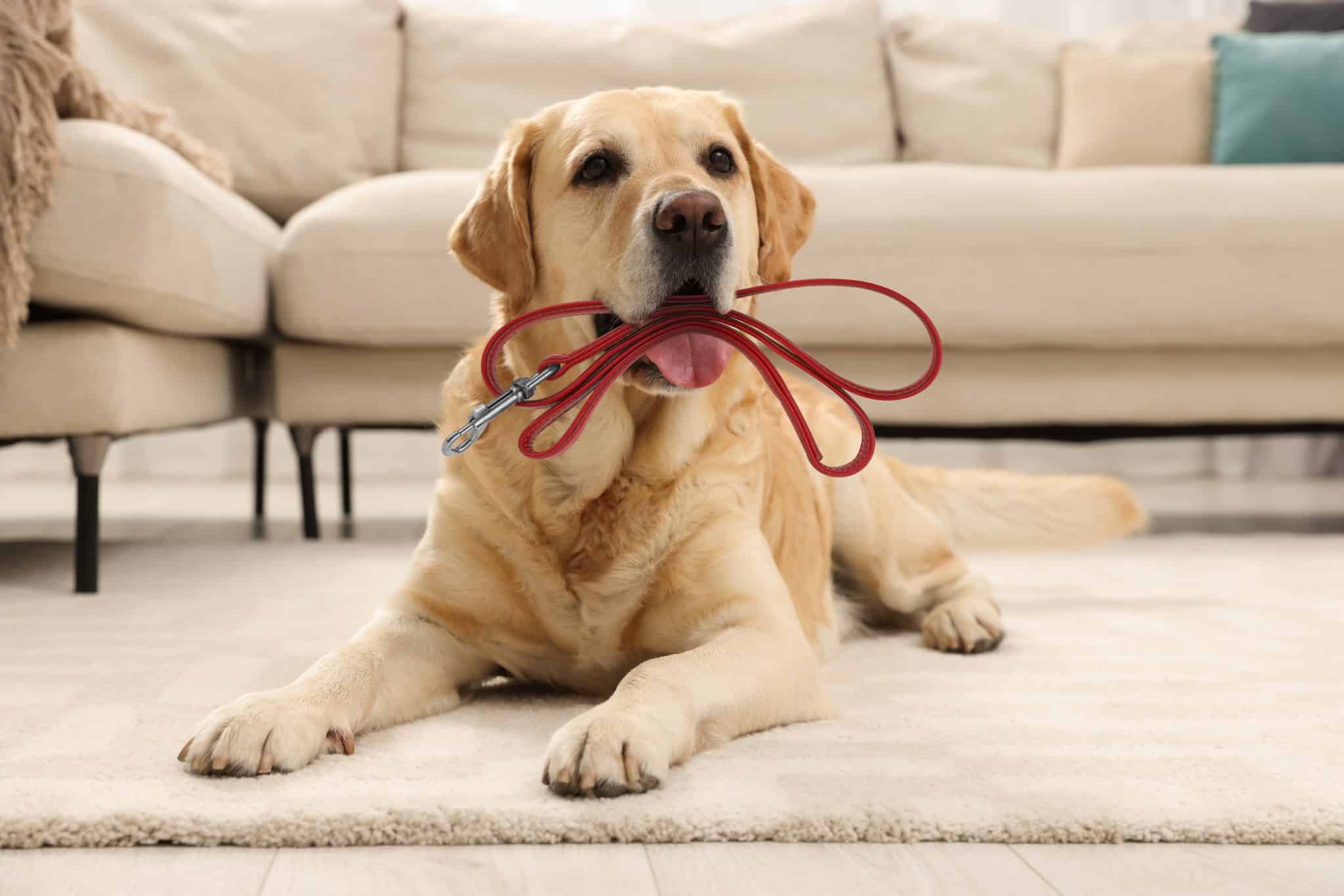
Labrador Retriever
 Shutterstock
Labrador Retrievers are affectionate, enthusiastic dogs that frequently enjoy eating almost as much as they enjoy spending time with their families. Many Labs are strongly food-motivated, which can make an unattended treat bowl particularly tempting. A clever Labrador might quietly investigate a low table, hover near the kitchen, or appear beside a distracted guest with an expression of pure innocence. Their eagerness and persistence can turn a simple snack opportunity into an elaborate mission. Although Labs are often eager to please, their appetites can sometimes overpower their manners if tempting food is left accessible. Consistent training, supervised gatherings, and secure storage help prevent unwanted snacking. Give your Labrador an appropriate chew or a dog-safe treat during Halloween festivities to keep its attention away from candy.
Dachshund
 Shutterstock
Dachshunds may be small, but their confidence and determination can make them surprisingly resourceful snack seekers. Originally developed to hunt animals underground, these dogs are curious, persistent, and often eager to investigate anything that catches their attention. A Dachshund might sniff around a table leg, explore an accessible bag, or repeatedly return to a tempting location after being redirected. Their compact bodies can make them easy to underestimate, but their determination deserves serious respect. Their bold personalities may also inspire them to test boundaries when nobody seems to be paying attention, acting as though household rules were merely suggestions. Keep candy well out of reach, block access to tempting food, and reward your little explorer for leaving forbidden items alone.
Poodle
 Shutterstock
Poodles are known for their intelligence, trainability, and remarkable ability to learn routines. Those qualities can be wonderful for teaching manners, but they can also make a curious Poodle an inventive investigator around Halloween. A dog that notices where treats are stored or learns when family members become distracted may begin checking familiar locations whenever an opportunity appears. Its quiet observation can make the whole operation seem surprisingly organized. Poodles also need mental stimulation, and exploring new smells and environments can be an appealing activity. That does not mean they are destined to steal food, but boredom and easy access can encourage unwanted behavior. Give your Poodle puzzle toys, practice reliable leave-it cues, and keep candy in closed cupboards or sealed containers.
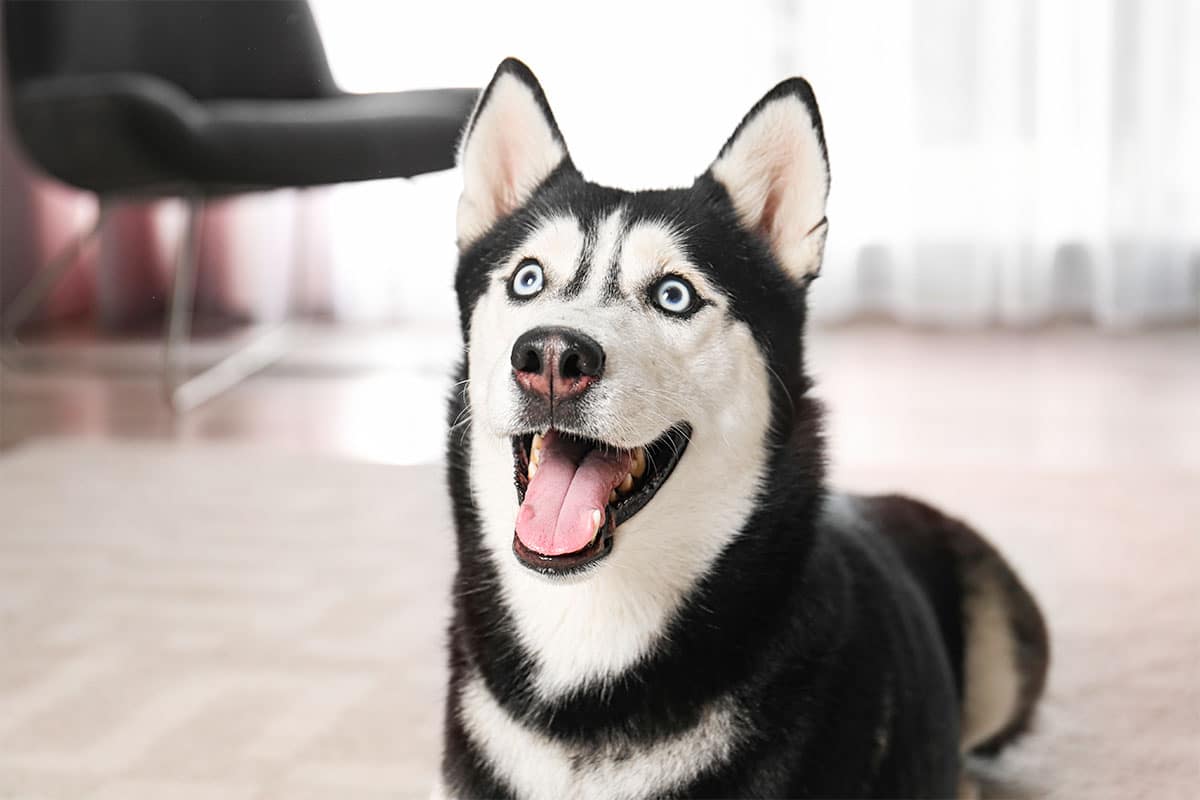
Siberian Husky
 Shutterstock
Siberian Huskies are energetic, independent dogs known for their curiosity and adventurous personalities. Many enjoy investigating their surroundings and finding their own entertainment, especially when something smells interesting. At a busy Halloween gathering, a Husky might wander toward the kitchen, inspect bags left within reach, or explore a room while everyone else is occupied. Their expressive faces can make them look as though they are fully aware of their mischief. Huskies often benefit from regular exercise, consistent training, and plenty of activities that challenge their minds. Without enough engagement, they may find their own projects, and a treat investigation could become one of them. Make sure candy remains inaccessible, particularly during arrivals and departures when doors and bags may be left unattended.
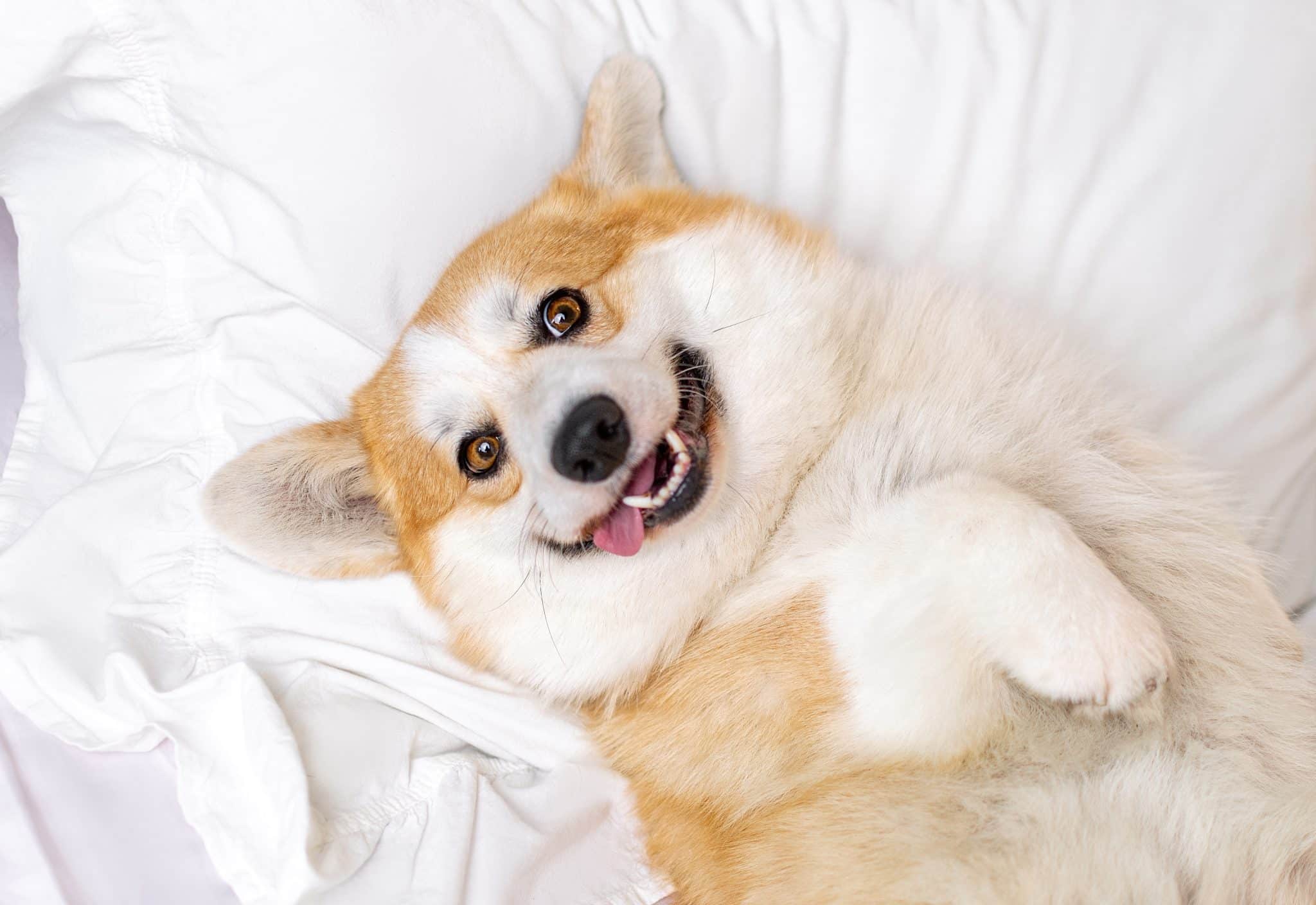
Pembroke Welsh Corgi
 Shutterstock
Pembroke Welsh Corgis combine intelligence, confidence, and a sturdy little frame with a famously lively personality. Bred to herd livestock, they are attentive to movement and quick to notice changes in their surroundings. During Halloween celebrations, a Corgi might keep an eye on every visitor, investigate new bags, and check the kitchen whenever a tempting smell drifts through the house. Their short legs do not necessarily discourage their curiosity. Corgis can also be persistent when they want something, so clear household rules matter. Teaching commands such as “leave it” and rewarding calm behavior can help them resist tempting discoveries. Since their bodies are long and their appetites can be enthusiastic, keeping candy safely stored protects them from dangerous ingredients and unnecessary extra calories.
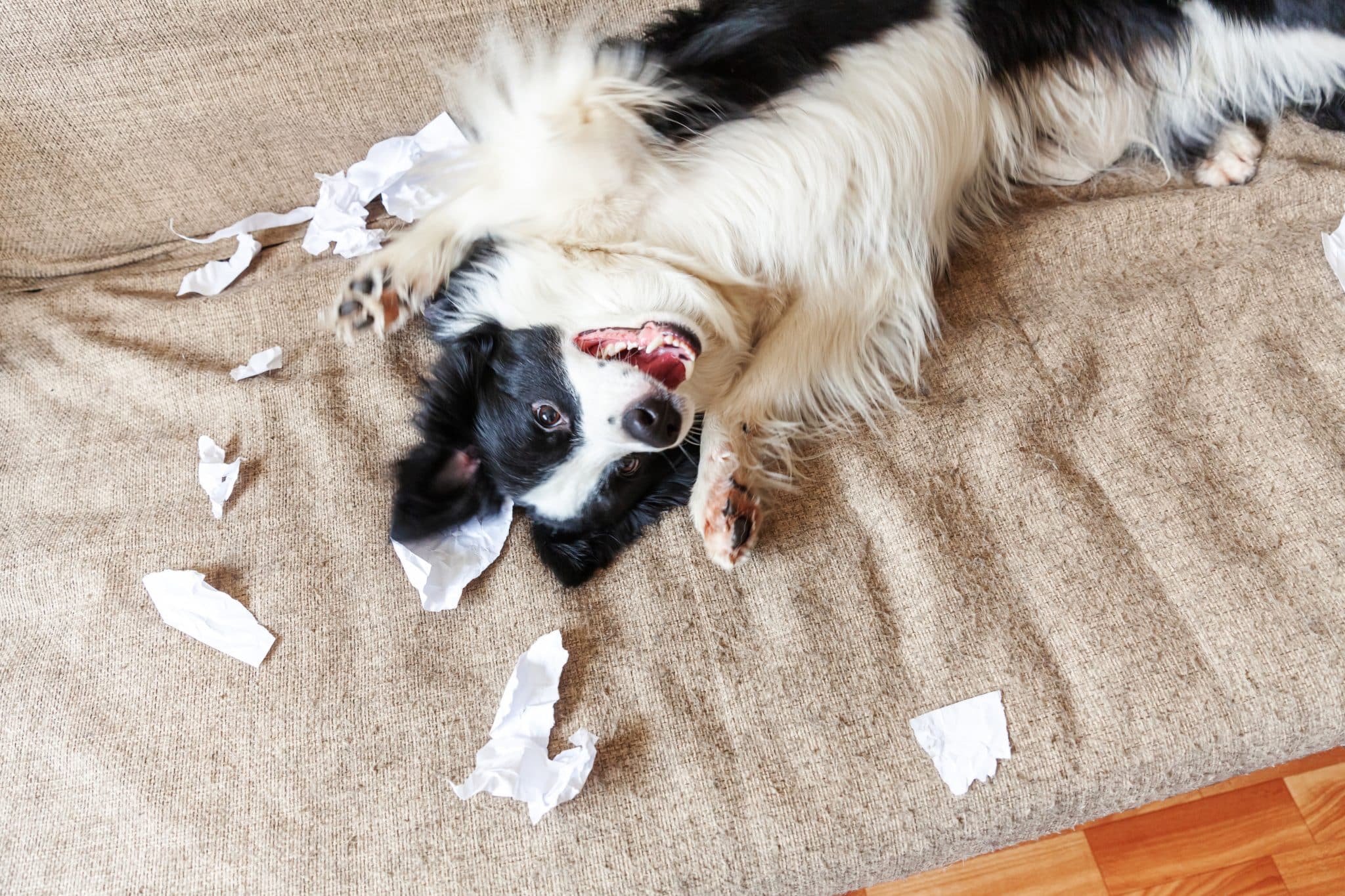
Border Collie
 Shutterstock
Border Collies are celebrated for their intelligence, focus, and ability to learn complicated tasks. Their sharp minds allow them to notice patterns and respond quickly to routines, which can make them particularly observant in a busy home. A Border Collie might notice where treats are placed, recognize when everyone is distracted, and return to investigate a promising location. The imagined result is less a random snack raid and more a carefully considered operation. These dogs generally thrive when given meaningful mental and physical activities. Training games, scent work, and interactive toys can direct their problem-solving abilities toward appropriate challenges. Even a highly trained Border Collie should never be trusted with accessible Halloween candy, because curiosity and food smells can tempt dogs of every intelligence level.
Miniature Schnauzer
 Shutterstock
Miniature Schnauzers are alert, spirited dogs that often want to know what is happening around them. Their inquisitive nature can make a new bag, an unfamiliar smell, or a bowl of treats difficult to ignore. They may investigate a room thoroughly and return to a suspiciously interesting spot when the household becomes busy. Their expressive eyebrows and beard can make every little glance look like part of a secret plan. Their confidence and intelligence are useful qualities for training, but they still need consistent boundaries around food. Teach your Schnauzer to settle during gatherings and reward it for ignoring unattended snacks. A secure storage spot for candy is much more reliable than expecting a curious dog to resist every opportunity.
Jack Russell Terrier
 Shutterstock
Jack Russell Terriers are energetic, curious, and often impressively persistent. Bred to work as hunting terriers, they tend to enjoy investigating interesting smells and finding ways around obstacles. If Halloween treats are left accessible, a Jack Russell might inspect the area, explore nearby objects, and keep trying after an initial attempt fails. Their small size can disguise an enormous supply of determination. These terriers usually benefit from regular exercise, training, and games that engage their natural instincts. A busy dog may be less inclined to invent its own entertainment, although supervision remains essential. Provide appropriate activities during parties and store all candy securely, since even a tiny piece of certain sweets can pose a serious risk.
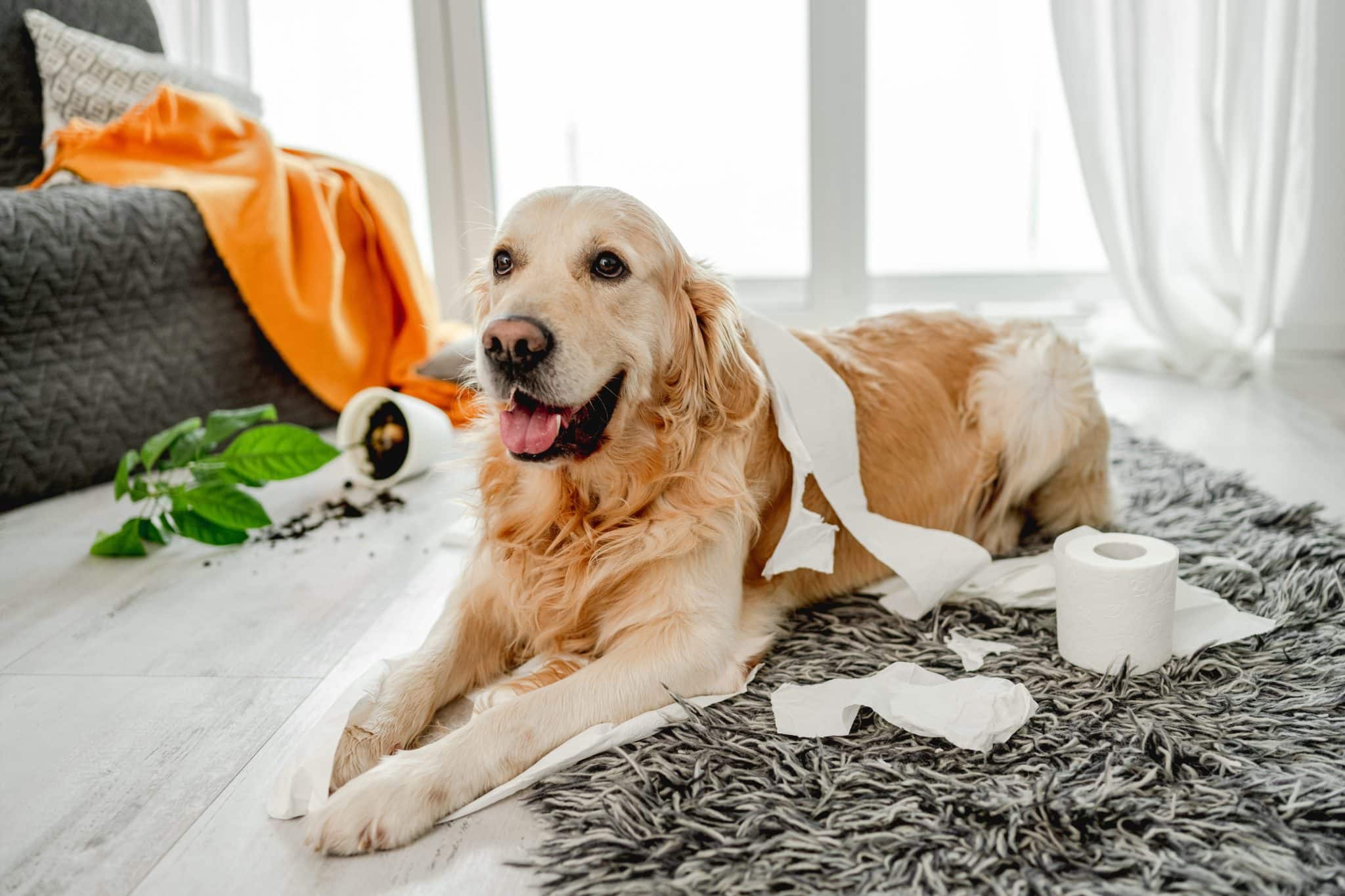
Golden Retriever
 Shutterstock
Golden Retrievers are sociable, eager, and often enthusiastic about food. Their friendly nature may make them more likely to approach guests, linger near the kitchen, or investigate a treat that appears to have been forgotten. A Golden might not look particularly sneaky at first. Instead, it may rely on a sweet expression and a conveniently placed nose to persuade someone that sharing a snack is a perfectly reasonable idea. Because Goldens are generally responsive to positive training, they can learn to leave human food alone when expectations are clear. However, their affectionate manners do not make them immune to temptation. Keep Halloween treats beyond reach, ask guests not to feed the dog, and offer a safe alternative so your friendly companion can join the celebration without raiding the candy supply.
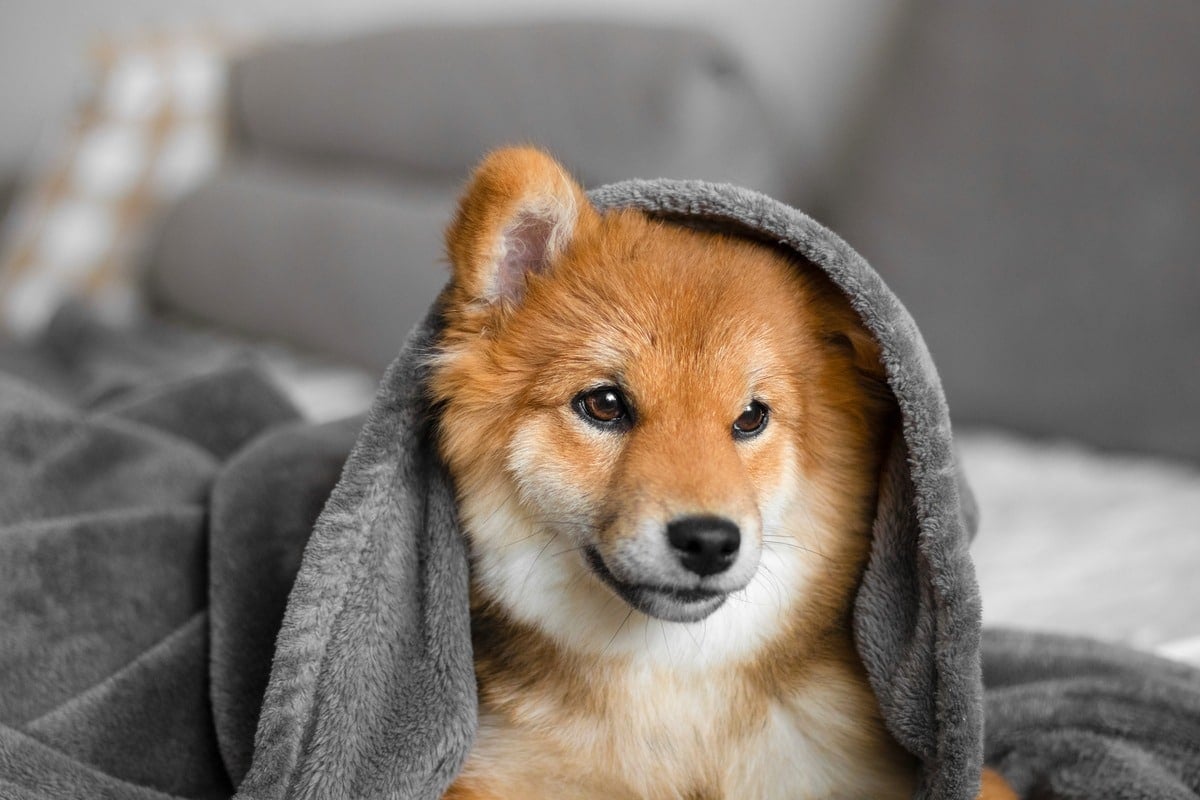
Shiba Inu
 Shutterstock
Shiba Inus are independent, alert dogs with a reputation for doing things on their own terms. Their curious nature can make them keen observers of household routines, and they may investigate new objects without waiting for an invitation. A Shiba Inu that spots an unattended treat could approach cautiously, inspect the situation, and decide whether the opportunity seems worthwhile. Their composed expressions can make their mischief especially entertaining to imagine. Shibas often respond best to consistent, reward-based training that respects their independence while establishing clear limits. Practicing “leave it” and rewarding calm choices can help, but management is still the safest strategy. Store Halloween candy securely and keep wrappers, treat bags, and dropped sweets away from your dog’s curious nose.
The Great Halloween Treat Heist That Never Happened
 Shutterstock
A sneaky dog can turn a small temptation into a memorable Halloween story. Beagles may follow enticing scents, Labs may hope for extra snacks, and clever breeds may investigate every opportunity. Still, the best celebration keeps dogs away from dangerous treats. Store candy securely, supervise guests, and offer dog-safe snacks instead. If your dog eats chocolate, xylitol, raisins, or unknown candy, contact a veterinarian promptly. With thoughtful planning, your furry mischief-maker can enjoy Halloween safely, leaving the candy untouched and its reputation as a clever snack detective completely intact.
This content was created with AI assistance and edited by the iHeartDogs team.















 English (US) ·
 French (CA) ·