

Most gardeners will tell you that, come October, the summer blooms are fading, the leaves are starting to change, and the garden can feel like it’s getting ready for winter. Still, there are plenty of flowers putting on a show... and they’re doing something even more important than brightening up our yards.
Fall-blooming flowers are undeniably beautiful, but they can also provide a valuable source of food for bees, butterflies and other pollinators at a time when fewer flowers are available. For me, that's brilliant news, as I’ve always thought of my garden as more than just a place to grow pretty plants; it’s also a tiny patch of habitat, and choosing flowers that provide nectar and pollen can make that patch a little more useful to the wildlife passing through.
As recent headlines have made all too clear, pollinators face a range of pressures, from habitat loss and pesticide use to climate and weather changes, resulting in some bee species being declared endangered. And, while none of us can solve those problems from our backyard, a few well-chosen plants can turn an ordinary flower bed into a much busier place.
Shop Pollinator Essentials:
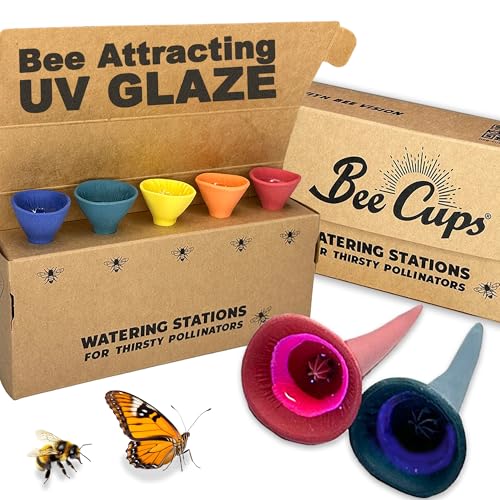
Bee Cups
Bee Watering Station
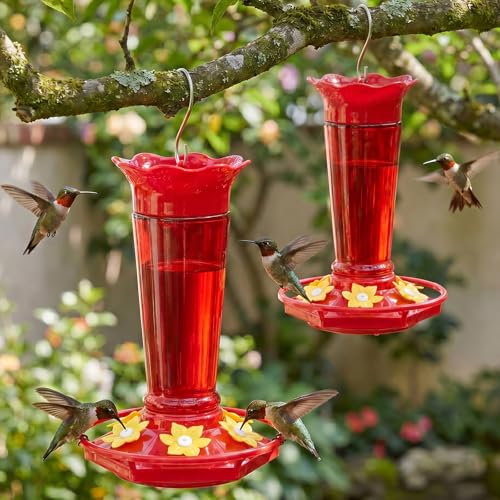
Gbekery
Glass Hummingbird Feeder
Fall is a particularly good time to think about helping the (humming)birds and the bees, and all it takes is a few late-season flowers that keep on going for as long as the weather allows.
So, if you’re looking for flowers that can keep your garden colorful into October (while giving pollinators a reason to stop by), these are seven I’d put at the top of the list. Bloom times will vary depending on the variety and where you live, but all are worth considering for a fall-friendly garden.
1. Japanese Anemone
(Image credit: Steve Taylor ARPS / Alamy)
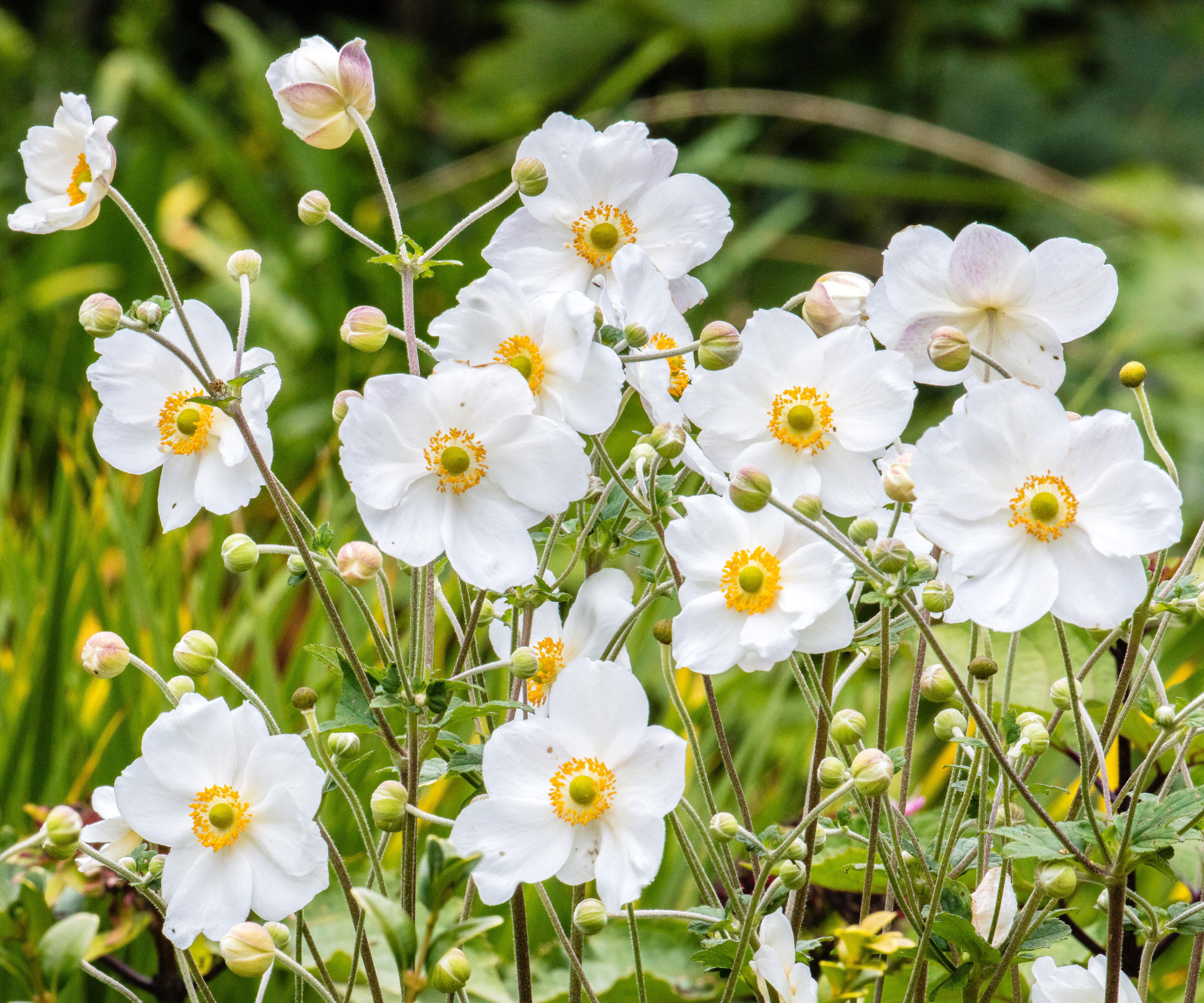
Japanese anemones are one of my favorite ways to add a little elegance to a fall garden, as their delicate-looking pink or white flowers can continue blooming well into October.
They’re especially useful to pollinators because their open flowers make it relatively easy for bees and other insects to reach the pollen and nectar, and I particularly like them planted toward the back of a border, where their tall stems can rise above shorter perennials.
Look for Japanese anemone cultivars suited to your USDA growing zone, as flowering time can vary with climate (although, personally, I love this September Charm Japanese Anemone from Nature Hills). Give them a spot with good light and reasonably well-drained soil, and they can become a reliable part of the late-season garden.
2. Asters
(Image credit: ESOlex / Getty Images)
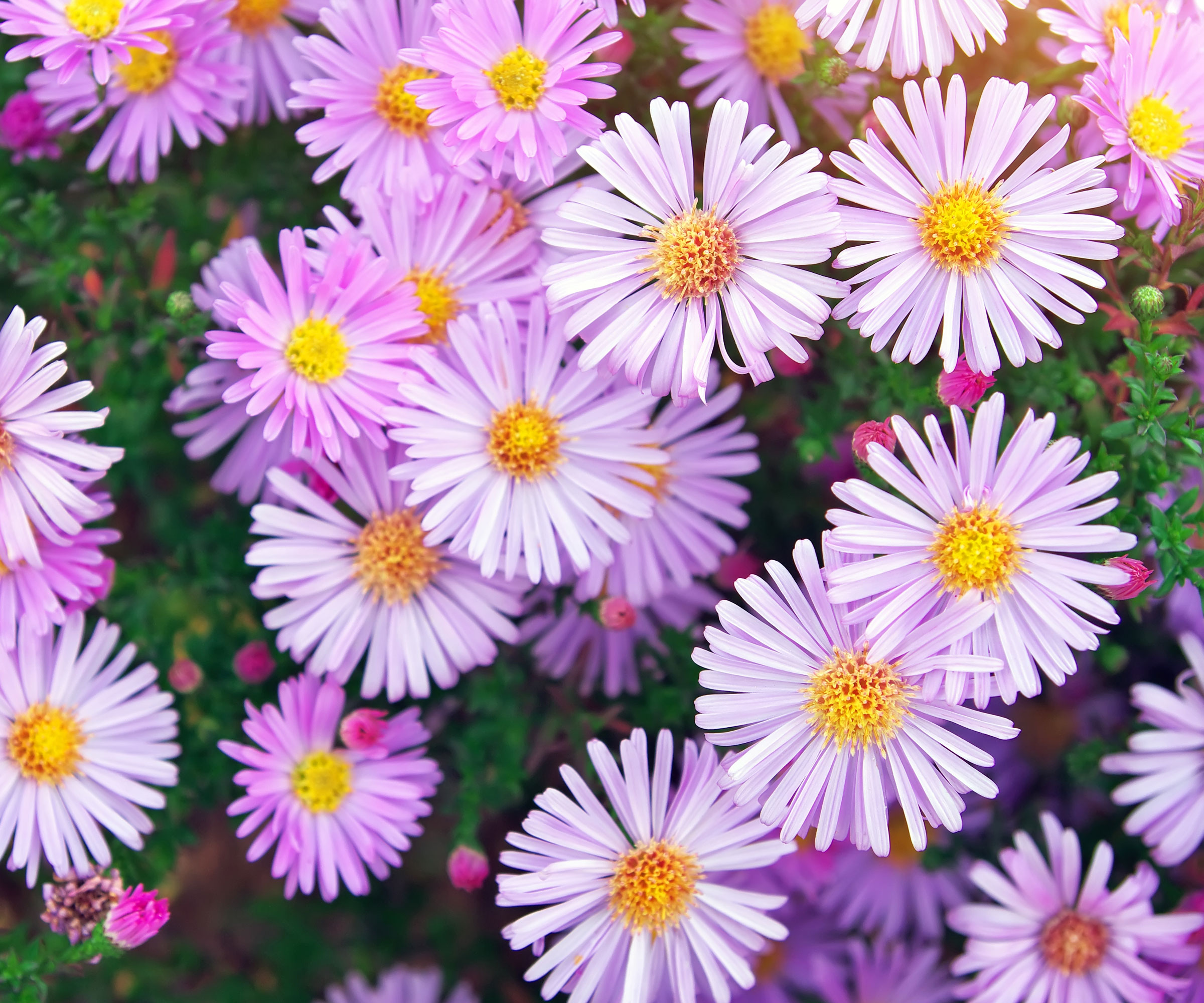
If I had to choose one group of flowers to represent the late-season pollinator garden, asters would be near the top of my list. Their daisy-like flowers can bring a splash of purple, pink, blue or white to your garden come October, when many other plants are fading.
These little beauties are especially valuable in fall because bees and butterflies are still looking for food, while the number of flowering plants available to them is beginning to shrink. And, unsurprisingly, native asters are particularly worthwhile if supporting local wildlife is one of your gardening goals.
Of course, there are many different aster varieties and cultivars available, so check the expected bloom time and mature size before planting. In the right spot, they can provide a spectacular late-season display (especially if you pick something like the vibrant Grape Crush New England Aster from Nature Hills).
3. Goldenrod
(Image credit: KenWiedemann / Getty Images)
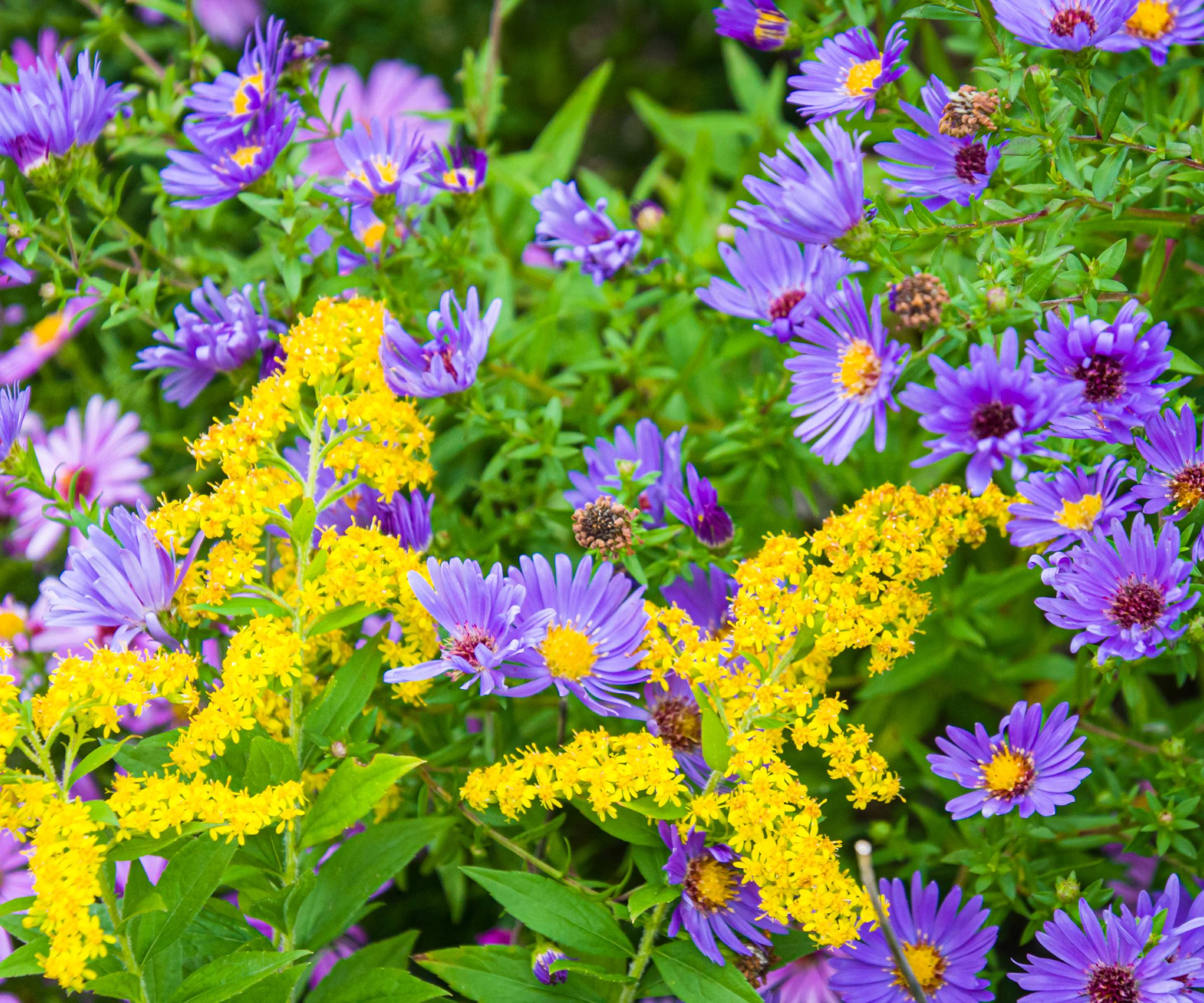
Goldenrod (which just so happens to be the birth month native flower for November babies everywhere, if you're wondering!) is one of those plants I think deserves a much better reputation. Its clouds of yellow flowers are practically synonymous with fall, and they can be absolutely covered in visiting insects when they’re in bloom.
Despite its reputation, goldenrod isn't the main culprit behind fall hay fever — ragweed is much more commonly responsible for those airborne allergies. Goldenrod, meanwhile, is an important source of nectar and pollen for a wide variety of insects.
Native goldenrod species are especially valuable for wildlife. If you have the space for one, it can turn an otherwise quiet corner of the garden into a buzzing little feeding station in late summer and fall (not to mention some eye-popping majesty if you go for something like Fireworks Goldenrod).
4. Zinnias
(Image credit: Carolyn Jenkins / Alamy)
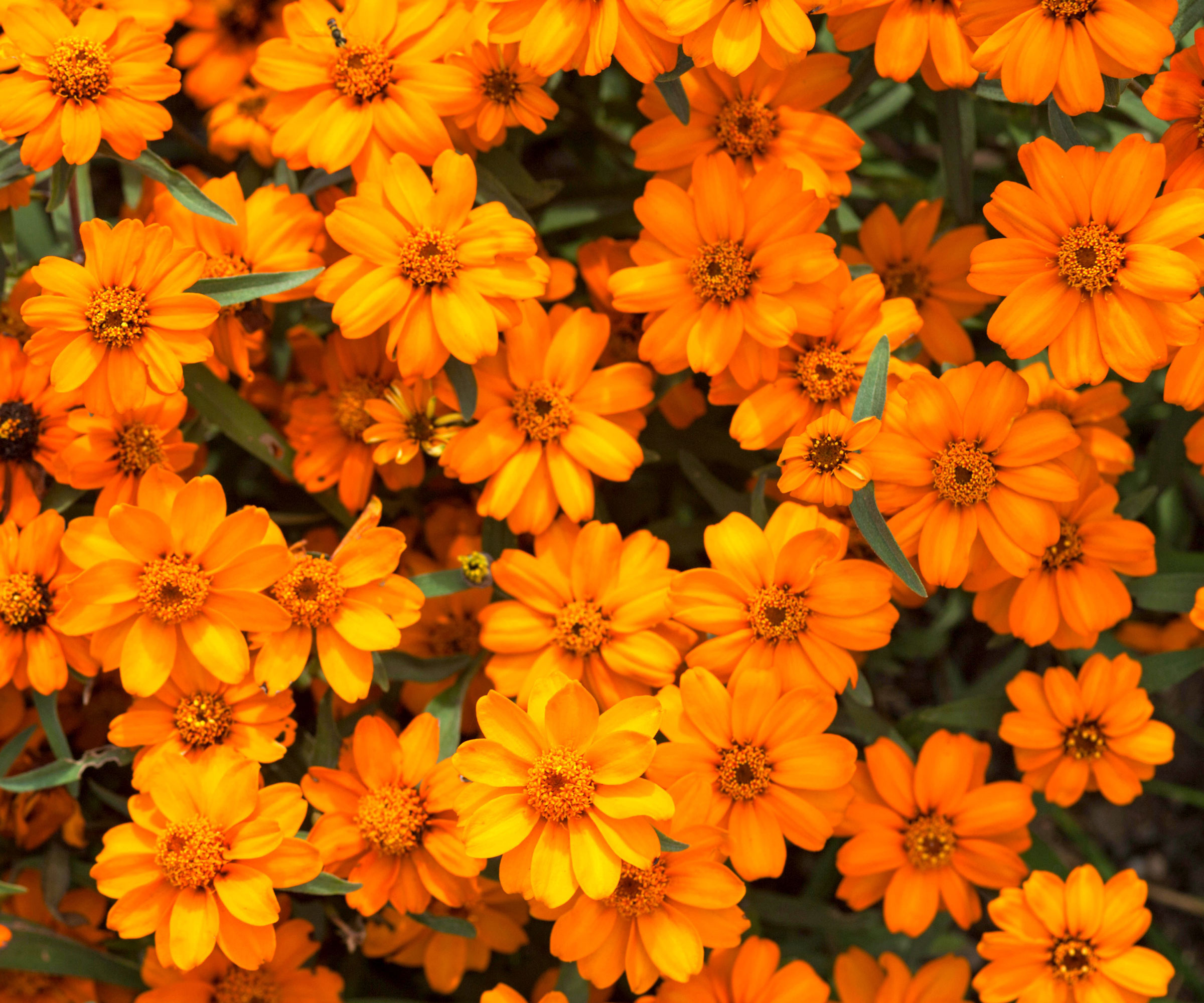
Zinnias are one of my favorite choices when I want maximum color with relatively little fuss, as they come in an almost ridiculous range of colors and flower shapes. Better still, with regular deadheading, many varieties will continue producing flowers well into fall.
They’re also a favorite with butterflies. On a warm October day, it’s not unusual to see butterflies moving from one zinnia flower to the next, while bees make use of the blooms too. Plant something like Burpee's Zesty Mix Zinnia Seeds & Plants in a sunny spot, keep picking or deadheading the flowers, and they can help keep the garden colorful until frost puts an end to the show.
5. Sedum
(Image credit: Diane Helentjaris / Getty Images)
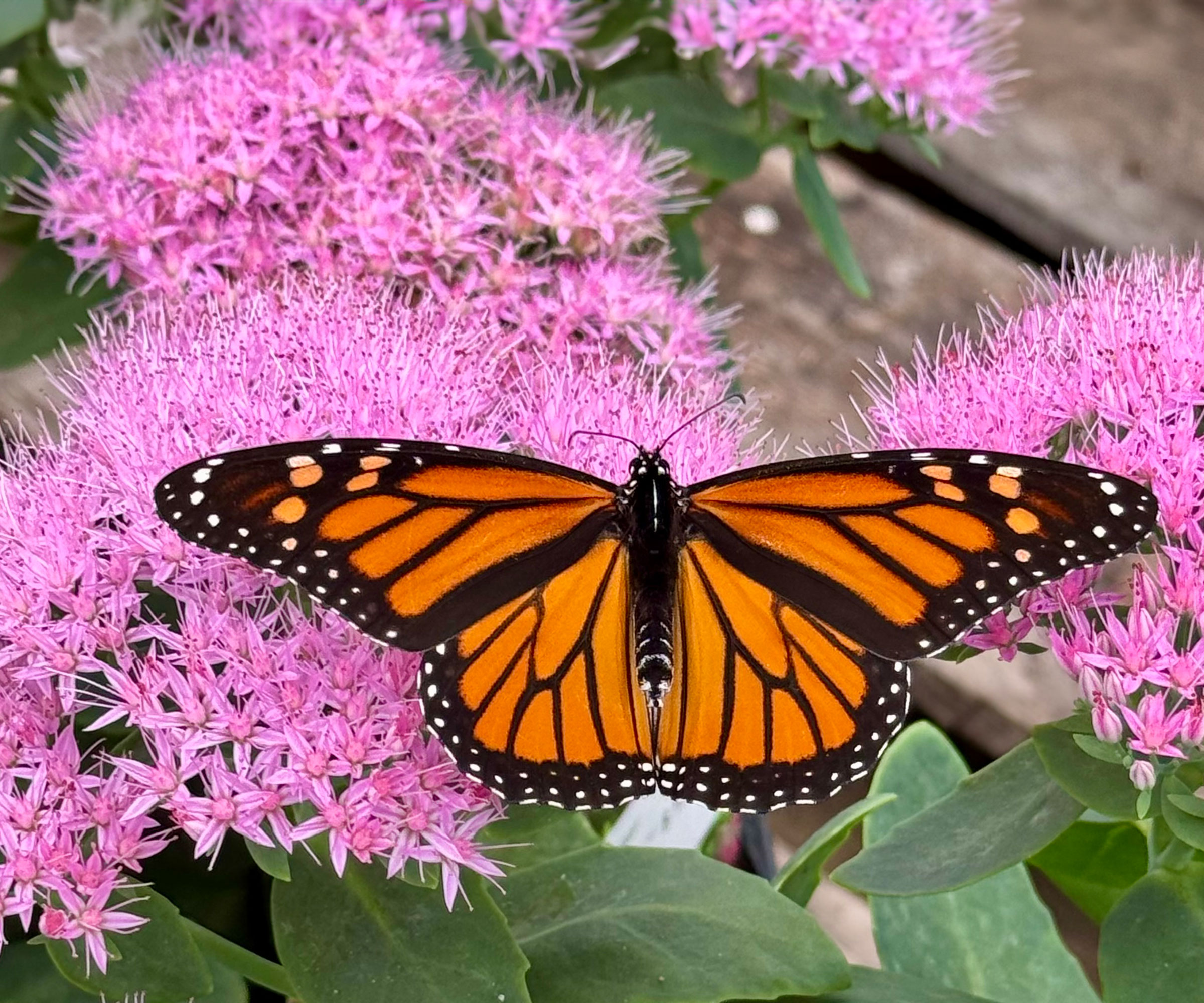
Autumn-blooming sedums are another plant I wouldn’t want to be without. Their dense clusters of tiny flowers open just when the garden is beginning to lose some of its summer color, and the blooms can attract plenty of bees and butterflies.
One of the things I like most about sedum is how easy it is to work into a garden; honestly, it’s generally drought tolerant once established, and the upright varieties add structure as well as late-season color.
Look for autumn-flowering types such as 'Autumn Joy' (available at Nature Hills) and similar cultivars. Their flower heads can start out pale and gradually deepen in color, giving the plant a long season of interest even before winter arrives. Plus, who doesn't love that extra-terrestrial vibe of theirs for added texture and fun, eh?
6. Black-Eyed Susan
(Image credit: Shutterstock)
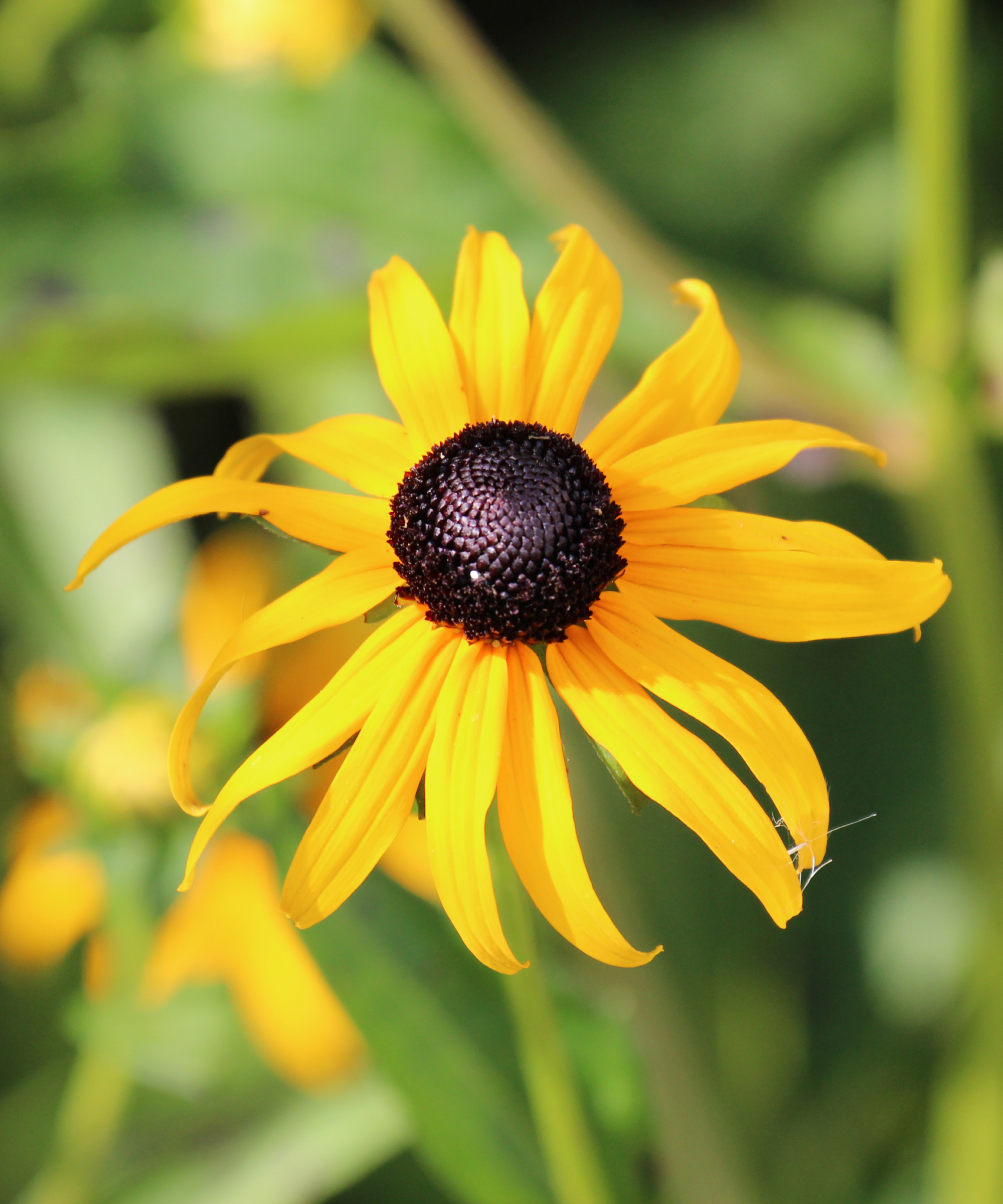
Black-eyed Susans bring a cheerful burst of yellow to the late-summer and fall garden, which has made them somewhat synonymous with October. Their daisy-like flowers, centered around a dark brown cone, are instantly recognizable and work beautifully in informal borders and pollinator gardens.
Depending on the species and cultivar, they can bloom from summer into fall, making them useful for extending the flowering season. Bees and butterflies are among the visitors they can attract, while their seed heads can provide food for birds later in the year.
For the longest possible display, remove spent flowers regularly. If you leave some seed heads standing, though, you can trade a little tidiness for additional wildlife value later in the season. And, if you plump for something like Prairie Glow Black-Eyed Susan from Nature Hills, you get bicolored blooms that make people stop and take notice.
7. Mexican Bush Sage
(Image credit: Getty Images)
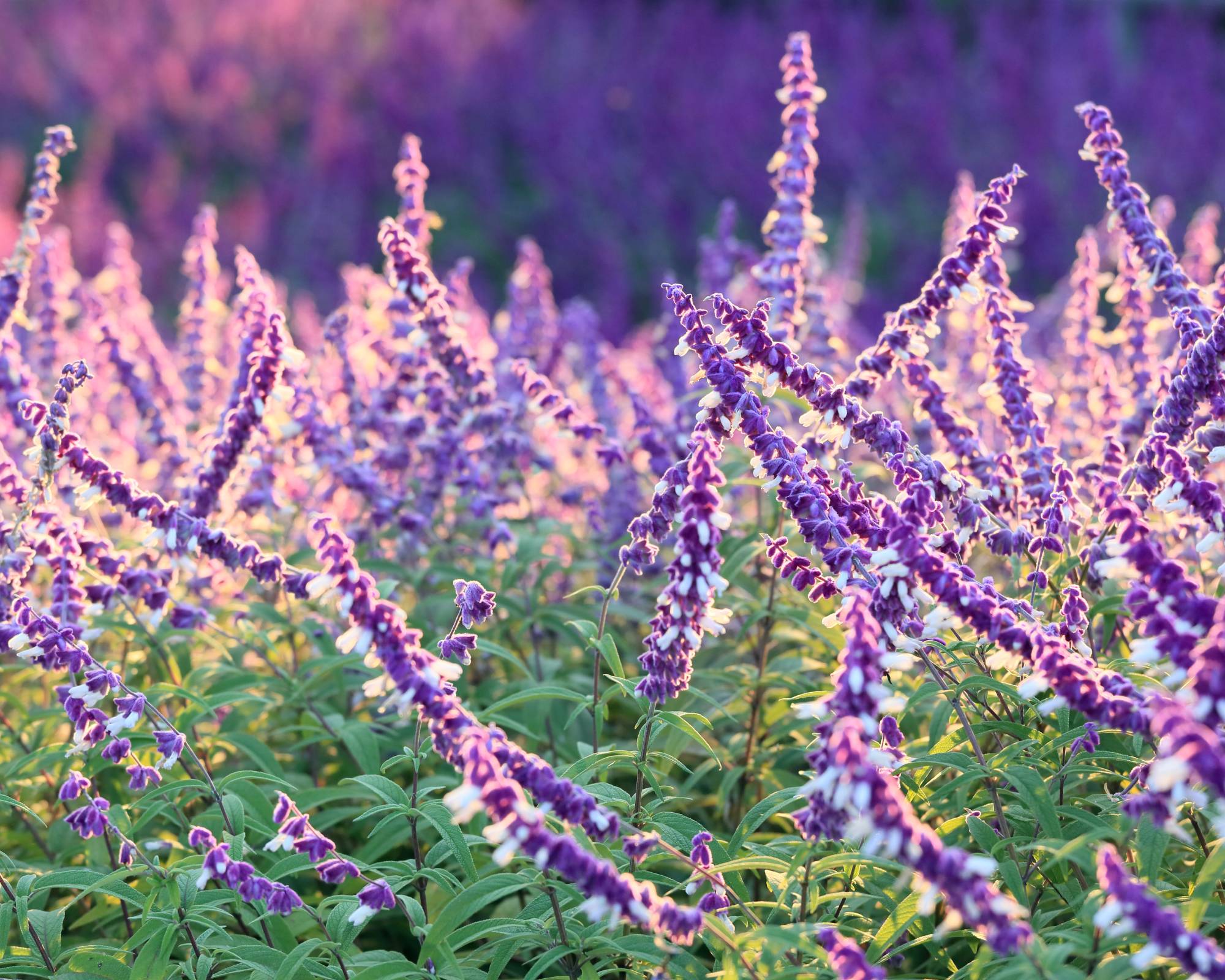
Mexican bush sage is a particularly good choice for gardeners in warmer parts of the U.S, as its velvety foliage and spikes of purple-and-white flowers can provide a spectacular late-season display, with flowering often continuing into October.
The tubular flowers are attractive to bees, butterflies and other nectar-seeking insects, and the plant can be especially useful when other flowers are beginning to disappear. That being said, it's worth noting that Mexican bush sage isn't hardy everywhere in the country. In colder climates, it's often grown as an annual or overwintered indoors, while gardeners in warmer zones can enjoy it as a perennial.
If your climate allows it,, it's a beautiful way to keep the fall garden buzzing. And it's easily done, too, as you can buy Mexican Sage Salvia Live Plants from Walmart.
And just like that, you have some serious MVP plants for a pollinator-friendly garden in October. Time to get planting, then...















 English (US) ·
  French (CA) ·