

 1 day ago
13
PROTECT YOUR DNA WITH QUANTUM TECHNOLOGY
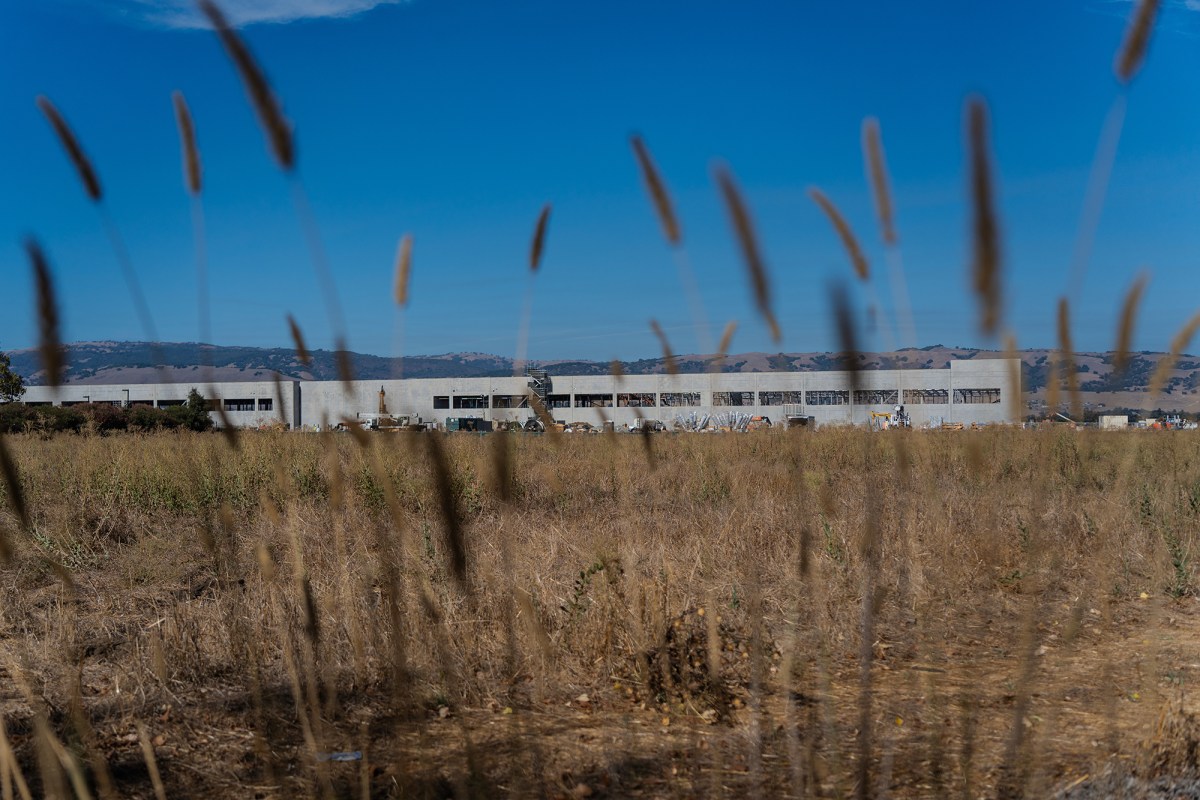
Orgo-Life the new way to the future Advertising by AdpathwayA Lexington-based startup has proposed building up to six nuclear reactors along the Ohio River in Lewis County, Kentucky, a state that has never had a commercial nuclear power plant. The Nuclear Company says its Prosperity One campus near Vanceburg, at a site called Carrs Bottom, would start with two Westinghouse AP1000 units and aim to begin construction in 2028, according to World Nuclear News.
If all six units were built, the site would produce about 6.6 gigawatts and surpass Georgia's four-unit Vogtle plant, now the largest U.S. nuclear station at about 4,567 megawatts. That is a big if. The project is a proposal, not an approved plant, and it has no federal license, no announced financing, and no public grid-connection agreement, the American Nuclear Society reported.
For residents of northeastern Kentucky and nearby Ohio, the stakes are practical. A project this size would bring construction jobs, a larger tax base and decades of operations work to a county that has long had one of the state's highest unemployment rates. It would also bring emergency planning zones, heavy truck traffic, new demands on Ohio River water and years of regulatory hearings.
A Proposal Built on Rising Power Demand
The company has not named any customers or said who would buy the power. The broader market pressure is clear, though. PJM Interconnection, the grid operator for 13 states and Washington, D.C., expects its summer peak demand to rise by about 85,000 megawatts over 15 years to more than 241,000 megawatts, according to its January 2026 forecast reported by POWER magazine.
Data center development, much of it tied to artificial intelligence, was a factor in 14 of the 15 transmission zones where PJM adjusted its forecast. One of those is American Electric Power's zone, which includes eastern Kentucky. Kevin Cornette, executive director of the Buffalo Trace Area Development District, told the Kentucky Lantern that developer interest in Ohio River land, including proposed gas plants and hyperscale data centers across the river in Ohio, helped prompt the county's nuclear-ready effort.
The Nuclear Company's chief nuclear officer, Joe Klecha, framed the project as a return to the region's roots. "For generations, communities along the Ohio River have formed America's industrial backbone," he said in the company's announcement.
Years of Licensing Before Any Concrete Is Poured
Kentucky lifted its long-standing moratorium on new nuclear plants in 2017 through Senate Bill 11. In 2024, lawmakers created the Kentucky Nuclear Energy Development Authority over Gov. Andy Beshear's veto, and that agency now runs the "nuclear-ready community" designation Lewis County is seeking. The Vanceburg city council passed a supporting resolution on Oct. 10, a final local step before the county's application.
The federal hurdles are much larger. The U.S. Nuclear Regulatory Commission must review and license the site and the reactors before construction can begin, a process that typically takes years and includes environmental review and public hearings. The NRC recently renewed the AP1000 design certification, but that approves the reactor design, not this project.
Before licensing, the company must complete site characterization, geotechnical drilling, environmental assessments, and transmission planning. It must also prepare emergency plans and answer questions about housing, roads, and water use, according to World Nuclear News. Eric King, executive director of Kentucky's Energy Planning and Inventory Commission, welcomed the interest but said "the devil will be in the details," in comments to Spectrum News.
The Vogtle Lesson on Cost and Time
The last two reactors built in the U.S., Vogtle Units 3 and 4 in Georgia, use the same AP1000 design. They entered service in 2023 and 2024 after seven years of delays and about $17 billion in cost overruns, according to the Associated Press figures cited by the Kentucky Lantern. Georgia Power customers have seen those costs reflected in their rates.
The Nuclear Company says it was founded to tackle exactly those problems, and Klecha held construction and operational-readiness roles at Vogtle. The company has not released a cost estimate, financing plan, or ownership structure for Prosperity One. Its CEO, Jonathan Webb, previously led AppHarvest, an indoor-farming company that filed for Chapter 11 bankruptcy, the Kentucky Lantern noted.
Who ultimately pays matters to households. If a regulated utility buys the power or a share of the plant, costs and risks could flow into electric rates through the Kentucky Public Service Commission. If tech companies sign private contracts, ratepayers may carry less risk. None of those arrangements has been announced.
Lewis County Residents Weigh Jobs Against Speed
Local reaction is mixed. Vanceburg Mayor Joseph Billman supports the project and has said it would bring both jobs and new residents. Landowner Sam Howard, who owns the land and partners with the company, has said he wants his grandchildren to be able to stay in the county.
Others want more time — and more information. Some residents have raised concerns about nuclear safety, the project's proximity to schools, and how quickly the plan advanced before the public learned of it, according to the Kentucky Lantern. Richard Walje, the lone no vote on the Vanceburg resolution, said "It needs to be slowed drastically, in my view."
For now, residents do not need to take any action. Those who want a say can watch for county and city meetings on the nuclear-ready application and, later, for NRC public comment periods, which are posted in the Federal Register. Questions about future electric rates belong with local utilities and the Public Service Commission once any power-purchase plans are filed.
The next milestones are the state's decision on Lewis County's nuclear-ready application and any NRC pre-application filings from the company. The bottom line is that Kentucky now has a concrete nuclear proposal tied to the region's growing power demand — but it remains years and billions of dollars away from producing electricity, and the key questions about cost, financing, and who buys the power are still unanswered.
What Readers Want to Know
What is being proposed?
The Nuclear Company proposes Prosperity One, a campus of up to six Westinghouse AP1000 reactors near Vanceburg in Lewis County, Kentucky, starting with two units.
Has the plant been approved?
No. It has no NRC license, and financing, owners, and a grid-connection agreement have not been announced.
When could construction start?
The company targets 2028, but that depends on completing site studies and federal and state reviews.
Would it be the largest nuclear plant in the U.S.?
If all six units were built, its roughly 6.6 gigawatts would exceed Georgia's Vogtle plant at about 4,567 megawatts.
Is the plant tied to AI data centers?
The company has not named customers. Regional power demand, driven in part by data centers, is rising sharply, and data center interest along the Ohio River helped prompt local planning.
Could it affect electric bills?
It depends on who buys the power and how costs are shared. No purchase agreements or rate filings have been announced.
How can residents weigh in?
Watch for county and city meetings and, later, NRC public comment periods posted in the Federal Register.
© 2026 NatureWorldNews.com All rights reserved. Do not reproduce without permission.




















 English (US) ·
 French (CA) ·