

 2 hours ago
6
PROTECT YOUR DNA WITH QUANTUM TECHNOLOGY
Orgo-Life the new way to the future Advertising by AdpathwayIn a controlled laboratory evaluation using an animal model, exposure to aluminum phosphide induced simultaneous systemic inflammation, cellular injury, genotoxicity, apoptosis, and multiorgan histopathological damage across lung, liver, and kidney tissues in male Wistar rats. The investigation demonstrated that the severity and specific pathological manifestations of these toxic effects were significantly influenced by both the administered dosage and the exposure pattern. Aluminum phosphide is a widely utilized pesticide known to release highly toxic phosphine gas upon contact with environmental moisture, resulting in severe poisoning characterized by a high mortality rate and an absence of any specific antidote.
To assess the multifaceted toxicological profile associated with different exposure regimens, researchers evaluated thirty-two adult male Wistar rats. The experimental animals were randomly distributed into four distinct cohorts designed to compare varying dosages and timing intervals. One cohort served as the vehicle control group, while the three active exposure cohorts received aluminum phosphide formulations administered by oral gavage. The low-dose acute exposure group received a single dose of two milligrams per kilogram, whereas the low-dose subacute group received two milligrams per kilogram administered in three separate doses spaced across twenty-four-hour intervals. The fourth cohort represented a high-dose acute regimen receiving a single dose of three milligrams per kilogram.
Following the completion of the respective exposure protocols, experimental procedures were initiated twenty-four hours after the administration of the final dose. The animals were deeply anesthetized using an intraperitoneal combination of ketamine at eighty milligrams per kilogram and xylazine at ten milligrams per kilogram. After confirming the establishment of deep anesthesia, the investigators performed exsanguination via cardiac puncture to obtain essential biological specimens. Whole blood samples were collected specifically to conduct assessments of cellular genotoxicity and apoptosis-associated nuclear alterations, while serum samples were isolated to measure biochemical markers governing oxidative stress, antioxidant defenses, and inflammatory pathways.
Biochemical evaluations of the collected serum demonstrated that aluminum phosphide administration triggered extensive oxidative stress paired with a concurrent depletion of endogenous antioxidant defenses. The researchers documented elevated levels of malondialdehyde and total oxidant status, alongside significant reductions in total antioxidant capacity, reduced glutathione, and catalase activity. Concurrently, the exposure regimens provoked marked systemic inflammation, evidenced by elevated circulating levels of interleukin-6 and tumor necrosis factor-alpha. Indicators of cellular injury were likewise pronounced, as demonstrated by measurable increases in circulating lactate dehydrogenase across the exposed animal cohorts.
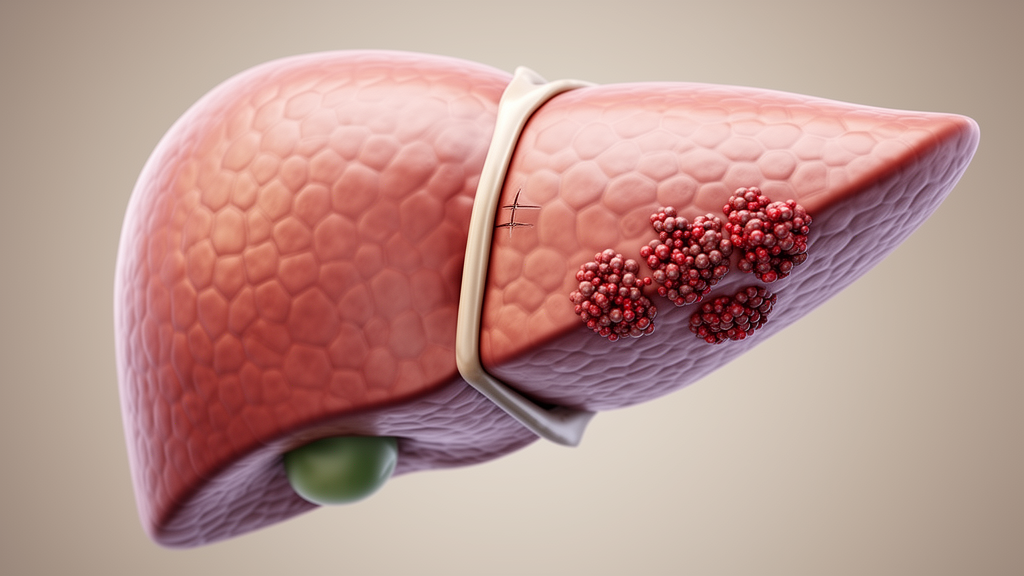
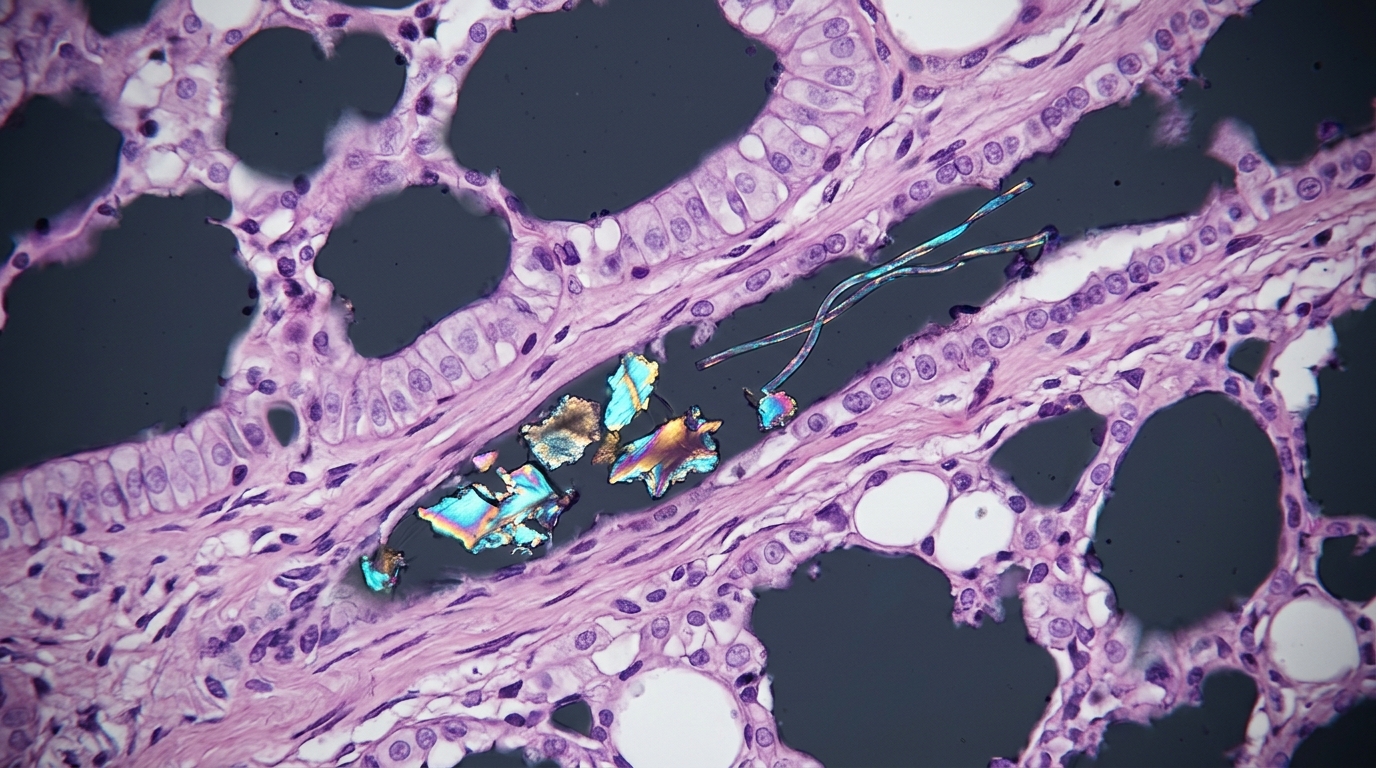
In addition to circulating biochemical disruptions, toxicological testing on whole blood confirmed the induction of cellular genotoxicity and apoptosis. Subsequent sacrifice of the experimental animals permitted the harvesting of internal organ specimens, including lung, liver, and kidney tissues, for detailed histopathological examination. Microscopic evaluation revealed extensive structural damage spanning all three harvested vital organs. The severity of cellular injury, nuclear alterations, and tissue-level pathology varied noticeably across the differing dosing schedules, underscoring that both acute concentration thresholds and repeated subacute administration patterns dictate the overall burden of phosphine-induced tissue damage.
The authors concluded that the findings provide comprehensive evidence of the multifaceted toxicity exerted by aluminum phosphide, illuminating the complex interplay between dose magnitude, administration timing, and systemic pathology. Because aluminum phosphide poisoning presents a notoriously lethal clinical trajectory without an established antidote, detailing how distinct exposure regimens affect oxidative stress, inflammation, and organ injury is essential. The researchers noted that clarifying these pathophysiological pathways establishes a foundational framework necessary for developing targeted therapeutic strategies to counteract the lethal mechanisms of phosphine toxicity.
Subject of Research: Toxicological effects of aluminum phosphide exposure regimens in rats
Article Title: Assessment of oxidative stress, genotoxicity, apoptosis-associated nuclear alterations, and multiorgan histopathological injury in rats exposed to different aluminum phosphide exposure regimens
Article References: Mohammadi, Y., Alizadeh, S., Sarab, H. A., Sadri, F., Babaei, M., Sarab, G. A., & Bahreini, E. (2026). Assessment of oxidative stress, genotoxicity, apoptosis-associated nuclear alterations, and multiorgan histopathological injury in rats exposed to different aluminum phosphide exposure regimens. BMC Pharmacology and Toxicology. https://doi.org/10.1186/s40360-026-01286-x
Image Credits: AI Generated
DOI: 10.1186/s40360-026-01286-x
Keywords: aluminum phosphide, phosphine gas, oxidative stress, genotoxicity, apoptosis, multiorgan injury, rat model, malondialdehyde, total oxidant status, total antioxidant capacity, glutathione, catalase, interleukin-6, tumor necrosis factor-alpha, lactate dehydrogenase, histopathology, toxicology


















 English (US) ·
 French (CA) ·