

 3 months ago
51
3 months ago
51
PROTECT YOUR DNA WITH QUANTUM TECHNOLOGY
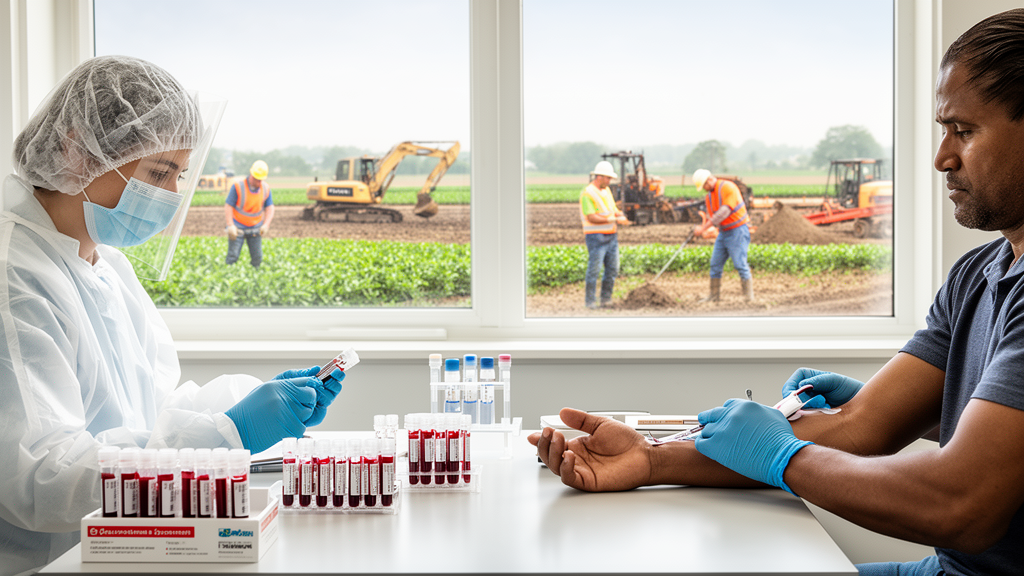
Orgo-Life the new way to the future Advertising by AdpathwayA new study published in J Expo Sci Environ Epidemiol argues that human biomonitoring can provide a far more direct picture of chemical exposure after an industrial accident than relying on environmental measurements alone. The work, led by Pécheux, Tagne-Fotso, Garnier and colleagues, focuses on how biomarkers—substances measured in blood or urine—can reflect what people actually absorb, metabolize, and retain following acute releases of hazardous compounds.
Industrial incidents often generate complex exposure scenarios. Pollutants may disperse unpredictably, degrade in air and water, or interact with other chemicals. As a result, even well-designed monitoring networks can miss the exposure routes that matter most for individuals, such as inhalation of contaminated aerosols, contact with contaminated surfaces, or ingestion through local food and water.
The authors describe biomonitoring as a practical approach for connecting incident emissions to human outcomes. By selecting relevant biomarkers and tracking them over time, researchers can estimate internal doses rather than simply documenting external concentrations. This distinction is central to exposure science: internal biomarkers can incorporate variability in breathing rates, skin permeability, metabolic capacity, and personal behavior during the event.
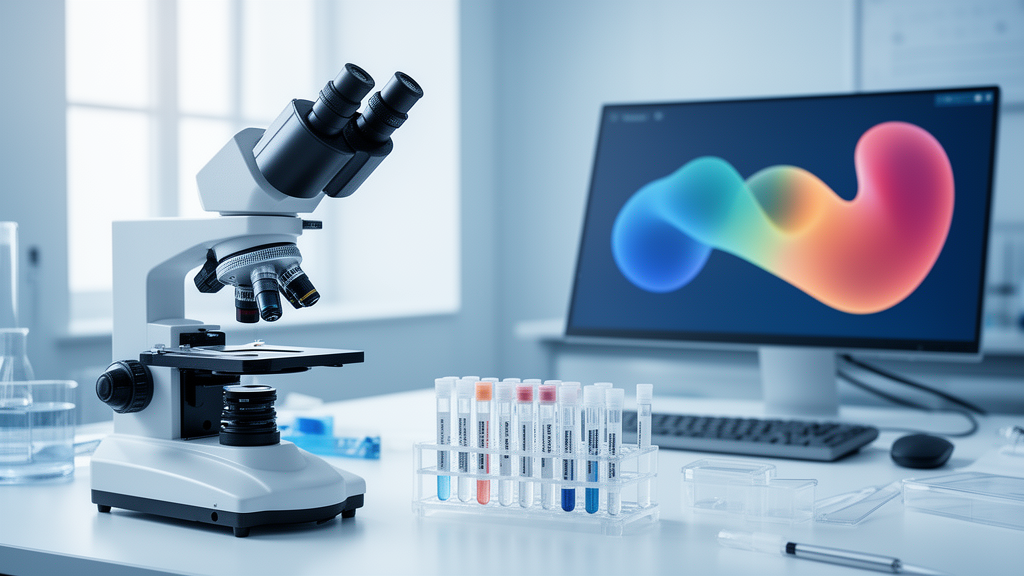
Technically, the study emphasizes the need for careful biomarker selection and timing. Some markers represent the parent compound, while others capture metabolites that may peak earlier or persist longer. The analytical workflow typically involves sensitive laboratory measurement—often using advanced chromatographic and mass-spectrometric methods—to quantify low levels of chemicals in biological samples with strict quality controls.
Equally important is interpretation. Biomarker concentrations must be considered alongside pre-incident baseline levels, potential background exposures, and uncertainty in toxicokinetic parameters. The researchers argue that robust study design—including informed consent, chain-of-custody procedures, and statistical strategies to manage missing data—is essential for producing credible results that can inform public health decisions.
The study also highlights implementation challenges. Biomonitoring requires rapid mobilization, standardized protocols across sites, and coordination between clinicians, toxicologists, and emergency response teams. Without consistent sampling and laboratory methods, comparisons across time points and affected subgroups can become unreliable.
Despite these hurdles, the researchers conclude that human biomonitoring can strengthen emergency preparedness by enabling earlier risk assessment, targeted medical follow-up, and more accurate evaluation of exposure reduction measures. In the wake of industrial accidents, the approach may help translate chemical releases into human-relevant evidence.
In a field increasingly shaped by precision measurement, the paper positions biomarkers as a bridge between environmental monitoring and real-world health protection—delivering “viral” impact potential for rapid, data-driven response.
Subject of Research: Human biomonitoring to assess chemical exposures following an industrial accident.
Article Title: Relevance and implementation of human biomonitoring to assess the chemical exposures following an industrial accident.
Article References: Pécheux, M., Tagne-Fotso, R., Garnier, R. et al. Relevance and implementation of human biomonitoring to assess the chemical exposures following an industrial accident. J Expo Sci Environ Epidemiol (2026). https://doi.org/10.1038/s41370-026-00951-x
Image Credits: AI Generated
DOI: 10.1038/s41370-026-00951-x
Keywords:
Tags: acute chemical exposure monitoring techniquesbiomarker selection and timing in exposure sciencebiomarkers for hazardous substance exposurecomplex chemical exposure scenariosenvironmental pollutant dispersion and human healthexposure routes in industrial incidentshuman biomonitoring in environmental epidemiologyindustrial accident chemical exposure assessmentinternal dose measurement after chemical releaseslimitations of environmental measurements in exposure assessmentlinking emissions to human health outcomesrelevance of blood and urine biomarkers in toxicology















 English (US) ·
  French (CA) ·