

 3 days ago
19
3 days ago
19
- 10 Best Mediterranean Cruise Ports You Should Visit at Least Once
- 1. Barcelona, Spain
- 2. Rome, Italy, via Civitavecchia
- 3. Santorini, Greece
- 4. Athens, Greece, via Piraeus
- 5. Dubrovnik, Croatia
- 6. Naples, Italy
- 7. Valletta, Malta
- 8. Kotor, Montenegro
- 9. Istanbul, Türkiye
- 10. La Spezia, Italy
- How to Choose the Right Mediterranean Cruise Ports
- Mediterranean Cruise Port Tips
- Best Mediterranean Cruise Ports: Final Thoughts
- Frequently Asked Questions About Mediterranean Cruise Ports
- 1. What are the best Mediterranean cruise ports to visit?
- 2. What is the best Mediterranean cruise itinerary for first-time cruisers?
- 3. How many days do you need for a Mediterranean cruise?
- 4. Is Rome easy to visit from a Mediterranean cruise ship?
- 5. Is Santorini worth visiting on a Mediterranean cruise?
- 6. Which Mediterranean cruise ports are best for food lovers?
- 7. What should I do if my Mediterranean cruise port is far from the city?
- 8. Which Mediterranean cruise ports are best for photography?
- 9. Should I book cruise excursions or explore Mediterranean ports independently?
- 10. What should I consider when choosing a Mediterranean cruise itinerary?
A Mediterranean cruise gives you the chance to experience several countries on one trip, often within a single week or two. You can explore ancient ruins in Greece and Italy, walk through medieval cities in Croatia and Montenegro, admire Gaudí’s architecture in Barcelona, and enjoy coastal scenery across the Mediterranean.

Best Mediterranean Cruise Ports You Should Not Miss
Choosing the right ports matters because cruise days usually give you only several hours ashore. Some ports place you close to the historic center, while others require a train, shuttle, taxi, or organized excursion to reach the main attractions.
Here are the Mediterranean cruise ports you should consider for your next European cruise.
1. Barcelona, Spain
 La Sagrada Familia in Barcelona
Barcelona is one of the most popular starting points for Mediterranean cruises and offers plenty to see before or after your sailing.
The city combines architecture, food, beaches, museums, and historic neighborhoods. Antoni Gaudí’s Sagrada Família and Park Güell are among the city’s most recognizable attractions, while the Gothic Quarter offers narrow streets, historic buildings, shops, and restaurants.
If your cruise begins or ends in Barcelona, consider arriving one or two days early. A few extra days give you more time to explore the city without rushing.
For a short port visit, focus on two or three attractions rather than trying to cover the entire city.
Don’t miss: Sagrada Família, Park Güell, Gothic Quarter, La Boqueria, Passeig de Gràcia.
Best for: Architecture, food, shopping, culture, and first-time Mediterranean cruisers.
2. Rome, Italy, via Civitavecchia
 Ancient Colosseum in Rome, Italy
Rome is one of the most exciting destinations associated with a Mediterranean cruise, but it requires careful planning.
Cruise ships generally call at Civitavecchia, located outside central Rome. You need to account for transportation time when planning your shore excursion.
Once in Rome, you can visit the Colosseum, the Roman Forum, the Trevi Fountain, the Pantheon, and Vatican City. Trying to see everything during one port day can leave you spending most of your time in transit.
Choose your priorities before leaving the ship. If this is your first visit, focus on the landmarks that matter most to you and leave enough time to return to Civitavecchia.
Don’t miss: the Colosseum, the Roman Forum, the Trevi Fountain, the Pantheon, and the Vatican Museums.
Best for: Ancient history, architecture, art, and food.
3. Santorini, Greece
 Oia Village in Santorini
Santorini remains one of the Mediterranean’s most recognizable cruise destinations.
The island is famous for its volcanic caldera, whitewashed villages, blue-domed churches, cliffside views, and sunsets. Fira and Oia are the two places most visitors associate with Santorini, although the island also offers archaeological sites, wineries, beaches, and smaller villages.
Cruise passengers should pay attention to the logistics. Santorini commonly operates as a tender port, meaning passengers transfer from the ship to shore by smaller boats. This can affect how much time you actually have on the island.
Plan your day around the time you have available rather than trying to visit every corner of Santorini.
Don’t miss: Fira, Oia, caldera views, local wineries, Akrotiri.
Best for: Scenic views, photography, Greek island culture, and couples.
4. Athens, Greece, via Piraeus
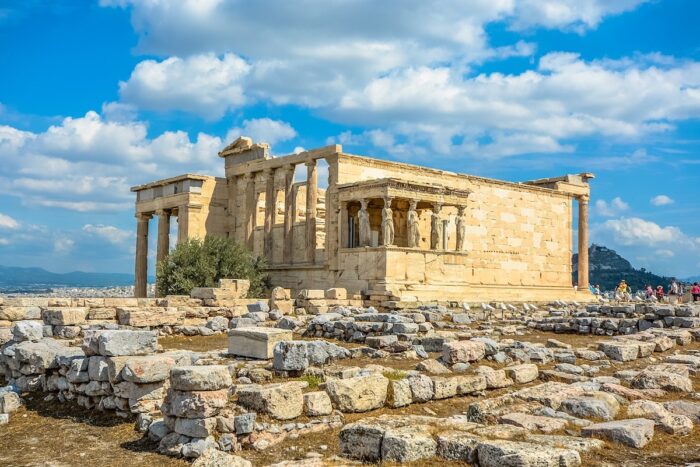 Athens Acropolis Walking Tour
Athens connects a Mediterranean cruise with thousands of years of Greek history.
Ships generally dock at Piraeus, the major port serving Athens. From there, travelers can head to the Acropolis, the Parthenon, the Acropolis Museum, Plaka, and other historic sites.
The Acropolis should be high on your itinerary if you are visiting Athens for the first time. Allow enough time for transportation between Piraeus and central Athens, especially during busy cruise days.
Athens also works well for travelers who want to combine sightseeing with Greek food. After visiting the major archaeological sites, explore Plaka or another central neighborhood for a meal before returning to the ship.
Don’t miss: the Acropolis, the Parthenon, the Acropolis Museum, Plaka, and the Ancient Agora.
Best for: Ancient history, archaeology, museums, and Greek cuisine.
5. Dubrovnik, Croatia
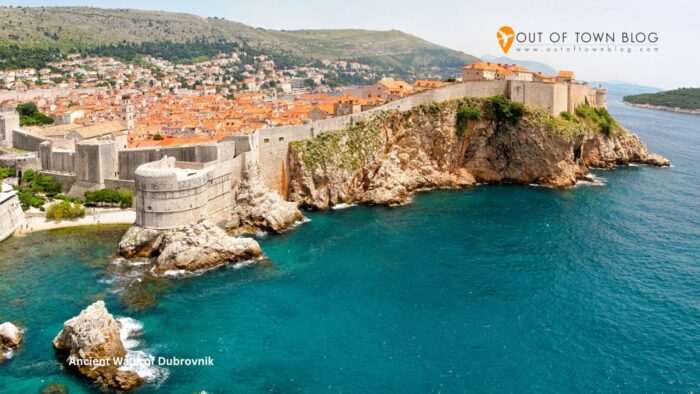 Ancient Walls of Dubrovnik
Dubrovnik offers one of the most distinctive port experiences in the Adriatic.
The historic city is surrounded by massive stone walls and overlooks the Adriatic Sea. Inside the Old Town, you can walk along Stradun, visit historic churches and palaces, and explore narrow streets filled with shops and restaurants.
A walk along the city walls offers panoramic views of the Old Town and coastline. Depending on your cruise schedule and crowd levels, you can combine the walls with a relaxed exploration of the historic center.
Don’t miss: Dubrovnik Old Town, city walls, Stradun, Rector’s Palace, Fort Lovrijenac.
Best for: Medieval architecture, history, photography, and coastal scenery.
6. Naples, Italy
 Naples Italy
Naples offers several ways to spend a day on a cruise.
You can stay in Naples and explore its historic center, museums, churches, and famous pizza scene. Alternatively, use the port as a gateway to nearby destinations such as Pompeii, Sorrento, Capri, or the Amalfi Coast.
Pompeii is particularly convenient for travelers interested in archaeology and Roman history. If you have visited Naples before, you may prefer a coastal excursion or another nearby destination.
Choose one main excursion rather than attempting Pompeii, Capri, and the Amalfi Coast in a single port day.
Don’t miss: Naples’ historic center, Pompeii, the National Archaeological Museum, Capri, and Sorrento.
Best for: Food, archaeology, history, and coastal excursions.
7. Valletta, Malta
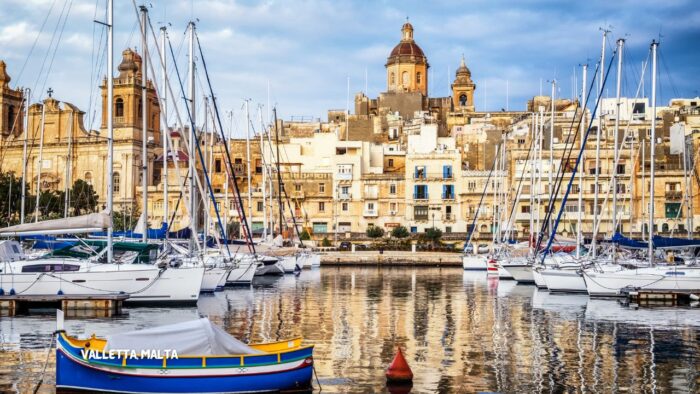 Valletta, Malta
Valletta packs centuries of history into a compact capital city.
The Maltese capital is particularly convenient for cruise passengers because many major attractions are accessible within the historic city. You can walk through its streets, visit St. John’s Co-Cathedral, explore museums, and enjoy views of the Grand Harbor.
Valletta is also a good option for travelers who prefer independent exploration instead of spending the entire day on a long organized excursion.
Don’t miss: St. John’s Co-Cathedral, Upper Barrakka Gardens, Grand Harbor, Strait Street.
Best for: History, architecture, walking tours, and independent travelers.
8. Kotor, Montenegro
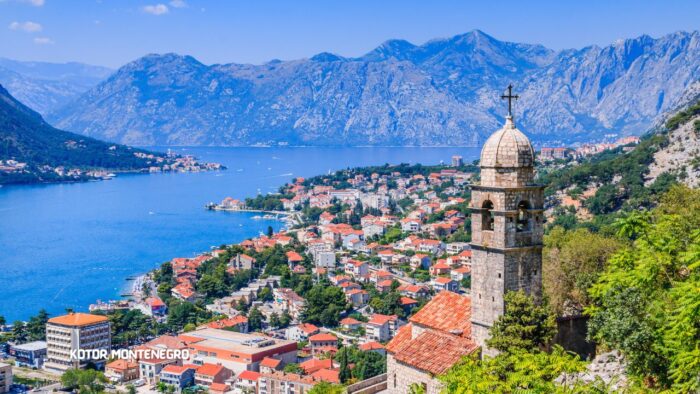 Kotor, Montenegro
Kotor is one of the most visually dramatic destinations in the Adriatic.
The historic town sits within the spectacular Bay of Kotor, surrounded by steep mountains. Its compact Old Town makes it possible to explore several attractions without spending the entire day traveling between destinations.
Walk through the medieval streets, visit St. Tryphon Cathedral, and explore the old fortifications if your fitness level and schedule allow.
Kotor can also serve as a tender port on some itineraries, so check your cruise schedule and allow extra time to disembark.
Don’t miss: Kotor Old Town, the Bay of Kotor, St. Tryphon Cathedral, the city walls, and the fortress.
Best for: Scenery, medieval architecture, photography, and outdoor activities.
9. Istanbul, Türkiye
 Blue Mosque in Istanbul
Istanbul adds a different cultural dimension to a Mediterranean cruise.
The city sits between Europe and Asia and offers a mix of Byzantine, Ottoman, and contemporary influences. Depending on your port schedule, you can visit Hagia Sophia, the Blue Mosque, Topkapi Palace, and the Grand Bazaar.
Istanbul deserves more time than a typical port day can provide. If your itinerary begins or ends there, consider extending your stay to explore beyond the most famous attractions.
Don’t miss: Hagia Sophia, Blue Mosque, Topkapi Palace, Grand Bazaar, Bosphorus.
Best for: History, architecture, shopping, food, and cultural experiences.
10. La Spezia, Italy
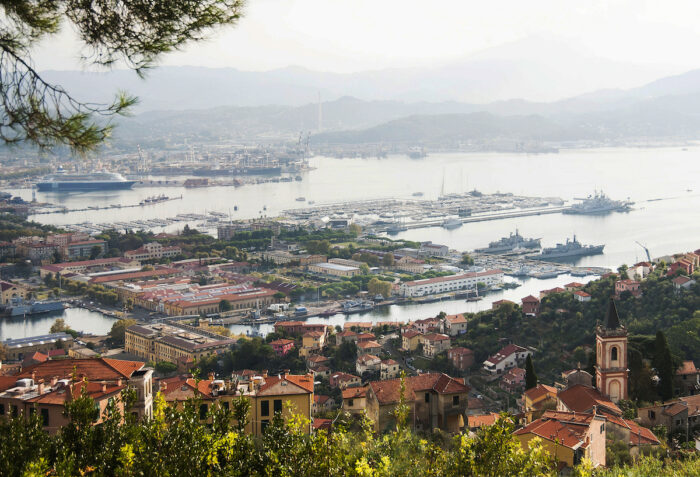 La Spezia is the second-largest city in Liguria, after Genoa. It has a sprawling naval base, the largest in Italy, and makes for a good base for visiting the five villages by train that run through it. The view from the top of the winding road is postcard-pretty and gives a preview of what is to come.
La Spezia is an important gateway to some of Italy’s most scenic destinations.
Many cruise passengers use the port as a gateway to Cinque Terre, the collection of colorful coastal villages along the Ligurian coast. Others choose Florence or Pisa, depending on their itinerary and transportation arrangements.
The important consideration is distance. Like several Italian cruise ports, La Spezia can require transportation to reach the attraction you actually want to visit.
If Cinque Terre is your priority, plan your transportation carefully and keep an eye on your ship’s departure time.
Don’t miss: Cinque Terre, La Spezia waterfront, Florence, Pisa.
Best for: Coastal scenery, photography, Italian villages, and day trips.
How to Choose the Right Mediterranean Cruise Ports
Mediterranean itineraries can look similar on paper, but the experience varies significantly from one port to another.
Western Mediterranean
Western Mediterranean itineraries commonly connect Spain, France, and Italy. Barcelona, Marseille, Naples, Civitavecchia, and other Italian and French ports are common stops.
Choose this region if you want:
- Major European cities
- Italian food and history
- Art and architecture
- Shopping
- Museums
- Easy access to famous landmarks
Eastern Mediterranean
Eastern Mediterranean cruises can include Greece, Croatia, Montenegro, Türkiye, and the Greek islands.
Choose this region if you want:
- Ancient Greek history
- Greek islands
- Adriatic scenery
- Medieval towns
- Archaeological sites
- Distinctive coastal landscapes
Mediterranean Cruise Port Tips
Check the distance from the port
The destination name in your itinerary does not always mean the ship docks in the city center. Rome, for example, is reached through Civitavecchia, while Athens is served by Piraeus.
Avoid overpacking your itinerary
Choose two or three major experiences per port. A cruise day has a fixed deadline, and you need enough time to return to the ship.
Book transportation carefully
Ports such as Civitavecchia and La Spezia can require considerable travel time to reach major attractions. Build a buffer into your schedule.
Check whether the port uses tenders
Santorini and Kotor may involve tendering, which can affect your time available ashore.
Consider staying before or after your cruise
Barcelona, Rome, Athens, and Istanbul are destinations where adding extra hotel nights can give you significantly more sightseeing time than a single port call.
Best Mediterranean Cruise Ports: Final Thoughts
The appeal of a Mediterranean cruise comes from the variety of experiences packed into one itinerary. One day can take you from Gaudí’s Barcelona to ancient Rome, followed by the Greek islands, Croatia’s medieval coast, or the historic streets of Istanbul.
The right itinerary depends on what you want to experience. History lovers may prioritize Rome and Athens. Food travelers can build an itinerary around Naples, Barcelona, and Sicily. Photographers may gravitate toward Santorini, Dubrovnik, Kotor, and Cinque Terre.
Before booking, look beyond the port names. Check the distance to the attractions, time ashore, tender arrangements, and transportation requirements. These details can make a major difference in how much you actually experience during your Mediterranean cruise.
Frequently Asked Questions About Mediterranean Cruise Ports
1. What are the best Mediterranean cruise ports to visit?
Popular Mediterranean cruise ports include Barcelona, Civitavecchia (for Rome), Naples, Athens (via Piraeus), Santorini, Dubrovnik, Valletta, Kotor, Istanbul, and La Spezia. Each offers a different type of experience. Barcelona combines architecture and food, Rome focuses on ancient history and major landmarks, while Santorini offers dramatic island scenery. Dubrovnik and Kotor are particularly appealing for travelers interested in historic coastal towns. Your choice should depend on the destinations featured on your itinerary, the amount of time available, and how far the attractions are from the cruise terminal.
2. What is the best Mediterranean cruise itinerary for first-time cruisers?
First-time cruisers often consider Western Mediterranean itineraries because they can connect major destinations such as Barcelona, Marseille, Naples, and Rome in a single sailing. Eastern Mediterranean routes offer a different experience, with destinations such as Athens, Santorini, Dubrovnik, Kotor, and Istanbul. Consider whether you prefer museums and major cities, Greek islands and beaches, archaeological sites, or smaller historic towns. Also, check the time spent at each port rather than looking only at the number of destinations.
3. How many days do you need for a Mediterranean cruise?
A seven-night Mediterranean cruise can provide a useful introduction to the region, but longer itineraries allow you to experience more destinations without moving at such a fast pace. Seven-night Western or Eastern Mediterranean cruises commonly include several major ports, while 10- to 14-night itineraries can combine more countries and regions. Your ideal cruise length depends on your budget, available vacation time, and how much time you want to spend exploring each destination. Adding hotel nights before or after the cruise can also make the trip more comfortable.
4. Is Rome easy to visit from a Mediterranean cruise ship?
Rome is accessible from the cruise port of Civitavecchia, but you need to plan transportation carefully. Civitavecchia is outside central Rome, so travelers must account for the travel time between the port and attractions such as the Colosseum, the Roman Forum, the Trevi Fountain, or Vatican City. Cruise passengers should avoid creating an overly ambitious itinerary because delays can reduce sightseeing time and increase the risk of returning late to the ship. If Rome is important to your trip, consider adding pre- or post-cruise hotel nights to extend your stay.
5. Is Santorini worth visiting on a Mediterranean cruise?
Santorini offers spectacular caldera views, whitewashed villages, volcanic landscapes, and famous sunset scenery. It can be particularly memorable for travelers who have never visited the island. Cruise passengers should understand the logistics before arriving, as ships may use tender boats instead of docking directly beside the island. This can affect how quickly passengers reach shore. Crowds can also become significant during busy cruise days. Plan your activities around the actual hours available and consider focusing on one area rather than attempting to explore the entire island.
6. Which Mediterranean cruise ports are best for food lovers?
Barcelona, Naples, Athens, Istanbul, and Valletta provide strong options for travelers who want to combine sightseeing with local cuisine. Naples is particularly known for pizza and can also serve as a gateway to food-focused experiences throughout Campania. Barcelona offers Catalan and Spanish cuisine, while Athens offers traditional Greek dishes and contemporary restaurants. Istanbul adds Turkish cuisine and markets to the experience. Because port days are limited, research restaurants along your planned sightseeing route and allow enough time to return to the ship.
7. What should I do if my Mediterranean cruise port is far from the city?
Check the transportation distance before booking an excursion. Some cruise destinations use port names associated with nearby cities rather than the city itself. Civitavecchia serves Rome, while Piraeus serves Athens. Other ports can also serve as gateways to attractions located well beyond the terminal. If you want to explore independently, check train schedules, transfer times, traffic conditions, and the ship’s all-aboard time. For longer journeys, an organized cruise excursion can simplify transportation and provide a structured schedule.
8. Which Mediterranean cruise ports are best for photography?
Santorini, Dubrovnik, Kotor, Barcelona, and La Spezia provide plenty of opportunities for travel photography. Santorini offers caldera views and distinctive architecture, while Dubrovnik combines historic stone buildings with the Adriatic Sea. Kotor provides dramatic mountain scenery around its historic town. Barcelona works well for architectural photography, particularly around Gaudí’s major works. La Spezia provides access to the Cinque Terre, where colorful coastal villages offer excellent photo opportunities. Plan your shooting locations around daylight, crowd levels, and the limited time available during a cruise port call.
9. Should I book cruise excursions or explore Mediterranean ports independently?
The choice depends on the destination and the distance between the cruise terminal and attractions. Independent exploration can work well in compact cities such as Valletta and Dubrovnik, where major sights are easily accessible. Longer-distance destinations such as Rome from Civitavecchia require more transportation planning. Organized excursions can simplify logistics and provide a structured schedule, while independent travel offers more flexibility. Before deciding, research transportation, opening hours, local traffic, and your ship’s all-aboard time. Always leave a reasonable buffer before returning to the vessel.
10. What should I consider when choosing a Mediterranean cruise itinerary?
Look at the complete port schedule rather than choosing a cruise based only on the ship or headline destinations. Check how many hours you spend in each port, whether the ship tenders, and how far the cruise terminal is from the attractions you want to visit. Also consider the balance between major cities, islands, archaeological sites, beaches, and historic towns. A seven-night itinerary may provide several destinations, but a longer cruise can give you more time to explore. Reviewing each port individually helps you understand what the itinerary will actually allow you to experience.
Want more Updates? Please follow #TeamOutofTown on Facebook, Twitter, Instagram, and Pinterest for more travel ideas.
Also Read:
- 15 Ways to Save Hundreds on Your Next Cruise
- The Ultimate First-Time Cruise Guide: Everything You Need to Know
- The Ultimate Guide to Choosing the Best Cruise for Your Next Trip
- 10 Common Agoda Booking Mistakes Travelers Should Avoid
- A Mediterranean Cruise Itinerary Built Around Italy’s Beach Towns
- Schengen Visa for a Mediterranean Cruise: What Filipinos Need to Know
- What Is the Best Month for a Mediterranean Cruise?


















 English (US) ·
  French (CA) ·