

 5 hours ago
4
5 hours ago
4
PROTECT YOUR DNA WITH QUANTUM TECHNOLOGY
Orgo-Life the new way to the future Advertising by AdpathwayHighly pathogenic H5N1 avian influenza has been confirmed in commercial poultry flocks holding more than 417,000 birds across Minnesota and the Dakotas since Aug. 12, according to USDA outbreak data compiled by Newsweek. Most of the affected flocks are turkey operations. The newest detections were at two Minnesota operations, a 44,300-bird meat turkey flock and an 18,000-bird commercial breeding flock, bringing Minnesota's fall total to three flocks and 92,100 birds.
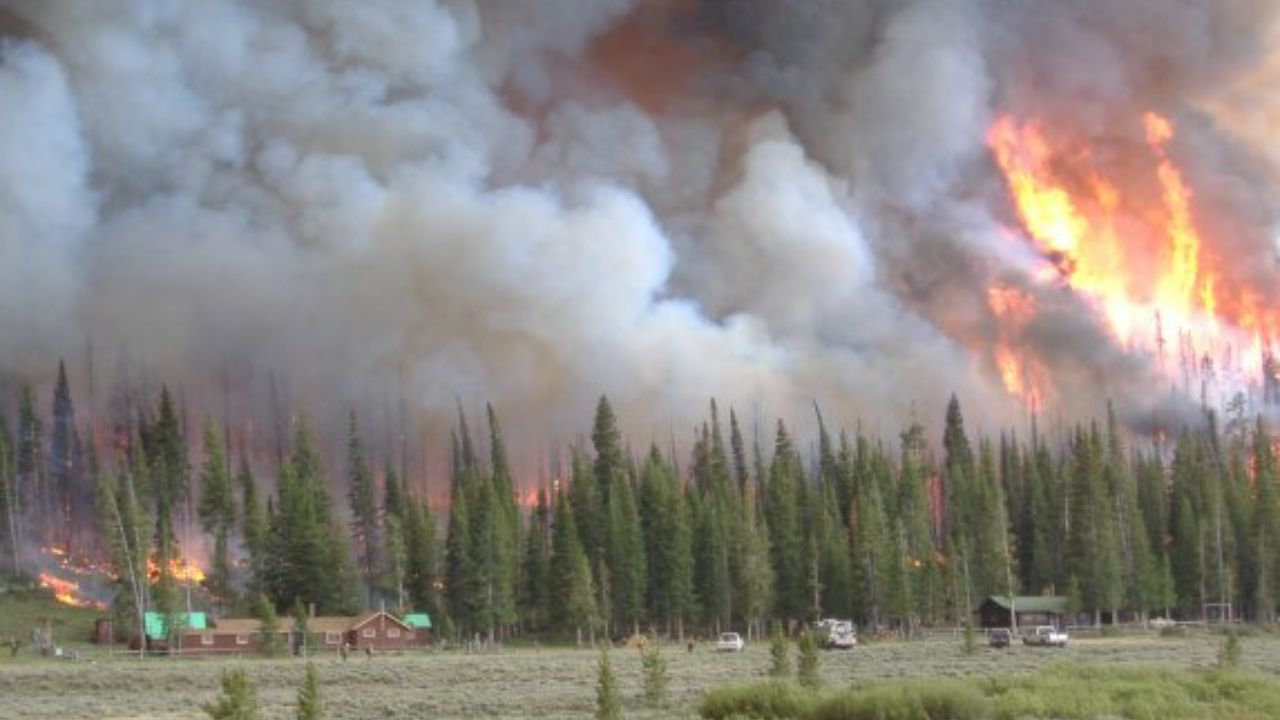
The cluster sits in the heart of U.S. turkey production and is arriving as ducks and geese begin moving south. For most readers, the practical concern is not the holiday table, where properly cooked poultry remains safe. It is the places where wild birds, backyard flocks, hunters and farm crews overlap during migration.
The poultry detections are unfolding alongside continued cases in dairy cattle. USDA has logged 88 H5N1 detections in cattle so far this year, including two newly infected Idaho herds, according to a CIDRAP summary of APHIS data. Across all poultry nationwide, the Animal and Plant Health Inspection Service (APHIS) recorded eight commercial and six backyard flock infections in the 30 days before that summary, affecting about 360,000 birds. Those two poultry totals cover different time windows and regions and should not be combined.
Outbreaks Stretch Across Turkey Country
South Dakota's resurgence began Aug. 12 with a 74,900-bird meat turkey flock in Beadle County. Later detections hit a 73,800-bird turkey breeding operation in Hamlin County and a 30,200-bird breeding flock in Edmunds County, and on Sept. 9, meat turkey flocks of 61,300 birds in McPherson County and 43,800 birds in Turner County. Together, the five South Dakota flocks held about 284,000 birds. The South Dakota Department of Health alerted medical providers to watch for illness among people exposed at the Edmunds and Hamlin sites.
In North Dakota, H5N1 was confirmed Sept. 1 in a 41,600-bird commercial turkey flock in LaMoure County, the county's second commercial turkey outbreak this year after an April detection listed on the North Dakota Department of Agriculture's avian influenza page. Minnesota's fall losses also include 29,800 meat turkeys in Wright County, west of Minneapolis. In Idaho, officials confirmed backyard outbreaks in Canyon and Gem counties. APHIS posts each confirmed detection on its commercial and backyard flock detections page.
Infected commercial flocks are depopulated under federal and state supervision to stop the virus from spreading, so these totals largely reflect birds culled rather than birds killed by the virus itself. The farms must then complete disposal, cleaning, and disinfection before resuming normal operations.
Migration Timing Fits, but Entry Routes Are Unconfirmed
APHIS says wild birds can carry avian influenza without appearing sick and can spread it to new areas as they migrate. The Upper Midwest cluster lines up with the start of fall migration, but officials have not publicly identified how the virus entered each farm. Transmission can also occur through contaminated feces, water, equipment, vehicles, clothing and footwear, so the evidence supports migration as a plausible factor, not a confirmed cause at each site.
The cattle outbreak follows its own course. In the 30 days covered by CIDRAP's summary, Idaho and Texas reported H5N1 in five dairy herds, and activity in cattle does not predict what happens in poultry barns.
Human infections remain rare. CDC lists 71 human A(H5) bird flu cases in the United States since February 2024, with 64 found through monitoring of people exposed to animals and seven through national flu surveillance. "While the current public health risk is low, CDC is watching the situation carefully and working with states to monitor people with animal exposures," the agency says on its bird flu situation page, which was last updated March 6. No human infection linked to the current turkey detections had been publicly reported as of mid-September.
Hunters, Backyard Flock Owners and Farm Crews Carry the Exposure
Risk centers on people with direct contact, including poultry and dairy workers, crews handling depopulation, backyard flock owners, and waterfowl hunters who clean birds this fall. The virus can infect people when it gets into the eyes, nose, or mouth or is inhaled, so health agencies recommend protective equipment, including eye protection, for anyone handling sick birds. Eye redness and irritation have been among the most common symptoms in U.S. cases. CDC recommends that exposed people watch for symptoms for 10 days after their last exposure, and anyone who develops fever, cough, or eye irritation during that window should call a clinician and mention the animal contact.
Hunters can lower their risk by wearing gloves while dressing birds, not eating, drinking or smoking while handling them, washing hands and tools afterward, and cooking game thoroughly. Do not handle wild birds that appear sick or are found dead; report them to your state wildlife agency.
Backyard owners should keep feed and water where wild birds cannot reach them, limit visitors, use dedicated boots and clothing in coops, and keep birds indoors during heavy migration when practical. Sudden deaths, lower feed or water intake, lethargy or a drop in egg production are warning signs that should be reported to a veterinarian or the state veterinarian.
Holiday Supply and the Weeks Ahead
The confirmed losses are a small fraction of national production, and federal officials have not indicated a nationwide turkey shortage. U.S. farms raised 194 million turkeys in 2025, and Minnesota led all states with 33.5 million, according to USDA's 2025 poultry production and value summary. The fall detections in Minnesota and the Dakotas equal roughly 0.2 percent of that national total. USDA's next annual Turkeys Raised estimate, due later in September, should give a clearer picture of supply.
Food safety guidance is unchanged. The Food and Drug Administration says there is no evidence of bird flu spreading through properly prepared food. Cook poultry to an internal temperature of 165 degrees Fahrenheit (74 degrees Celsius), cook eggs until the yolks and whites are firm, choose pasteurized dairy, and avoid raw milk. Stockpiling turkey or avoiding poultry is not necessary based on current evidence.
What remains unknown is how far the fall wave will spread, whether more states will report commercial detections, and how the virus reached each farm. APHIS posts new detections as they are confirmed, and Nature World News will follow updates from federal and state animal health officials.
The bottom line: H5N1 has returned to northern Plains turkey barns just as migration picks up, with commercial flocks holding more than 417,000 birds affected since mid-August and 88 cattle detections this year. The general public's risk remains low, and the people who should act now are farmworkers, hunters, and backyard flock owners. Report sick birds, protect your eyes and hands, and rely on USDA and state updates for new detections.
What Readers Want to Know
Where has bird flu been detected this fall? USDA data show commercial flock detections in South Dakota, Minnesota, and North Dakota since Aug. 12, involving flocks that held more than 417,000 birds, plus backyard outbreaks in Idaho's Canyon and Gem counties.
Why are so many birds affected? Infected commercial flocks are depopulated to stop the virus from spreading, so a single detection at a large farm can involve tens of thousands of birds.
Is wild bird migration spreading the virus? The timing fits fall migration, and wild birds can carry the virus without appearing sick. Officials have not confirmed how the virus entered each farm.
How many cattle detections have there been? USDA has logged 88 H5N1 detections in cattle so far in 2026, including two newly infected Idaho herds, according to CIDRAP's summary of APHIS data.
Is the public at risk? CDC says the current public health risk is low. U.S. human cases have been rare, and most were found by monitoring people exposed to animals.
Is turkey safe to eat? Yes, when cooked to an internal temperature of 165 degrees Fahrenheit. Pasteurized dairy is safe; raw milk should be avoided.
What should hunters and backyard flock owners do? Wear gloves and eye protection when handling birds, avoid sick or dead wild birds, keep flock feed and water away from wild birds, and report sudden deaths to a veterinarian or state officials.
© 2026 NatureWorldNews.com All rights reserved. Do not reproduce without permission.


















 English (US) ·
  French (CA) ·