

PROTECT YOUR DNA WITH QUANTUM TECHNOLOGY
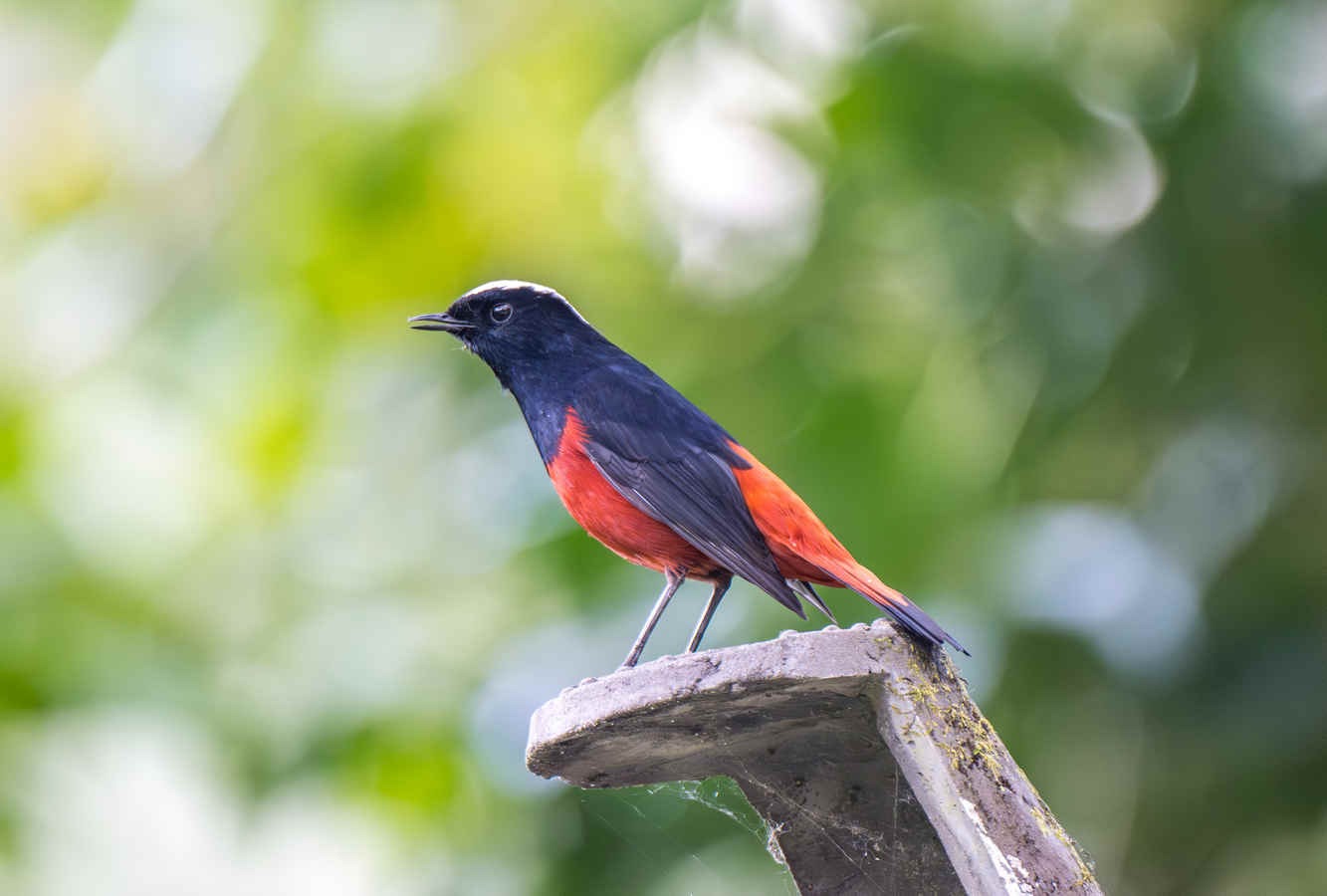
Orgo-Life the new way to the future Advertising by AdpathwayAt first glance, a bird that looks black might seem simple in color, almost stark. But pause a moment longer, let the light shift, and suddenly a sapphire sheen flashes across its head. What first appeared plain becomes luminous. Black birds with blue heads occupy this beautiful in-between space, where color is not painted on with pigment but revealed through light, structure, and motion. They remind us that nature often hides its most dazzling details in plain sight.

The science behind the shimmer
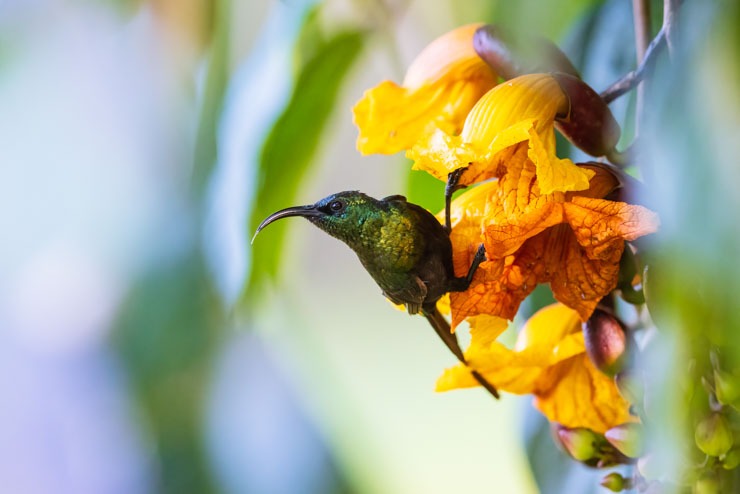
The blue seen on the heads of many black birds is usually not blue pigment at all. It is actually structural coloration. Microscopic layers in the feathers scatter light in a way that reflects shorter wavelengths (blues and violets) back to our eyes. Depending on the angle of the sun and the viewer, the same bird can look matte black one second and metallic blue the next.
This is why these birds can feel almost magical. Their color is dynamic, not fixed. Here are some examples.
Common Grackle

One of the most familiar examples is the Common Grackle. Found across much of North America, grackles are often dismissed as noisy, pushy, or dull. But look closely at an adult male in sunlight and the head glows with an unmistakable blue or blue-violet gloss, contrasting with a more bronzed or greenish body.
This blue head plays a role in social signaling. During breeding season, males puff up their feathers, tilt their heads, and strut, letting that iridescence catch the light. What seems subtle to us may be a powerful visual cue to other grackles, communicating health, dominance, and genetic fitness.
Satin Bowerbird

In Australia, the Satin Bowerbird takes the idea of black-with-blue to another level. Adult males appear deep black overall, but their feathers shine with an intense blue gloss, especially on the head and upper body. In the right light, they look like living pieces of polished obsidian.
Their coloration ties directly into one of the most fascinating courtship behaviors in the bird world. Male Satin Bowerbirds build elaborate structures, called bowers, decorated almost exclusively with blue objects like berries, flowers, plastic bits, even bottle caps. The blue sheen of the male’s head visually harmonizes with this blue-themed stage, amplifying the impact of his display. Here, color becomes architecture, performance, and persuasion all at once.

Drongos

Across Africa and Asia, drongos are sleek, black birds often marked by a blue or blue-green gloss on the head and neck. Species like the black drongo appear almost oily in the sun, their feathers reflecting flashes of electric blue.
Drongos are bold, intelligent, and notoriously fearless. They mob much larger birds, mimic alarm calls, and even steal food through deception. The metallic shine of their heads adds to their sharp, almost menacing appearance, reinforcing a reputation that feels larger than their actual size.

Starlings

Many starling species around the world fit the black bird with a blue head description, though the effect can be subtle. The European Starling, for instance, often shows purple-blue iridescence on the head during breeding season, especially in males. Against a black base speckled with pale dots, the head can glow with a soft, oily blue.
In Africa, several glossy starling species take this look even further, sporting intensely reflective blue heads paired with dark bodies. These birds demonstrate how the black-and-blue combination can range from quiet elegance to almost neon brilliance.

Why blue on black?
From an evolutionary perspective, blue iridescence on black feathers offers several advantages. Black absorbs light and creates a strong visual backdrop, making any reflective color appear more intense by contrast. Blue, in particular, stands out without requiring bright pigments that might be costly to produce or maintain.
Iridescent blue can also function as a condition-dependent signal. Because structural color relies on precise feather microstructure, only healthy birds can produce strong, consistent sheen. A dull or uneven blue may signal poor health, while a vivid, even gloss suggests strength and good genetics.
Cultural meanings and symbolism
Humans have long been drawn to black birds with hints of blue. In folklore and art, black birds often symbolize mystery, intelligence, or the boundary between worlds. The unexpected flash of blue complicates that symbolism, adding associations of wisdom, magic, and hidden beauty.
In modern times, these birds challenge our assumptions about what is beautiful. They are not brightly colored in the obvious way of parrots or hummingbirds. Their beauty asks for patience, for attention to light and movement. In a sense, they reward curiosity.

Seeing them differently
Once you learn to notice the blue in black birds, it becomes impossible to unsee. A grackle on a telephone wire, a drongo on a fence post, or a starling in a city park all become more than background noise. They become shifting mosaics of color, shaped by sun, angle, and motion.
Black birds with blue heads remind us that nature is rarely as simple as it appears. What looks dark may hold brilliance. What seems ordinary may be quietly extraordinary. All it takes is the right light and a willingness to look twice.


















 English (US) ·
  French (CA) ·