

 1 hour ago
9
PROTECT YOUR DNA WITH QUANTUM TECHNOLOGY
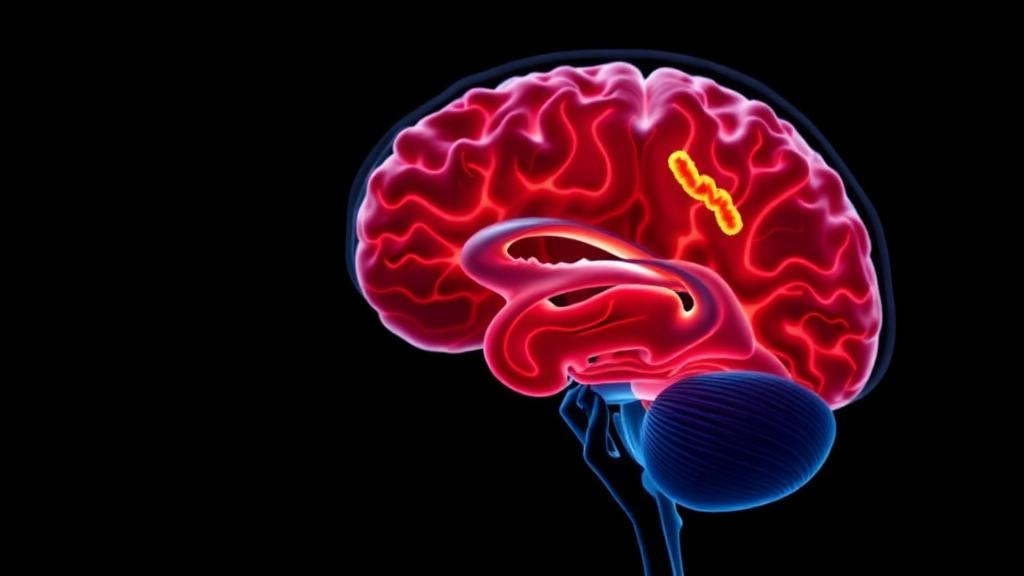
Orgo-Life the new way to the future Advertising by AdpathwayA single session of blood flow restriction training (BFRT) produced a measurable surge in circulating brain-derived neurotrophic factor (BDNF) in healthy older men, according to a randomized trial published in GeroScience on 24 October 2026. BFRT combines substantial metabolic stress with low mechanical loading, but its acute neurotrophic effects had remained unclear. To address this gap, the researchers investigated the acute effects of BFRT and eccentric overload exercise (EOE) on neurotrophic biomarkers in healthy older men, tracking neurotrophic, metabolic, endothelial, and muscle damage biomarkers before and after exercise. Sixty-three healthy men aged 60 to 78 years were randomized to BFRT, EOE, or a non-exercising control group. Responses were analyzed using repeated-measures ANOVA with Bonferroni-adjusted post hoc comparisons and correlations, which revealed significant time by group interactions for plasma BDNF (p = 0.017, ηp2 = 0.151) and interleukin-6 (p = 0.001, ηp2 = 0.22), while the interaction for serum IGF-1 was marginal (p = 0.050, ηp2 = 0.096).
BFRT drove a significant increase in plasma BDNF, with a mean change of 226.5 pg/mL (p = 0.006), and this rise was significantly larger than the change observed in the control group (p = 0.014). Serum IGF-1 increased significantly from baseline to one hour post-exercise within the BFRT group, with a mean change of 29.2 ng/mL (p = 0.005); however, the changes did not differ significantly between groups. The BDNF response therefore separated BFRT from the non-exercising condition in the between-group analysis, whereas the IGF-1 rise, although robust within the BFRT group, did not statistically distinguish the exercise conditions from the control.
Interleukin-6 rose after both exercise modalities, increasing by a mean of 8.26 pg/mL following BFRT (p < 0.001) and 3.56 pg/mL following EOE (p = 0.013). Only the BFRT-induced increase was significantly greater than that of the control group (p = 0.001), and the difference between BFRT and EOE was not statistically significant (p = 0.123). With ηp2 = 0.22, the IL-6 interaction was the largest of the reported time by group effects, indicating that both exercise bouts provoked an acute inflammatory signaling response, but only BFRT’s rise clearly separated the exercising men from the non-exercising controls.
Metabolic measurements pointed to a possible contributor to the biomarker response. BFRT elicited greater lactate accumulation than both EOE and the control condition, and changes in BDNF correlated with changes in lactate across participants (r = 0.367, p = 0.007). The authors suggest that this association indicates metabolic stress may contribute to the acute peripheral biomarker response, consistent with BFRT’s design principle of combining metabolic strain with reduced mechanical loading. Because the correlation is cross-sectional, however, it cannot establish whether lactate causally drives BDNF release.
Markers of muscle damage and endothelial response completed the profile. EOE produced a greater increase in creatine kinase than the control group at 48 hours post-exercise, whereas syndecan-1 concentrations remained unchanged across conditions. The abstract concludes that acute BFRT increased circulating BDNF and IGF-1 in healthy older men and was accompanied by greater lactate accumulation, modest CK elevations, and no detectable increase in syndecan-1. The authors emphasize that the association between lactate and BDNF suggests metabolic stress may contribute to the acute peripheral biomarker response; however, the neurological and clinical significance of these transient circulating changes remains to be established. The study measured acute responses to a single exercise bout rather than long-term outcomes, and whether repeated BFRT sessions translate into sustained neurotrophic benefits will require further investigation. For now, the trial offers a detailed acute biomarker profile of two exercise modalities in healthy older men, highlighting BFRT’s distinctive combination of metabolic stress, neurotrophic signaling, and modest muscle damage.
Subject of Research: Acute neurotrophic biomarker responses to blood flow restriction and eccentric overload exercise in healthy older men
Article Title: Acute neurotrophic responses to a single bout of blood flow restriction and eccentric overload exercise in healthy older men
Article References: Qipo, O., Bautmans, I., Vints, W. A. J., Njemini, R., Mickevičienė, L., Česnaitienė, V. J., Levin, O., & Masiulis, N. (2026). Acute neurotrophic responses to a single bout of blood flow restriction and eccentric overload exercise in healthy older men. GeroScience. https://doi.org/10.1007/s11357-026-02601-4
Image Credits: AI Generated
DOI: 10.1007/s11357-026-02601-4
Keywords: blood flow restriction training, BDNF, IGF-1, interleukin-6, lactate, eccentric overload exercise, older men, GeroScience, randomized trial, neurotrophic biomarkers, creatine kinase, muscle damage



















 English (US) ·
 French (CA) ·