

PROTECT YOUR DNA WITH QUANTUM TECHNOLOGY
Orgo-Life the new way to the future Advertising by AdpathwayPublished October 7, 2026 by Ellyn Kail.
4 min readA worker forced a horse into a kill box at a Canadian slaughterhouse. As the incompetent worker shot the horse in the head 11 times with a captive bolt gun, the animal writhed in agony. Finally, the dying horse collapsed, their head slamming the wall with the force of the fall. Workers then butchered the body, possibly for human consumption.
This cruelty isn’t an anomaly. American horses—from discarded Thoroughbreds ‘retired’ from racing to wild mustangs who once roamed free—are ending up at slaughterhouses like this one, where they’re killed for human consumption or dog food. And we need your help to stop it.
What Happens to American Horses Sent to Slaughter?
PETA went undercover to expose the horse slaughter pipeline where our investigator traveled on a truck carrying American horses 1,100 miles—36 harrowing hours—through sub-freezing temperatures to a slaughterhouse in Canada. During transport, truckers deny horses food, water, and rest—including when they are sick, injured, or even dying.
Horses of many breeds end up in this gruesome trade, including Thoroughbred horses used for racing.
In August 2026, a bombshell New York Times exposé revealed that federally protected wild horses are also entering the Canadian slaughter pipeline. While it’s illegal for US officials to send wild horses to slaughter, for the last 20 years, the feds have sold the horses to others who in turn sell horses to for transport to Canada for slaughter.
The New York Times reported that mustangs are appearing at auctions popular with “kill buyers,” buyers who purchase horses for slaughter. Some horses reportedly sell for as little as $25.
“Now we’re seeing a huge influx, and most of these horses are young—2 or 3 years,” Clare Staples from Skydog Ranch Sanctuary said. She saved three horses at one of the auctions: “We are only able to save a few. Most go to the kill buyers.”
Just days after that report was published, New York State police arrested a Pennsylvania man who was allegedly transporting 25 slaughter-bound horses through New York. They were seized and are reportedly safe.
John Scheib of the New York State Humane Association warned traders: “We have sent a clear message today: The era of operating in the shadows is over.”
Although there are currently no horse slaughterhouses operating in the United States—and transporting horses for meat is prohibited in New York state and California—American horses are still exported for slaughter.
That’s why we must pass the bipartisan Save America’s Forgotten Equines (SAFE) Act (H.R. 1661/S. 775). The bill would permanently ban horse slaughter and the export of horses for slaughter for human consumption. With so many people now aware of the horse slaughter crisis, we must act now—so please keep the pressure on and contact your legislators today.
How PETA Helped Save One Horse From Slaughter
PETA has long worked to expose and shut down the slaughter pipeline. During our investigation into a livestock auction where horses are frequently sold for slaughter, PETA investigators witnessed workers beating and prodding horses. They also spotted a sick gray horse who had just been sold to a buyer for $350. The investigators intervened and rescued him before he could be shipped to slaughter.
They later identified the ailing horse as the Thoroughbred Royale With Speed, a grandson of Secretariat who “won” his first race at Keeneland in Kentucky and raced at Churchill Downs. Humans had forced him to race 23 times, generating $127,526 before discarding him when he was no longer considered “useful.”
The Horror Royale With Speed Narrowly Escaped
Footage from the Canadian Horse Defence Coalition documented extreme violence and botched killings inside the slaughterhouse that Royale With Speed would have ended up at:
- An incompetent worker repeatedly shot a thrashing horse in the head 11 times, failing to render the animal immediately unconscious.
- A worker violently slammed a captive bolt gun into a horse’s head and fired, then waved “goodbye” as the horse struggled before dying.
- A horse screamed after being shot in the head with a captive bolt gun. The worker mockingly replied, “I love you, too,” in the animal’s agonizing final moments.
After PETA’s eleventh-hour rescue, Royale With Speed was nursed back to health. We found him a loving home, where he lives to this day. He recently turned 22 years old—a milestone that once seemed out of reach.
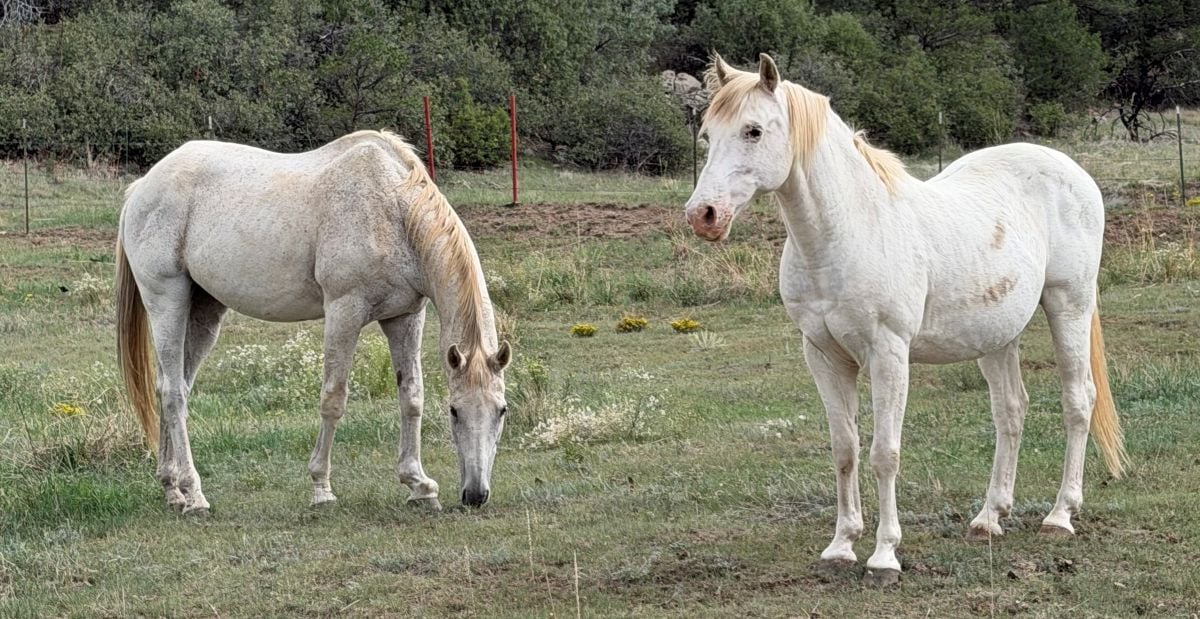
For horses like Royale with Speed, passage of the SAFE Act would mean the difference between a captive bolt gun to the head and protection from ever entering the kill box. Please help give the next horse a chance at a safe future.
Join us and urge your legislators to support the SAFE Act right now.



















 English (US) ·
  French (CA) ·