

It feels like an ecologically sound habit: harvesting seeds from desirable plants in the parks in your neighborhood. It also saves you money and gives you immediate access to seeds that might be hard to find in the garden store. And yet, that doesn’t make it right.
As a gardener, I do understand. It’s fun and economical to collect and save seeds in the fall. But as an attorney, I have to suggest that you tap the brakes. Taking seeds from public parks or government land without permission can get you in trouble with park authorities or law enforcement.
I cover more questions like this in my Gardening Lawyer series, drawing on my experience as both a gardener and former attorney. Let's dig in to this issue to keep you on the right side of the law.
From a Tiny Acorn...
(Image credit: brusinski / Getty Images)
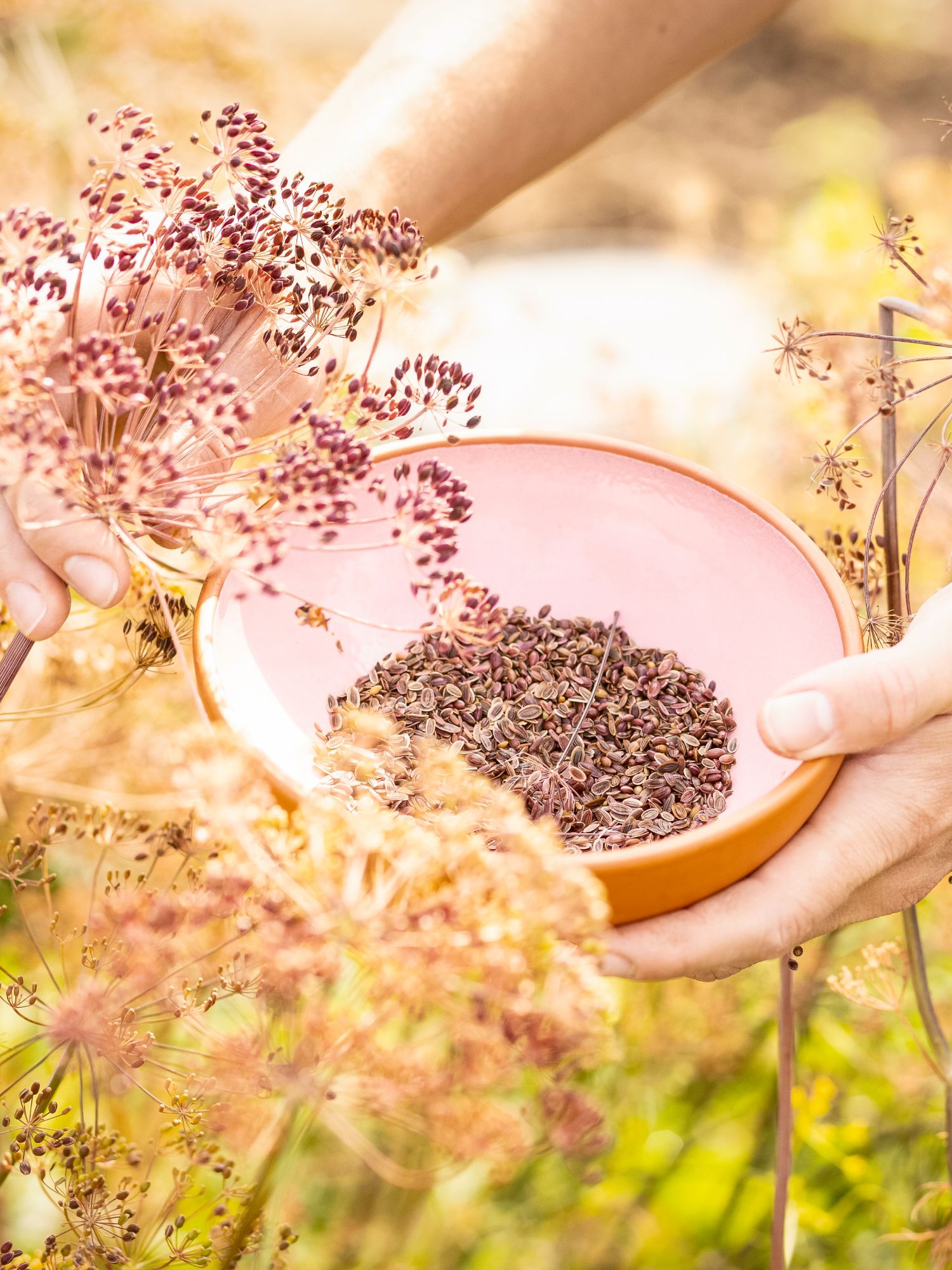
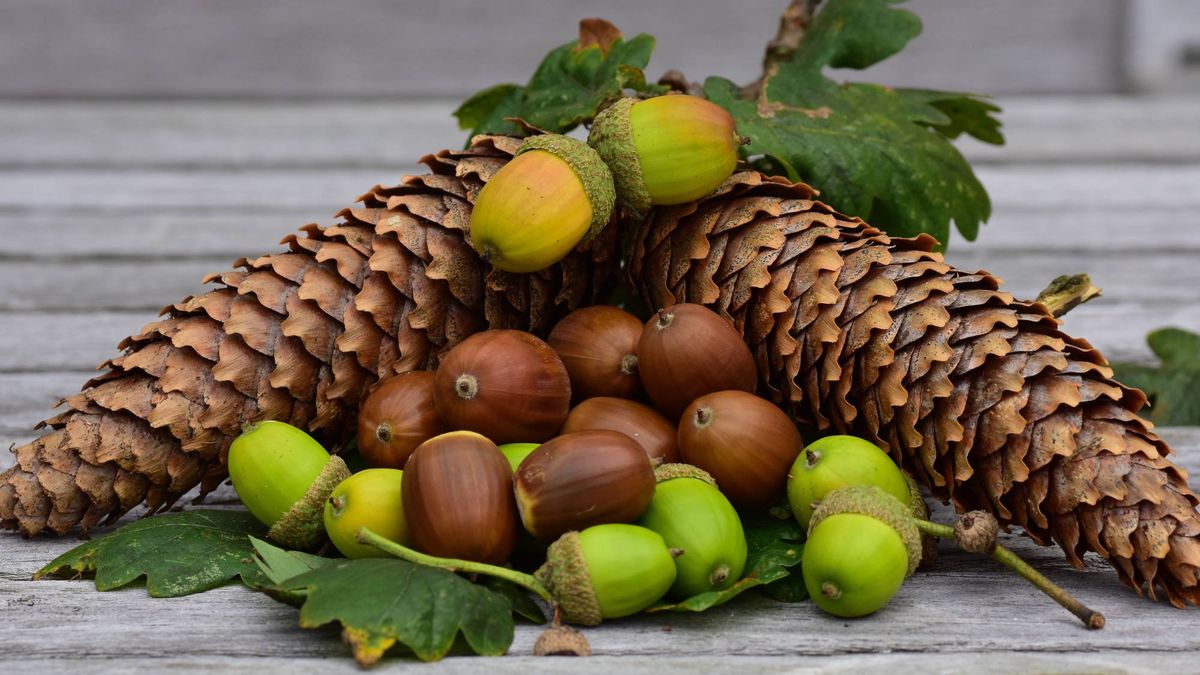
We learn at a young age that plants grow from seeds. Remember hearing for the first time (or the 70th?) that "mighty oaks from little acorns grow"? Or maybe your parents helped you plant those super-size nasturtium seeds? We all learn at some point that plants grow from seeds, and, in fact, produce the seeds that propagate the species.
Many grown-up gardeners deliberately select plants that reseed themselves - I must admit that I do this, using nasturtiums, California poppies, black-eyed Susans and cosmos, just because they do their own seed-planting for the following year.
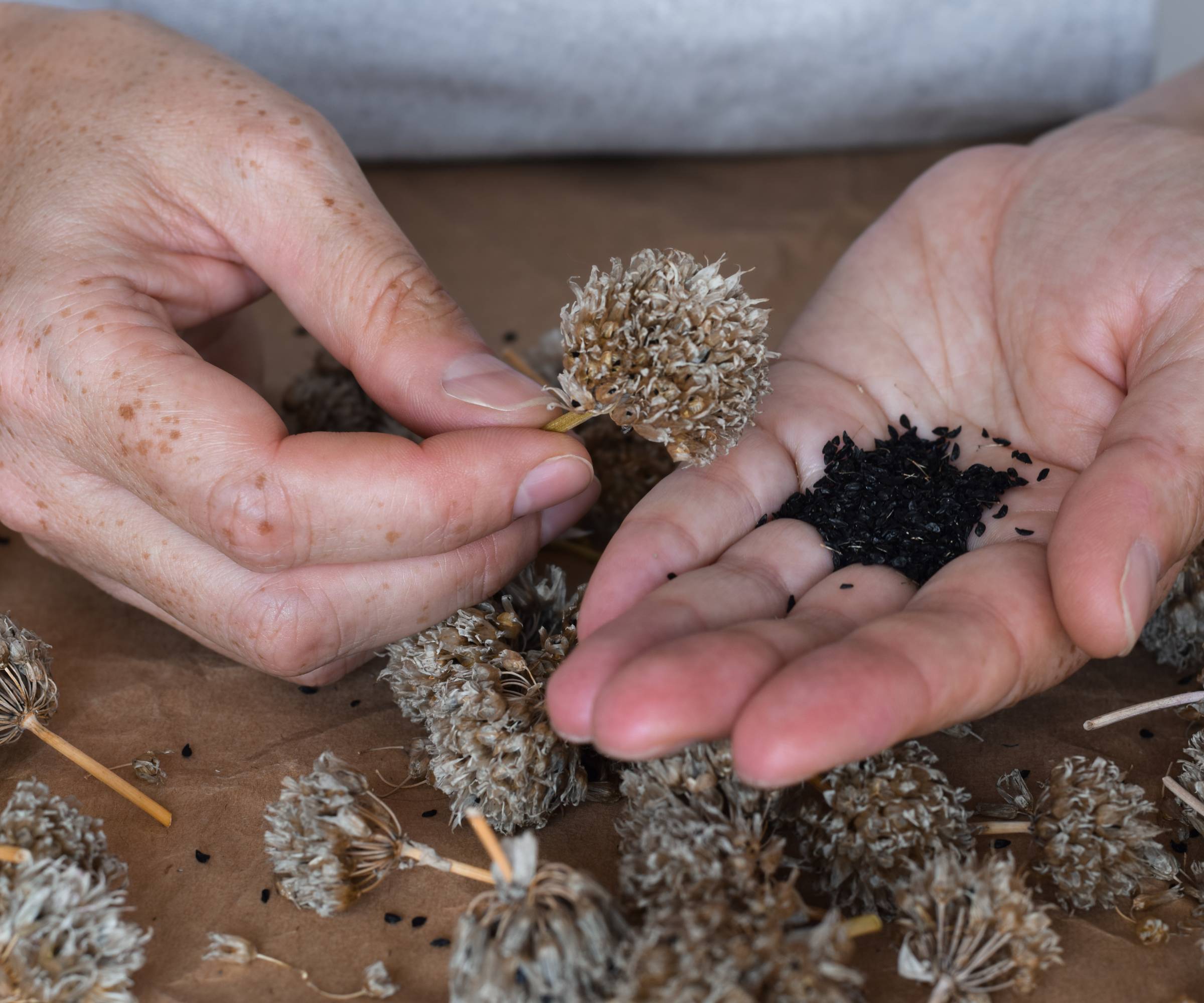
Other plants in my backyard produce seeds, but I need to harvest them and replant them. This is fun too, but somewhat limited since using this approach, you can only grow plants you already have. Whether you own or rent, your backyard may not be as large as you would like. So that raises the alternative: harvest seeds from parks or public land nearby. Yet… you generally do not have the right to do this without express permission.
Check the (Many) Laws That Might Apply
(Image credit: JulieAlexK / Getty Images)
It would be nice if there was one set of easily accessible laws you could check to see whether harvesting seeds is legal in a park near you. But there are many places to look. City parks will have their own rules, as will state parks and national parks. Most of these will prohibit gathering any plant material from within their boundaries, including seeds. Your odds are not good.
In my experience, your better bet is to find the park manager or a park ranger and ask for permission. If the plants at issue are beside the road or in some unregulated public space, ask at the city public works department. Try to narrow your request as much as possible for the best results. If you make a courteous request and a reasonable one, you have a pretty good chance of getting an affirmative response.
Learn Which Plants are Endangered in the Area
(Image credit: SolStock / Getty Images)
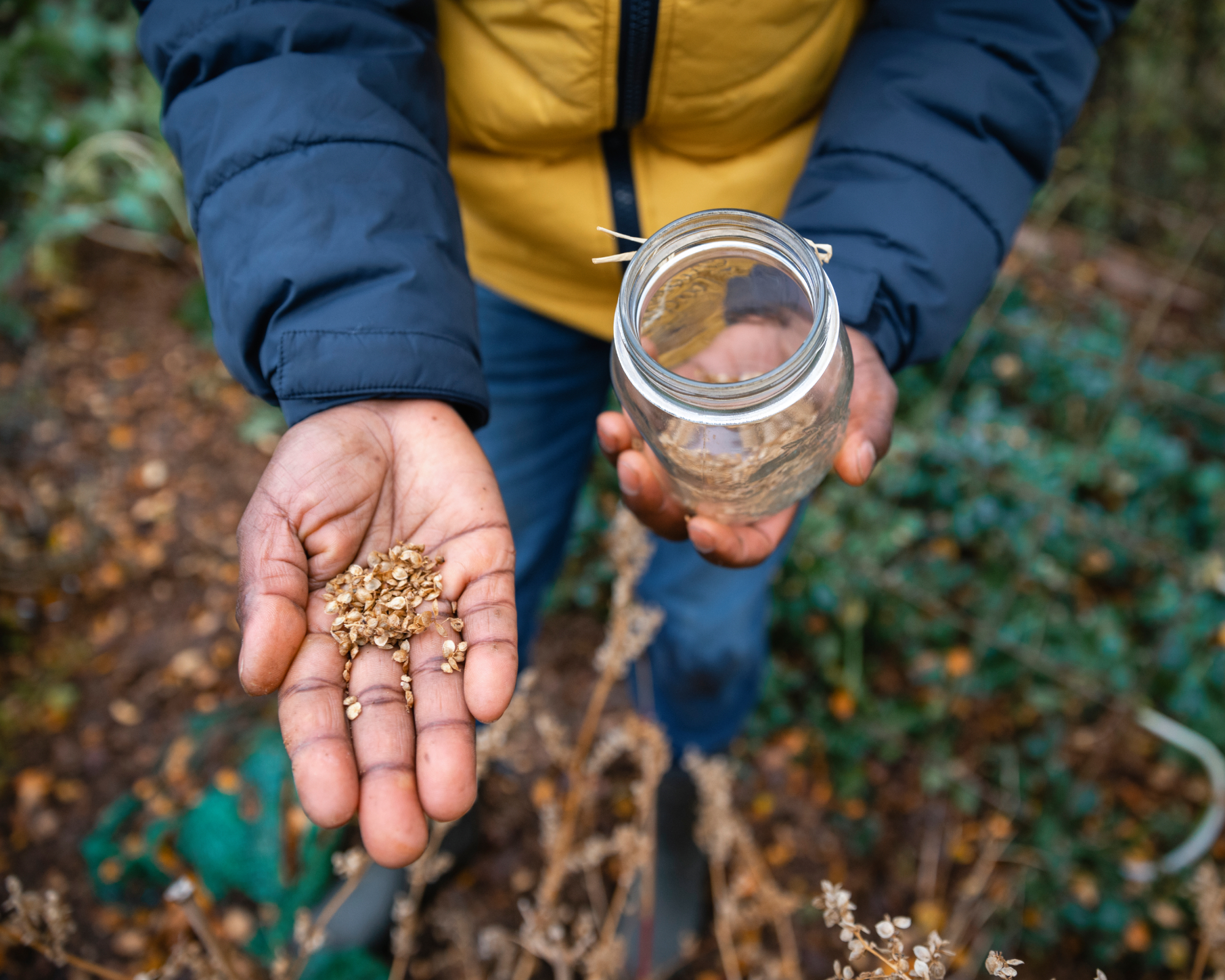
You may not want to collect the seeds of endangered plants, but to avoid this, you must know which plants are endangered. This is easy to figure out if you have internet access; simply run a season for plants endangered in your area. They won’t be the same from state to state or even city to city.
You may think endangered plants are going to look astonishing or have some odd and unusual characteristics, but this is not true. For example, in my area in the Pacific beach end of San Francisco, lots of dune plants are rare, including an unassuming annual with tiny yellow flowers (San Francisco lessingia), and San Francisco Campion, a dune perennial with small, pink, bell-shaped blossoms. And neither of these make the federal list.
Making a Modest Request
(Image credit: Shutterstock)
Before you ask for permission to collect seeds, take a moment to consider why these laws exist. Parks want to protect their plants, especially endangered species. The ecosystems can protect more than the plants, but also native insects, birds or reptiles. And humans can be thoughtless - taking not just a few seeds, but taking all that they find, or even uprooting the plants.
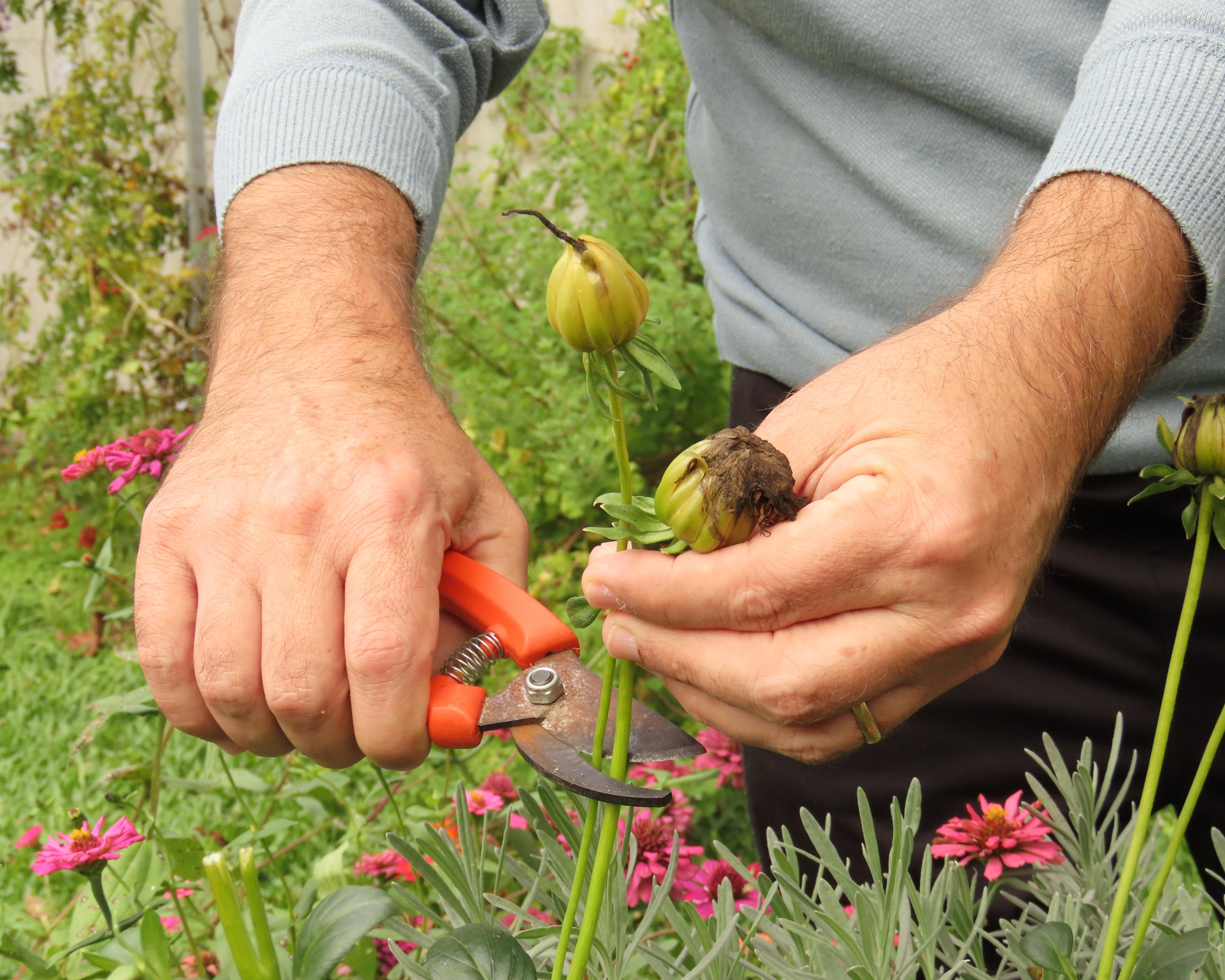
To get the best result, tell the official that you understand this and have no intention of taking seeds from any endangered plants. Tell them the name of the plant you want seeds from too, just to confirm this. And give them a specific number of seeds you hope to collect, and make it small: never take more than 10 percent of the seeds from any one plant, so that you won’t negatively impact the ecosystem or native wildlife.
Shop Seed Saving Essentials
Now that you know where and when you can legally collect seeds, a few simple products will make harvesting and storing easy peasy.
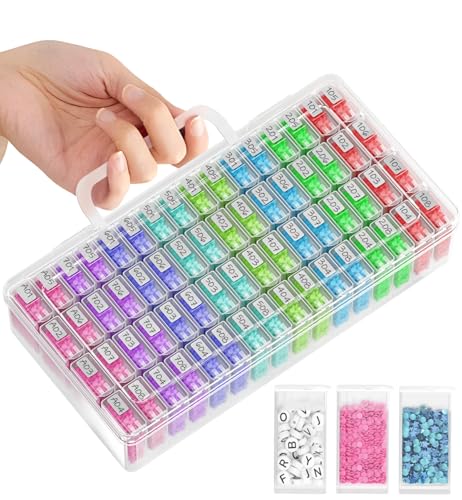
ARTDOT
Portable Storage Organizer
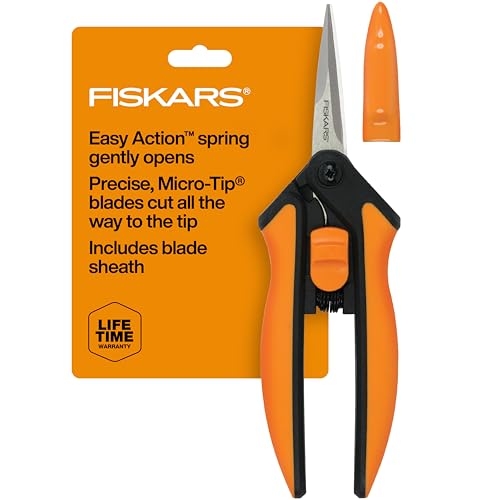
Fiskars
6" Steel Micro-Tip Pruning Scissors
These precision snips make deadheading flowers and collecting seed pods quick and efficient.
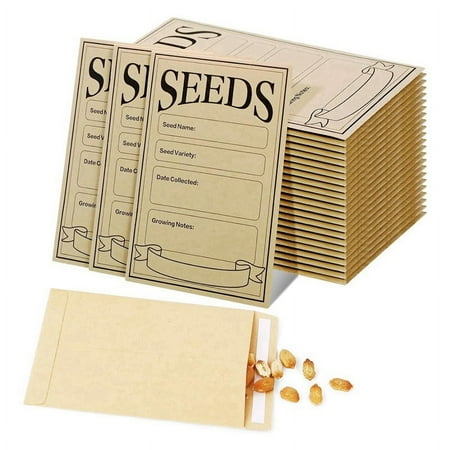
A classic way to store seeds. Easily label each packet with the preprinted information boxes so you know exactly what's inside.
















 English (US) ·
  French (CA) ·