

 4 hours ago
2
PROTECT YOUR DNA WITH QUANTUM TECHNOLOGY
Orgo-Life the new way to the future Advertising by AdpathwayMaths class looked more like owl-gebra for students at Cedars Christian College in Wollongong this week.
With BirdLife Australia’s Aussie bird count under way, teacher Karen Jooste has blended birdwatching into the curriculum for her year 2s, using the count to learn about data collection, along with avian-themed narrative writing and lessons on biodiversity and conservation.
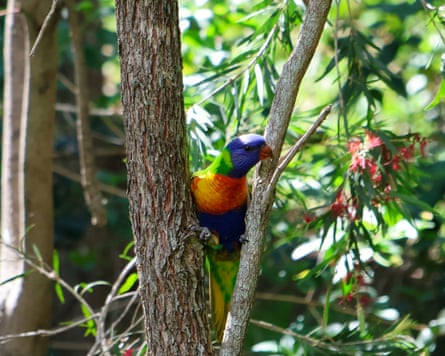
It helps that there’s a tree-lined creek running through the school grounds, a gathering place for all manner of birds. There’s a resident family of tawny frogmouths with two fluffy chicks; nesting magpies and magpie larks; wood ducks; pacific black ducks; king parrots and rainbow lorikeets. There’s even a local bowerbird that has been known to build an astonishing bright blue bower in spring.
And, if her students catch the mournful cry of yellow-tailed black cockatoos in the distance, Jooste has been known to take the whole class outside to look for them.
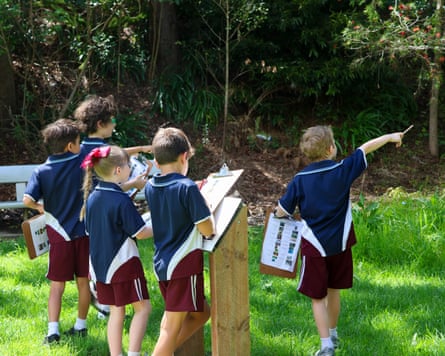
“There’s never any shortage of birds,” she says. Jooste has a whole week of bird-based activities centred around the count. She’s made up her own tally sheet with pictures to help with identification, and even had some students doing counts during their lunch break.
“Today in our free reading time we all grabbed a bird book, we all grabbed a cushion and we went and sat under the trees and read with the birds around us. I try to make the most of it, and they actually love it,” she says.
“We really do have a very unique school environment, with the trees and the creek, so I want to make the most of it.”
With more than 3.7 million birds counted already and tens of thousands of Australians participating in the wholesome and unadulterated joy of counting birds, this year is already on track to beat 2025, according to BirdLife Australia’s Sean Dooley.
The annual snapshot runs until midnight Sunday. “We usually have a big flurry of people doing surveys over the weekend – it’s the six o’clock swill version of birding,” Dooley says.
Anyone who is outside for 20 minutes – whether waiting for a train, watching children’s sport, or on their lunch break – can wing it. The app makes it easy to record the data, with a built-in bird finder showing 30 of the most commonly recorded birds within 10km. If you spy one that’s not on the list, the app lets you search by characteristics like size, shape and colour, he says.
Dooley loves seeing people join in from cities, remote communities, outback properties and offshore islands. “The thing we want people to discover is that you don’t need to be in a remote national park to see birds,” he says.
after newsletter promotion
Much like Jooste’s class, primary and even preschool children tend to get a kick out of it, he says. “It’s great because they have to look up and look out and connect with something in the real world.”
“The advantage of doing it on the app is it’s still got that gamification aspect, they still get to enter something on a screen, and there is that competitive element; which bird species will you see the most of? Or, can we beat last year … can we beat Tuesday’s total?”
Speaking of competitiveness, Dooley hopes to top last year, when 64,000 Australians counted more than 5 million birds. The Australian magpie, rainbow lorikeet and noisy miner were among the most commonly spotted species.
He encourages everyone to “keep counting right up to the end”.
“We just want to spread the love. Know that you’re not the only birder in the village.”
-
Birdlife Australia’s Aussie bird count ends at midnight, Sunday 25 October

















 English (US) ·
 French (CA) ·