

 5 hours ago
9
PROTECT YOUR DNA WITH QUANTUM TECHNOLOGY
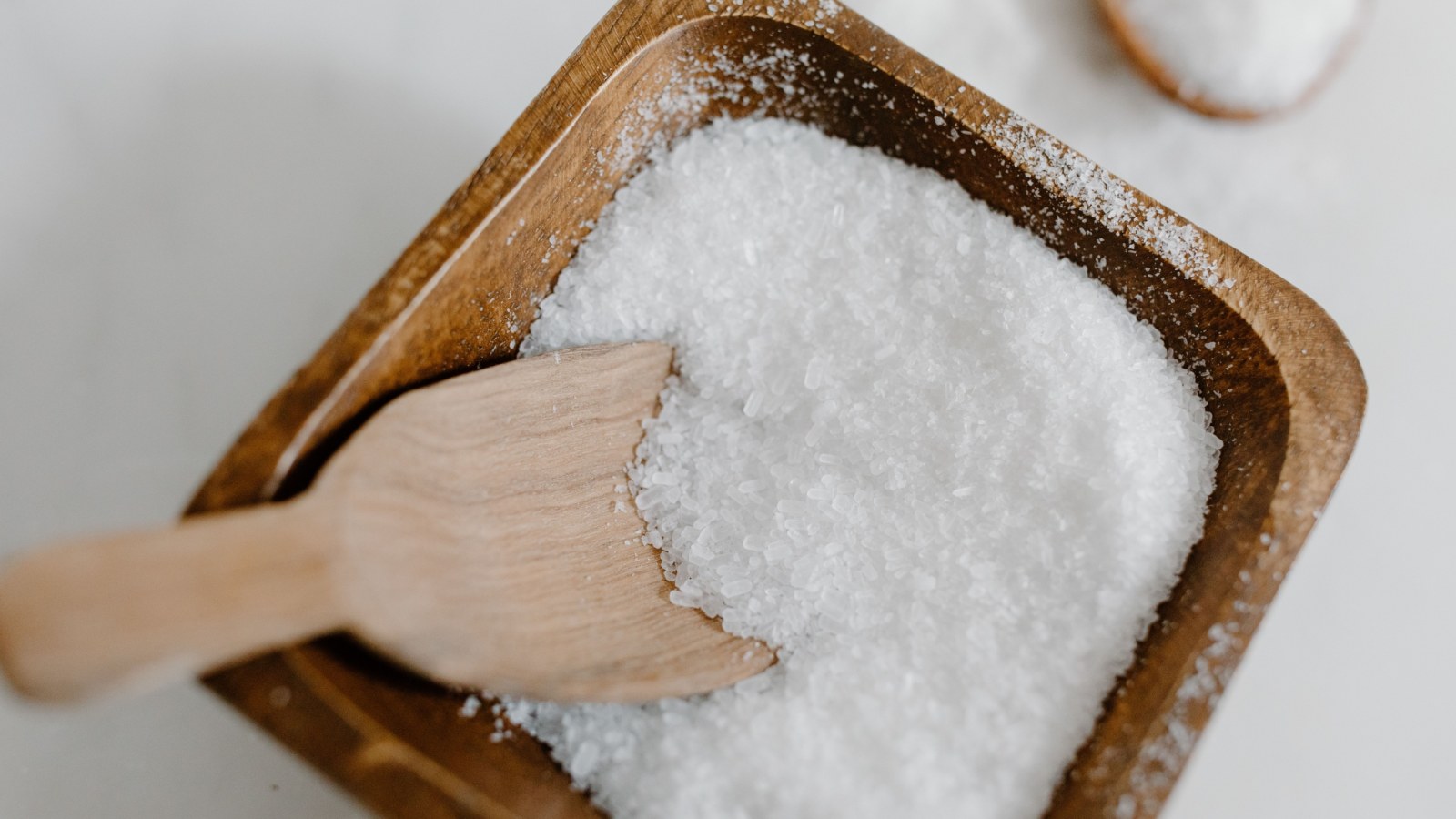
Orgo-Life the new way to the future Advertising by AdpathwayMixing crushed shells into sand lowered the acidity of the water around young clams and largely erased the genetic stress signal that acidified seawater triggers, according to a University of California, Davis study published Oct. 29 in Biogeosciences. The low-tech technique, known as adding shell hash, has long been used by Indigenous communities to keep clam beds healthy.
The 90-day experiment raised juvenile Pacific littleneck clams at the UC Davis Bodega Marine Laboratory on the Sonoma County coast. Clams in acidified water grew less, but when shell hash was in the sand, their gene activity looked much like that of clams in normal seawater.
The result could interest West Coast oyster and clam growers, who face rising acidity in coastal waters. It is a small lab study, however, not a field trial on a working beach.
A Chemical Shield Inside the Sand
Ocean acidification happens as seawater absorbs carbon dioxide from the atmosphere, according to NOAA. The chemistry makes it harder for clams, oysters, and mussels to build calcium carbonate shells, and very acidic water can dissolve them.
Burrowing clams live in pore water — the thin layer of water between sand grains — which can be even more acidic than the sea above. Crushed shells are made of calcium carbonate, so as they slowly dissolve, they release compounds that neutralize acid in that pore water.
The study's measurements matched that idea. Acidifying the seawater lowered pore-water pH by about 0.31 units, while shell hash raised it by about 0.28 units, according to the paper's model estimates. The saturation state of aragonite, the shell mineral clams need, also improved with shell hash, moving from well below 0.5 in acidified sand to close to 1.
Bigger Shells and Calmer Genes
The researchers raised clams under four conditions: normal seawater with sand, acidified seawater with sand, and each of those with shell hash added. Shell hash made up 10% of the sediment by weight.
"We found that, on average, clams grew larger shells when shell hash was present in their treatment," said first author Hannah Kempf, now an environmental scientist at the California State Water Board, in a UC Davis release.
The numbers show the pattern. Clams in acidified sand added about 4.7% new shell growth, compared with about 6.4% in acidified sand with shell hash and about 7.7% to 7.9% in normal seawater. Acidification significantly reduced growth, but the paper notes that the shell hash growth effect was not statistically significant on its own.
The genetic result was clearer. Researchers sequenced tissue from 24 clams and found 284 genes that changed sharply in expression. Clams in acidified sand without shell hash stood apart from every other group. Across the other three groups, no more than 11 of those genes differed.
"Adding crushed shells removed the negative genetic changes that occur when young clams are raised in acidified water," corresponding author David Gold, an associate professor of earth and planetary sciences at UC Davis, told the Global Seafood Alliance.
Lessons From Indigenous Clam Gardens
The study gives a biological explanation for a practice Indigenous communities have used for generations. Co-author Tsim Schneider, an associate professor of anthropology at UC Santa Cruz, said traditional ecological knowledge holds significant evidence that shell hash benefits shell-making animals. Some Pacific Northwest Indigenous communities also build large clam garden structures that expand intertidal habitat.
The paper argues that the loss of clams on federally managed lands reflects a failure to recognize that knowledge in shellfish management. It frames shell hash as a chance to combine Indigenous practice with modern ocean chemistry.
From Bodega Bay to Shellfish Farms
For shellfish farmers, the appeal is cost and simplicity. Shells are often a waste product of seafood processing and restaurants, and spreading crushed shell on growing beds requires no electricity or specialized equipment. The paper notes that some aquaculturists already use the practice.
The evidence still has limits that growers should weigh. The study used only two buckets per treatment, which reduced statistical power, and the clams varied widely in starting size. Lab conditions also lack the tides, microbes, and sediment mixing of a real beach. The researchers did not measure how long a shell hash layer keeps buffering before it dissolves or is buried.
Gene expression is also an indirect signal. Most of the 284 affected genes could not be identified, so researchers cannot yet say which biological processes improved. A few that could be identified included genes tied to DNA repair and shell formation, but no broader biological pathway stood out.
The practice is also not a substitute for cutting carbon emissions, which drive acidification in the first place. At best, shell hash could act as a local buffer that buys time for young shellfish during their most vulnerable early months, when they are building their first shells and are most sensitive to water chemistry.
The work was funded by California Sea Grant and a Russell J. and Dorothy S. Bilinski Fellowship. Field testing in places like Tomales Bay, where an earlier phase of the Sea Grant project examined sediment chemistry, would be the next logical step.
The bottom line is that crushed shells measurably reduced acidity in the sand around young clams and largely neutralized acidification's genetic stress signal in a controlled experiment. The growth benefit was suggestive, not statistically proven, and the method has not yet been tested at farm scale. For a coastline facing rising acidity, it is a practical lead worth testing.
What Readers Want to Know
What is shell hash? Shell hash is crushed or pulverized shell mixed into beach sediment. It has long been used by Indigenous communities and some aquaculturists to support clam beds.
How does it protect clams from acidification? Crushed shells slowly release compounds that neutralize acid in the water between sand grains, where burrowing clams live.
Did the clams grow bigger shells? On average, yes, but the paper notes the shell hash growth effect was not statistically significant. The genetic stress result was stronger.
What did the gene expression results show? Clams in acidified sand with shell hash had gene activity largely similar to clams in normal seawater, while clams in acidified sand alone stood apart.
Could shellfish farmers use this now? Some already do. The study supports the idea, but it was a small lab experiment, and field trials are needed to confirm results on working beaches.
Where was the study done? At the UC Davis Bodega Marine Laboratory in Bodega Bay, California, using clams spawned from local parents.
© 2026 NatureWorldNews.com All rights reserved. Do not reproduce without permission.















 English (US) ·
 French (CA) ·