

Dahlias aren’t just eye candy. They’re super hungry plants with a knack for stealing the garden spotlight. Whether you’re new to the game or a seasoned pro, nailing the dahlia fertilizer routine is what lifts your patch from boring to marvelous. I’ve watched gardeners toss random mixes at them and wonder why they flop, so let’s dig into what could be going on. From soil prep to perfect timing, we’ve got the playbook to keep your dahlias thriving.
Every gardener faces their battles, and dahlias bring their share. Pests, tricky soils, and any other issue can be resolved with the correct dahlia care. With the right moves, you can skip the headaches and make your dahlias the envy of the block. Let’s get to work!
How Important Is It to Fertilize Dahlias?
(Image credit: Alex Manders / Shutterstock)
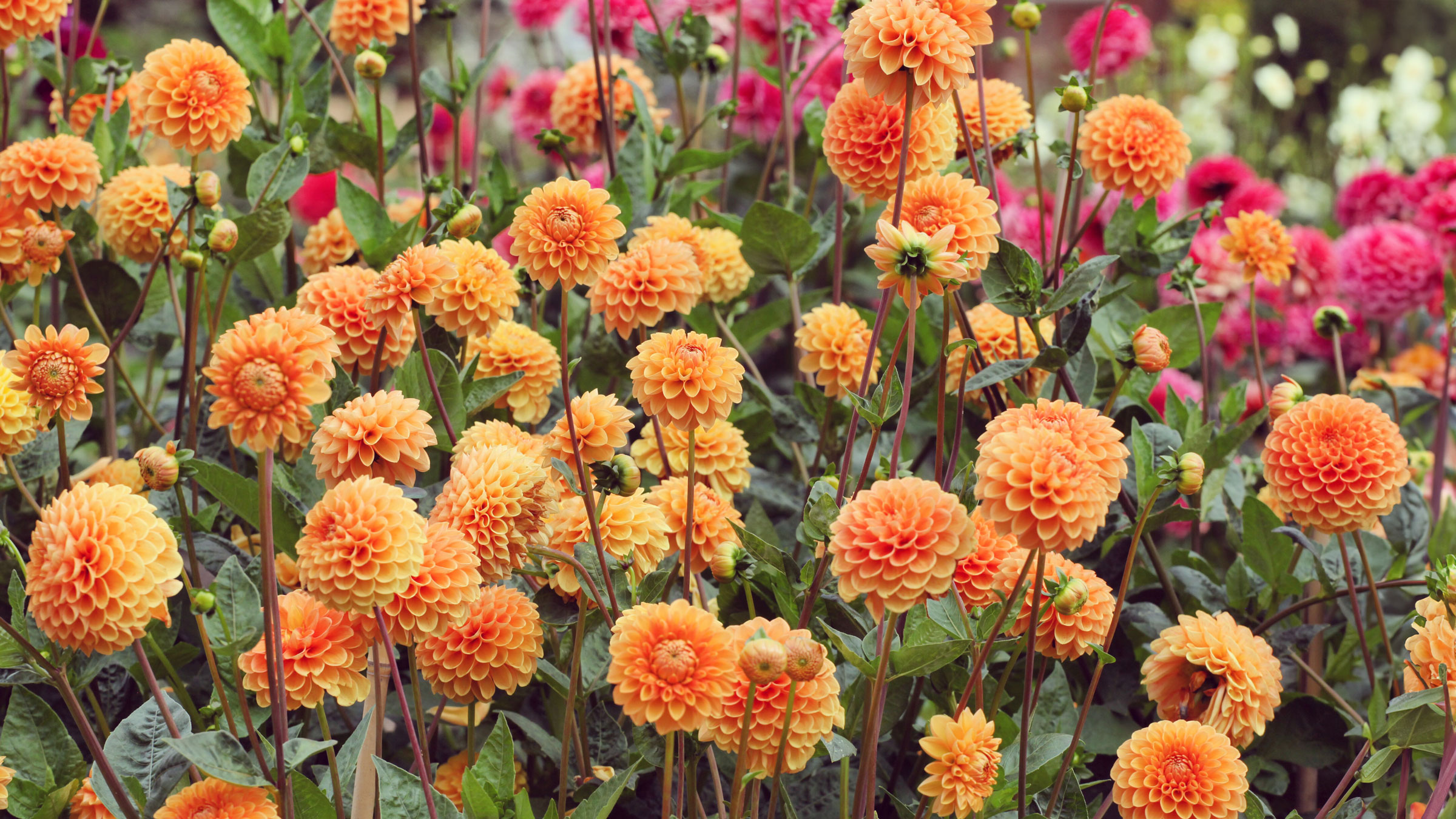
Fertilizing dahlias isn’t just a nice thing to do. It’s mandatory if you want those bold blooms to steal the show. These plants crave nutrients, especially phosphorus for flowering and a touch of nitrogen for sturdy growth, but too much of the latter can backfire. Skip the feed, and you’re left with weak stems and puny flowers instead of the vibrant display you’re after. Think of it like fueling a racecar. Without the right fuel, it’s not crossing the finish line.
That said, it’s not about overloading them. Overdo it, and you’ll get lush leaves but few blooms, which misses the point entirely. In USDA zones like 8 or 9 where dahlias flourish, the need holds steady, but container growers need to stay sharp. Pots dry out quick, making consistent feeding key. A Burpee Organic Blood Meal from Amazon can give a gentle nitrogen nudge to start.
Do All Dahlias Have the Same Feeding Requirements?
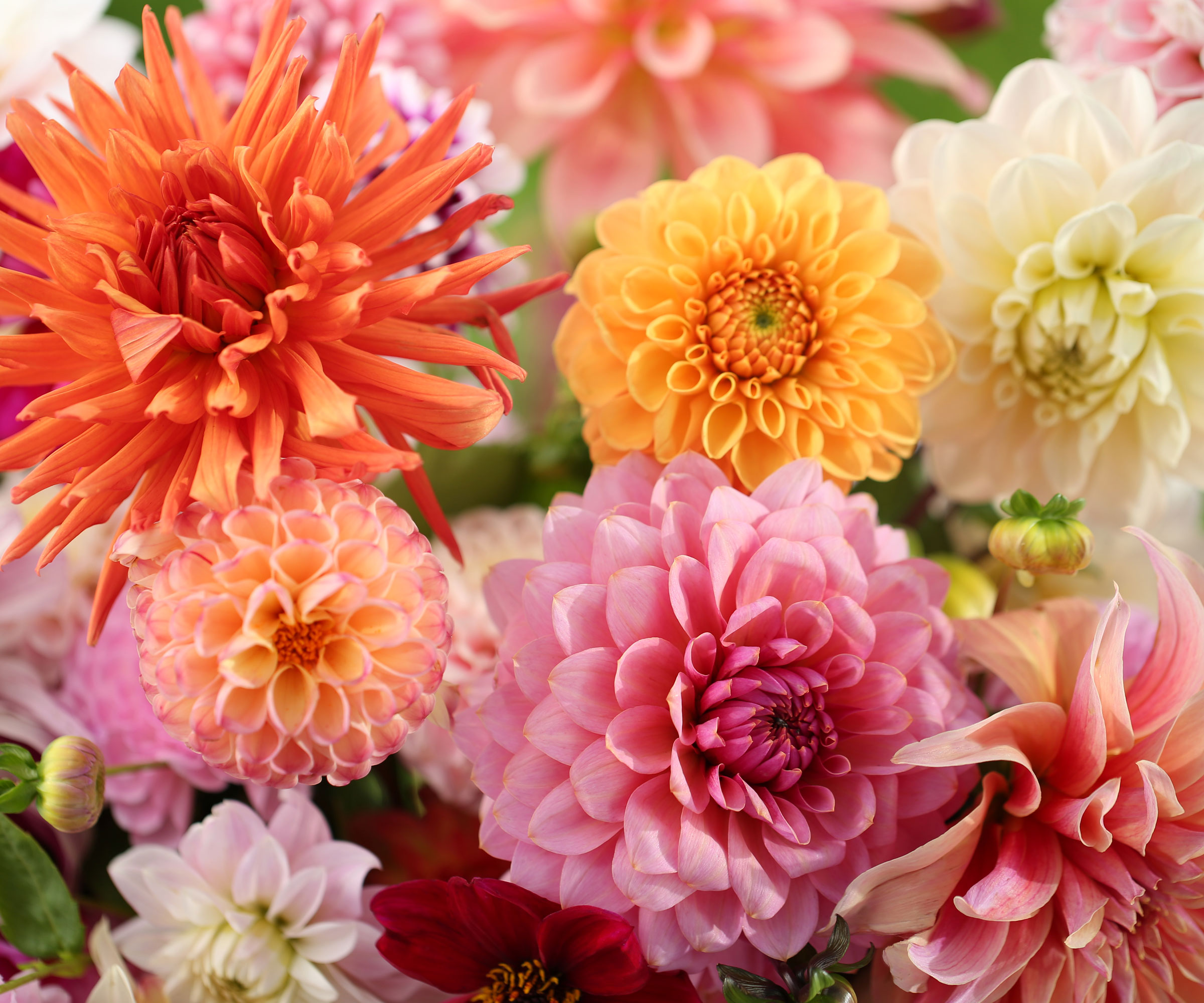
Not every dahlia eats the same. You’ve got your dinnerplate types with massive blooms that guzzle more, and smaller bedding dahlias that a little less hungry. Each variety, whether it’s the flashy ‘Café au Lait’ or the classic ‘Bishop of Llandaff’, has its hunger level, shaped by size and bloom style.
Climate and setup shake things up too. In hotter USDA zones like 10, ease off nitrogen to avoid burning those tender tubers, while cooler zones like 3 might need a richer mix to compensate. Container dahlias? They’re thirstier for balanced feeds since nutrients leach out fast.
Organic Fertilizer Options for Dahlias
(Image credit: AndreaObzerova / Getty Images)
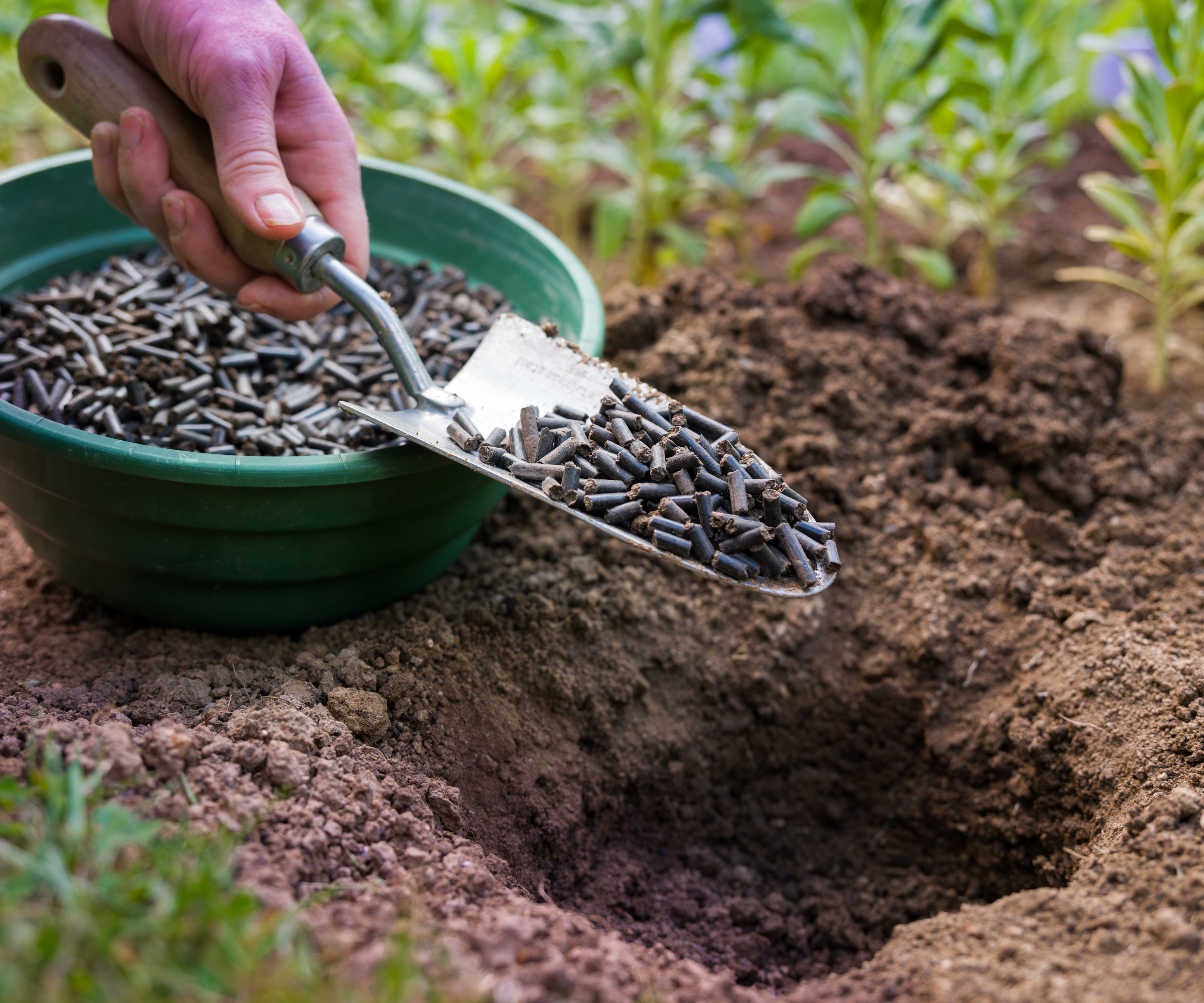
When it comes to the best fertilizer for dahlias, going organic can keep things natural and soil friendly. Compost is a champ, breaking down slow to feed those tubers steadily. Think kitchen scraps or yard waste worked into the bed. Bone meal’s another winner, packing phosphorus to amp up those blooms, and I’ve seen it transform gardens firsthand.
If you’re leaning chemical free, try fish emulsion for a liquid hit that dahlias love, especially in containers where quick uptake matters. Pair it with well-rotted manure for a balanced kick. A Down to Earth Organic Bone Meal like this one from Amazon is my pick for an easy, effective add-in. Just test your soil first, since overdoing it can still throw things off.
When and How to Fertilize Dahlias
Timing’s your best friend with dahlias. Kick off feeding when tubers sprout, about 4-6 weeks after planting, to build strong roots. Hit them again when buds form, typically late spring to early summer, and keep it going every 4-5 weeks through bloom season. June to September is the best time to feed.
How you apply it matters too. Sprinkle granular stuff like bone meal around the base, then water it in deep. For liquids, dilute and pour at the soil line, avoiding leaves to prevent scorch. Container dahlias need a half strength dose every couple weeks since pots drain fast.
Common Fertilizer Problems
Overfeeding
(Image credit: Alex Manders / Shutterstock)
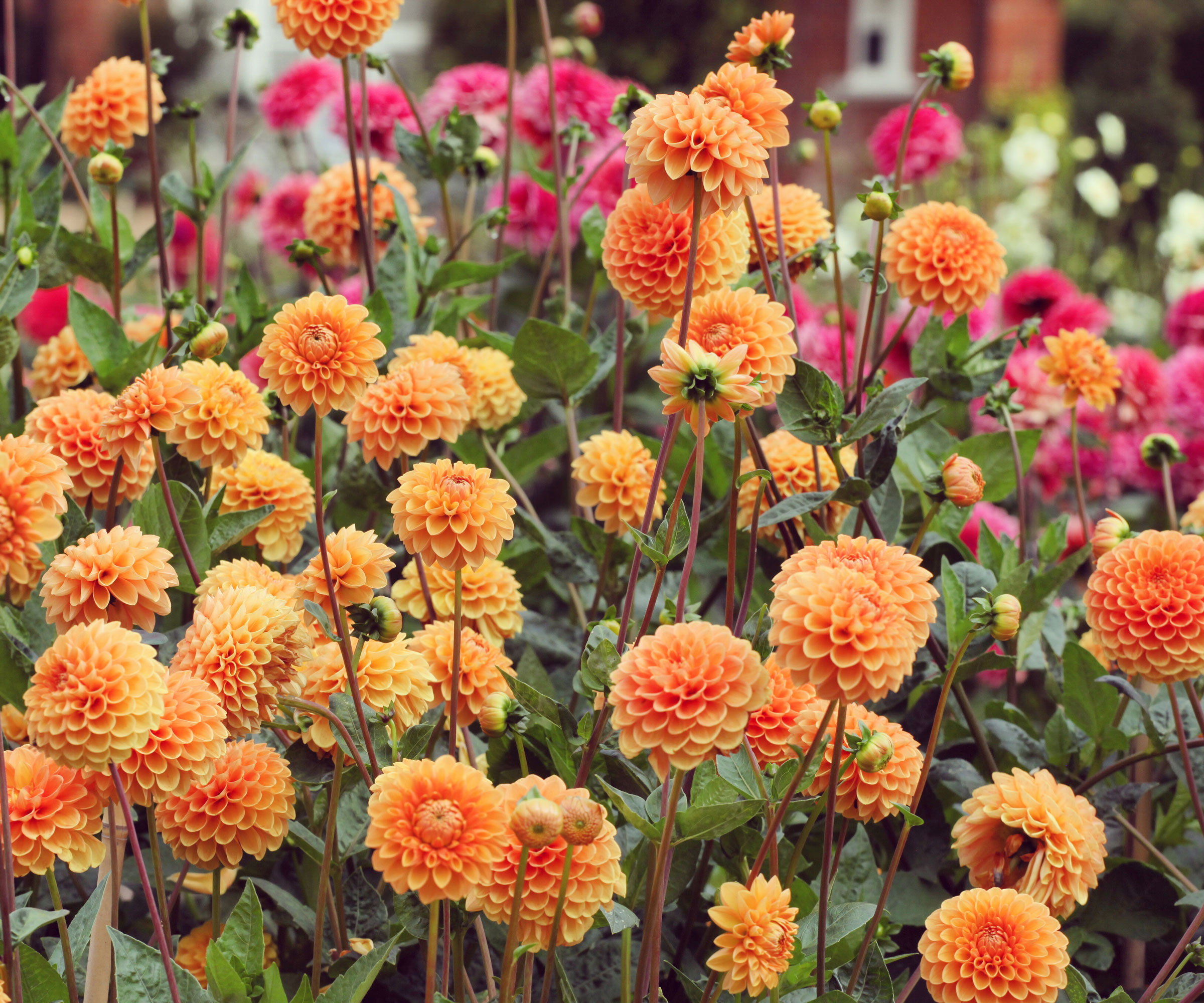
Overfeeding dahlias can turn your garden into a leafy mess, no kidding. Too much nitrogen, and you’ll get a jungle of stems with no flowers. I’ve seen it when folks overdo chemical mixes. In hot zones like USDA 9-11, this risk jumps, so go light.
Salt Buildup
Salt buildup’s another headache, especially in pots, messing with roots and drying soil out. Look for yellowing leaves or stunted growth as red flags to cut back. Even organic options can pile up if you don’t water well. Keep an eye out, and you’ll save your dahlias from a fertilizer flop.
Dahlia Fertilizer Aftercare
(Image credit: Kirin_Photo / Getty Images)
After feeding, don’t just walk away. Water those dahlias good to help nutrients sink in without stress. Mulch with straw or bark around the base to lock in moisture and shield roots, especially in the heat. I’ve seen it keep blooms steady.
Check plants weekly for signs. Lush growth is great, but wilting means tweak your feed. After dahlias have finished blooming, ease off to prep tubers for next year’s lift. Container dahlias need a water flush now and then to clear salt. Do it right, and your dahlias will keep dazzling.
Frequently Asked Questions
Is blood and bone good for dahlias?
Blood and bone can work for dahlias, but it’s a mixed bag. It’s rich in nitrogen and phosphorus, which they need, but the high nitrogen might push leaves over blooms. Use it sparingly early on. Testing your soil is a must to know when to add them.
Do dahlias like tomato fertilzer?
Tomato fertilizer’s got potassium and phosphorus, which dahlias dig for blooms, but it’s light on nitrogen they need for growth. It’s okay late season, but a balanced 5-10-10 is better overall.
















 English (US) ·
  French (CA) ·