

Basil downy mildew moves fast, and by the time most gardeners notice something is wrong, the plant is usually well into trouble. The good news is that the earliest signs are easy to spot once you know exactly where to look.
One day the basil looks fine. A few days later the leaves are yellowing, the undersides have gone fuzzy and gray, and half the plant is headed for the compost. That’s basil downy mildew, and it has wrecked more summer harvests than almost any other trouble this herb runs into. It’s a fairly recent arrival that spread fast, and most basil growers now run into it sooner or later.
It ranks among the nastier basil diseases because it works so quietly at first, doing a fair impression of a nutrient problem before the damage surfaces. By the time the cause is obvious, the plant is often too far gone to save. That slow start is most of why downy mildew on basil earns its reputation, and why knowing what it is helps.
What Is Basil Downy Mildew?
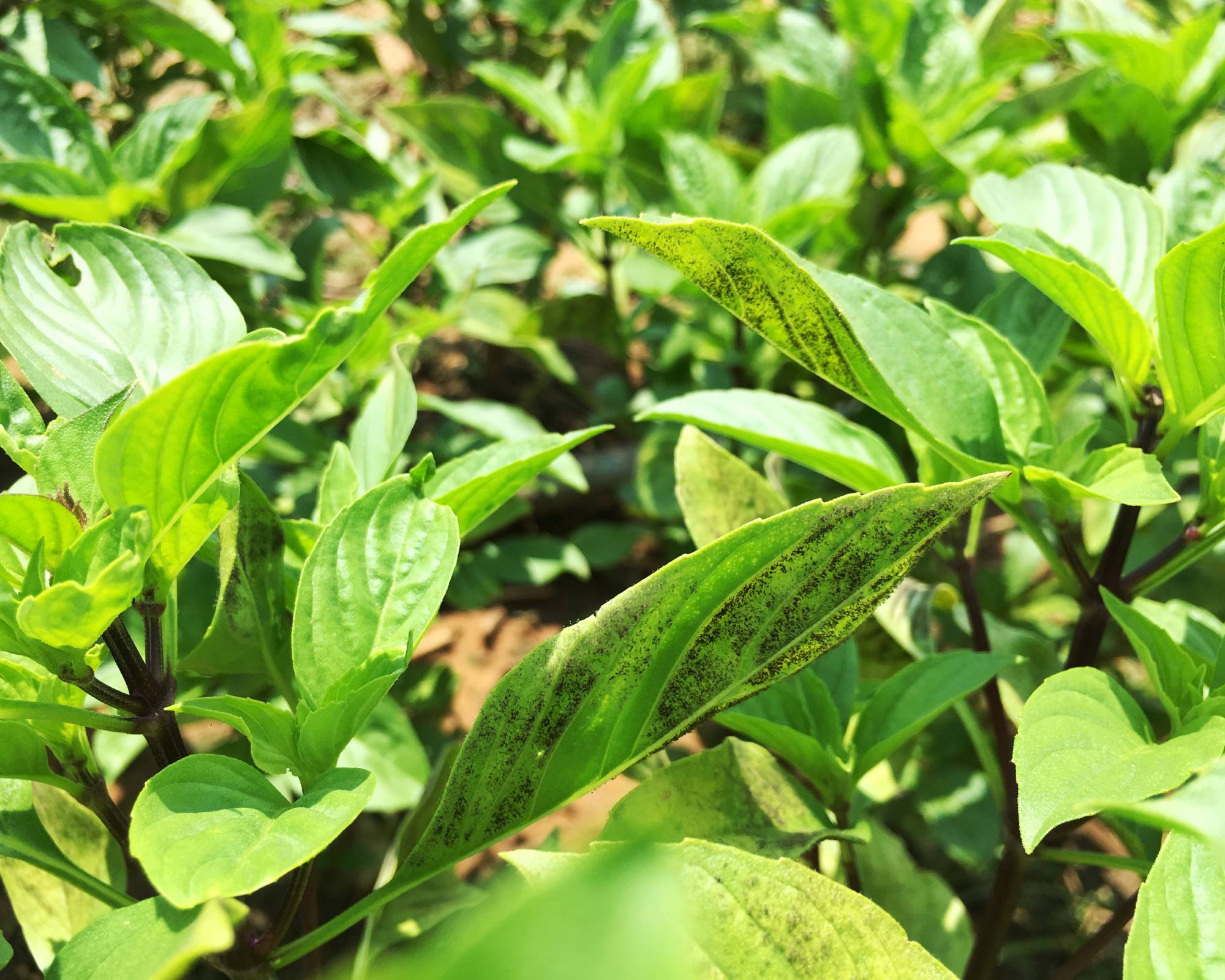
(Image credit: Korrakot / Shutterstock)
Despite the name, the culprit isn’t a fungus. It’s an oomycete, which is a water mold (Peronospora belbaharii) closer to the organism behind potato blight than to anything an ordinary fungicide was built for. Garden-store sprays don’t hit it the way they would a fungus, and that’s much of why it stays so hard to shift. It spreads on windborne spores, so a plant can catch it even in a spotless garden with no obvious source nearby. (Luckily, there are now some downy-mildew resistant varieties of basil like ‘Noga’ from Botanical Interests.)
Downy mildew spores don’t ask for much once they land. Warm days and muggy nights suit them, especially with water sitting on the leaves overnight. From there they germinate, work into the leaf, and infect the plant before the first yellow patch even shows. Sweet basil, the big soft-leaf type most people grow for pesto, takes the worst of it. The spicier small-leaf and citrus-scented basils shrug it off a bit better, though none are truly safe. Spores ride along on seed, too, so even a clean start from a fresh packet isn’t a guarantee you’ve dodged it.
Catching Basil Downy Mildew Early
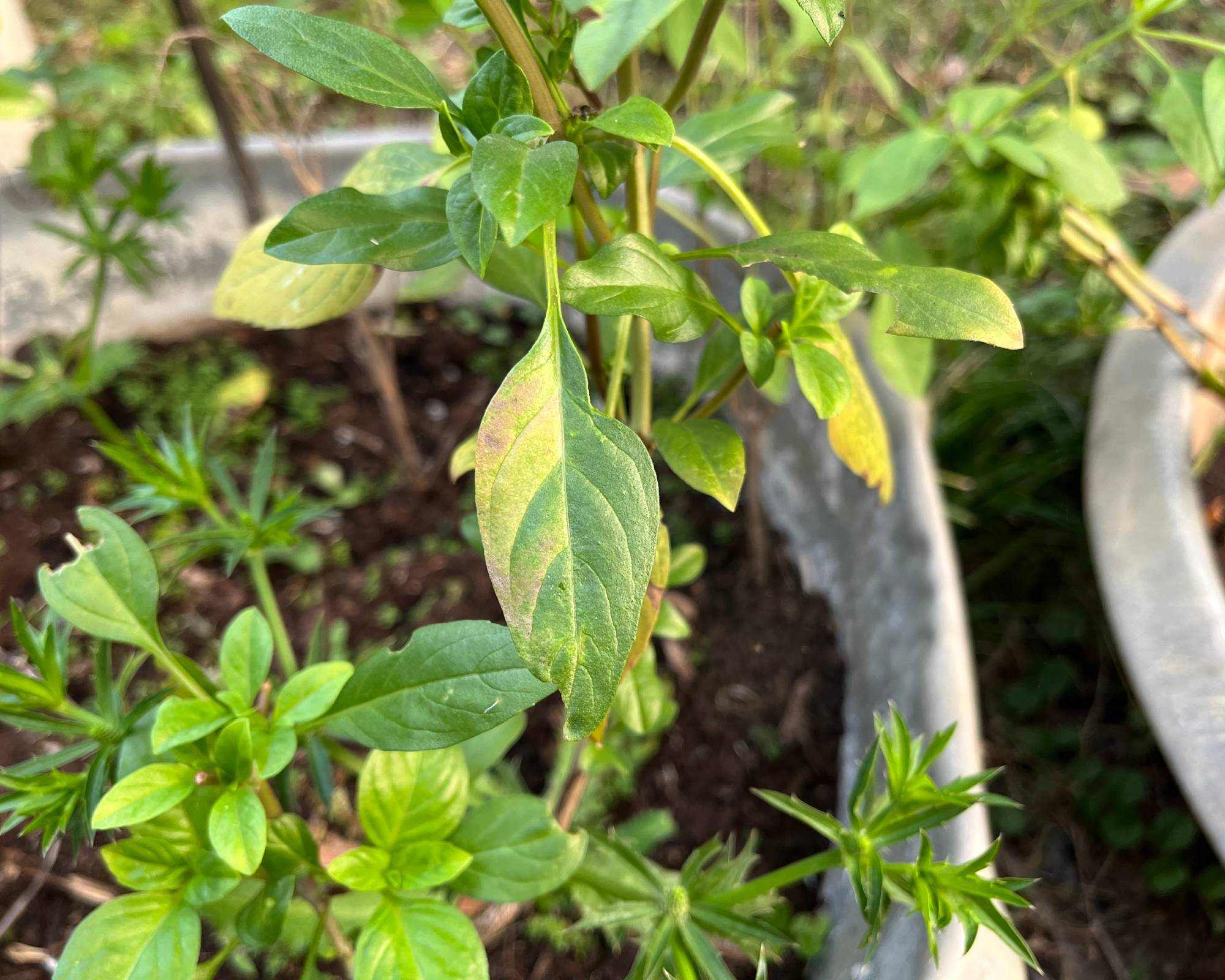
(Image credit: The natures / Shutterstock)
The first signs don’t usually look like a disease. Leaves begin to yellow, usually in patches fenced in by the veins, so the discoloration looks blocky and angular rather than spreading evenly across the leaf. A lot of growers take this for a feeding issue and reach for fertilizer, which does nothing here except burn a few days the plant can’t spare.
Flip an affected leaf over and look hard at the underside. There’s a dusty gray-purple coating down there, the sort of thing you’d swipe at assuming it was soil splash, except it doesn’t rub away. That coating is the pathogen making its spores, and a plant at that point is already dusting the air around it with the next round of infection. Turn a few leaves over twice a week through warm, humid weather. It’s the one check that actually buys you any time.
Treating a Basil Downy Mildew Infection
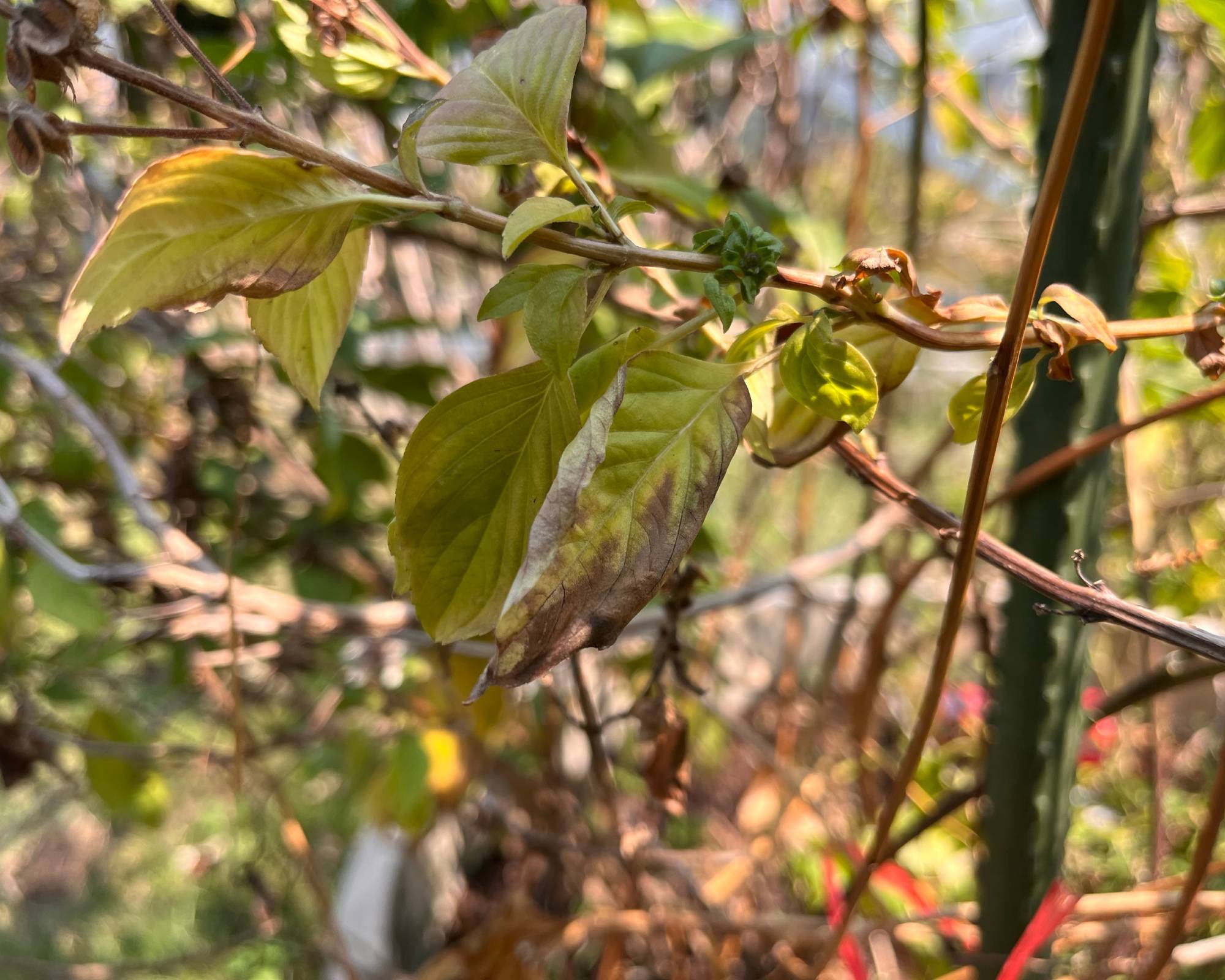
(Image credit: The natures / Shutterstock)
Here’s the blunt version: once downy mildew has a real grip, the plant isn’t going to recover. No home spray reverses an active infection. What you can do is slow it and rescue a harvest. Strip off affected leaves and pull hard-hit plants. Bag that debris rather than composting it, since the spores carry over, and get whatever is left drier and airier; the disease stalls once leaves stop staying wet.
Commercial products work better as shields than cures. Biofungicides built around beneficial bacteria, the Bacillus subtilis sprays like this from Amazon sold for vegetable patches, can hold the disease off plants that aren’t infected yet, applied before trouble starts. Copper-based fungicides like this from Amazon do something too, but keep expectations low; the effect on a water mold is modest, and rain rinses it off.
None of it brings back a plant already furred over with spores. Get the first spray on before symptoms, or save your money.
Keeping Downy Mildew off Your Basil
Once it shows up in your area, it’s not a matter of if—it’s when, and airflow is what decides how bad it gets. Prevention mostly comes down to one idea: take away the damp, stagnant air the disease feeds on. Spacing is where a lot of people slip up, crowding basil when it wants room to breathe. Give each plant more room than feels necessary and the air keeps moving.
Watering basil matters, too. Aim for the base, do it in the morning, and the leaves dry off over the day. The harder case is indoors or under glass, where the air just hangs. That’s where a small oscillating fan from Amazon earns its keep, pushing a breeze across the foliage to keep surfaces dry.
The easiest defense against downy mildew is actually to choose a variety of basil that is mildew resistant! A lot of sweet basils exist now because breeders set out to beat this thing. A downy mildew-resistant basil variety, like ‘Noga’ from Botanical Interests, paired with good airflow is about as safe as basil gets.
The rest is small stuff that stacks up. Choose healthy transplants and look them over first, since it rides in on infected starts as readily as on the wind. And keep cutting. Basil that gets picked often stays open and airy, and an open plant makes a frustrating target for something that needs everything damp and still.
















 English (US) ·
  French (CA) ·