

Early fall is make or break for a lawn: prep grass for success and it will get busy growing strong roots ready for a lush summer sward. Forgo October lawn care, however, and you can look forward to another year of bare patches and weeds. It’s easy to think of your lawn as an outdoor carpet but this is a rug you grow, and grass is no different from any other plant, so a little pre-winter lawn care will reap big rewards next year.
In October, the right lawn care tasks to undertake depends on what turfgrass you grow. If your lawn is made up of cool-season grasses such as fescue, bluegrass or ryegrass, it will keep growing through fall, building deep roots before winter dormancy. If your lawn is a warm-season turfgrass like Bermuda, St Augustine or zoysia, October is the month grass starts to go dormant with growth slowing down, giving weeds an opportunity to take hold.
You don't have to find time to get all these fall lawn care tasks done, but do some and you can look forward to lush results. It's been a tough year for all our lawns, so here's your opportunity to revive and repair grass after summer heat.
1. Aerate the Ground
(Image credit: Getty Images)
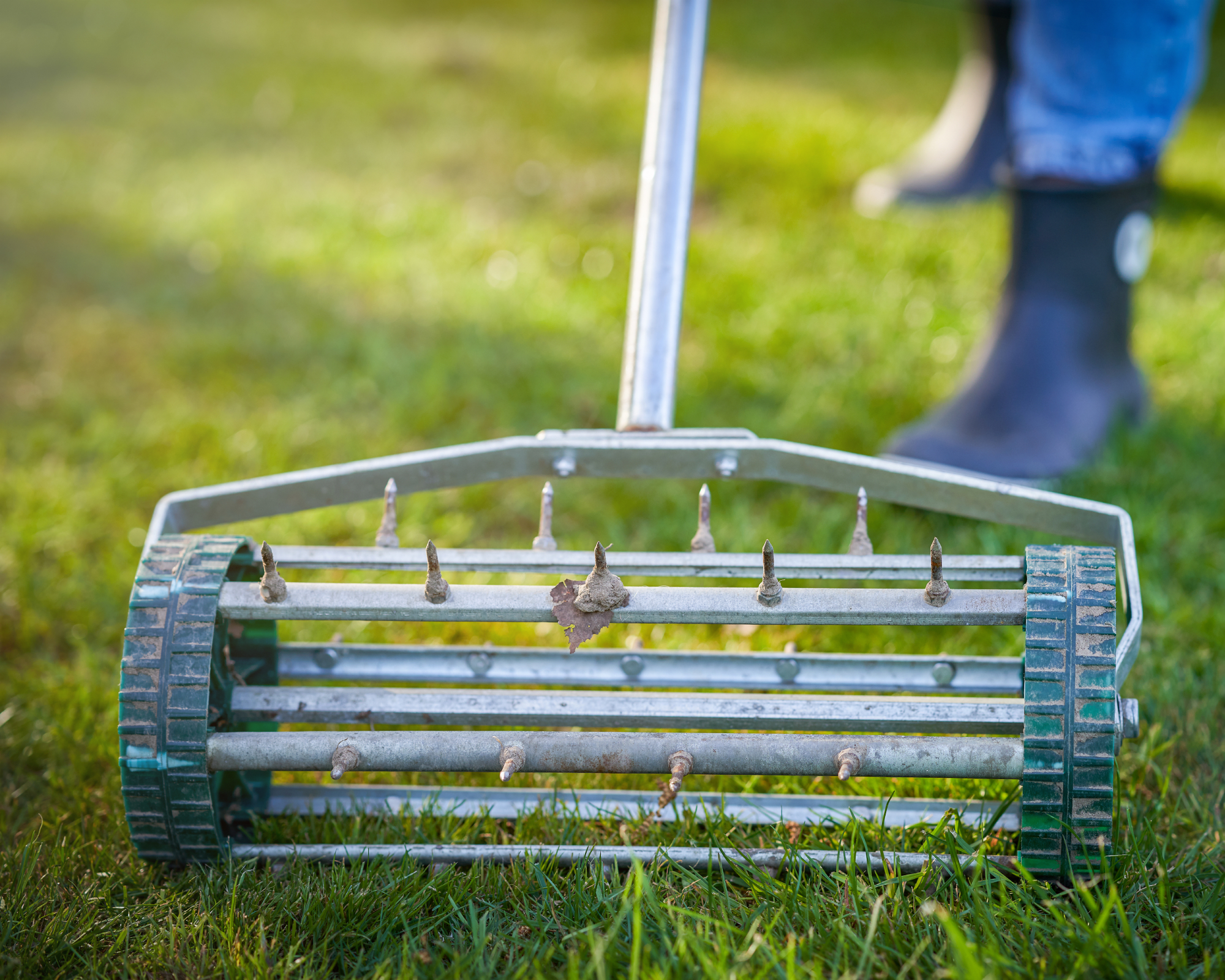
If you only do one fall lawn-care job, make it aerating your lawn. Punching hundreds of tiny holes into your lawn will help grass recover from the hot, dry summer, allowing essential moisture and oxygen into the soil to fuel root growth. While you can simply push the tines of a garden fork into the ground to aerate lawn soil, the quick and easy way to aerate your lawn is with a rotary lawn aerator such as this Heavy Duty Rolling Lawn Aerator from Walmart.
Lawn aeration will also improve the soil structure for better drainage and fewer soggy patches of waterlogged ground through fall and winter.
2. Fill In Bare Spots in Cool-Season Lawns
(Image credit: Getty Images)
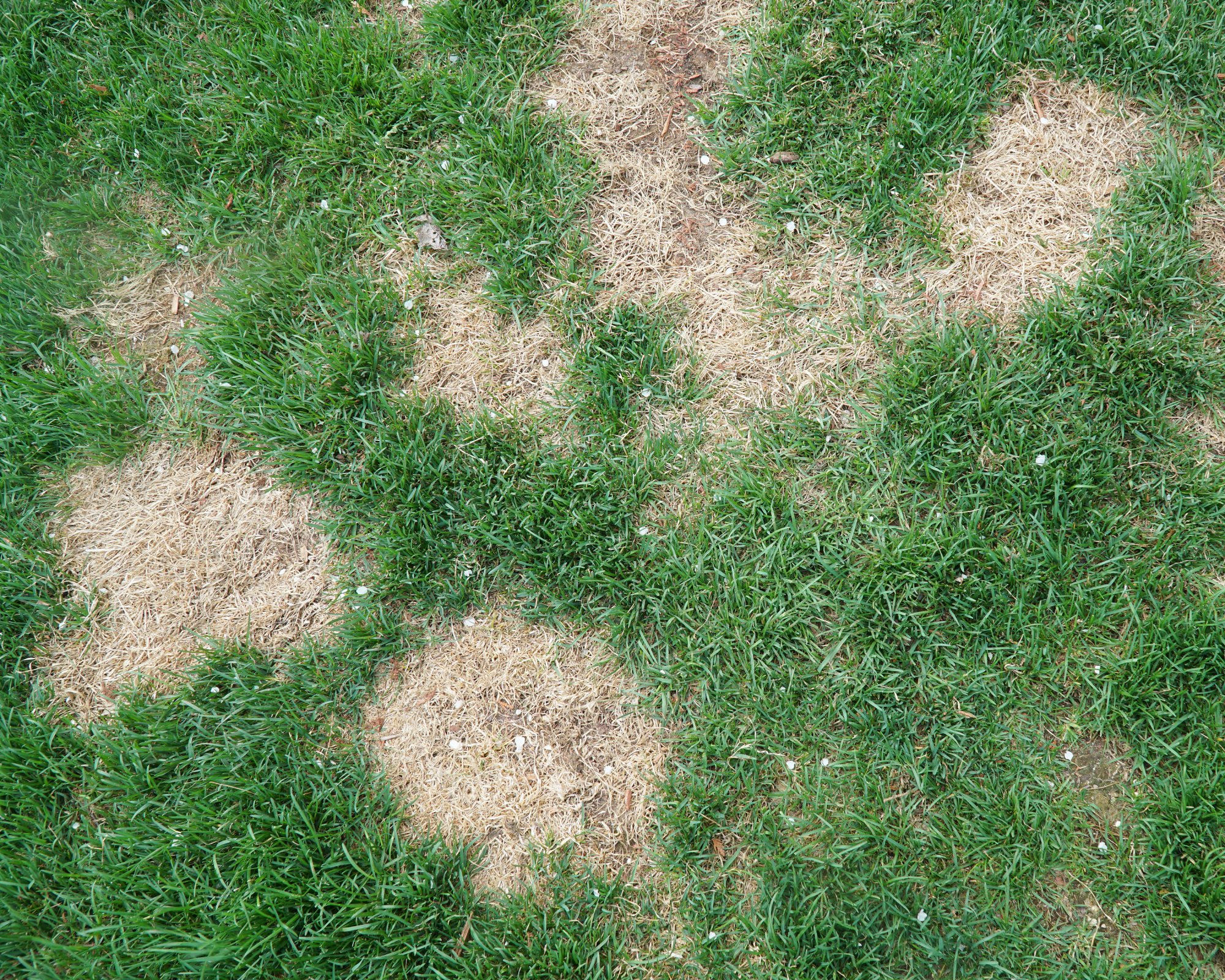
In many parts of the country, October brings warm soil and and cool air, which is the perfect combination for grass seed germination. If your cool-season turfgrass has suffered from foot traffic, dog play or drought this summer, now is an ideal time to repair bare patches in a lawn. And if you've just aerated your lawn, then all those tiny pinholes will help seed germinate fast, too.
First, it's wise to do a five-minute test to check grub worms aren't behind any bare patches of lawn. Then loosen up the topsoil with a rake and spread a seed product such as this Tall Fescue Lawn Repair Mix from Lowe's. Water, then continue watering to keep the soil moist until the new grass is growing well.
If the entire lawn looks spotty, October is also a good moment to overseed your lawn, adding new seed to the turfgrass to create a thicker, lusher sward. First, mow the grass shorter than you normally would, then choose a suitable seed and apply with a broadcast spreader to get an even coverage. There's no need to fork out for a push-along spreader to overseed an average-sized lawn as a cheap hand-powered spreader like this Scotts Whirl Spreader from Walmart does the job just fine. Again, keep the soil moist until the seeds germinate and grass is established.
3. Fertilize Cool-Season Grass for Strong Roots
(Image credit: New Africa / Shutterstock)
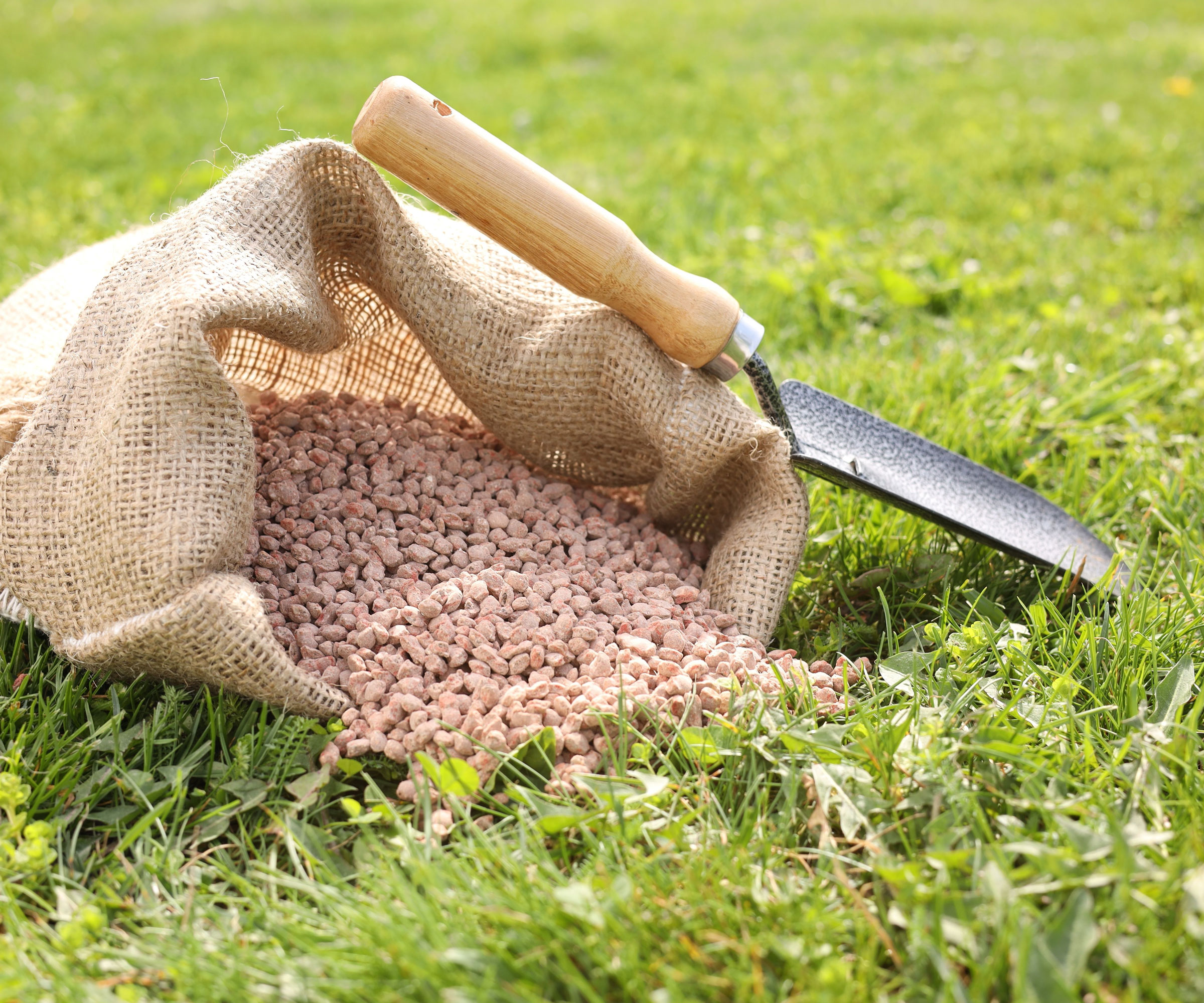
Cool-season turfgrass is still actively growing in fall, allowing you to fertilize a lawn in fall. This input of energy helps grass to recover from summer stress and stocks up reserves in the roots that plants will use all winter long. If you overseeded, do check first that the seed product used didn't already have fertilizer included, as many do.
Choose a fertilizer that's purposely made for fall application and prioritizes strong root growth such as Scotts Turf Builder WinterGuard Fall Lawn Food, available from Amazon. With a low nitrogen content, it won't cause a surge in blade growth with winter just around the corner, but has potassium to strengthen roots and make the grass more cold hardy. Follow the packet instructions carefully and don't be tempted to over-fertilize. Timing it just before a good rain shower will save you having to water it in.
4. Mulch Fallen Leaves Instead of Raking
(Image credit: Katrin Ray Shumakov / Getty Images)
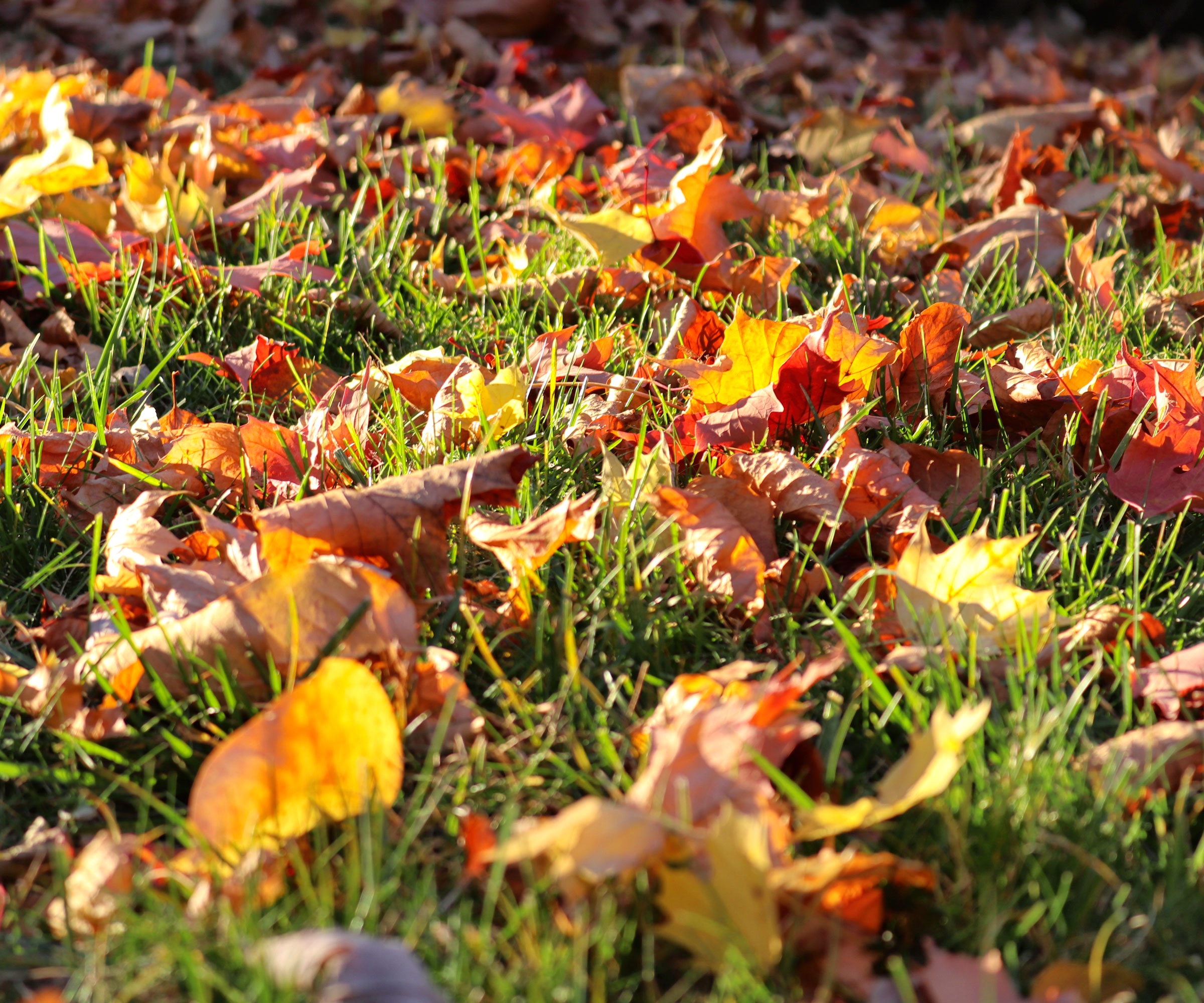
Regardless of the type of grass you have, lightly mulching a lawn with fall leaves is another way to add nutrients to the ground, and it'll save you the job of raking them up. Run the lawn mower over fallen leaves a few times until they're cut into small pieces about the size of dimes then leave 'em lie. They'll slowly break down over winter to feed the soil.
It's important not to smother grass with leaf mulch because this chokes out the grass and invites disease, so only ever create a light scattering and rake out any clumps so air and water can still get down to the grass.
5. Banish Weeds from Warm-Season Grasses
(Image credit: Getty Images)
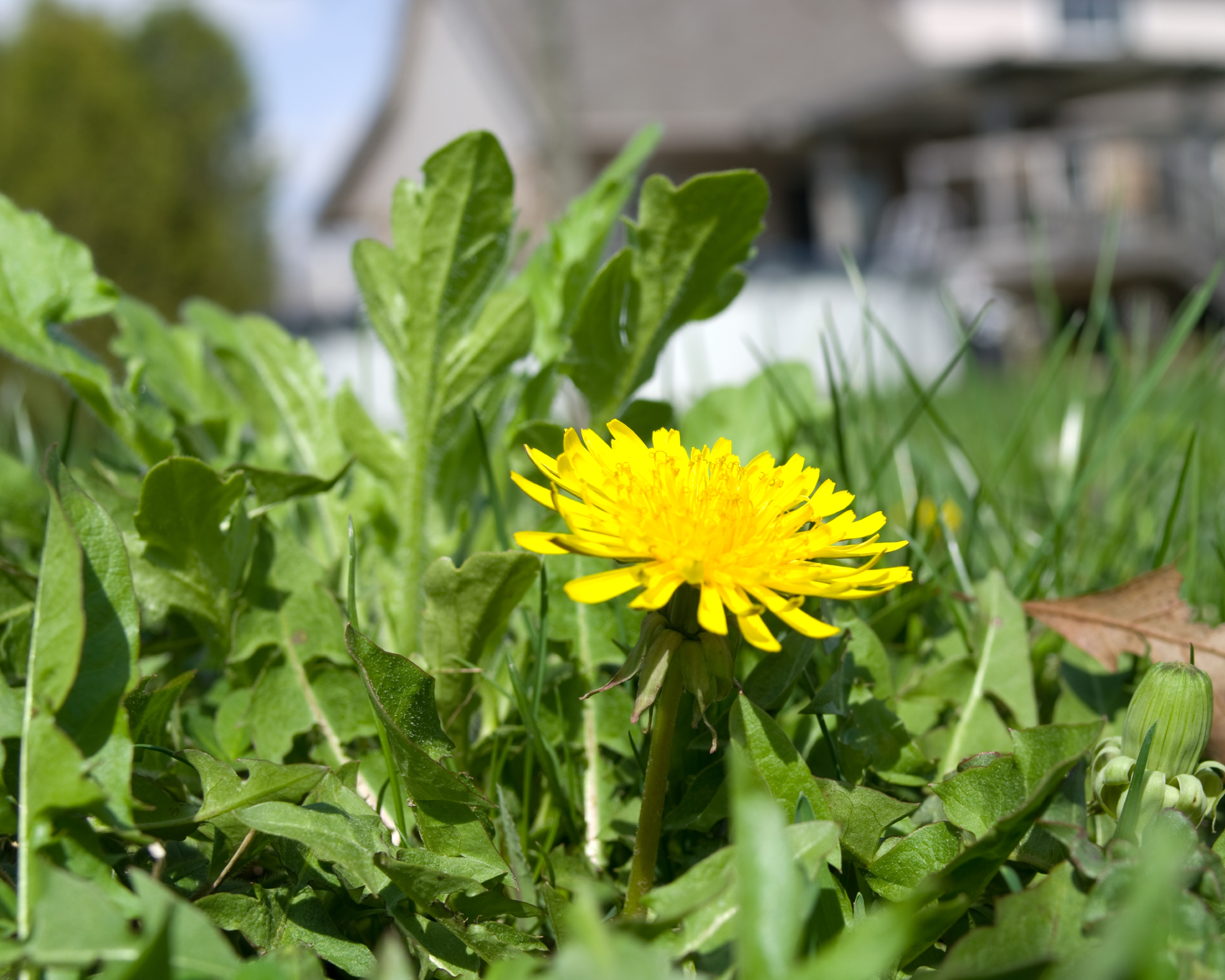
There's a short window in the first half of October for keeping winter weeds out of warm-season grass, when you can spread a pre-emergent herbicide such as BioAdvanced All-In-One Lawn Weed Crabgrass Killer, available from Lowe's. Check the weather forecast to choose a time without prolonged rain that may wash away some of the product.

(Image credit: Getty Images)
Take care of these October lawn tasks and you'll prep the grass for a great season of growth next year. Just doing one job will make a big difference – and if you do all five, then you can look forward to having the lawn of your dreams next summer.



















 English (US) ·
  French (CA) ·