

 5 months ago
189
5 months ago
189
PROTECT YOUR DNA WITH QUANTUM TECHNOLOGY
Orgo-Life the new way to the future Advertising by AdpathwayThere is a difference when you grow herbs indoors vs. outdoors, but thankfully, you can do either. Plants like to grow outdoors in their natural habitat, especially in the mild and pleasant weather of spring, but the elements, space limitations, and even pests can hamper a healthy harvest of fresh herbs.
Indoors, you don’t have to deal with any of that. Your space is protected from the outdoor elements that can make gardening difficult in the springtime. As long as you have a good space, good containers, the right lighting, and you care for your indoor herb garden, you’ll be able to harvest handfuls of herbs on the regular.
If you plan to do both indoor and outdoor growing, it’s good to know the differences. They aren’t huge, but they are slight enough that we will review them here. Take these into account, and maybe you’ll opt for a year-round herb garden that goes indoors when outdoor conditions are too hot or cold.
Herb Bundle
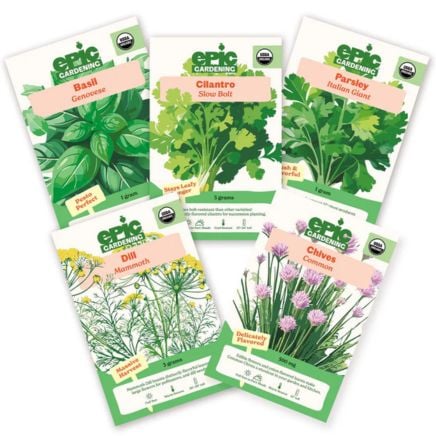
Delight in a wealth of flavor with our Herb Garden bundle! Each of these five varieties of USDA Organic seeds is surprisingly easy to grow, even for new gardeners.
Growing Herbs Indoors vs Outdoors
While spring is the perfect time to grow herbs outdoors, context is everything. Various limitations make one preferable over the other. In most of the continent, spring’s conditions are excellent for growing herbs, as the weather is mild, and many pests and diseases haven’t proliferated just yet. This isn’t the case everywhere, though.
Which is Better for Spring?
Let’s get into the nuances related to why someone would prefer to grow herbs indoors vs. outdoors. While spring can be an amazing season with mostly mild conditions, in some regions, spring is already pretty hot, and pests and diseases never really leave for winter.
On the flip side, indoor growing may require extra gear for the greatest success. Space can also be limited. Let’s get into the details.
Outdoor Growing in Mild Climates
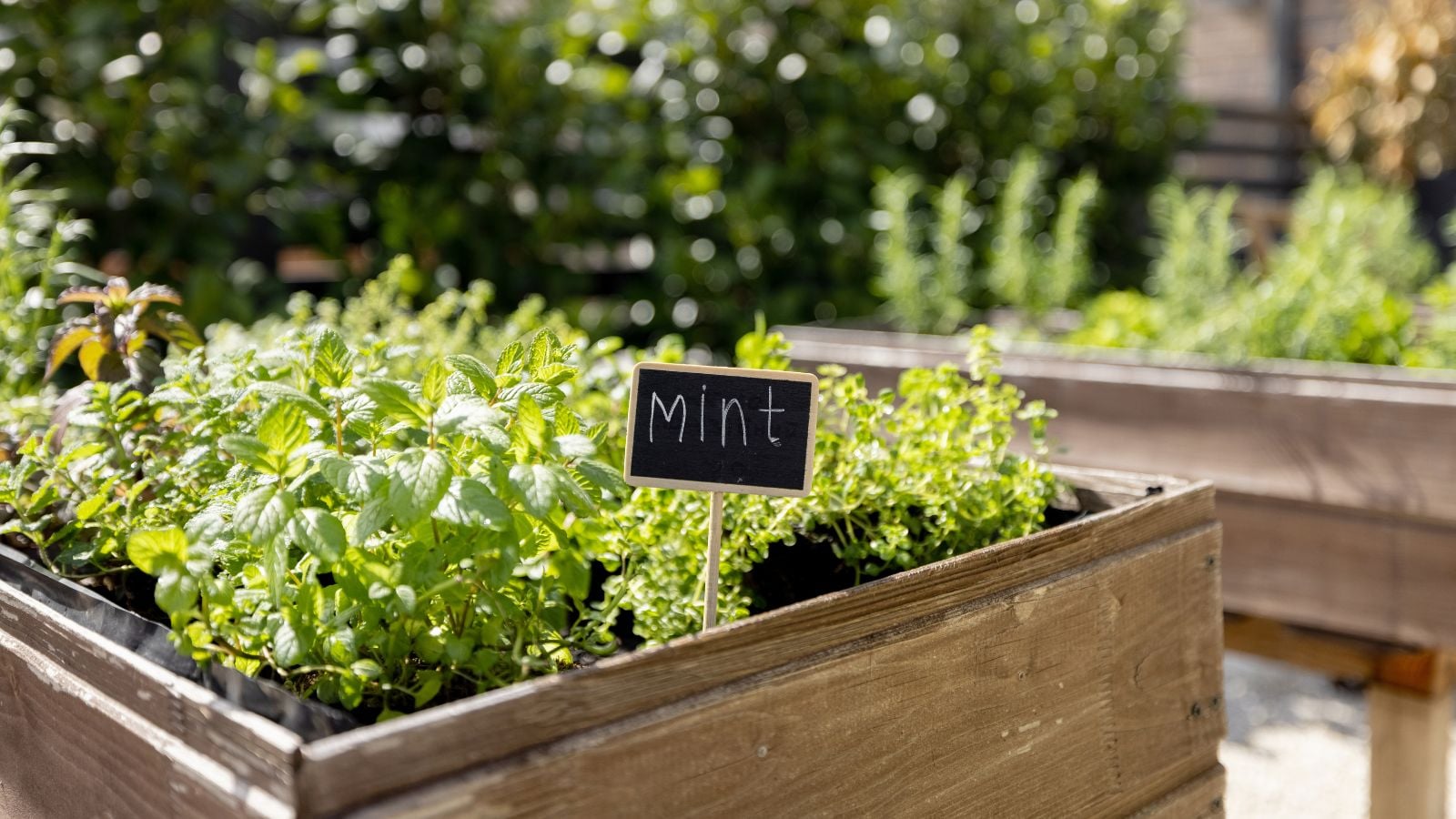 In mild climates, spring is perfect for sowing many herbs outdoors.
 When you grow outdoors, what you can grow is only limited by your available space, sunlight, and water access. If you live in areas outside the tropics, spring has lovely weather that supports herbs as they establish themselves, and provides some water for you in the form of rain. Even in smaller spaces, throwing a small herb plant in a pot and watering daily is easy in spring.
Once you have a few branches of your herbs, start harvesting. It will be a small harvest at first, but continuing to prune will promote bushier, happier herbs. These plants were cultivated specifically for this purpose, and they respond best when they’re being used. Otherwise, they can flower and may lose their flavor. This depends on the herb in question, though.
Outdoor Growing in Warm Climates
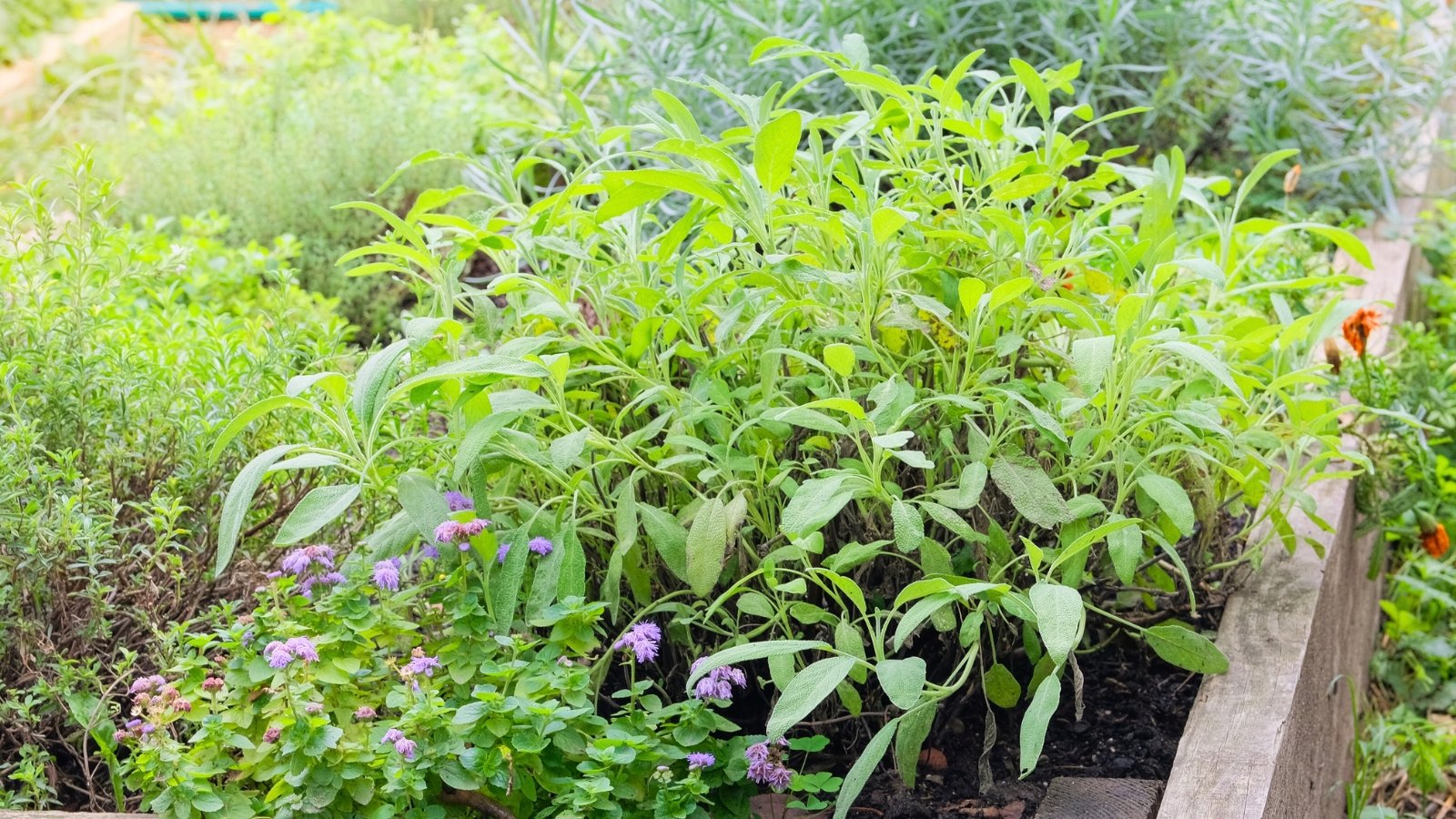 If spring temperatures are too high, certain herbs may struggle.
However, in warm areas, herbs may be subject to many limitations. Heat may already be surging, making it hard for herbs to root into new containers or garden beds. Most herbs don’t have many issues with the common pests, but they can be around to feast on the supple herb leaves. Diseases can also take hold when conditions are warm.
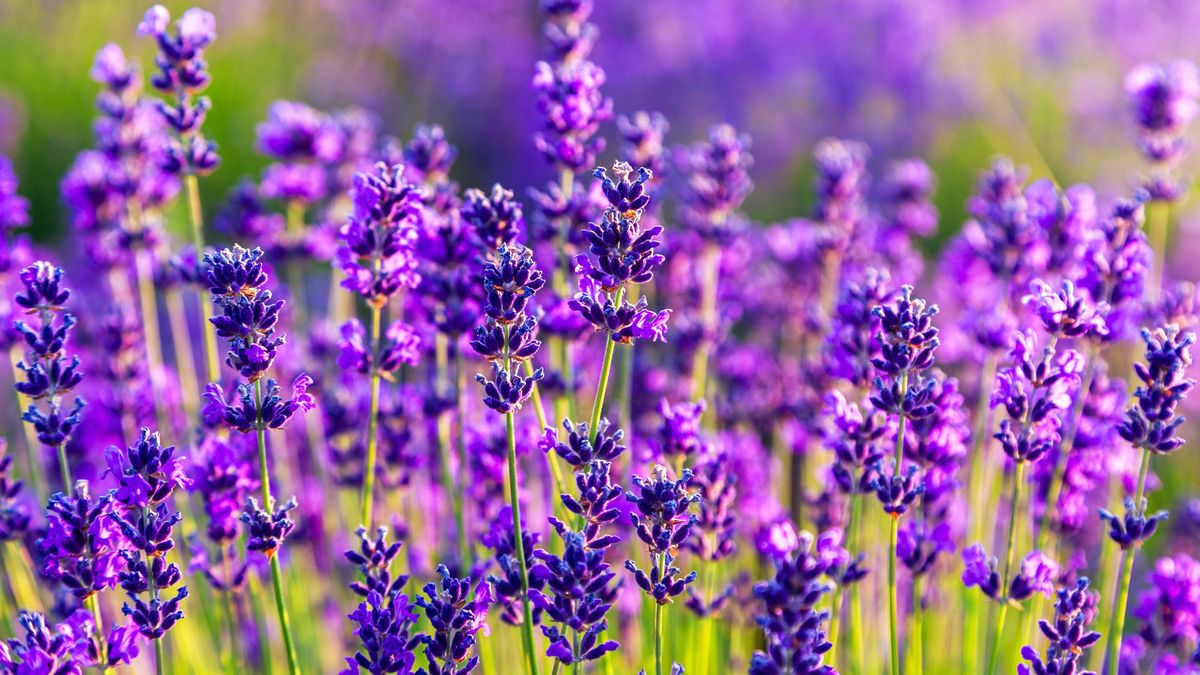
If you live in an area with a temperate, rainy spring, plant your herb transplants in the garden, and watch them thrive. In warmer areas, you can still garden herbs. Start with those that tend to be heat-tolerant, like rosemary, oregano, sage, and lavender. Then give them a well-draining soil and remember to water daily as they settle in. You can certainly plant more tender herbs as well. They’ll just need some extra care.
Once your herbs take off, look out for pests and diseases. If you’re growing in a region where butterflies live, consider planting more parsley, dill, and rue for swallowtail butterflies. Their larvae will eat these herbs. If you’re dealing with aphids, blast them with a strong stream of water from a hose. Prune away areas that are infested or seem rotted or discolored.
Indoor Growing
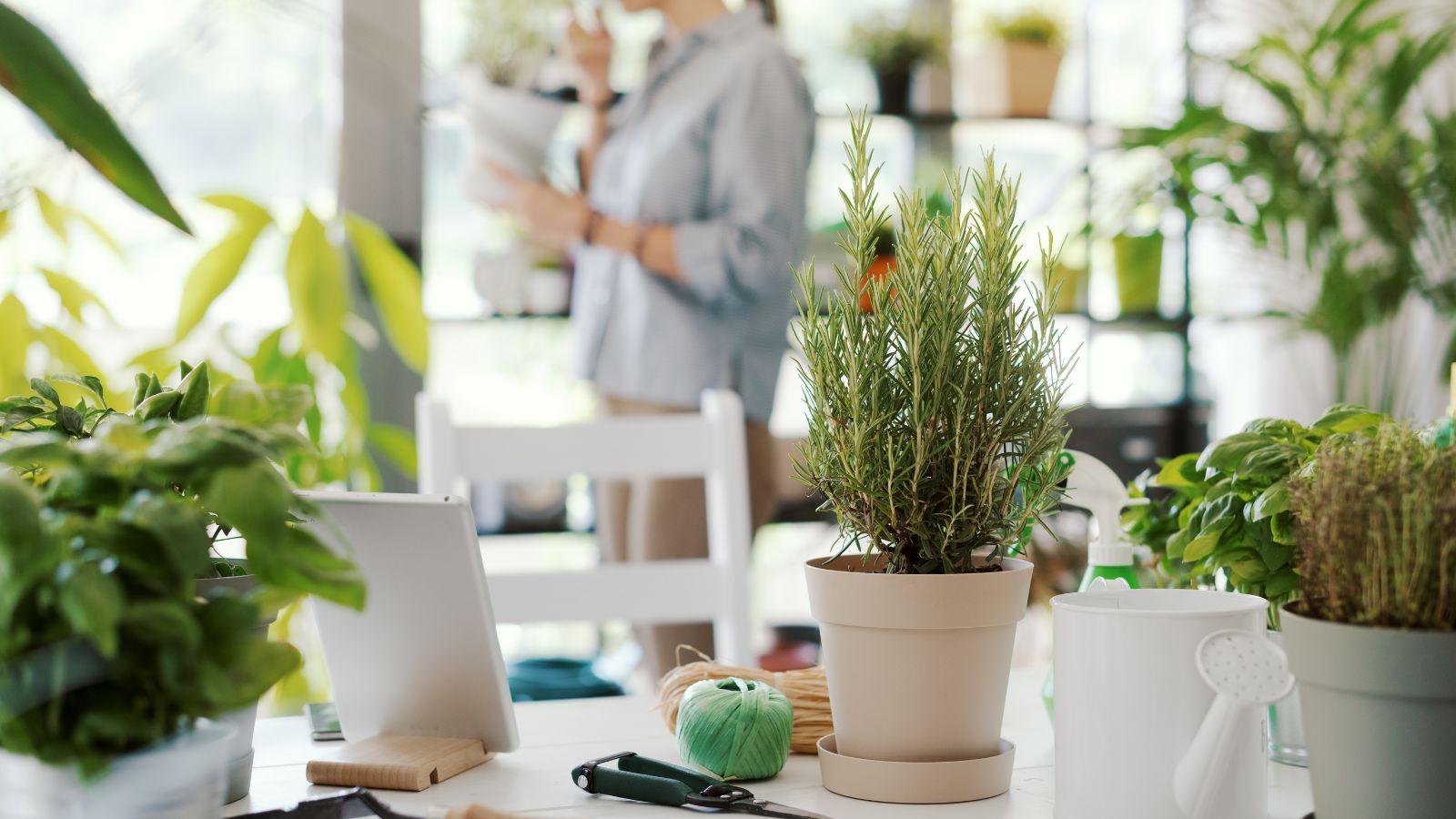 Indoor growing is great year-round.
 If you’re in one of those areas that has harsh outdoor conditions, you can grow an indoor herb garden.
This could be as simple as a single container with one or two herbs growing within it. It could be as complicated as a full vertical garden that drains into a basin in your kitchen. It could be somewhere in between, with several small containers that provide herbs for you and your family year-round.
Whatever you decide, when you’re looking to grow herbs indoors vs. outdoors, know that indoor growing has limitations as well, outside of the need to clear a space indoors. If you don’t have a south or west-facing window with at least six hours of full sun per day, you’ll need a grow light.
You’ll also need a rich soil mix that drains well for your containers, which should also have drainage holes. As you’re growing your herbs, the container soil can get exhausted from regular watering. To counteract this, provide an organic liquid fertilizer diluted to half strength once every four to six weeks during the growing season.
Because you’re growing on a small scale (most likely), choose herbs that do best in smaller plantings. Basil, chives, parsley, rosemary, and oregano all apply here. Do note that though you won’t have as many pests to deal with, there could be some, so scout regularly.
Doing Both
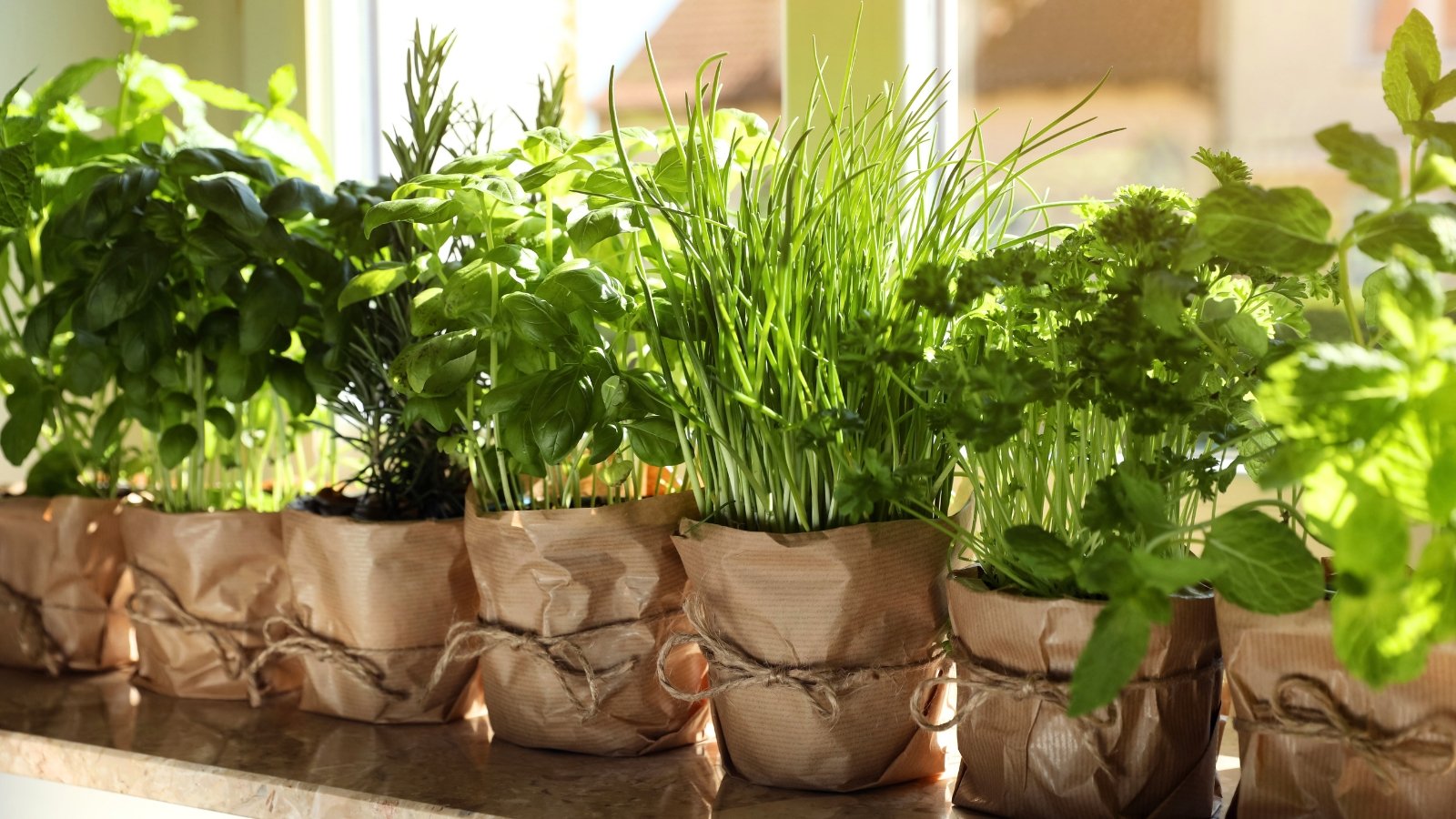 Choose some herbs to grow indoors in pots and keep the rest outdoors.
 We’ve discussed the differences that arise when you grow herbs indoors vs. outdoors. But you can do both. Not only can you plant perennial herbs that will grow year-round outdoors, but you can also have a small indoor herb garden. Or you can keep the entire garden in containers, and move them in and out as conditions become favorable or unfavorable outdoors.
Spring is an ideal time for planting most herbs, and expanding the garden both into your home and into your yard is a great way to maximize the variety of herbs you grow and the amount you can harvest. As long as you have room and you can simulate the right conditions, you’ll have tons of herbs for cooking and teas.
One note: if you’re moving plants indoors from outside, do a good check for pests and diseases before you do. Both diseases and pests can thrive in small indoor spaces where plants are crammed together. Skipping this step could force you to start over next spring.















 English (US) ·
  French (CA) ·