

 16 hours ago
9
16 hours ago
9
PROTECT YOUR DNA WITH QUANTUM TECHNOLOGY
Orgo-Life the new way to the future Advertising by AdpathwayOut of Town Blog
Halad Inasal Festival in Talisay City
Halad Inasal Festival: Discover Talisay City’s Famous Lechon and Cebuano Traditions
Talisay City, Cebu, is known for lechon, a Filipino roasted pig prized for its crisp skin, tender meat, and rich flavor. Every October, the city’s culinary identity takes center stage during the Halad Inasal Festival, a celebration that brings together religious devotion, street dancing, local traditions, and the community’s pride in its famous roasted pork.
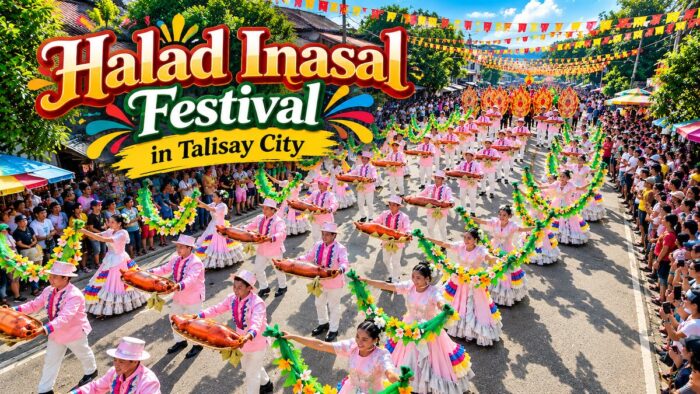 Halad Inasal Festival in Talisay City
The festival honors Santa Teresa de Avila, the city’s patroness, while highlighting lechon’s importance to Talisay’s cultural heritage and local economy. Colorful performances, lechon-inspired costumes, parade presentations, and food-centered activities make the celebration an appealing destination for travelers interested in Cebuano culture.
The name reflects the festival’s central themes. In Cebuano, halad means offering, while inasal refers to roasted meat, particularly the lechon associated with Talisay. Together, the words express the connection between thanksgiving, religious faith, and the city’s celebrated culinary tradition.
For visitors exploring Cebu, the Halad Inasal Festival offers an opportunity to experience a local celebration beyond the island’s beaches and resort destinations. It also provides a reason to explore Talisay’s food scene, historical landmarks, and nearby attractions.
Quick Facts About the Halad Inasal Festival
- Location: Talisay City, Cebu, Philippines
- Usual celebration period: October, around the feast of Santa Teresa de Avila
- Cultural significance: Thanksgiving, religious devotion, local identity, and lechon heritage
- Main attractions: Street dancing, festival performances, lechon-themed presentations, and food activities
- Signature food: Talisay lechon, or roasted pig
- Patroness: Santa Teresa de Avila
- Ideal visitors: Cultural travelers, food enthusiasts, families, photographers, and Cebu tourists
- Travel planning: Check the city’s announcements for the current program, parade route, venue, and transport arrangements before departure.
The festival is traditionally associated with October 15, the feast day of Santa Teresa de Avila. Activities may take place on surrounding dates, and the exact schedule can vary. Travelers should confirm the latest arrangements with the city government before making specific plans.
What Is the Halad Inasal Festival?
The Halad Inasal Festival is a cultural and religious celebration that highlights two important aspects of Talisay City: devotion to its patroness and its reputation for lechon.
The celebration brings these traditions together through public festivities that feature street dancing, performances, and presentations inspired by the city’s culinary heritage. Participants often incorporate images of roasted pigs, cooking-related movements, and local cultural references into their costumes and choreography.
The festival also gives residents, schools, community groups, food vendors, and local businesses a chance to join a shared celebration. Its appeal extends beyond the performances because it represents the city’s efforts to preserve local identity while attracting visitors to Talisay.
For tourists, the festival offers a closer look at how food, faith, and community celebrations intersect in Cebuano life.
History and Religious Significance of the Festival
A Celebration Rooted in Devotion
Santa Teresa de Avila, also known as Saint Teresa of Jesus, is the patroness honored during Talisay City’s annual fiesta. This religious celebration is central to the festival’s identity, giving the festivities a purpose that extends beyond entertainment and tourism.
The term halad conveys the idea of an offering or an act of giving. Within the celebration, the offering reflects gratitude and devotion to the city’s patroness. The festival’s religious dimension distinguishes it from food festivals that focus mainly on culinary competitions or commercial activities.
Visitors should remember that the festivities take place alongside religious observances. Church services and devotional activities may form part of the wider fiesta program, although schedules and arrangements can change from year to year.
From Inasal Festival to Halad Inasal Festival
The city’s inasal celebration emerged to promote Talisay’s signature roasted-pork industry. Historical accounts identify 2005 as a key year for the Inasal Festival, organized to showcase the city’s specialty and complement the annual fiesta.
The name Halad Inasal emphasizes the connection between the food tradition and the religious celebration. The festival later became a recognizable expression of Talisaynon identity, combining lechon-themed displays and performances with thanksgiving to the patroness.
Why the Festival Matters to Talisay Residents
The festival gives residents a public platform to celebrate their heritage and pass local traditions to younger generations. Schools and community groups perform pieces that draw on the city’s identity, while lechon vendors and food businesses help keep the culinary tradition visible.
The celebration also boosts local tourism by encouraging visitors to explore Talisay, sample its food, and discover attractions beyond Cebu City’s main tourist districts.
For travelers, understanding this background adds context to the costumes, dance movements, and food displays. The celebration becomes more meaningful when viewed as an expression of faith and local pride rather than a parade alone.
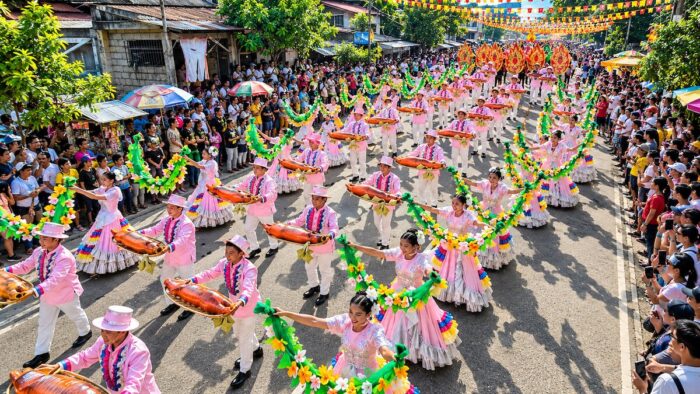 Halad Inasal Festival
Festival Highlights and Activities
The exact program changes each year, but the Halad Inasal Festival includes several activities that showcase Talisay’s religious traditions, performing arts, and culinary heritage.
1. Street Dancing and Cultural Performances
Street dancing is among the festival’s defining attractions. Participating contingents perform choreographed routines in colorful costumes, often incorporating themes connected to lechon preparation, local history, and devotion to Santa Teresa de Avila.
The performances combine music, synchronized movements, and visual storytelling. Some presentations use lechon-inspired props to connect the choreography with Talisay’s culinary identity.
Travelers should arrive early for a good viewing spot along the parade route. Crowds may gather along sidewalks and near performance venues, especially during the main events.
2. Lechon-Themed Parade and Presentations
Lechon is central to the festival’s identity, so roasted-pig imagery often appears in floats, costumes, and other festival presentations. Historical celebrations have included creative lechon-themed displays that highlight the city’s pride in its signature food.
These presentations offer a visual introduction to Talisay’s culinary heritage. They also demonstrate how local communities adapt a familiar food into a symbol of collective identity.
The parade format and participating groups vary by year. Visitors should check the announced route and performance schedule before choosing where to watch.
3. Festival Dance Showdown
Some editions feature a formal dance competition or ritual showdown, where participating groups present prepared routines before judges and spectators.
These performances give schools and community contingents a chance to showcase choreography, costume design, musical coordination, and storytelling. The routines may interpret religious devotion and the preparation or enjoyment of lechon through movement and theatrical presentation.
For photography enthusiasts, the competition offers opportunities to capture expressive costumes and coordinated formations. An unobstructed view is especially useful when groups perform on a stage.
4. Food Stalls and Lechon-Centered Activities
Food is one of the festival’s main attractions. Depending on the edition, visitors may encounter lechon vendors, food stalls, community markets, and other dining options around designated festival areas.
These activities let travelers sample Talisay’s best-known specialties while supporting local food businesses. They also appeal to visitors who want to combine sightseeing with a Cebuano food trip.
Festival food offerings, stall locations, and operating hours vary. Travelers should bring cash as a backup and ask vendors about serving sizes and prices before ordering.
5. Religious Activities and Fiesta Traditions
The festival takes place in connection with the feast of Santa Teresa de Avila. Religious observances may include Masses, processions, and other devotional activities organized through the local church and community.
These events provide a different perspective on the celebration. They highlight faith and thanksgiving for residents and help explain why the festival carries religious meaning alongside its food-centered attractions.
Visitors who wish to attend church activities should confirm the schedule locally and observe appropriate etiquette. During services and processions, respectful behavior matters more than getting the perfect photograph.
6. Community Gatherings and Local Entertainment
The wider fiesta period may also include concerts, community events, market activities, and other entertainment. These activities can give visitors more opportunities to experience Talisay after the main street performances finish.
However, not every attraction appears in every edition. Travelers should treat night markets, concerts, special shows, and similar activities as program-dependent rather than guaranteed festival features.
For a fuller experience, allow time to explore the city beyond the parade. Local restaurants and businesses may offer a more relaxed setting for enjoying Talisay’s food and hospitality.
Talisay Lechon: The Star of the Festival
Why Talisay Is Famous for Lechon
Talisay is widely recognized for its lechon tradition and its place in Cebu’s culinary scene. The city has long been home to roasted-pork makers whose products are served at family gatherings, celebrations, and special occasions.
Lechon also carries cultural significance throughout the Philippines. Families commonly serve it during fiestas, weddings, reunions, and other important events. In Talisay, the Halad Inasal Festival gives this familiar celebratory dish a prominent place in the city’s public identity.
The festival connects a local livelihood with a broader Filipino food tradition. It also gives visitors a chance to appreciate the skill involved in preparing a dish that remains an important part of Cebuano hospitality.
What Makes Cebuano Lechon Special?
Cebuano lechon is known for its roasted skin and flavorful meat. Preparation methods vary by cook and establishment, but the process generally involves seasoning the pig, securing it on a spit, and roasting it slowly until the skin crisps and the meat cooks through.
Many Cebuano preparations use aromatics and herbs to flavor the meat during roasting. Recipes vary, so travelers may notice differences in seasoning, aroma, texture, and serving style between vendors.
Lechon is often enjoyed with rice and local dipping sauces, though some diners prefer it without additional sauce. Asking the vendor about the preparation method and available portions can help visitors choose an option that suits their taste.
What Else Should Visitors Eat in Talisay?
A festival food trip can include more than roasted pork. Travelers can look for other Cebuano dishes and snacks at local eateries, markets, and food stalls.
- Puso: Rice cooked in woven coconut-leaf pouches, commonly served with grilled food.
- Ngohiong: A fried snack with a savory filling, often served with dipping sauce.
- Pancit: Noodle dishes that provide a filling alternative to rice meals.
- Barbecue: Grilled meat and other skewered dishes popular in Cebu.
- Local kakanin: Traditional rice-based snacks and sweets, depending on vendor availability.
These foods are part of Cebu’s broader culinary scene, not exclusive Halad Inasal Festival specialties. Availability depends on the restaurants and vendors operating during the visit.
Practical Tips for Enjoying the Food Festival
Visitors should compare portions and prices before ordering, especially at busy stalls. Lechon is often sold by weight or portion, so checking the serving size helps manage a food-trip budget.
Choose food from vendors who handle and store cooked meat properly. Roasted pork should be served hot or kept at an appropriate temperature, and leftovers should not sit unrefrigerated for long periods.
Travelers with dietary restrictions should ask about ingredients and preparation methods. Those who prefer smaller portions can share orders with companions to sample several dishes without buying a full meal at every stop.
How to Get to Talisay City, Cebu
Talisay City lies immediately south of Cebu City, making it accessible for visitors staying in Cebu’s main urban areas. It is also a practical stop for travelers heading toward southern Cebu destinations.
From Mactan-Cebu International Airport
Travelers arriving at Mactan-Cebu International Airport can take a taxi or app-based ride toward Talisay City. Travel time depends on traffic, the route you choose, and your exact destination within the city.
Some visitors may travel through Cebu City before heading south, while others may use routes connecting to the Cebu South Coastal Road. Check navigation and traffic conditions before departure rather than relying on a fixed journey time.
For visitors arriving during the festival, allow additional time for congestion, road closures, and changes to vehicle access near parade routes.
From Cebu City
Travelers coming from Cebu City can use public transportation or a private vehicle.
- Modern jeepneys: Southbound routes may connect Cebu City’s central areas with Talisay. Confirm the route and destination with the driver before boarding.
- Southbound buses: Buses departing from the Cebu South Bus Terminal may pass through Talisay or nearby southern destinations. Ask whether the bus stops near your intended location.
- Taxi or app-based rides: These provide a direct option for visitors who prefer not to navigate transfers.
- Private vehicle: Drivers can use suitable southbound roads, including the Cebu South Coastal Road where appropriate for the destination.
Public transport routes and stops may change. Festival road closures can also affect drop-off points, so visitors should follow local traffic advisories and allow time to walk from designated transport areas.
Getting Around During the Festival
Walking is often the most practical way to move around a crowded festival area once roads close to vehicles. Comfortable footwear is essential, especially if you plan to follow a parade or stand for extended periods.
Agree on a meeting point if traveling with family or friends. Keep phones charged, carry essential identification securely, and avoid blocking the route for performers, emergency vehicles, or local residents.
If a festival program identifies an official viewing area or designated pedestrian route, follow those instructions instead of assuming the usual road access will remain available.
Best Time to Visit the Halad Inasal Festival
October is the traditional month for the Halad Inasal Festival, which is tied to the feast of Santa Teresa de Avila on October 15. The city’s broader fiesta activities may take place on surrounding dates.
Travelers interested in the main street performances should confirm the official schedule before booking transportation or accommodation. The religious feast date does not automatically guarantee that every parade, competition, or concert will happen that day.
October weather in Cebu can be warm and humid, with the possibility of rain. Lightweight clothing, drinking water, sun protection, and a compact umbrella or rain jacket can make the visit more comfortable.
Arriving early is advisable for popular activities. Visitors who want to explore Talisay’s attractions should plan to stay longer than the main festival program.
Tourist Attractions to Explore Near Talisay City
Talisay can serve as a starting point for exploring southern Cebu and nearby urban attractions. Visitors with additional time can combine the festival with local history, coastal scenery, and family-friendly destinations.
Santa Teresa de Avila Church
The church associated with Santa Teresa de Avila is an important religious landmark for the city. Visitors interested in the festival’s spiritual background can learn more about the patroness and the local fiesta tradition through a respectful visit outside service times.
American Landing Monument and Boardwalk
The American Landing Monument and Boardwalk commemorates a significant episode in Cebu’s World War II history. It provides a historical stop for travelers interested in the city’s past and its coastal setting.
Museo Talisay
Museo Talisay offers an opportunity to learn about local history and heritage. Check current opening arrangements before visiting, as operating hours and access can change.
Crocolandia Park
Crocolandia Park is a wildlife-oriented attraction in the Talisay area that may appeal to families and visitors interested in animals and conservation.
Southern Cebu Destinations
Talisay’s location makes it a convenient starting point for trips toward southern Cebu. Depending on how much time they have, travelers can plan separate excursions to destinations such as Carcar, Moalboal, or Oslob. These aren’t all in the city center, so factor in travel time and road conditions.
A festival visit can therefore form part of a broader Cebu trip, with the Halad Inasal Festival providing a cultural and culinary experience alongside the province’s other destinations.
Travel Tips for Visiting the Halad Inasal Festival
Plan Transportation in Advance
Festival traffic can affect travel time, especially around major performance venues and the city center. Visitors should check road advisories, identify suitable drop-off points, and allow extra time for walking. Public transport users should confirm routes and schedules before leaving their accommodation.
Book Accommodation Early
Travelers planning an overnight stay should compare hotels and other accommodations in Talisay and nearby Cebu City. Booking early gives visitors more options for location, price, and access to transport. Before reserving, consider how easy it will be to reach the festival area and return after evening activities.
Wear Comfortable Clothing
Lightweight clothes and comfortable walking shoes are practical for a festival held in Cebu’s warm climate. A hat, sunscreen, and drinking water can help visitors manage outdoor activities. Carry a small umbrella or rain jacket for showers, and bring a portable phone charger for navigation and photos.
Bring Cash and Manage Expenses
Cash is useful for small food purchases and market stalls that may not accept digital payments. Set a food and transportation budget before arriving, and confirm prices before ordering. Keep money and valuables secure in crowded areas, and avoid carrying more cash than necessary.
Respect Religious Observances
The celebration honors Santa Teresa de Avila, so religious activities deserve the same respect as the public festivities. Dress appropriately when entering a church, keep noise low during services, and ask permission before photographing worshippers up close. Follow instructions from organizers during processions.
Responsible and Sustainable Travel During the Festival
The Halad Inasal Festival brings visitors into a living community where residents work, worship, study, and celebrate. Responsible travel helps protect that community experience while supporting local livelihoods.
- Support local businesses. Buy food from legitimate vendors, dine at local establishments, and consider purchasing products made by Cebuano entrepreneurs.
- Reduce single-use waste. Carry a reusable water bottle where practical, refuse unnecessary packaging, and dispose of rubbish in designated bins.
- Respect performers and residents. Stay behind barriers, avoid obstructing parade routes, and never enter restricted areas for photographs.
- Follow food safety practices. Choose vendors who handle cooked food carefully and keep perishable dishes at safe temperatures.
- Respect religious spaces. Follow church rules, behave appropriately during services, and avoid disrupting devotional activities.
- Travel considerately. Use designated transport stops, follow traffic instructions, and avoid blocking driveways or pedestrian access.
- Be mindful when photographing. Ask permission before taking close-up portraits of individuals, especially children and people engaged in religious activities.
These practices help visitors enjoy the festival while respecting Talisay residents’ traditions and daily lives.
Frequently Asked Questions About the Halad Inasal Festival
1. What Is the Halad Inasal Festival in Talisay City?
The Halad Inasal Festival is an annual cultural and religious celebration in Talisay City, Cebu. It honors Santa Teresa de Avila, the city’s patroness, while showcasing Talisay’s famous lechon tradition. The festivities include street dancing, lechon-inspired costumes, parade presentations, and community activities. The festival highlights the relationship between faith, food, local identity, and livelihood. It also gives visitors an opportunity to experience Cebuano culture and explore Talisay’s culinary heritage.
2. When Is the Halad Inasal Festival Celebrated?
The festival is traditionally associated with October 15, the feast day of Santa Teresa de Avila. Related festivities may take place on October 14 or other nearby dates, depending on the annual program. Schedules for street dancing, competitions, religious activities, and entertainment may change. Travelers should confirm the latest announcements from Talisay City before making reservations or arranging transportation. Visitors should not assume the entire festival program will take place on October 15 alone.
3. Why Is It Called the Halad Inasal Festival?
The festival’s name combines two Cebuano words. Halad means offering, while inasal refers to roasted meat, particularly the lechon associated with Talisay. The name reflects the celebration’s dual significance as an expression of thanksgiving and a showcase of the city’s culinary identity. The roasted pig symbolizes local pride and livelihood, while the offering connects the festivities to Santa Teresa de Avila. This combination distinguishes the celebration from food events focused exclusively on dining or commercial promotion.
4. Who Is the Patron Saint Honored During the Festival?
The festival honors Santa Teresa de Avila, also known as Saint Teresa of Jesus, the patroness of Talisay City. She was a Spanish Carmelite nun, religious writer, and reformer associated with the Discalced Carmelite tradition. Her feast day falls on October 15, which closely aligns with Talisay’s annual fiesta. Religious observances form an important part of the wider celebration. Visitors interested in the festival’s spiritual significance can learn more by visiting the local church respectfully and observing posted service schedules.
5. What Activities Can Visitors Expect at the Halad Inasal Festival?
The festival features street dancing, cultural performances, lechon-themed costumes, and parade presentations. Some editions also include dance competitions, ritual showdowns, food stalls, markets, concerts, and religious activities. However, the program varies each year, and not every activity is guaranteed. Visitors should check the official announcements for confirmed venues, schedules, and routes. Arriving early can help you secure a good viewing spot during major performances, while extra time lets you sample local food and explore the city.
6. What Makes Talisay Lechon Famous?
Talisay lechon is central to Cebu’s culinary identity. The dish features a whole pig roasted slowly over heat until the skin becomes crisp and the meat is cooked through. Seasonings and preparation methods vary among lechon makers, and each recipe creates differences in aroma and flavor. Talisay’s association with the roasted-pork industry has helped establish its reputation as one of Cebu’s recognized lechon destinations. The Halad Inasal Festival gives this local specialty a prominent role in the city’s cultural celebration.
7. Where Can Visitors Eat Lechon During the Festival?
Visitors can find lechon at established businesses, local restaurants, and food vendors around Talisay City. Festival food stalls may also offer roasted pork and other Cebuano dishes, depending on the program and designated locations. Availability, prices, and operating hours vary, so travelers should ask vendors about current offerings before ordering. Those planning a dedicated food trip can compare several establishments instead of relying on a single stall. It’s also important to choose vendors who handle and store cooked food safely.
8. How Can Tourists Get to Talisay City From Cebu City?
Talisay City is located just south of Cebu City and is accessible by public transportation or private vehicle. Options may include modern jeepneys, southbound buses, taxis, and app-based rides. Visitors using public transportation should confirm routes and stops with the driver because services and access arrangements may change. Self-driving travelers should check navigation and traffic conditions before departure. During the festival, road closures and pedestrian zones may affect the usual route, so allow extra travel time.
9. How Far Is Talisay City From Mactan-Cebu International Airport?
The journey from Mactan-Cebu International Airport to Talisay City depends on the exact destination, traffic, and route selected. Travelers can generally take a taxi, use an app-based ride, or combine public transportation services. Traffic congestion around Cebu’s urban areas can make journey times unpredictable, especially during peak hours and major celebrations. Visitors arriving on festival day should allow extra time for airport formalities, luggage collection, traffic, and possible restrictions near the venue. Checking live navigation before departure can help.
10. Is the Halad Inasal Festival Suitable for Families?
The festival can be an enjoyable outing for families interested in local food, cultural performances, and community celebrations. Children may appreciate the colorful costumes, music, and parade displays, while adults can explore Talisay’s culinary heritage. However, large crowds, warm weather, and extended periods of standing can be challenging for younger children and older family members. Families should establish a meeting point, carry drinking water, supervise children closely, and identify accessible viewing areas. Confirming the schedule in advance can also help avoid unnecessary waiting.
11. What Should Visitors Wear to the Halad Inasal Festival?
Lightweight, breathable clothing suits outdoor festival activities in Cebu’s warm, humid climate. Comfortable walking shoes are especially useful if you plan to follow a parade or stand for several hours. Sunscreen, a hat, and drinking water can improve comfort during daytime performances, while an umbrella or rain jacket may be useful if showers occur. Those attending church services should choose respectful clothing and follow local guidelines. A small bag with essential items is more practical than bulky luggage.
12. Are There Tourist Attractions to Visit Near Talisay City?
Visitors can explore Santa Teresa de Avila Church, the American Landing Monument and Boardwalk, Museo Talisay, and Crocolandia Park, subject to current opening arrangements. These attractions offer a range of experiences, including religious heritage, local history, coastal scenery, and wildlife-related activities. Travelers with additional time can also plan excursions toward southern Cebu destinations such as Carcar or Moalboal. Distances and travel times vary, so plan these visits separately from the busiest festival activities. Confirm access and operating hours before setting out.
13. How Many Days Should Visitors Spend in Talisay City for the Festival?
A day trip is enough for visitors who mainly want to see the main performances and sample lechon. However, an overnight stay offers more flexibility to explore the city’s attractions, try additional restaurants, and attend activities scheduled on different days. Travelers coming from outside Cebu may benefit from a longer itinerary that includes Cebu City or other destinations in the province. The ideal length depends on the published festival schedule, transportation arrangements, and personal interests. Confirm event dates before booking to avoid a rushed visit.
14. Is the Halad Inasal Festival Free to Attend?
Public street festivities are generally open to residents and visitors, but admission requirements can vary by venue or activity. Food, transportation, accommodation, and personal purchases will still add to the trip’s cost. Visitors should check the official program for any ticketed events, reserved seating, or venue-specific requirements. Bringing cash for small purchases is practical, although some businesses may accept digital payments. A modest spending plan can help travelers enjoy the celebration without overlooking transportation or other essential expenses.
15. How Can Visitors Enjoy the Halad Inasal Festival Responsibly?
Responsible visitors respect the religious traditions, local residents, performers, and public spaces that make the celebration possible. They should follow crowd-control instructions, avoid blocking parade routes, and ask permission before taking close-up photographs of individuals. Supporting local food vendors and businesses helps distribute tourism spending within the community. Travelers can also reduce waste by using reusable items where practical and disposing of rubbish properly. Observing church etiquette and following food safety practices also help keep the festival welcoming to residents and future visitors.
Experience the Halad Inasal Festival in Talisay City
The Halad Inasal Festival brings together Talisay City’s religious devotion, culinary heritage, and community pride. Street performances and lechon-themed presentations offer a lively introduction to local traditions, while its connection to Santa Teresa de Avila gives the celebration deeper cultural meaning.
For travelers exploring Cebu, the festival offers a chance to discover a destination known for more than its location south of Cebu City. A visit can combine cultural performances, a lechon food trip, and stops at local historical attractions.
Planning ahead makes the experience more rewarding. Confirm the current schedule, prepare for traffic and crowds, support local businesses, and respect the religious observances that remain central to the celebration.
Follow and subscribe to OutofTownBlog.com on Facebook , Twitter, Instagram, Pinterest, and YouTube for more Travel-related updates.
Read:
- Tuna Festival in General Santos City
- Humba Festival in Ronda, Cebu: History, Things to Do, Schedule, Travel Guide and Tips
- Kabkaban Festival in Carcar, Cebu
- Dagitab Festival in Naga, Cebu
- Tostado Festival in Santander, Cebu
- Palawod Festival in Bantayan, Cebu
- Siloy Festival in Alcoy, Cebu
Halad Inasal Festival in Talisay City
Melo Villareal
Out of Town Blog

















 English (US) ·
  French (CA) ·