

PROTECT YOUR DNA WITH QUANTUM TECHNOLOGY
Orgo-Life the new way to the future Advertising by AdpathwayYour local ecosystems are changing, down to the pollinators. While it may seem ideal to attract and notice as many bees and birds as possible, countless areas are harboring invasive species. They are causing ecological shifts, altering existing competition, predation and even mutual support. Discover the most disruptive instances to see how these invaders are capitalizing on nectar and space, transforming all the nature they touch.
Intense Competition for Food Resources
Invasive bees do whatever they can to survive. If you pay attention, you may notice they are less picky than local varieties. They have become generalists by default, taking whatever food resources they can get to keep reproducing rapidly. This eats into the local supply of pollen and nectar, stripping local bees of their essential nutrients.
In the South American woodlands, the European Bombus terrestris has outcompeted the native pollinators, including the hummingbird Sephanoides sephaniodes and the native bee, Bombus dahlbomii. This nectar-robbing behavior could leave these species weak and open to predation.
However, some species have responded to the arrival of new bees by preying on them, turning the insects into a new food source. The Chilean giant robber fly became a primary predator of the worker bees. The new predator-prey relationship could change the ecosystem for a long time.
Takeover of Nesting and Breeding Sites
Hawaii and Australia are enduring two threats with similar outcomes. In the Hawaiian Islands, feral honeybees have been overtaking nests of birds like the Ua’u, or the Hawaiian Petrel, and the ‘A’o, or the Newell’s Shearwater, since 2013. Populations have declined by 78% and 94%, respectively. The birds’ long lifespans and slow reproductive rates have given the bees the upper hand. Fortunately, experts are now monitoring hundreds of nests to combat the issue.
Foreign bees are also further compromising the strength of an endangered bird in southwestern Australia, Carnaby’s Cockatoo. They are operating similarly, killing chicks, scaring away adult birds and claiming the nests. Local efforts have tried to reduce numbers with bee-feeding stations laced with pesticides, though regional farmers are pushing back because of the need for pollinators. The tension will continue as bee numbers rise, with some nests containing tens of thousands of bees.
Disruption of Native Plant Pollination
When the balance of bees and birds becomes disjointed, native plants start to suffer. They have adapted to the pollinating behaviors of local species. If numbers and behaviors shift, then their growing cycles could become unpredictable or inefficient. The consequences of unchecked invasive species could include reduced seed production in local plants, causing them to thin and alter the food web.
Aiding the Spread of Invasive Weeds
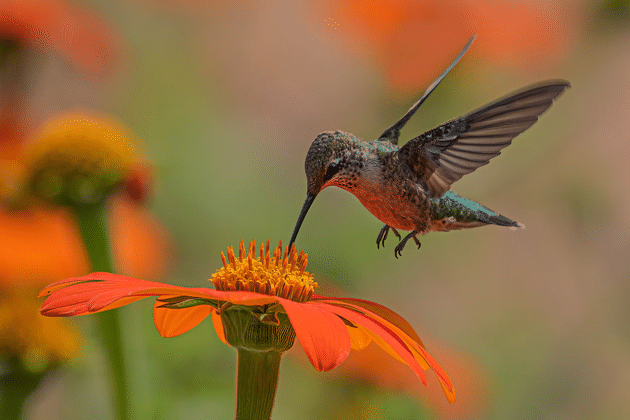 Photo by Dulcey Lima on Unsplash
Invasive bees and birds have no filter for which plants to care about, which means they could unintentionally cause invasive varieties to flourish as well. It seems mutually beneficial on paper, as multiple species grow to healthy numbers simultaneously, but the destruction and competition tamp down the strength of local varieties. This phenomenon, called invasional meltdown, has been shown to reduce the number of complementary species in an area, despite the success of the few invasive breeds.
Native Birds as Biocontrol for Invasive Pests
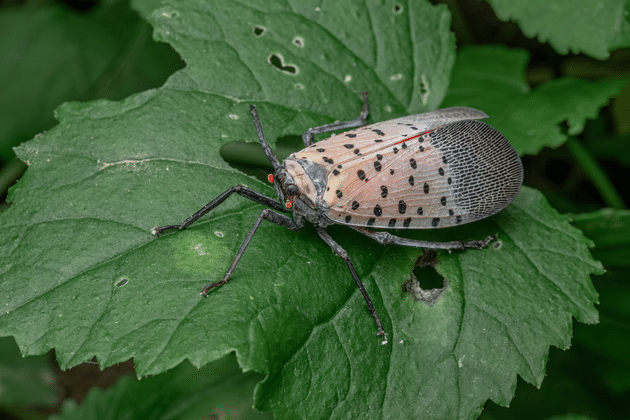 Photo by Tao Yuan on Unsplash
The Spotted Lanternfly has been ravaging North America for the last several years, damaging everything from vineyards to maple trees. Many state governments have recommended that you kill them on sight because of their adverse impact. While introducing an invasive predator to solve problems like this can often make situations worse, several native North American species have shown interest in helping.
Since 2021, experts have noticed that a few bird varieties and new predation behaviors could eat into these swarms. Tufted Titmice, Blue Jays, Gray Catbirds and Northern Cardinals have been witnessed preying on the lanternflies. Chickens are another strong predator, alongside Praying Mantises. While these species are effective hunters, states are using natural predation alongside many other tactics to control the invasive pests.
Specialized Predators Targeting Invasive Hornets
When you look at a nest, be careful not to confuse hornet and bee hives. They can look similar in some ways, so make sure you only target what is actually a threat. The Yellow-Legged Hornet is a highly aggressive species from Asia that is moving west into Europe. Native honeybees and other insects have been threatened by its arrival, prompting nations like Portugal to find a targeted defense against it.
Fortunately, a local bird, Merops apiaster, also known as the European Bee-Eater, seems to have a taste for more than bees. The bird has been targeting these invasive hornets, and the distraction could change its predation behaviors. Instead of feeding on as many European Honeybees as before, the new food source could allow other insect populations to grow until the invasive hornets are no longer an issue.
A Different Ecosystem Than Before
More is not always better, even as the world faces a pollinator crisis. Bee numbers are declining, and many bird species are in danger. Part of the cause is the spread of invasive species. The causes of these invasions are diverse, including human-induced movement and climate change stressors leading to species displacement. Become aware of your local wildlife and invasive species, and do anything you can to report and stop them, because habitats are becoming homogenized and unsustainable.





















 English (US) ·
 French (CA) ·