

 3 weeks ago
40
3 weeks ago
40
Istanbul is one of the world’s great shopping destinations, where centuries-old bazaars, stylish boutiques, modern shopping malls, and lively neighborhood markets create an unforgettable retail experience. From colorful Turkish ceramics and handwoven carpets to spices, jewelry, leather goods, and contemporary fashion, the city offers something for every traveler and budget.
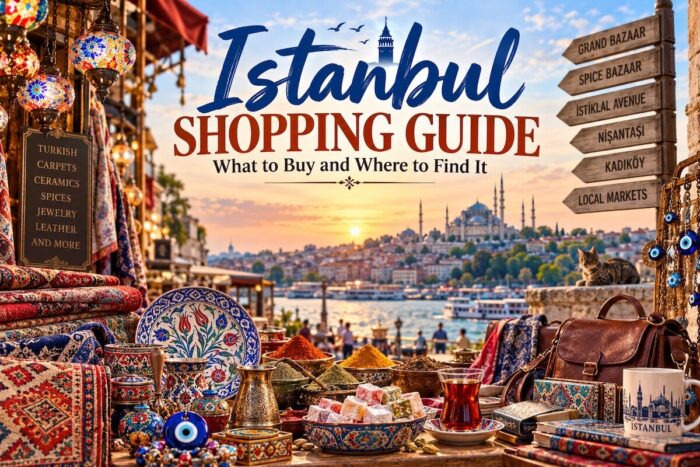
Istanbul Shopping Guide: What to Buy and Where to Find It
Whether you are searching for authentic souvenirs, traditional Turkish crafts, or fashionable gifts to bring home, knowing what to buy and where to shop can make your Istanbul trip even more rewarding.
Why Istanbul Is a Shopper’s Paradise
Istanbul’s unique location between Europe and Asia has shaped its shopping culture for centuries. The city was once a major stop along historic trade routes, and its markets remain filled with goods influenced by Turkey, the Middle East, Central Asia, Europe, and the Mediterranean.
Shopping here is not limited to souvenir hunting. You can spend the morning browsing centuries-old shops in the Grand Bazaar, sample Turkish delights at the Spice Bazaar, discover independent designers in trendy neighborhoods, and finish the day exploring a contemporary shopping center.
The best approach is to combine traditional markets with modern shopping districts to experience the full range of Istanbul’s retail scene.
What to Buy in Istanbul
1. Turkish Delight
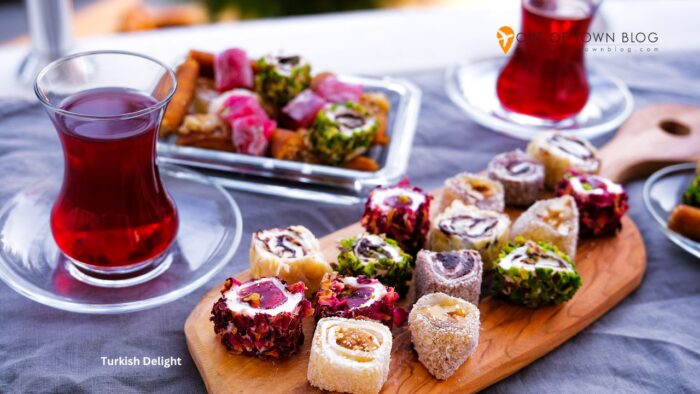 Turkish Delight
Turkish delight, or lokum, is among the easiest and most popular gifts to bring home. These soft, chewy sweets traditionally come in flavors such as rose, lemon, pistachio, pomegranate, and assorted nuts.
Look for shops that sell freshly made varieties rather than relying solely on brightly packaged tourist versions. Boxes containing pistachios, hazelnuts, or dried fruits make particularly attractive gifts.
When buying lokum, check the packaging and expiration date, especially if you plan to carry it on a long international journey.
2. Turkish Tea and Coffee
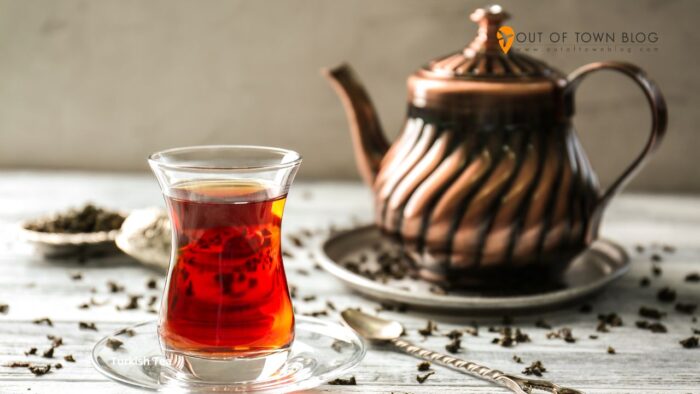 Turkish Tea
Turkish tea and coffee are excellent souvenirs for travelers who want to take home a taste of Istanbul.
Turkish coffee is finely ground and traditionally prepared in a small pot called a cezve. You can purchase coffee alongside decorative cezves, cups, and saucers to create a complete gift set.
Turkish black tea is another popular purchase. Tea is traditionally served in small tulip-shaped glasses, and these distinctive glasses can also make memorable souvenirs.
3. Spices
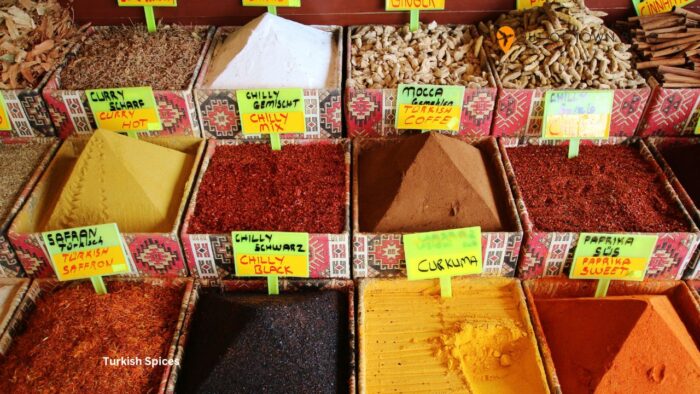 Turkish Spices
For food lovers, Istanbul’s spice markets are among the most exciting places to shop.
You can find saffron, sumac, dried mint, paprika, cumin, cinnamon, pepper, chili, dried herbs, and spice blends. Many vendors also sell dried fruits, nuts, teas, and other culinary ingredients.
Spices are lightweight compared with many other souvenirs, making them practical purchases for travelers with limited luggage space.
If you are flying internationally, however, check your destination country’s rules concerning agricultural and food products before packing large quantities.
4. Turkish Ceramics
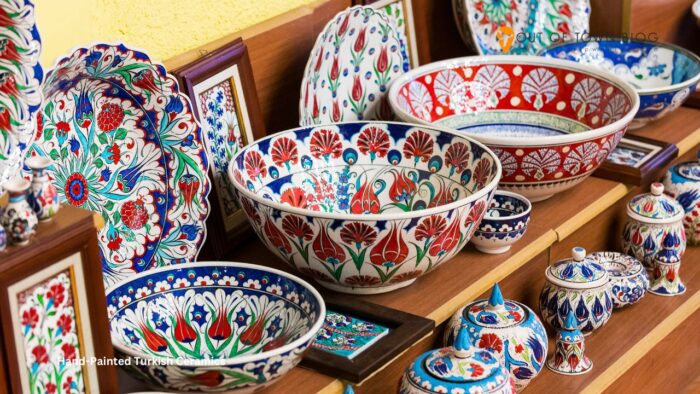 Hand-Painted Turkish Ceramics
Colorful Turkish ceramics are instantly recognizable for their intricate patterns and vibrant designs.
Traditional designs often feature flowers, geometric patterns, and elaborate Ottoman-inspired motifs. You will find plates, bowls, tiles, cups, mugs, and decorative objects in various sizes.
Ceramic pieces can be fragile, so ask the seller to wrap your purchase securely for air travel. Smaller cups, bowls, and tiles are generally easier to transport than large decorative plates.
5. Turkish Carpets and Kilims
 Turkish Carpets
A Turkish carpet or kilim can be one of the most memorable purchases you make in Istanbul.
Handwoven carpets can represent a significant investment, while smaller kilims and textile pieces are more accessible to travelers looking for decorative souvenirs.
If you are seriously considering buying a valuable carpet, take your time. Ask about the materials, origin, weaving technique, age, and whether the piece is handmade or machine-made. Obtain proper documentation for expensive purchases and understand the store’s return and shipping policies.
Avoid feeling pressured to buy immediately. Reputable sellers should be willing to explain the product and give you time to make a decision.
6. Turkish Towels
 Turkish Towels
Turkish towels, traditionally known as peshtemal, are lightweight, attractive, and highly practical.
They are usually made from cotton and are known for drying quickly. You can use them as beach towels, travel towels, scarves, blankets, or home textiles.
Because they are compact and relatively easy to pack, Turkish towels are an excellent option for travelers who want useful souvenirs rather than purely decorative items.
7. Evil Eye Charms
 Evil Eye Charms
The blue-and-white nazar is one of Turkey’s most recognizable symbols.
You will see evil eye charms everywhere in Istanbul, from tiny keychains and bracelets to wall decorations and larger glass ornaments. They are inexpensive and easy to pack, making them popular gifts for friends and family.
Choose a design that suits your recipient, whether it is jewelry, a decorative hanging, or a simple charm.
8. Turkish Jewelry
 Turkish Jewelry
Istanbul has a long tradition of jewelry making, and shoppers can find everything from inexpensive costume jewelry to sophisticated gold and silver pieces.
The Grand Bazaar is particularly famous for jewelry shops. If you are buying precious metals or gemstones, compare several stores and request detailed information about the materials, weight, workmanship, and certification.
For expensive purchases, keep receipts and documentation, particularly if you will need to declare the item when returning home.
9. Turkish Leather Goods
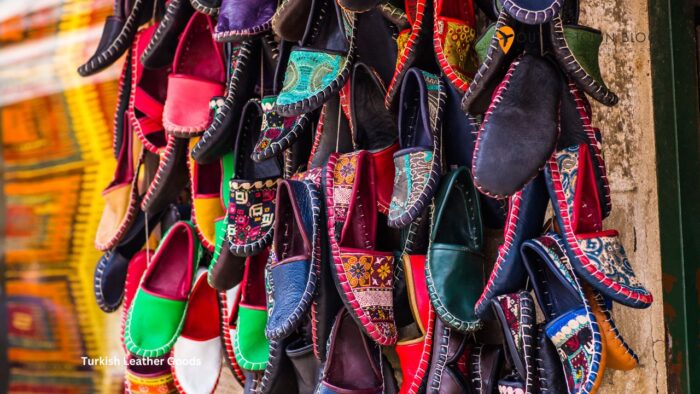 Turkish Leather Goods
Leather bags, wallets, belts, jackets, and other accessories are widely available throughout Istanbul.
The city offers everything from traditional leather products to contemporary designs. If you are shopping for a leather jacket or an expensive bag, examine the stitching, lining, hardware, and leather quality.
Do not assume that every item sold as “genuine leather” represents the same level of quality. Comparing several products before buying is worthwhile.
10. Turkish Olive Oil and Gourmet Products
 Olive Oil Soap
Turkey is a major producer of olives and olive oil, and gourmet food products can make excellent souvenirs.
Look for bottles of extra virgin olive oil, olive-based soaps, dried fruits, nuts, jams, honey, and other regional specialties.
For international travelers, choose sealed and properly labeled products and consider luggage restrictions before purchasing liquids.
Where to Shop in Istanbul
Grand Bazaar
 Grand Bazaar Istanbul
The Grand Bazaar is the obvious starting point for anyone interested in traditional Istanbul shopping.
Its maze of covered streets contains thousands of shops selling carpets, jewelry, ceramics, textiles, leather goods, lamps, souvenirs, antiques, and decorative items.
The experience is as important as the shopping itself. Take your time exploring different sections, compare prices, and do not feel obligated to purchase something simply because you entered a shop.
Best for: carpets, jewelry, ceramics, leather goods, lamps, traditional crafts, souvenirs.
Spice Bazaar
 Istanbul Spice Bazaar
The Spice Bazaar, also known as the Egyptian Bazaar, is one of the best places to shop for edible souvenirs.
Its colorful displays of spices, Turkish delight, dried fruits, nuts, teas, sweets, and other food products make it particularly appealing to travelers.
It is also conveniently located near Eminönü and several major Istanbul attractions, making it easy to combine with sightseeing.
Best for: spices, Turkish delight, tea, coffee, nuts, dried fruits, gourmet gifts.
Istiklal Avenue
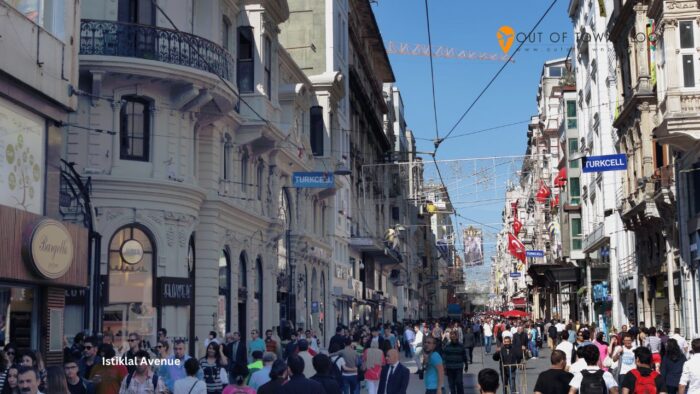 Istiklal Avenue
For a more contemporary shopping experience, head to Istiklal Avenue.
The pedestrianized avenue is lined with international brands, Turkish retailers, bookstores, cafes, restaurants, and independent businesses. Its surrounding side streets are also worth exploring.
Istiklal is particularly useful if you want to combine shopping with sightseeing and to take in Istanbul’s lively urban atmosphere.
Best for: fashion, shoes, accessories, bookstores, Turkish brands, cafes.
Nisantasi
Ni?anta?? is one of Istanbul’s upscale shopping districts, known for designer stores, luxury brands, elegant boutiques, cafes, and restaurants.
It offers a very different atmosphere from the Grand Bazaar and is a good choice for travelers interested in contemporary Turkish fashion and premium shopping.
Best for: luxury fashion, designer goods, jewelry, cosmetics, upscale boutiques.
Kadikoy Market
Crossing to the Asian side of Istanbul opens up a different shopping experience.
Kad?köy Market is known for its lively atmosphere and food-focused shopping. You can browse cheese shops, bakeries, spice stores, fish vendors, produce stalls, cafes, and specialty food stores.
The neighborhood is also excellent for discovering independent shops and local brands.
Best for: food, spices, local products, specialty ingredients, independent shops.
Arasta Bazaar
Located near Sultanahmet, Arasta Bazaar is a smaller and more relaxed alternative to the Grand Bazaar.
Its location makes it convenient for visitors exploring the Blue Mosque, Hagia Sophia, and other historic attractions. Shops sell carpets, ceramics, textiles, jewelry, and souvenirs.
Best for: traditional crafts, textiles, ceramics, souvenirs.
Istanbul Shopping Malls
Travelers who prefer air-conditioned shopping environments can choose from Istanbul’s many modern shopping malls.
Large malls combine international retailers with Turkish fashion brands, restaurants, entertainment, and sometimes cinemas or family attractions.
They are particularly convenient during hot summer afternoons or rainy days when outdoor sightseeing may be less comfortable.
Best for: international brands, Turkish fashion, electronics, cosmetics, dining.
Tips for Shopping in Istanbul
Compare Prices
Do not necessarily buy the first item you see, especially in tourist-heavy areas. Comparing several shops can help you understand the typical price.
Bargain at Traditional Markets
Haggling is a common part of the shopping experience in traditional bazaars, particularly for souvenirs, textiles, carpets, and other goods. However, it is less appropriate in fixed-price stores, shopping malls, supermarkets, and many modern boutiques.
Carry Turkish Lira
Cards are widely accepted in Istanbul, but cash can still be useful at smaller shops and markets. Having some Turkish lira available can make smaller purchases easier.
Check Your Luggage
Think about how you will transport your purchases before buying them. Ceramics, glassware, liquids, and large textiles can quickly become difficult to pack.
Be Careful With Expensive Purchases
When buying carpets, jewelry, antiques, or other high-value products, request receipts and documentation. Research the item and seller before committing to a major purchase.
Keep Your Receipts
Receipts are useful for returns, warranties, customs declarations, and proving the value of expensive purchases.
Watch for Tourist Traps
Popular tourist areas contain plenty of legitimate businesses, but travelers should still compare quality and prices. Be particularly cautious when someone approaches you aggressively and directs you to a particular shop.
Best Istanbul Shopping Experiences by Budget
Budget: Turkish delight, spices, tea, coffee, nazar charms, postcards, small ceramics.
Mid-range: Turkish towels, leather accessories, quality ceramics, specialty food products, handmade crafts.
Luxury: Turkish carpets, fine jewelry, designer fashion, premium leather goods, antiques and collectible pieces.
What Not to Buy in Istanbul
Travelers should exercise caution when purchasing antiques, archaeological objects, wildlife-derived products, or anything that may be subject to export restrictions.
An item that looks like an attractive antique may be subject to legal restrictions on its export. If you are uncertain about an object’s age, origin, or legal status, it is better not to purchase it without proper documentation.
Similarly, avoid buying counterfeit luxury products simply because they appear to be inexpensive versions of famous brands.
When Is the Best Time to Shop in Istanbul?
Istanbul is a year-round shopping destination, but your experience can vary by season.
Spring and autumn generally offer comfortable weather for combining shopping with sightseeing. Summer can be hot, making air-conditioned malls and covered bazaars appealing during the afternoon.
Winter can bring cooler and wetter weather, but it can also be a good time to explore indoor markets and shopping centers with fewer tourists.
For travelers hoping to enjoy Istanbul’s traditional markets, arriving earlier in the day can provide a more relaxed experience before the busiest periods.
Final Thoughts
Shopping in Istanbul is much more than buying souvenirs. It is an opportunity to experience the city’s history, cuisine, craftsmanship, fashion, and multicultural character.
Start with the Grand Bazaar and Spice Bazaar for traditional goods, explore neighborhoods such as Kad?köy and Ni?anta?? for a more local or contemporary perspective, and leave room in your luggage for Turkish delights, spices, ceramics, textiles, and other discoveries.
The best Istanbul shopping experience is one where you slow down, explore beyond the main tourist streets, compare your options, and choose items that genuinely remind you of your journey.
FAQ: Istanbul Shopping Guide
1. What are the best things to buy in Istanbul?
Some of the best things to buy in Istanbul include Turkish delight, spices, Turkish coffee, tea, ceramics, carpets, kilims, Turkish towels, leather goods, jewelry, olive oil, and evil eye charms. The best souvenir depends on your budget and luggage space. Food products such as lokum and spices are easy to pack, while handmade ceramics and textiles offer more distinctive keepsakes. If you are considering an expensive carpet, piece of jewelry, or antique, take extra time to verify quality, origin, documentation, and export requirements.
2. Is the Grand Bazaar worth visiting for shopping?
Yes, the Grand Bazaar is worth visiting even if you are not planning to make a major purchase. It is one of Istanbul’s most famous historic shopping areas, offering an enormous variety of carpets, jewelry, ceramics, textiles, leather goods, lamps, souvenirs, and decorative items. Prices and quality can vary significantly, so shopping around is important. The bazaar is also an attraction in its own right, with its covered passages, traditional storefronts, and centuries-old commercial atmosphere.
3. What should I buy at the Spice Bazaar in Istanbul?
The Spice Bazaar is particularly good for edible souvenirs. Popular purchases include Turkish delight, spices, Turkish tea, coffee, dried fruits, nuts, sweets, and specialty food products. Sumac, dried mint, paprika, saffron, and various Turkish spice blends are popular choices for cooks. Because food regulations differ between countries, international travelers should check customs requirements before bringing agricultural or food products home. Sealed, clearly labeled products are generally easier to transport and explain at customs.
4. Is bargaining expected in Istanbul?
Bargaining is part of the shopping experience in traditional markets and bazaars, particularly when purchasing souvenirs, carpets, textiles, leather goods, and other items without clearly displayed fixed prices. However, you should not assume that every store expects negotiation. Shopping malls, supermarkets, chain retailers, and many modern boutiques generally use fixed prices. If you negotiate, remain polite and realistic rather than treating the interaction as a confrontation. Comparing prices at several shops can help you understand whether an offer is reasonable.
5. What Turkish souvenirs are easy to pack?
The easiest Istanbul souvenirs to pack include spices, Turkish tea, coffee, Turkish delight, small evil eye charms, jewelry, scarves, and lightweight Turkish towels. Small ceramic pieces can also work well if they are professionally wrapped and protected inside your luggage. Travelers should be more careful with liquids, large ceramics, glass lamps, carpets, and heavy decorative objects, as these items can add weight or require special packing. Always consider airline baggage limits and your destination country’s customs regulations before buying large quantities.
6. Where can I buy authentic Turkish carpets in Istanbul?
Traditional bazaars and specialist carpet stores are among the places where travelers can shop for Turkish carpets. However, authenticity and quality should not be assumed simply because an item is displayed in a famous market. If you are considering a significant purchase, ask about the carpet’s origin, materials, weaving technique, age, dimensions, and whether it is handmade. Request written documentation and a receipt, and understand the seller’s shipping and return policies. Take your time and compare several pieces rather than purchasing under pressure.
7. What food souvenirs should I bring home from Istanbul?
Excellent food souvenirs from Istanbul include Turkish delight, Turkish coffee, tea, spices, dried fruits, nuts, olive oil, honey, and packaged sweets. Turkish delight is particularly popular because it comes in many flavors and is available in gift boxes suitable for travelers. Spices are another practical choice because they are lightweight and can add an authentic Turkish flavor to dishes at home. Before purchasing food products, especially fresh or agricultural items, check the customs and import regulations of your destination country.
8. Is Istanbul expensive for shopping?
Istanbul offers shopping opportunities across almost every budget. Small souvenirs such as spices, sweets, charms, and tea can be inexpensive, while handmade ceramics, quality leather products, carpets, jewelry, and designer fashion can cost considerably more. Prices also vary according to location, quality, craftsmanship, and whether you are shopping in a tourist-focused market or a neighborhood store. The best way to manage your budget is to decide how much you want to spend before shopping, compare several options, and avoid making rushed purchases.
9. What should I avoid buying in Istanbul?
Be cautious when buying alleged antiques, archaeological artifacts, wildlife-derived products, counterfeit branded goods, and expensive items with unclear origins or documentation. Some cultural objects may be subject to export restrictions, even if they are openly displayed for sale. For valuable carpets and jewelry, make sure you understand exactly what you are purchasing and obtain appropriate documentation. If a seller makes extraordinary claims about an item’s age, rarity, or investment value, consider getting independent advice before spending a substantial amount.
10. What is the best shopping area in Istanbul for first-time visitors?
For first-time visitors, the Grand Bazaar and Spice Bazaar are excellent starting points because they showcase Istanbul’s traditional shopping culture and are close to major historic attractions. After exploring the bazaars, travelers can visit Istiklal Avenue for contemporary shopping and Kad?köy for a more neighborhood-oriented experience. Ni?anta?? is better suited to visitors interested in upscale fashion and luxury brands. Combining two or three different shopping areas gives you a much better sense of Istanbul’s diverse retail culture than visiting only one market.
Follow and subscribe to OutofTownBlog.com on Facebook, Twitter, Instagram, Pinterest, and YouTube for more Travel-related updates.
Read:




















 English (US) ·
  French (CA) ·