

 2 hours ago
1
PROTECT YOUR DNA WITH QUANTUM TECHNOLOGY
Orgo-Life the new way to the future Advertising by AdpathwayA structured, multicomponent exercise program initiated early after surgical fixation was associated with improved functional independence, hip joint performance, and reduced frailty in older adults recovering from trochanteric femoral fractures, according to a quasi-experimental study conducted at Xi'an Honghui Hospital in China. Frail geriatric patients sustaining trochanteric fractures face exceptionally high risks of persistent physical disability, postoperative complications, and elevated mortality, which place considerable operational burdens on modern healthcare systems. To assess whether an integrated exercise approach outperforms standard postoperative protocols, researchers analyzed one hundred and twenty frail older adults treated with intramedullary nailing between January 2023 and December 2024. Patients assigned to a three-month multimodal intervention delivered by a multidisciplinary care team achieved statistically significantly greater improvements across primary functional recovery indicators, hip performance metrics, frailty scores, and overall health-related quality of life compared with individuals who received conventional orthopedic nursing and rehabilitation care.
Trochanteric femoral fractures represent an escalating public health concern as demographic shifts toward an aging society continue to increase fracture incidence globally. Individuals older than sixty years face heightened vulnerability driven by age-related bone loss, osteoporosis, and progressive declines in musculoskeletal strength that predispose them to injurious falls. Following trauma and surgical stabilization, frail older patients frequently encounter prolonged functional decline, delayed mobilization, and protracted recoveries that traditional rehabilitation strategies struggle to overcome. Standard postoperative management predominantly concentrates on acute pain management, surgical wound surveillance, and basic complication prevention, often lacking structured regimens targeting systemic frailty and whole-body physical capacity. Surgical fixation alters biomechanical load transfer through the proximal femur and shortens the effective lever arm of the hip abductor musculature, while prolonged post-injury disuse accelerates bone resorption and peri-articular muscle atrophy. Because the initial three postoperative months represent a decisive window for callus remodeling, bone regeneration, and reversing muscle strength loss, early structured rehabilitation is critical for achieving lasting recovery.
To address this clinical challenge, investigators conducted a quasi-experimental study utilizing a non-concurrent historical control design involving one hundred and twenty consecutive frail patients aged sixty years and older who underwent surgical treatment for acute unilateral trochanteric femoral fractures at Xi’an Honghui Hospital. The participant cohort comprised fifty-three male and sixty-seven female patients exhibiting verified pre-existing frailty symptoms, all of whom received surgery within two weeks of injury. Fracture morphology was categorized according to the AO/OTA classification, consisting of fifty type 31-A1 fractures and seventy type 31-A2 fracture patterns. All fractures were stabilized using proximal femoral nail antirotation implants with static distal locking screws performed by identical surgical teams. Sixty patients treated between January and December 2023 served as the historical control group receiving conventional care, while sixty consecutive patients treated between January and December 2024 formed the observation group enrolled in the multicomponent exercise program. Baseline clinical parameters—including age, sex distribution, body mass index, injury-to-surgery timing, and fracture etiology—demonstrated no statistically significant differences between the two treatment cohorts.
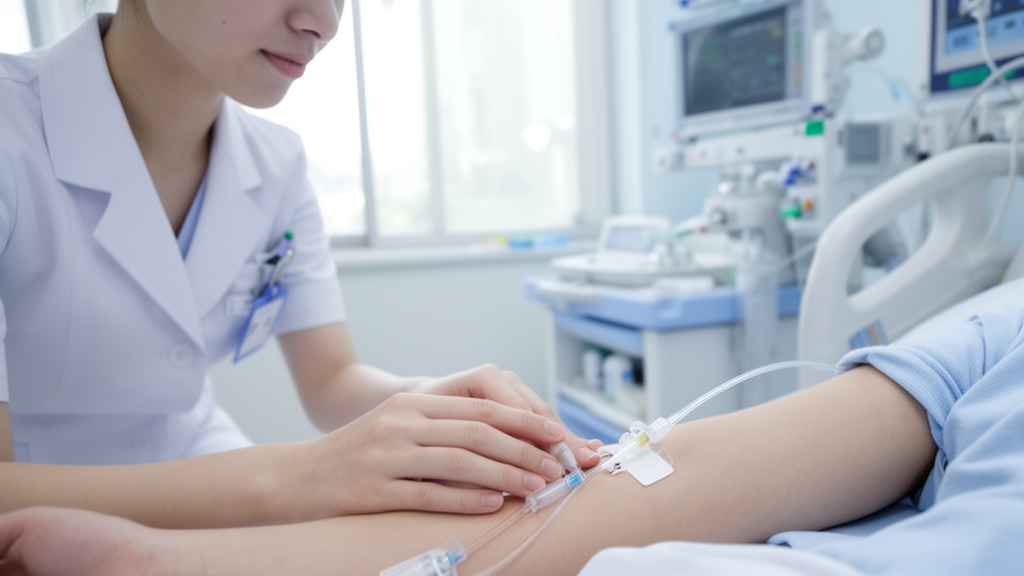
Postoperative management pathways differed considerably in structure, interdisciplinary involvement, and progressive exercise prescription. Patients in the historical control group received conventional postoperative nursing care, which encompassed routine perioperative health education, psychological reassurance to support emotional equilibrium, physician-guided analgesia, and scheduled follow-up assessments after hospital discharge. Postoperatively, nurses guided control patients to start early rehabilitation training, encouraging them to get out of bed as soon as possible and move gradually from the bed to the bedside and then to the floor. Conversely, the observation group received a multicomponent exercise intervention established as part of a hospital-wide quality improvement initiative. This program assembled an interdisciplinary clinical team comprising orthopedic surgeons, registered nurses, licensed physical therapists, and trained family members, each receiving standardized instructional guidance. Alongside psychological encouragement, deep-breathing exercises, and family-administered muscle relaxation routines, including gentle massage and warm compresses, the intervention integrated progressive resistance exercises, dynamic balance routines, joint mobility training, and aerobic conditioning tailored to each patient’s postoperative functional capacity.
The multicomponent exercise protocol followed an individualized four-phase progression over three months, methodically advancing physical demands from bed-based routines to upright locomotion. During weeks one and two, nurses administered bed-based joint mobility exercises twice daily within pain-free boundaries, including ankle pumps, quadriceps isometric contractions, and passive hip and knee movements. Concurrently, physical therapists directed deep-breathing exercises and coughing drills to preserve cardiopulmonary function and prevent respiratory complications. In weeks three and four, therapists conducted progressive muscle-strengthening three times daily utilizing limb isometric contractions and elastic resistance bands across two to three sets of eight to twelve repetitions per muscle group. Concurrently, nursing personnel guided bed-exit transfer routines and sit-up practice to restore safe bedside mobility. The prescription progressed from easy movements to challenging motor tasks, ensuring that frail patients experienced graded mechanical stimulation while avoiding excessive physiological fatigue during the initial stages of bone healing.
During weeks five through eight, physical therapists directed twice-daily upright standing exercises and dynamic balance-board training, advancing patients from partial to full weight bearing alongside ambulation practice with wheeled walkers progressing to canes. Across weeks nine through twelve, therapists conducted stair-climbing practice and progressive resistance training targeting lower limbs at sixty to eighty percent of one-repetition maximum five times weekly, while family members assisted with daily living skills training. Session duration increased from twenty to thirty minutes daily in weeks one through four to thirty to forty-five minutes daily from week five onward. Training followed the explicit principle of causing no pain beyond acceptable fatigue, pausing exercises if numerical pain scores exceeded four or cardiopulmonary symptoms developed. Overall exercise adherence reached 96.8 percent, with no patient withdrawals. Only five adverse events occurred—one case of delayed wound healing resolving under routine dressings and four instances of transient post-exercise pain—with zero falls, fixation failures, reoperations, or deaths.
Baseline evaluations verified that both cohorts experienced severe functional limitations prior to rehabilitation, with mean Modified Barthel Index scores of 48.74 in the control group and 49.18 in the observation group. At the conclusion of the three-month intervention, observation group participants achieved an average score of 83.62, significantly outperforming the control group mean of 75.12. Scores on the Functional Independence Measure, which evaluates motor independence across feeding, bathing, grooming, sphincter control, and mobility alongside cognitive communication, mirrored this pattern.
Hip joint function, evaluated as an exploratory secondary outcome using the Harris Hip Score at baseline, one month, and three months postoperatively, demonstrated parallel improvements favoring the structured intervention. The Harris Hip Score measures hip pain, walking distance, stair navigation, daily activities, and joint range of motion on a one-hundred-point scale. Baseline scores were comparable between cohorts, averaging 32.41 in the control group and 31.46 in the observation group. At one month post-surgery, patients receiving the multicomponent exercise intervention achieved a mean score of 66.11, compared with 58.59 in the historical control group. By three months, observation group scores rose to 89.38, whereas control scores reached 82.69, establishing statistically significant superiority at both evaluation intervals. Investigators explained that early abductor muscle strengthening and graded weight bearing effectively counteracted peri-articular muscle atrophy and restored proximal femoral mechanical stability. However, because the Harris Hip Score was originally developed for hip arthroplasty, the authors emphasized that broader geriatric-specific instruments, such as the Functional Independence Measure, offer more comprehensive evaluations of post-fracture recovery.
Frailty severity and health-related quality of life assessments exhibited corresponding therapeutic gains following the multidisciplinary exercise regimen. Frailty status was tracked using the nine-point Clinical Frailty Scale, which classifies patients from coping well to terminally ill. Pre-intervention scores indicated moderate baseline frailty across both cohorts, averaging 7.03 in the control group and 6.93 in the observation group. After three months, frailty scores decreased significantly across all participants, but patients in the multicomponent exercise cohort achieved a substantially lower score of 2.49, signifying a transition to a well-coping functional state, whereas control patients averaged 3.52. In parallel, overall quality of life measured by the 36-item Short Form Health Survey rose from 54.88 to 89.96 in the intervention cohort, compared with an increase from 55.43 to 79.05 in historical controls. Researchers noted that combining resistance, balance, mobility, and aerobic training enhances muscle strength, balance, joint range of motion, and cardiopulmonary function, which may boost self-confidence and quality of life.
Despite these positive outcomes, the authors emphasized critical study limitations that necessitate cautious interpretation. The non-concurrent historical control design introduces potential historical confounding from institutional staffing shifts, seasonal admission patterns, or concurrent quality improvement initiatives. Furthermore, the non-randomized allocation carries inherent risks of selection bias and unmeasured confounding, as investigators could not control for baseline variables such as cognitive function, nutritional status, pre-injury autonomy, medication regimens, or home living conditions. Conducted at a single hospital center, the findings may also reflect localized practices that limit broader generalizability. In addition, quantitative radiographic parameters, including tip-apex distance, neck-shaft angle restoration, and lag screw positioning, were not adjusted for in comparative analyses, and the three-month follow-up window precluded evaluating long-term outcomes such as recurrent falls, late re-hospitalization, or sustained independence. Consequently, observed differences represent statistical associations rather than definitive causal effects, highlighting the necessity for future multicenter randomized controlled trials with extended follow-up to validate protocol scalability and therapeutic efficacy.
Subject of Research: Efficacy of a multicomponent exercise intervention on postoperative recovery and frailty in older adult patients with trochanteric femoral fractures
Article Title: Multicomponent exercise intervention impact on recovery outcomes in frail older adult patients with trochanteric femoral fractures: a quasi-experimental study
Article References: Lin, H., Wang, Y., He, Y., & Zhu, Y. (2026). Multicomponent exercise intervention impact on recovery outcomes in frail older adult patients with trochanteric femoral fractures: a quasi-experimental study. Frontiers in Medicine, 13, Article 1993562. https://doi.org/10.3389/fmed.2026.1993562
Image Credits: AI Generated
DOI: 10.3389/fmed.2026.1993562
Keywords: trochanteric femoral fractures, multicomponent exercise, frailty, geriatric rehabilitation, intramedullary nailing, PFNA-II, Modified Barthel Index, Functional Independence Measure, Harris Hip Score, Clinical Frailty Scale, Short Form Health Survey, physical therapy, postoperative recovery, activities of daily living, hip fracture rehabilitation, progressive resistance training, balance training, older adult care
















 English (US) ·
 French (CA) ·