

 2 days ago
16
PROTECT YOUR DNA WITH QUANTUM TECHNOLOGY
Orgo-Life the new way to the future Advertising by AdpathwayFrogs collected decades ago and stored in jars at the Smithsonian have helped solve an old ecological mystery. Researchers now report that the amphibian chytrid fungus was spreading through Brazil's Boracéia Biological Station at the same time frogs there crashed between 1979 and 1982, years before scientists had any name for the disease.
The study, published Oct. 14 in Molecular Ecology and publicized by the Smithsonian on Nov. 3, offers one of the clearest looks yet at how a wildlife pathogen can move through an ecosystem with no one recognizing it.
The finding matters well beyond Brazil. Chytridiomycosis is blamed for declines in hundreds of amphibian species worldwide, and a related fungus is considered a threat to salamanders in North America.
The Detective Work Inside the Specimen Jars
The evidence comes from collections made by William Ronald Heyer, a former curator of amphibians and reptiles at the Smithsonian's National Museum of Natural History. Heyer collected at Boracéia in the São Paulo region in 1975 and 1976 to 1977, before the declines, then returned in 1983, 1984, and 1988, after many species had vanished.
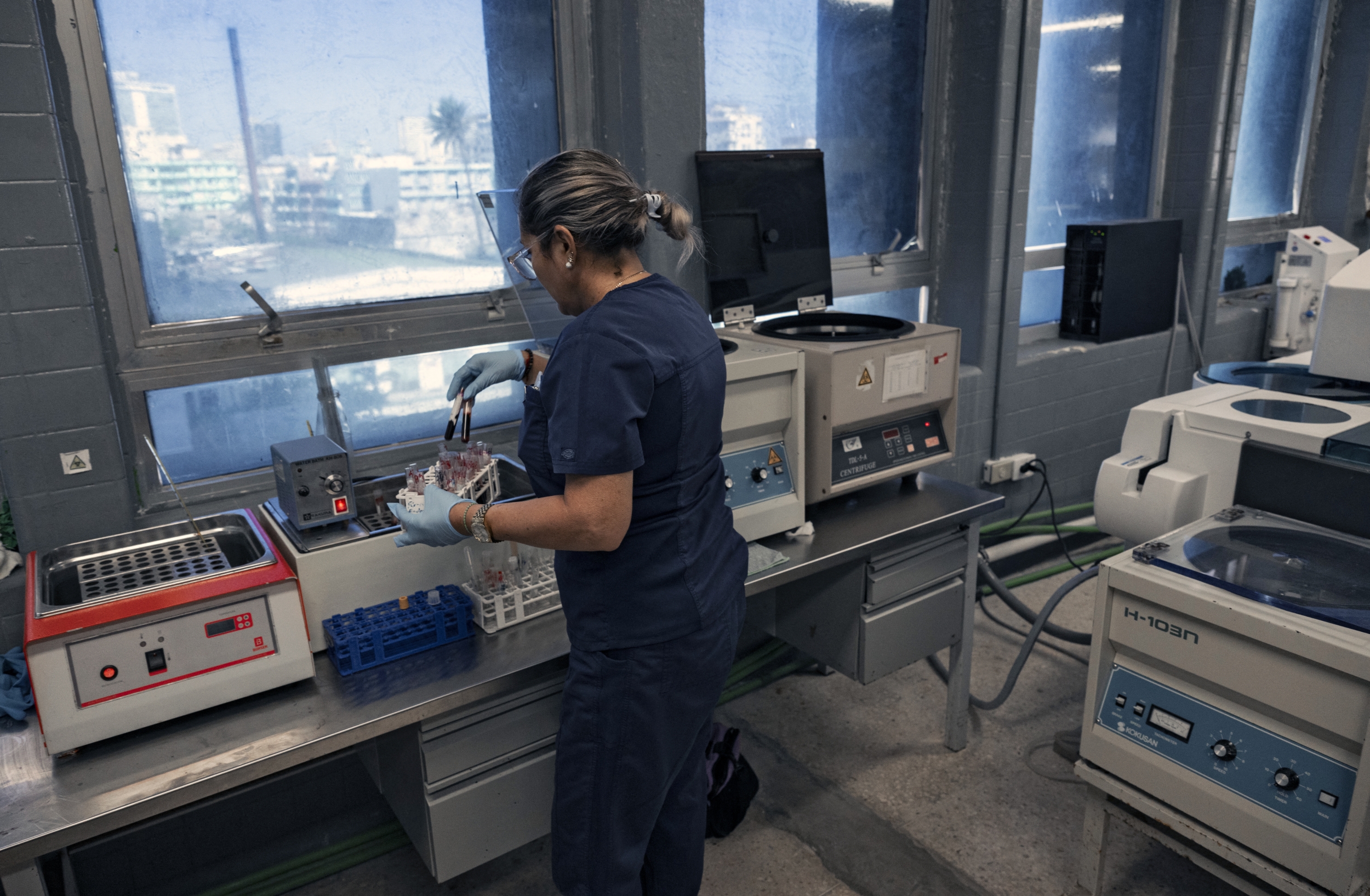
That timeline created a rare natural before-and-after record. A team from the Smithsonian's National Zoo and Conservation Biology Institute and Pennsylvania State University swabbed the preserved animals and tested them for DNA of Batrachochytrium dendrobatidis, the fungus that causes chytridiomycosis.
According to ScienceDaily's summary of the Smithsonian release, the team tested more than 370 specimens from 17 species. An analysis by Ecoticias notes that the paper itself counts 327 frogs, with jar swabs and laboratory controls making up the rest of the samples.
The results were stark. None of the animals collected before 1979 tested positive. More than half of those collected in the 1980s carried the fungus.
Lead author Jack Boyette, a graduate fellow at the Smithsonian and doctoral candidate at Penn State, said environmental factors may also have contributed, but the results "most directly implicate the chytrid fungus."
Why Nobody Recognized the Killer in 1979
When frogs began disappearing at Boracéia, scientists had no tool to diagnose what was happening. The fungus was not linked to amphibian die-offs until 1998, and it was formally described in 1999. Researchers at the time could see empty streams, but they could not see the cause.
Modern genetic testing changed that. Museum specimens, once valued mainly for identifying species, have become a historical archive of disease. Genomicist Michael Campana of the Smithsonian's Center for Conservation Genomics said that without such collections, scientists would never be able to detect pathogens that went unnoticed for decades.
The case shows how a slow, invisible spread can look like an unexplained collapse when viewed in real time. In the 1980s, researchers debated habitat loss, pollution, unusual weather and acid rain as possible culprits for amphibian declines across several continents — the fungus was simply not on the list, because no one knew it existed.
A Puzzling Pattern in the Data
The study contains an unexpected twist. The species that suffered the steepest declines showed no detectable infection in the preserved specimens, while species that remained stable often tested positive.
The researchers suggest the most susceptible frogs may have died so quickly that few infected individuals survived long enough to be collected. Species that tolerated the fungus could carry it without dying, making them easier to find and sample. That explanation remains a hypothesis rather than a documented record of deaths.
"It's important to keep in mind that not all species suffered catastrophic losses at Boracéia," Boyette said in remarks reported by SciTechDaily.
There is also a broader scientific context to weigh. A 2014 study by several of the same research groups detected the fungus in Atlantic Forest museum specimens as far back as 1894, suggesting some lineages had been present in Brazil for more than a century. The new paper focuses on one station, and it does not establish when the fungus first reached the country or whether a newly arriving strain drove the Boracéia outbreak.
Recovery, With the Fungus Still Present
Between 2022 and 2024, the team made six visits to Boracéia with researchers from the University of São Paulo. They found 12 of the 17 species represented in Heyer's historical collection. Five species were not detected, and their status remains uncertain.
Most species appear to have rebounded even though the fungus persists. Ecoticias reports that about 29.5 percent of frogs sampled today carry it, with similar rates in species that crashed and those that did not. The researchers suggest some populations may have developed greater tolerance over generations, though that idea still needs direct testing.
The authors caution that their findings apply to Boracéia and may not explain historical declines elsewhere in the Atlantic Forest.
What It Means for Amphibians in the United States
The Smithsonian warned that a related fungus, Batrachochytrium salamandrivorans, threatens salamanders in Europe and could pose a serious risk to North American salamanders, which include some of the most diverse populations in the world in the Appalachian region.
The Boracéia work strengthens the case for routine surveillance, because by the time a die-off is obvious, a pathogen may already be widespread. Hikers, anglers and pet owners can help by cleaning and drying boots, nets and gear between waterways, never releasing pet amphibians into the wild, and reporting groups of dead frogs or salamanders to their state wildlife agency.
The larger lesson is about time. A disease can move through an ecosystem for years before science has the language to describe it — and the jars on museum shelves may hold the only record of what happened. That is also an argument for keeping natural history collections funded and growing, since today's specimens may answer questions no one has thought to ask yet.
What Readers Want to Know
What did the researchers discover? Museum specimens from Brazil's Boracéia Biological Station showed no chytrid infection before 1979, but more than half of frogs collected in the 1980s carried the fungus, linking it to a 1979 to 1982 die-off.
Why didn't scientists identify chytrid at the time? The fungus was not linked to amphibian deaths until 1998 and was formally described in 1999, so researchers in 1979 had no way to diagnose it.
Did chytrid wipe out every species at the site? No. Researchers found 12 of 17 historical species in surveys from 2022 to 2024, and most appear to have recovered. Five species were not found.
Does this prove chytrid caused all Atlantic Forest declines? No. The authors say the results apply to Boracéia and may not explain declines elsewhere in the region.
Is there a risk to amphibians in the United States? The Smithsonian says a related fungus, B. salamandrivorans, could pose a serious risk to North American salamanders.
How can the public help? Clean and dry outdoor gear between waterways, never release pet amphibians, and report unusual amphibian die-offs to state wildlife officials.
© 2026 NatureWorldNews.com All rights reserved. Do not reproduce without permission.
















 English (US) ·
 French (CA) ·