

 16 hours ago
6
PROTECT YOUR DNA WITH QUANTUM TECHNOLOGY
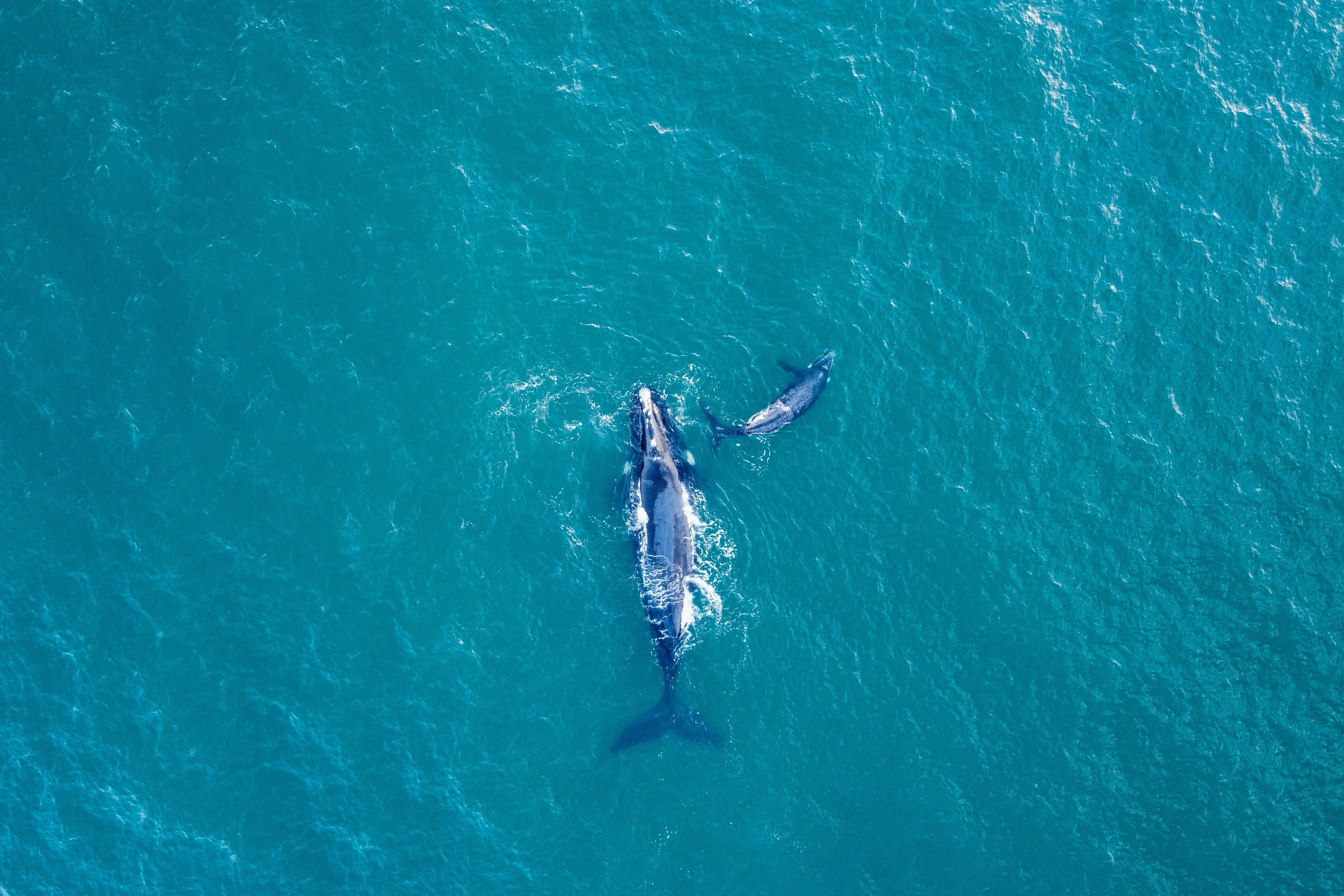
Orgo-Life the new way to the future Advertising by AdpathwayA young humpback whale that washed ashore at Oregon's Fort Stevens State Park was killed by a vessel strike, according to a necropsy by the West Coast Marine Mammal Stranding Network. NOAA Fisheries spokesperson Michael Milstein told The Daily Astorian that the examination also found tooth marks likely left by killer whales and signs of a past entanglement, though no rope or gear remained on the body.
Park rangers first spotted the 32-foot whale floating in the Columbia River on the river side of the South Jetty on Friday, Oct. 9. It washed ashore near Clatsop Spit the next day. Tiffany Boothe of the Seaside Aquarium said its size points to a sub-adult that had not finished growing, since adult humpbacks can reach about 60 feet.
The whale's injuries bundle together the two biggest human threats humpbacks face along the West Coast. Ship strikes kill outright — fishing gear can wound, exhaust, or drown whales long before anyone sees them. For coastal residents, beachgoers and fishing families from Astoria to Newport, the case is a reminder that these risks play out within sight of shore.
A Busy River Mouth and a Migration Route
The Columbia River entrance is one of the Pacific Northwest's main commercial shipping channels, carrying vessels to and from ports upriver. It also sits on the path humpbacks travel each fall. Boothe said humpbacks are the second most common whale to wash up on Oregon beaches, after gray whales, because they are migrating south toward their breeding grounds.
NOAA Fisheries calls vessel collisions "one of the primary threats to marine mammals, particularly large whales" on its West Coast vessel strike page. The agency says humpback, blue, fin and gray whales face the most risk because they migrate along the coast and feed in nearshore waters that overlap heavy ship traffic.
Most strikes are never documented. A whale hit offshore may sink or drift far from any beach, which is one reason a carcass that lands near rangers and responders carries scientific value. The necropsy can confirm blunt-force injuries, bleeding and broken bones that separate a strike from death by disease, starvation or predation.
Fishing Gear Remains the Other Half of the Problem
The healed entanglement marks on this whale fit a wider pattern. NOAA's 2024 West Coast entanglement summary confirmed 36 entangled whales off Washington, Oregon and California that year, the highest regional total since 2018, and 31 of them were humpbacks. The Center for Biological Diversity, an advocacy group, says preliminary 2026 figures already show 37 entangled humpbacks.
Federal regulators acted this month. NOAA Fisheries published a final rule in the Federal Register on Oct. 13 covering groundfish pot and bottom longline gear off the three West Coast states. It requires gear-specific buoy and line markings so investigators can trace gear found on whales, and it caps surface line at 10 fathoms (60 feet). Most provisions take effect Jan. 11, 2027, and the agency estimates about 335 vessels are affected.
The rule cites two 2026 reports still under federal investigation, including a July 23 case off Oregon involving several gear types. The Center for Biological Diversity argues the rule falls short because it does not cut the amount of line in the water. That is the group's position; NOAA says the marking rules will help identify which fisheries are involved.
How Responders Decide What Killed a Whale
Mike Baden, a spokesperson for Oregon State Parks, said the department coordinates with tribal partners and the stranding network whenever a whale comes ashore. "The stranding network first determines the cause of death," he told the newspaper.
The national stranding network is a NOAA-authorized system of trained responders who examine dead animals and help live ones. NOAA's most recent national report counted 8,028 confirmed marine mammal strandings in the United States in 2024. A necropsy records measurements, wounds, body condition, and samples that feed population studies and fishery rules.
Not every finding is final on the beach — lab results from tissue samples can take weeks, and responders rarely can say exactly which vessel struck a whale or when. In this case, NOAA has not said whether the old entanglement weakened the animal before the strike.
Carcasses, Beach Safety and Reporting
Once the cause of death is assessed, Oregon State Parks decides what happens to the body. Baden said tribal partners often choose to harvest the carcass. If the whale is not in an environmentally sensitive or protected area, the department usually lets it decompose naturally, and in some cases it is buried.
Beachgoers should keep their distance from any dead whale. Carcasses can carry bacteria, shift without warning as gases build up, and attract scavengers. Federal law also prohibits collecting bones, teeth, or other parts of marine mammals without authorization, so souvenirs are off limits.
Anyone who finds a dead, injured, or stranded marine mammal on the West Coast can call NOAA's stranding hotline at 1-866-767-6114. Entangled whales should be reported to 1-877-SOS-WHAL (1-877-767-9425) or to the Coast Guard on VHF Channel 16. NOAA advises boaters not to try to free an entangled whale themselves, because trained teams have the tools and permits to do it safely.
Boaters on the lower Columbia and along the coast can lower the risk by slowing down where whales are present and keeping a sharp lookout during the fall migration. For commercial fishermen, the new marking rules begin phasing in next year.
The bottom line is that a young humpback near Fort Stevens died from a ship strike after surviving an earlier entanglement. NOAA's entanglement counts remain high, a new federal gear rule arrives in January, and residents can help most by reporting strandings quickly and staying clear of the animals.
What Readers Want to Know
What killed the humpback at Fort Stevens?
A necropsy by the West Coast Marine Mammal Stranding Network found the cause of death was a vessel strike, according to NOAA Fisheries.
Was the whale entangled in fishing gear?
Not when it died. Responders found signs of a past entanglement, but no rope or gear on the body.
How big was the whale?
About 32 feet long, which the Seaside Aquarium said suggests a sub-adult that was not fully grown.
What happens to a dead whale on an Oregon beach?
After the stranding network assesses it, tribal partners may harvest it, or Oregon State Parks may let it decompose naturally or bury it.
Is it safe to get close to a dead whale?
No. Keep your distance, keep pets away, and do not take any parts, which is prohibited under federal law.
How do I report a stranded or entangled whale?
Call 1-866-767-6114 for dead or stranded animals and 1-877-767-9425 for entangled whales, or contact the Coast Guard on VHF Channel 16.
© 2026 NatureWorldNews.com All rights reserved. Do not reproduce without permission.















 English (US) ·
 French (CA) ·