

Autumn leaves have inspired poets and writers for centuries. Emily Brontë wrote, "Every leaf speaks bliss to me, fluttering from the autumn tree." In Virginia Woolf's novels, autumn leaves "fall like golden flakes." But the fiery beauty of falling foliage is somewhat diminished when your neighbor's leaves waft into your yard.
Gardeners may also view fall foliage as fiery and glorious. But when we rake up our oak leaves today then wake up to find the lawn full of the neighbor’s maple leaves, it’s harder to appreciate their beauty. Whether you accept the “leaves the leaves” philosophy or bag them up and dispose of them, nobody likes to have to deal with someone else’s dead foliage.
Are you wondering what your rights are when it comes to the neighbor’s leaves? You’re not alone. While the complete answer depends on the rules in your state, city, or neighborhood, I'm here to give you an overview, including tips about how to proceed. As a former attorney, I often deal with issues like this in my Gardening Lawyer series.
The Short Answer: Who Usually Has to Clear Naturally Fallen Leaves?
States make laws and cities enact regulations that can impact a property owner’s rights. This includes laws involving neighbors’ rights and responsibilities. Although state and local laws differ, the general rule is that each property owner is responsible for the leaves on their lawn, regardless of whose trees the leaves came from.
The reason for this general rule is fairly easy to understand. It’s all very well if you have oaks and your neighbor has maples. But the more usual case is that you each have both, and the policemen have better things to do than trying to figure out whose trees a lawful of leaves came from.
And look on the bright side, if you shred them (using a shredder like the WORX 13 Amp Electric Leaf Mulcher on Amazon), you will have lots of free leaf mulch for your garden.
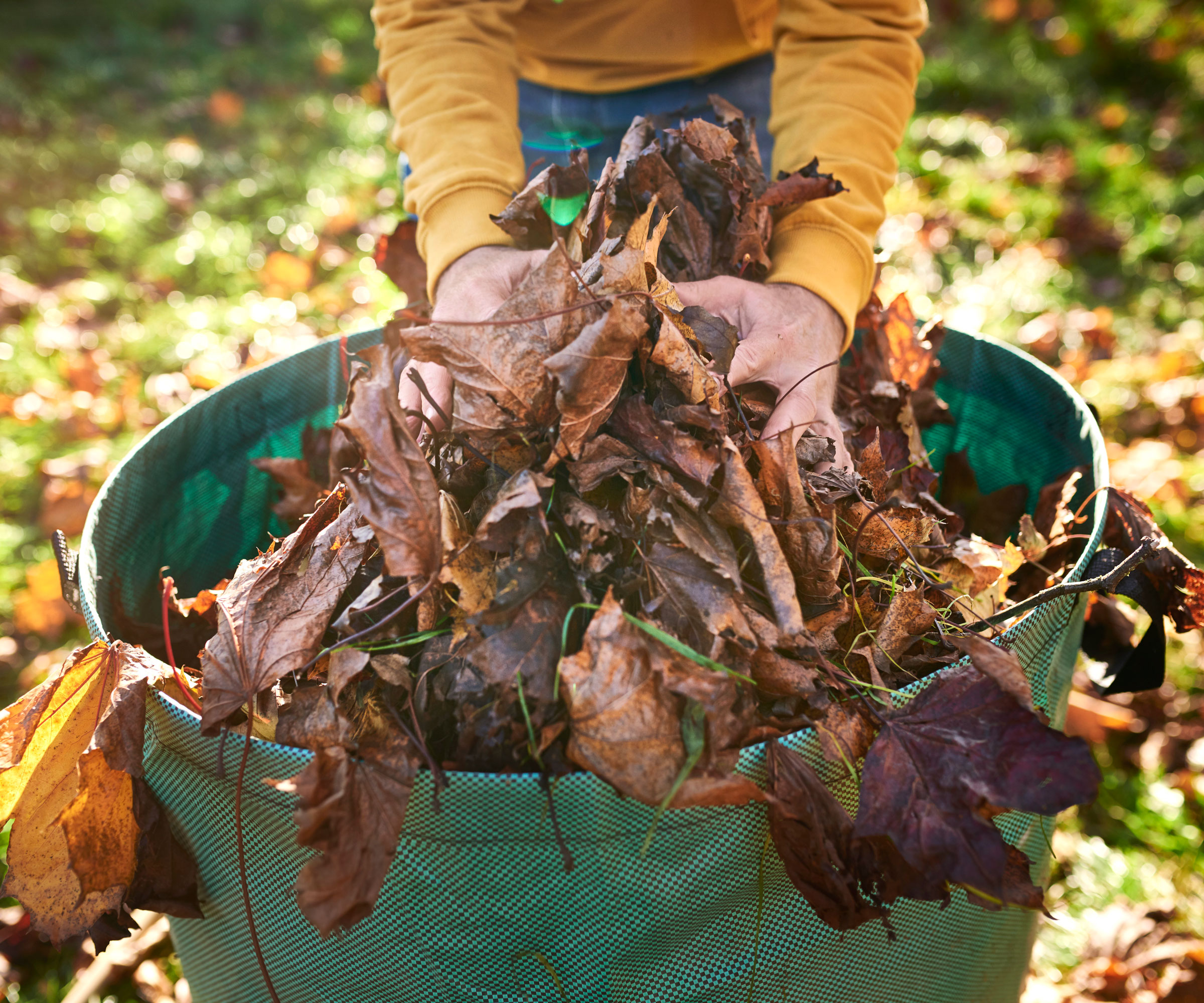
(Image credit: Uwe Krejci / Getty Images)
When Could the Neighbor Be Responsible?
Every rule has its exceptions. This includes the general rule that you have to deal with the fallen leaves on your landscape, regardless of whether they came from the neighbor’s yard. The rule applies if the wind blows the leaves over. The exception is when the neighbor blows those leaves over the property line or rakes them up and dumps them into your property.
What to do if that’s the case? You should report it to your local code enforcement, home owners association (HOA), or local authorities.
What If the Leaves Are Blocking Gutters or Drains?
Leaves drifting from the other side of the property line onto your lawn are annoying. But in your gutters, they are even more of a problem. Leaves blocking the gutters mean the water cannot run out.
But, like clearing leaves from a lawn, clearing the leaves from a gutter is the responsibility of the owner of the gutter. You cannot sue your neighbor to remove them in most circumstances. If the leaves-in-the-gutter issue causes other problems, like mold in the home, it becomes a nuisance. In that case, with proper evidence, you may be able to take the neighbor to court.
Can You Cut Back the Neighbor’s Overhanging Branches?
The number one issue that causes a neighbor’s leaves to land in your gutter is overhanging tree branches. The best course of action is to speak with your neighbor first to outline the issue. Ask if they could trim the overhanging tree branches themselves.
But what if they say no, or say yes but never get around to it? The good news is that you have the right to clip back those branches to the property line – from your own side of the fence. Don’t damage the tree and don’t go onto the neighbor’s land to make the cuts.
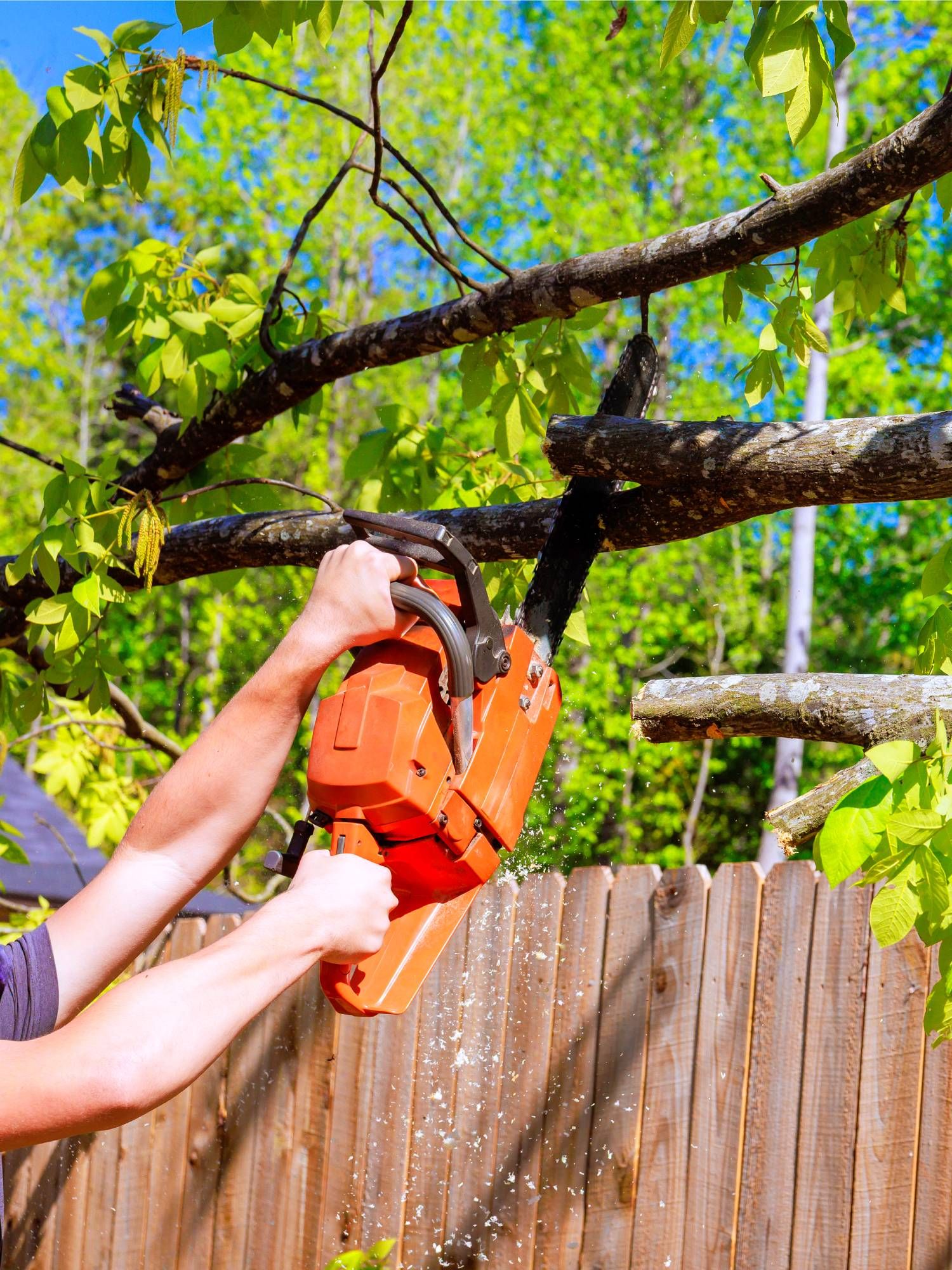
(Image credit: photovs / Getty Images)
What If Your Neighbor Blows Their Leaves Back Over the Fence?
As described above, the general law is that your neighbor need not clear leaves from their trees that the wind blows onto your property. Leaves blowing in the breeze across the property line are an act of nature.
But what if it isn’t an act of nature? What does the law say if your neighbor blows the leaves back over the fence to your property? If the neighbor takes action to get those leaves on your property – using a leaf blower or raking up the leaves into a sack and dumping them over the fence – it is no longer considered an act of nature. It’s the same as dumping garbage on your land, and you can definitely get local authorities involved.
What Evidence Should You Gather?
To prove that the neighbor deliberately shifts their leaves to your property, photographic evidence is essential. Photos are good; videos are better. Set up a motion-sensor camera in the backyard to get the evidence – HITELLARCAM is a well-rated budget choice.
In addition, start keeping a calendar. Put into the calendar when you talk to the neighbor, when your gutters or lawns fill up, when you empty the gutters or rake your lawn, when you cut back the branches.
If you are also claiming additional damage (like mold in the house), you’ll need expert testimony on the source. Call in a plumber to check for mold and write up an opinion linking the mold to the leaves in the gutters.
How to Handle the Dispute Without Making It Worse
Going to court is neither fun nor cheap, and it almost always leaves bad feelings between neighbors. That’s why it pays to try to negotiate a solution with your neighbor.
The first thing to do in every situation is to let the neighbor know about the issue. Try to have a casual conversation about the issue – no threats, no attorneys, no rage. Walk out into the garden or invite them to climb up a ladder to peer into your gutters. Let them know that it’s becoming a problem for you, and you would like their help with it.
If discussions get stuck, suggest a mediator to work with you. If you have an HOA, they may be able to provide the mediator. If not, ask at City Hall.





















 English (US) ·
  French (CA) ·