

 1 day ago
20
PROTECT YOUR DNA WITH QUANTUM TECHNOLOGY
Orgo-Life the new way to the future Advertising by AdpathwayThe last minor storm came Oct. 21; the Moon passes the Pleiades this week, and Saturn remains an easy evening target while skywatchers wait for the next solar blast.
Aurora watchers hoping for a geomagnetic storm under the full Hunter's Moon came up empty — at least for now. NOAA's Space Weather Prediction Center said in its 3-day forecast issued at 12:30 UTC Monday, Oct. 26, that the strongest Kp index observed over the previous 24 hours was 2, below storm levels, and that the highest Kp expected through Oct. 28 is also 2.
"No G1 (Minor) or greater geomagnetic storms are expected," the agency wrote. That means the northern lights should stay confined to high latitudes such as Alaska and Canada for the next few nights, rather than reaching the northern tier of the Lower 48.
For skywatchers, the practical takeaway is to adjust expectations — not give up on the sky. The bright Moon and Saturn remain easy targets, and the Moon passes the Pleiades star cluster on the night of Oct. 27 into Oct. 28.
Quiet Sun After an Active October
The last time Earth reached G1 storm levels was late Oct. 21, when the K-index hit 5 at 23:59 UTC, according to SWPC's alerts and warnings log. That followed a G1 watch issued Oct. 20. Activity has since settled, with a K-index of 4 recorded on Oct. 23 and quiet readings afterward.
SWPC's forecast discussion issued at 00:30 UTC Tuesday said no Earth-directed coronal mass ejections, the solar eruptions that drive most strong storms, were identified in coronagraph imagery. Solar wind was mildly enhanced Monday, but its magnetic field stayed mostly neutral or northward, an orientation that limits energy transfer into Earth's magnetic field. A chance of isolated unsettled periods lingers Tuesday, with mostly quiet conditions expected Wednesday and Thursday.
EarthSky's daily sun report, written by NASA Goddard heliophysicist C. Alex Young and colleagues, had flagged a low-confidence chance that a glancing blow from an Oct. 21 eruption could briefly lift activity on Oct. 26. That did not translate into a storm. The most active sunspot region is now rotating off the visible side of the Sun, reducing flare chances.
Earlier this month brought stronger activity. Nature World News reported on the G3 storm of Oct. 10, which lit up skies over the United Kingdom and northern Europe.
Reading the Kp and G-Scale Numbers
The Kp index runs from 0 to 9 and measures global geomagnetic disturbance every three hours. A Kp of 5 equals a G1, or minor, storm on NOAA's five-level scale. SWPC says G1 conditions can make aurora visible at high latitudes, including the northern tier of the U.S. such as northern Michigan and Maine. A Kp of 2, the current forecast maximum, generally limits displays to places like Fairbanks and northern Canada.
The forecast is probabilistic. Solar wind conditions can change within hours, and SWPC issues watches when a coronal mass ejection is headed toward Earth, usually a day or more before arrival. No such watch was in effect as of Tuesday's forecast discussion.
Some posts circulating over the weekend described a strong storm underway on Oct. 25. At least one skywatching blog linked to an SWPC page about an April 2025 event as evidence. SWPC's own data show no storm-level activity on Oct. 25 or 26. Readers should check the agency's current products, which carry an issue time, rather than reposted screenshots.
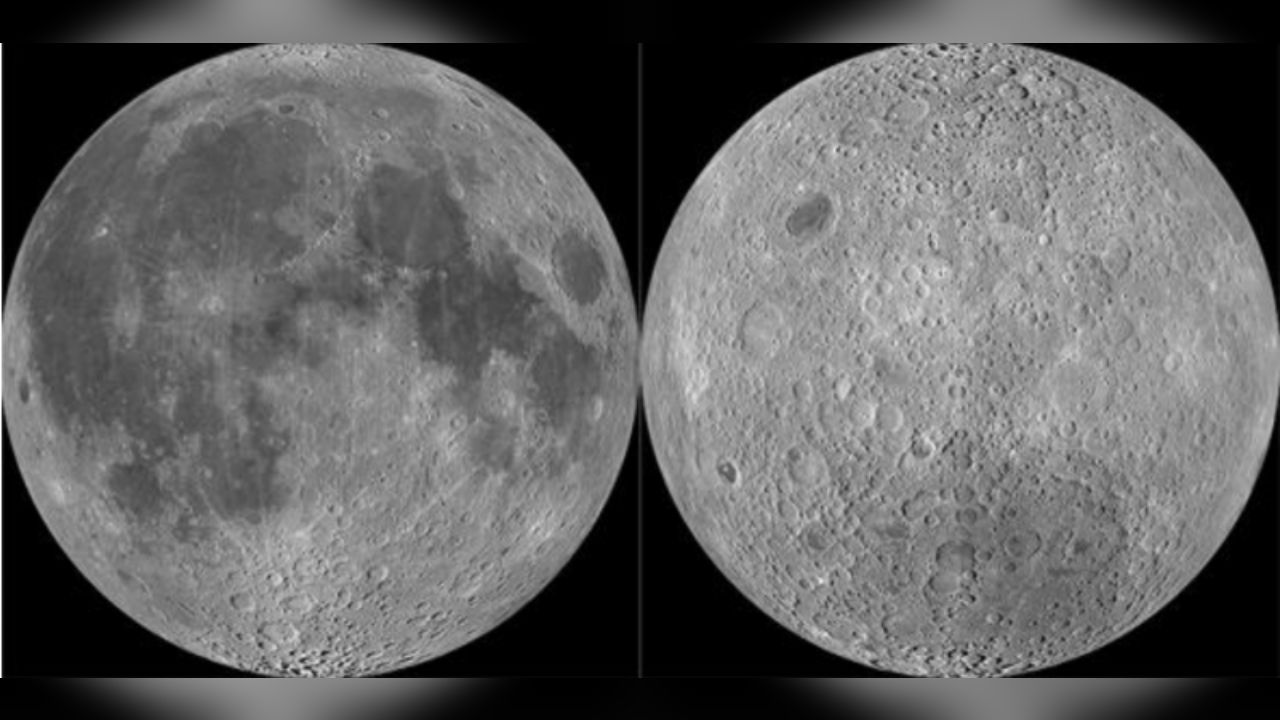
The Hunter's Moon reached full phase at 4:12 UTC Oct. 26, which was 11:12 p.m. CDT Oct. 25, near Saturn and in front of the constellation Aries, according to EarthSky. The name traces to the season when hunters tracked game by moonlight after harvest. Even during a storm, bright moonlight washes out fainter aurora, so the next few nights were never ideal for faint displays.
Northern Tier Skywatchers and Alaska Residents
Residents of interior Alaska have the best chance of seeing aurora this week, weather permitting, because they sit under the auroral oval even during quiet conditions. Skywatchers in Minnesota, Michigan, Maine, Montana, and Washington would need at least a G1 storm, which SWPC does not currently expect.
Space weather at this level poses no risk to household electronics, health, or air travel. SWPC has reported elevated high-energy electron levels in space since Oct. 23, a condition that mainly concerns satellite operators, not people on the ground.
For a sky target that does not depend on the Sun, look east around 11 p.m. local time Tuesday for the waning gibbous Moon next to the Pleiades, as NASA's October skywatching guide describes. Saturn, which reached opposition Oct. 4, remains visible for much of the night and appears as a steady golden point.
SWPC's Next Forecast Updates
SWPC issues its forecast discussion twice daily and its 3-day forecast each day. Aurora hopefuls can check the agency's aurora dashboard and 30-minute aurora forecast before heading out, and look for a clear northern horizon away from city lights if a watch is issued. This week also marks the 23rd anniversary of the 2003 Halloween storms, a reminder that conditions can change quickly, though nothing in current data points to a repeat.
The bottom line: no geomagnetic storm is forecast through Oct. 28, and aurora visibility should stay limited to Alaska and Canada. Readers who want an alert should watch for an SWPC storm watch, which typically gives a day or more of notice.
What Readers Want to Know
Is there a geomagnetic storm this week? No. SWPC's Oct. 26 forecast expects a maximum Kp of 2 through Oct. 28, below storm levels.
Where could I see the northern lights? Mainly Alaska and Canada. The northern Lower 48 would need at least a G1 storm.
When was the last storm? G1 levels were reached late Oct. 21. A G3 storm occurred Oct. 10.
What is a Hunter's Moon? The full moon after the Harvest Moon. This year it peaked at 4:12 UTC Oct. 26, near Saturn.
What can I see instead? The Moon passes the Pleiades on the night of Oct. 27 into Oct. 28, and Saturn is visible much of the night.
How will I know if a storm is coming? SWPC issues storm watches, usually a day or more ahead of a coronal mass ejection's arrival.
© 2026 NatureWorldNews.com All rights reserved. Do not reproduce without permission.

















 English (US) ·
 French (CA) ·