

 5 hours ago
3
5 hours ago
3
PROTECT YOUR DNA WITH QUANTUM TECHNOLOGY
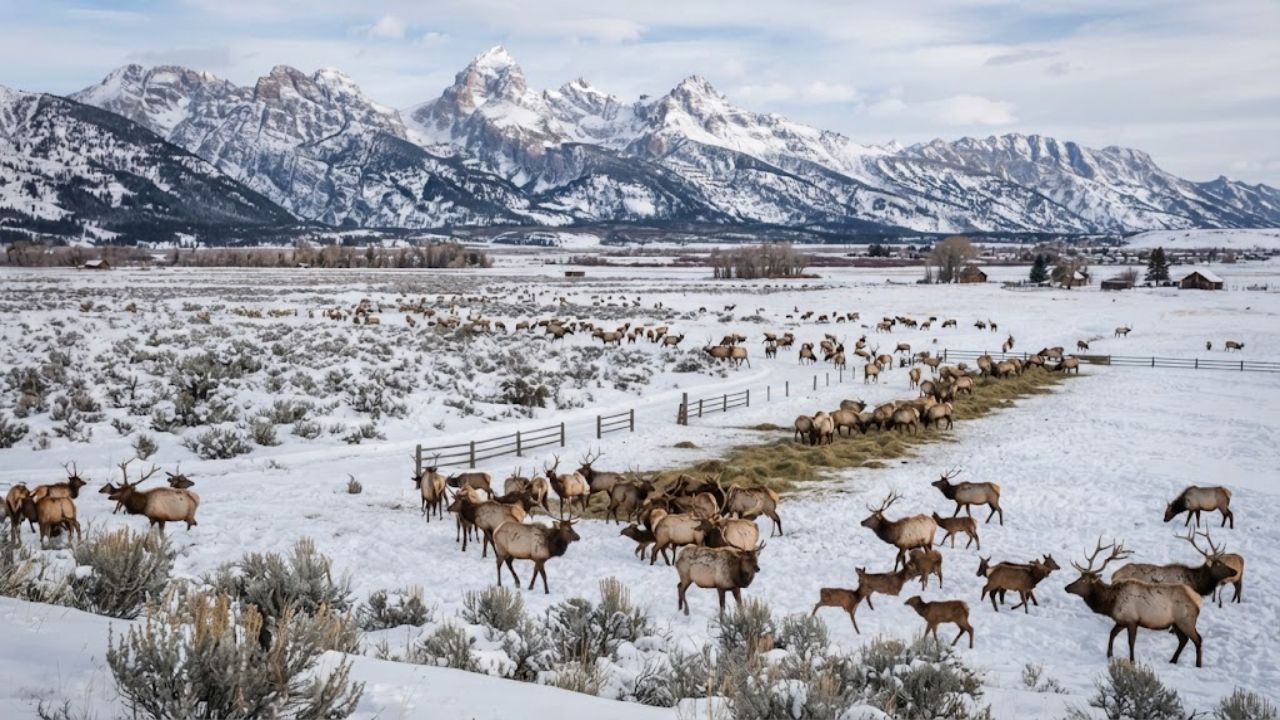
Orgo-Life the new way to the future Advertising by AdpathwayCompanies drilling for oil and gas inside national wildlife refuges must tell the federal government within 24 hours whenever their operations injure or kill fish, wildlife, or endangered or threatened plants. That requirement, along with the rest of the reporting regime governing private drilling on refuge land, is open for public comment until October 2.
The U.S. Fish and Wildlife Service published a notice proposing to renew that authority on September 2. The agency describes the action as an extension without change, meaning no requirement is being added, loosened or rewritten. What the notice does is lay out, in unusual detail, a system most refuge visitors do not know exists.
Drilling happens on refuges because of split estate. The Service bought the surface of much refuge land without acquiring the minerals underneath, and the private owners of those minerals retain a legal right to develop them. The agency can set conditions on how they operate, but it cannot say no.
For anyone who hunts, birds, fishes or hikes on a refuge, the practical question is what gets reported when something goes wrong on a well pad, and how much of it reaches the public.
Thirty Notifications Is a Projection, Not a Tally
The notice includes a burden table with a line that is easy to misread. Under section 29.121(c), the Service estimates 30 annual notifications of injury or mortality to fish, wildlife or listed plants, at one hour each.
That figure is an administrative projection prepared to satisfy the Paperwork Reduction Act. It is not a count of confirmed incidents, not a cap, and not a target. The underlying rule sets no ceiling: every qualifying incident must be reported within 24 hours, however many occur. If operators reported three hundred deaths next year, they would be complying with the rule, and the estimate would simply have been wrong.
A separate line covers accidents involving serious personal injury or death, plus fires and spills. The Service estimates 20 such notifications annually, required immediately after the accident, followed by a written report within 90 days that it estimates takes 16 hours to prepare.
Two larger lines carry more of the oversight weight. Third-party monitors, who report directly to the Service on permit compliance, account for an estimated 200 reports a year at 17 hours each. Reports verifying compliance with permit terms account for another 240. Across all activities the collection covers 864 annual responses and 15,640 burden hours, plus an estimated $2.25 million in annual non-hour costs tied to financial assurance requirements.
Nothing in the notice says whether the wildlife mortality notifications are compiled, published or made searchable. That is the open question a reader would most want answered, and this document does not answer it.
Drilling Inside the Refuge System by the Numbers
The Service's own published accounting, issued alongside its 2016 rewrite of these regulations, put roughly 5,000 oil and gas wells on more than 100 national wildlife refuges. Almost 1,700 were active. The majority of active wells produce natural gas; the agency counted fewer than 260 active oil wells.
Those figures date from the rulemaking rather than from a fresh census, and should be read as the most recent systemwide numbers the agency has published rather than a current count. A peer-reviewed analysis of refuge wells by Service researchers, published in PLOS ONE in 2015, reached closely comparable totals, identifying 5,002 wells across 107 refuge units, of which 1,665 were active.
The number that should concern readers most is smaller and older. The Service has estimated roughly 450 unplugged wells and unrestored sites on refuge lands with no known operator. An orphan well has nobody left to hold responsible, so the cost of plugging it falls to the public. Through the Bipartisan Infrastructure Law, the agency has secured an initial $13.9 million to plug 175 orphaned wells at six refuges across two states, which addresses well under half the estimated backlog. The agency says many of those sites are actively leaking hydrocarbons, methane and contaminated water.
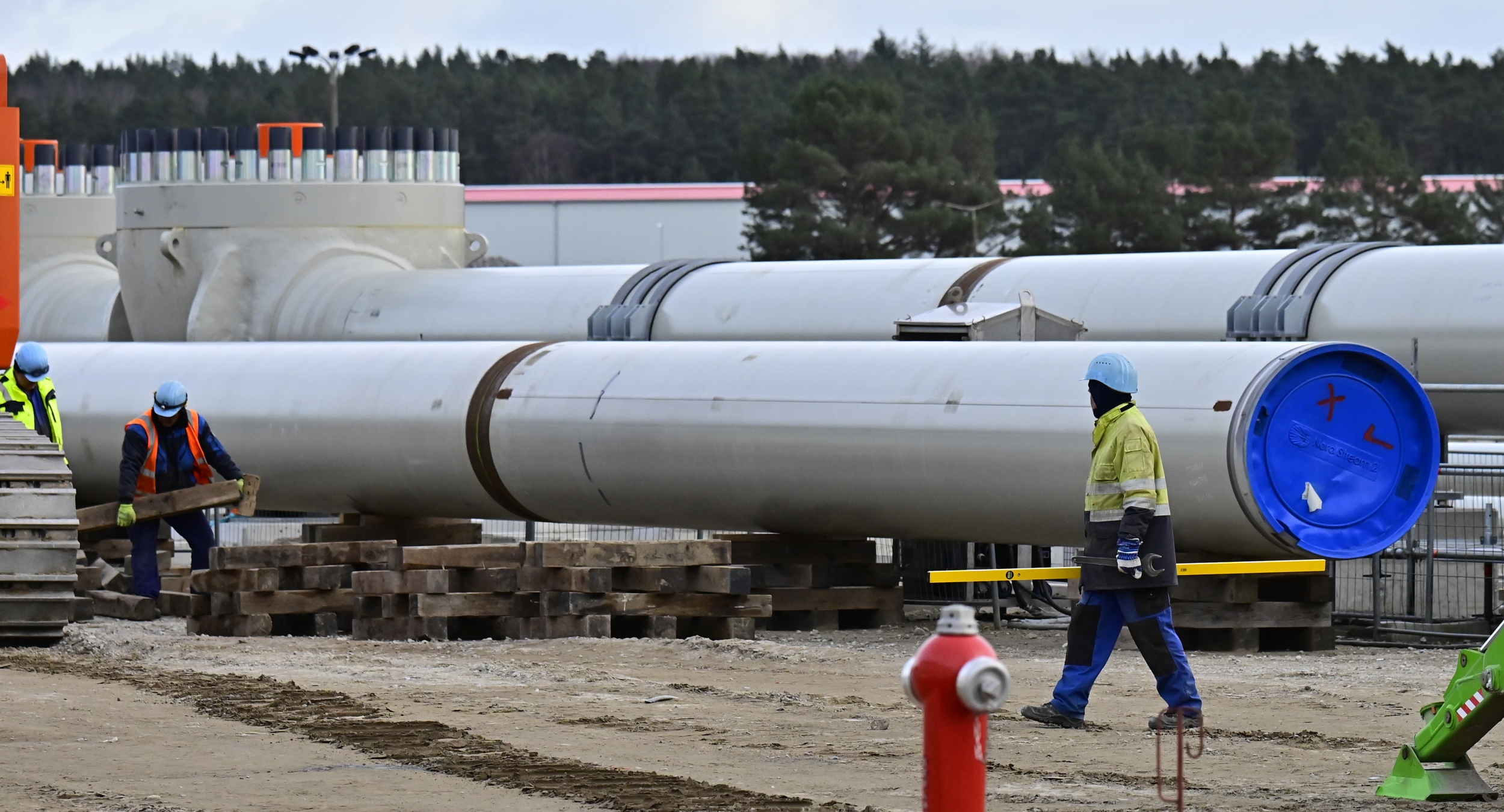
The regulations at 50 CFR part 29, subpart D are what the paperwork renewal supports. They require operators to map sensitive features, describe spill trajectories, file reclamation cost estimates, post financial assurance and carry liability insurance before work begins. One boundary is worth knowing: when the Service finalized the 2016 rule, it clarified that the regulations do not apply to non-federal oil and gas rights on refuges in Alaska, which remain governed by separate Alaska land statutes.
Chemical Disclosure and the Trade Secret Exception
Operators who hydraulically fracture a well on refuge land must report the true vertical depth, the total water volume used, and a description of the base fluid and every additive, including trade name, supplier, purpose, ingredients, Chemical Abstract Service number and maximum concentrations. The Service estimates just five such disclosures a year, uploaded to FracFocus.
There is an exception, and it is worth understanding before reading any refuge chemical disclosure as complete. Under section 29.210, an operator may withhold information it claims is exempt from public disclosure, supported by an affidavit affirming that the owner faces actual competition, that release would likely cause substantial competitive harm, and that the information is not readily apparent through reverse engineering with publicly available information.
When chemical identity is withheld, the operator must still supply a generic chemical name, which the rule says must be "only as nonspecific as is necessary" to protect the confidential identity. Records of withheld information must be kept until the Service releases the operator's financial assurance or for seven years after operations end, whichever comes later.
Objections on the Record and the October Deadline
The Service received five comments during the earlier 60-day round that opened in the spring. One was a technical suggestion about hybrid paper and electronic reporting in areas with poor connectivity. The other four raised conservation objections, three of them urging the agency to stop or prohibit private oil and gas operations on refuge and public land outright.
The Service published its answers. A paperwork renewal, it wrote, does not establish or revise substantive policy or the underlying authority for operations, and the action "cannot prohibit operations." Its role under existing law, the agency said, is to allow non-federal mineral rights to be exercised while avoiding or minimizing unnecessary impacts on refuge resources and uses.
That response is legally accurate and also illustrates something useful about federal process. Comments aimed at the policy land in the wrong docket. Comments aimed at the paperwork can land in the right one.
The Service specifically invites comment on whether its burden estimates are accurate and whether the methodology and assumptions behind them hold up. Anyone who believes 30 annual wildlife mortality notifications understates what is happening on refuge well pads has an opening there, and that is a narrower, more answerable claim than a general objection to drilling.
Comments are due October 2 through reginfo.gov, with a copy to the Service's information collection clearance officer, or by email referencing control number 1018-0162. The docket record includes the permit form operators actually file. Background on how these operations are managed is on the agency's non-federal oil and gas rule FAQs.
After the comment period closes, the Office of Management and Budget decides whether to approve the renewal. Approval keeps the current reporting requirements in force. Nature World News will report the outcome and will continue tracking orphan well plugging on refuge lands.
What Readers Want to Know
Is drilling really allowed inside national wildlife refuges? Yes, where private parties own the minerals beneath refuge land. The Fish and Wildlife Service acquired the surface without the mineral rights in many places, and those owners retain a legal right to develop. The agency can regulate how, not whether.
What does the 24-hour rule actually require? Operators must notify the Service within 24 hours of any injury to or death of fish, wildlife, or endangered or threatened plants connected to their operations. There is no limit on the number of reports required.
Does the notice mean 30 animals are killed on refuges each year? No. Thirty is the agency's estimate of how many notifications it expects to process annually for paperwork-burden purposes. It is not a count of confirmed incidents and should not be read as one.
What happens when a spill or fire occurs? Operators must notify the Service immediately and file a written report within 90 days. The agency estimates 20 such events annually across the refuge system.
Can companies keep fracking chemicals secret on refuge land? Partly. Operators must disclose fluid composition, but may withhold specific chemical identities by filing an affidavit claiming competitive harm. In that case they must provide a generic chemical name instead.
Who pays when an operator walks away? The public, in most cases. The Service has estimated roughly 450 unplugged wells and unrestored sites on refuge land with no known operator, and federal infrastructure funding is covering an initial 175 of them.
How do I comment, and by when? By October 2, through reginfo.gov or by email to the Service's information collection clearance officer, referencing control number 1018-0162.
© 2026 NatureWorldNews.com All rights reserved. Do not reproduce without permission.
















 English (US) ·
  French (CA) ·