

 3 days ago
26
3 days ago
26
PROTECT YOUR DNA WITH QUANTUM TECHNOLOGY
Orgo-Life the new way to the future Advertising by AdpathwayAbout 200 eggs from the first sea turtle nests ever recorded on the U.S. West Coast are incubating in sand-filled containers at the Aquarium of the Pacific in Long Beach, California. Federal and state biologists collected the eggs from two olive ridley nests in Orange County on Friday, Sept. 25, because high surf from tropical storms off Mexico was forecast to arrive with the weekend's high tides, according to NOAA Fisheries.
If the eggs are viable, they could hatch 45 to 60 days after being laid, around the first week of November, officials said. Any hatchlings would be released on the beaches where their mothers nested so they can make the crawl from sand to sea.
Whether any eggs will hatch is the open question. The eggs were moved several days after they were laid; they are developing far north of the species' normal nesting range, and officials have not predicted how many are viable. For Southern California beachgoers, the practical takeaway is that more nests are possible this fall, and anyone who spots a turtle or its tracks should report it rather than approach.
Two Nests, Eight Miles Apart
The first turtle was seen digging a nest and laying eggs near Seal Beach at about 3 p.m. on Sept. 16, after a beachgoer alerted Huntington Beach lifeguards. Three days later, around 7 p.m., a second turtle nested near the Huntington Beach Pier, about 8 miles away. NOAA research biologist Cali Turner Tomaszewicz confirmed they were different animals by comparing body shape, barnacles and the pattern of scales on each shell.
Local, state and federal agencies fenced both sites, posted signs and added city patrols while they tracked tide, storm and surf forecasts. NOAA Fisheries said the team concluded that moving the eggs gave them the best chance of survival. ABC7 Los Angeles reported that biologists collected 204 eggs in all.
The threat came from Hurricane Polo, which was churning off Mexico's Pacific coast and was not expected to reach Southern California directly. Officials said they had been monitoring Polo and potential beach hazards in Orange and San Diego counties, and that hazardous surf expected to coincide with high tides prompted the move, ABC7 reported. Biologists removed the eggs one by one starting around 6 a.m. Friday, NBC San Diego reported.
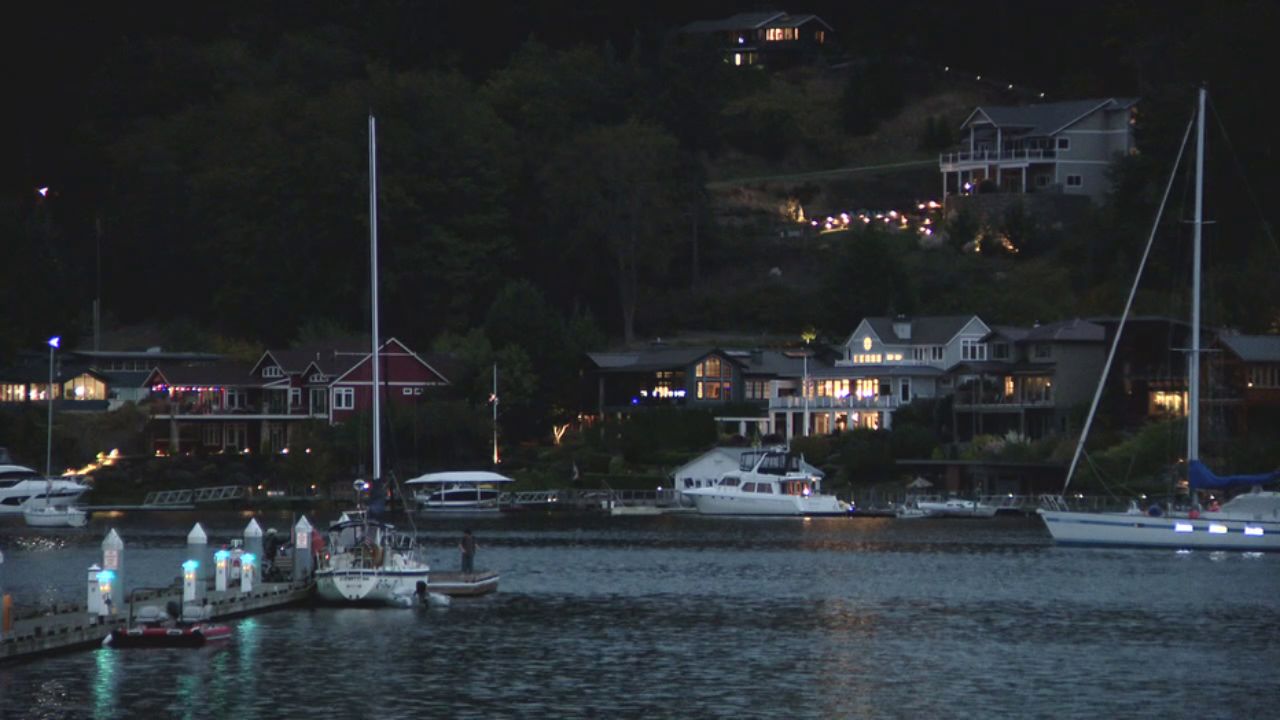
Both nests also sat in busy spots. The Seal Beach nest was near the Surfside community, next to an area where sand berms are planned for winter storms, and the Huntington Beach nest was near a stretch of beach set to be closed Oct. 2 to 4 for the Pacific Airshow, the Associated Press reported.
Inside a Temperature-Controlled Nursery
The Aquarium of the Pacific, which the U.S. Fish and Wildlife Service authorizes to rescue threatened sea turtle nests, is holding the eggs in a quiet, private area of its Molina Animal Care Center, where staff will monitor and maintain temperature and humidity. The AP reported that the eggs will be left undisturbed during incubation to mimic natural conditions, and that any hatchlings will be released as soon as possible.
"This is an unprecedented situation," said Dr. Lance Adams, a veterinarian at the aquarium, who said staff hopes the eggs will hatch and the young turtles can be returned to the wild.
Temperature matters for more than survival. In sea turtles, the incubation temperature helps determine whether hatchlings develop as male or female, and for olive ridleys, temperatures around 87 degrees Fahrenheit and above produce almost all females, CNN reported. Controlled incubation removes the storm risk, but it also means these embryos are not developing in a fully natural beach nest.
In optimal conditions, olive ridley nests in the wild can hatch at rates of up to 90%, according to the AP. These eggs faced less typical conditions, including a location far north of the usual nesting grounds and relocation several days after laying, and the aquarium said it will provide updates during incubation.
A Tropical Turtle on Orange County Sand
Olive ridleys are among the smallest sea turtles, with adults weighing up to about 100 pounds. They live in tropical and warm waters of the Pacific, Atlantic, and Indian oceans. NOAA Fisheries says the species has never been documented nesting in the United States, and the closest regular nesting site is in the western Cape region of Baja California, Mexico, near Todos Santos. Mexico's Pacific coast breeding populations that nest in mass arribadas are listed as endangered under the Endangered Species Act, and all other populations are listed as threatened.
Scientists do not know exactly why these turtles nested in California. NOAA Fisheries says warm sea surface temperatures from ongoing marine heat waves and a developing El Niño are likely key factors, and that the turtles' nomadic habits and perhaps navigational errors may also have played a role. Jeffrey Seminoff, who leads NOAA's marine turtle ecology and assessment program, told NBC in San Diego that researchers are looking at correlations with El Niño, currents and prey. "We'll never know for sure," he said.
That caution matters. Two nesting females do not show that olive ridleys are establishing a new breeding area, and the events cannot be tied to any single cause. NOAA Fisheries notes that because sea turtles tend to return as adults to the beaches where they hatched, any surviving hatchlings could one day come back to nest, making this a potential founding event rather than an established one.
"Humans will need to adapt and make space," said Jeff Flocken, the aquarium's president and CEO, describing how people may need to respond as wildlife adapts to a changing ocean.
More Nests Possible This Fall
The nesting season may not be over. Each olive ridley typically nests two to three times in a season, about two weeks apart and in the same general area, NOAA Fisheries said. One or both of these females could return to Orange County beaches, and other turtles may already have nested unnoticed.
Beachgoers should watch for flipper tracks leading from the waterline to the upper beach, a disturbed mound of sand, or a turtle crawling on shore. Anyone who sees a nesting turtle, a suspected nest or a turtle in distress should call the 24/7 NOAA Fisheries West Coast Sea Turtle Stranding Hotline at 562-506-4315 or alert lifeguards. People should keep their distance and should not touch turtles or eggs or disturb fencing and signs, since sea turtles are protected under the Endangered Species Act.
The next milestone is early November, when any viable eggs are expected to hatch. Until then, California's first sea turtle nests are a story of careful waiting, and of agencies preparing for a possibility they never before had to plan for.
What Readers Want to Know
Where did the olive ridley sea turtles nest?
One turtle nested near Seal Beach on Sept. 16, and a second nested near the Huntington Beach Pier on Sept. 19. Both sites are in Orange County, California.
Why were the eggs moved?
Biologists were concerned that high surf from Hurricane Polo, arriving with high tides, could erode the beach or wash the nests away. They judged that incubation at the Aquarium of the Pacific gave the eggs the best chance.
When could the eggs hatch?
If viable, the eggs could hatch around the first week of November, within the species' typical 45 to 60-day incubation period.
Will the eggs definitely hatch?
No. Officials have not said how many eggs may be viable, and hatching success is uncertain given the northern location and the relocation.
What will happen to the hatchlings?
Any hatchlings are expected to be released on the beaches where their mothers laid the eggs.
What should I do if I see a sea turtle on a Southern California beach?
Keep your distance and call the NOAA Fisheries West Coast Sea Turtle Stranding Hotline at 562-506-4315 or notify lifeguards. Do not touch the turtle, its eggs, or any protective fencing.
© 2026 NatureWorldNews.com All rights reserved. Do not reproduce without permission.

















 English (US) ·
  French (CA) ·