

PROTECT YOUR DNA WITH QUANTUM TECHNOLOGY
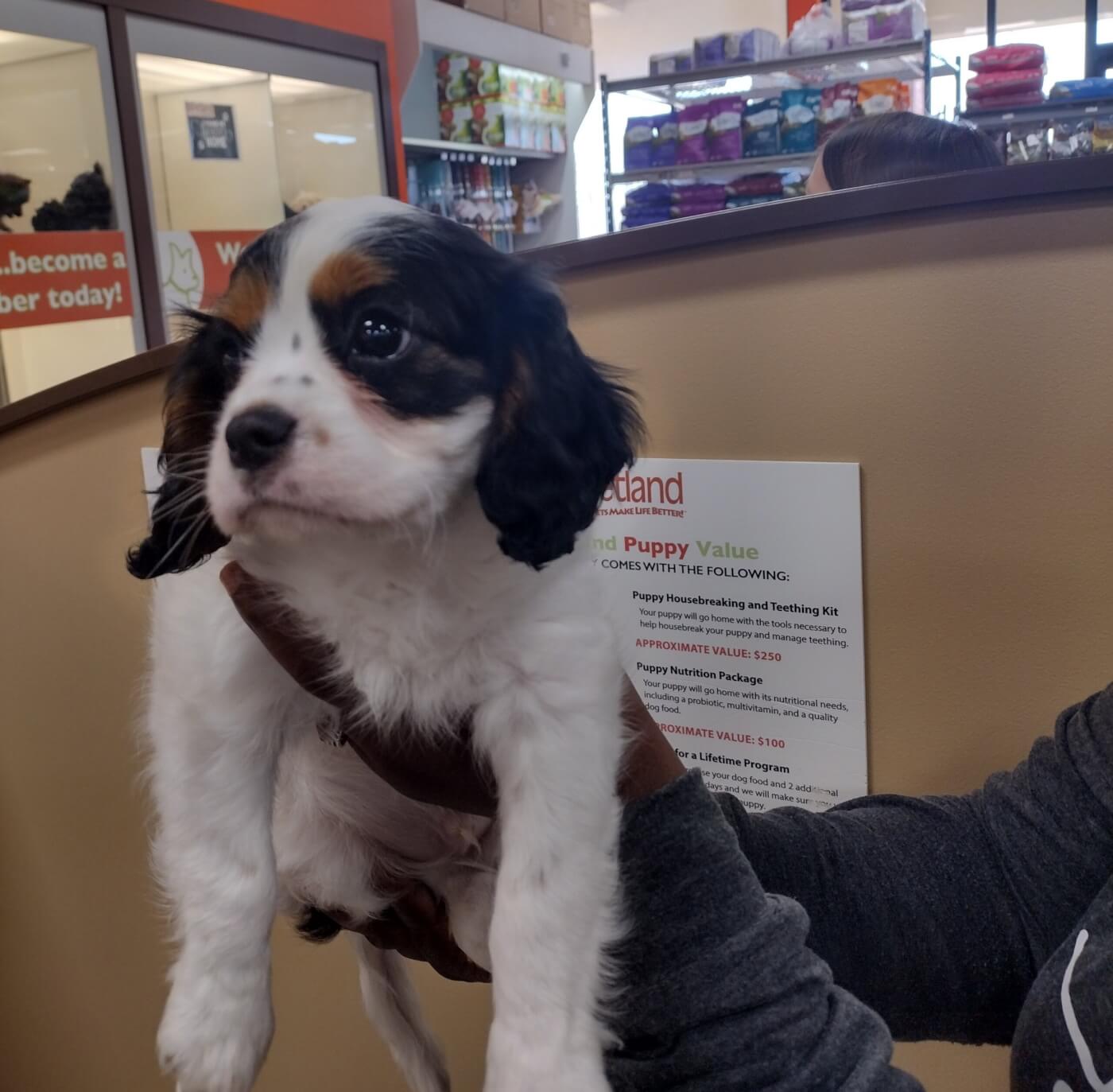
Orgo-Life the new way to the future Advertising by AdpathwayWhen Carla Hutson walked out of Petland Lake St. Louis, she thought she was bringing home a healthy, joyful Cavalier King Charles Spaniel puppy. Instead, her lawsuit alleges, she found herself caring for a dog suffering from a painful, lifelong neurological condition caused by his brain being squeezed out of his skull. The condition is present in at least 95% of purebred Cavalier King Charles Spaniels, though the lawsuit claims that this warning is nowhere on Petland’s website—and is caused by dogs being bred for a specific head shape and skulls that are too small for their brains.
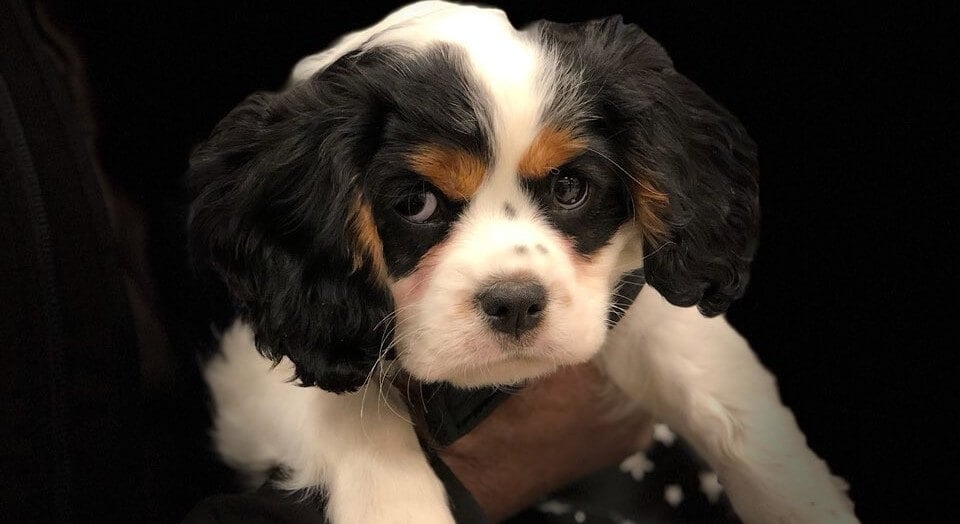
Now, with the help of PETA Foundation attorneys, she’s taking the company to court.
A Canine in Crisis
Hutson’s puppy, Seven, was only two months old when she purchased him. Her lawsuit claims that within days, he became severely ill, and a veterinarian diagnosed him with giardiasis—a dangerous parasitic infection known to cause vomiting, diarrhea, and rapid weight loss.
The lawsuit contends that Seven then began showing alarming symptoms: yelping, shaking, and “phantom scratching,” telltale signs of pain, or even burning sensations caused by underlying neurological problems. The plaintiff claimed that further testing revealed a devastating diagnosis: Chiari-like malformation, a genetic defect in which the skull is too small for the brain, causing it to be pushed through the opening at the back of the skull.
After spending thousands of dollars on veterinary care, Hutson had to surrender Seven to a Cavalier adoption group on June 15 because she could no longer afford the associated costs.
What the Lawsuit Alleges
The lawsuit argues that Petland violated the Missouri Merchandising Practices Act by:
- Misrepresenting the health of the puppies it sells
- Claiming its breeder standards exceed industry norms
- Failing to disclose common genetic ailments in purebred dogs
According to the Petition, a Petland employee assured Hutson that Seven had received proper veterinary care and came from breeders who met “above and beyond” standards. But the lawsuit argues that Petland’s requirements merely mirror the bare minimum needed for federal licensing—things like basic shelter, food, water, and access to a vet—and they fall short of several Missouri standards, such as giving female dogs rest between litters and banning painful wire‑floor cages that can injure their feet.
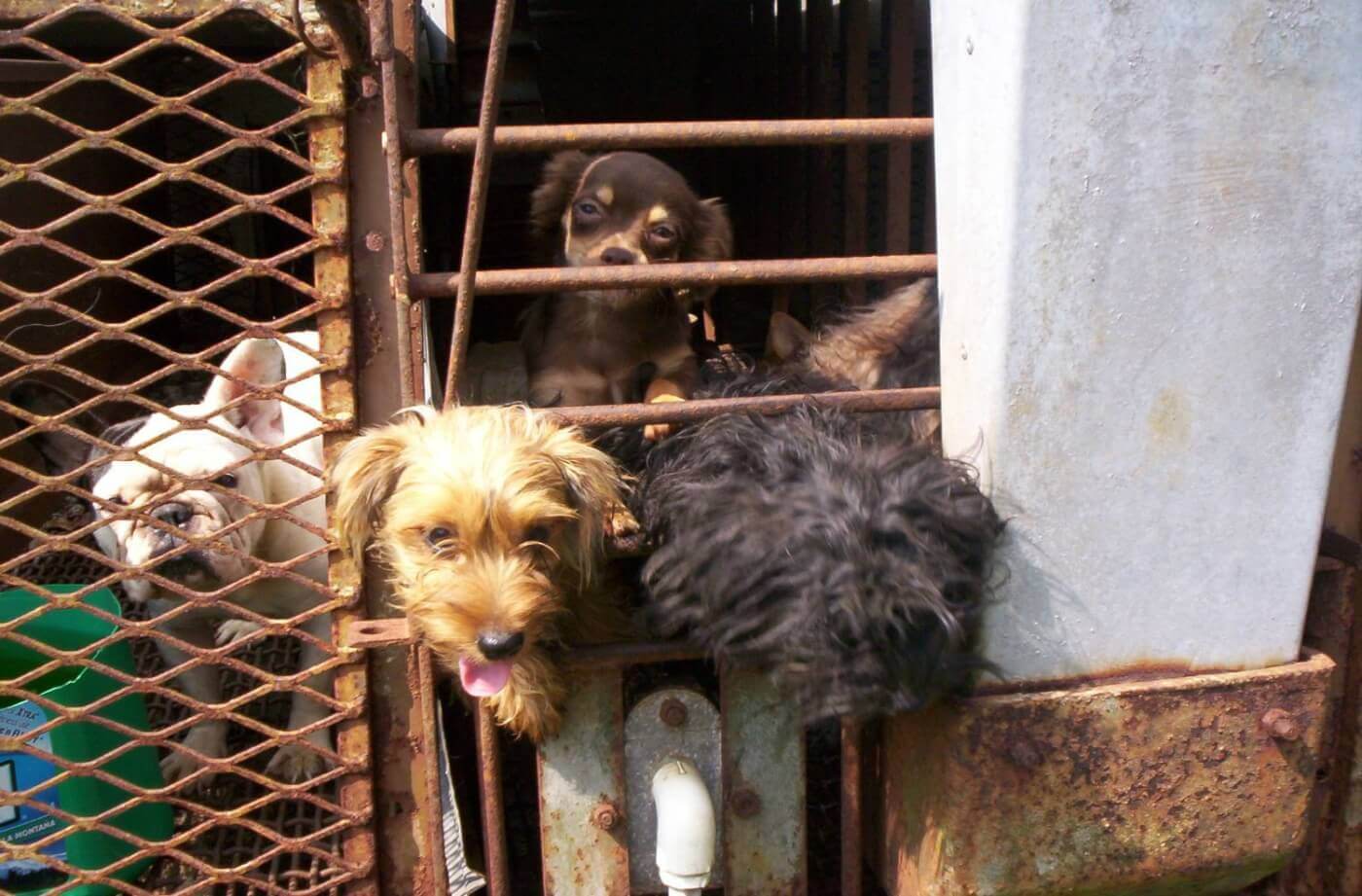 Dogs and puppies at a commercial dog breeding facility. This photo is for illustrative purposes and does not depict conditions at a specific breeding facility connected to the litigation.
The litigation further claims that Petland does not require genetic screening protocols before breeding dog pairs, even though such testing is standard in many countries. These screenings can reduce the severity of Chiari-like malformation and the prevalence of syringomyelia, a related spinal condition that causes fluid-filled cavities to form in the spinal cord.
‘Watching Him Struggle Breaks My Heart’
Ms. Hutson says the lawsuit is about more than compensation—it’s about accountability.
The lawsuit seeks:
- Monetary damages for Seven’s inflated purchase price
- Coverage of veterinary care
- Emotional damages
- A court order preventing Petland from making misleading claims about puppy health or breeder standards
- A court order requiring Petland to disclose breed-specific health risks
Cavalier King Spaniels: One of the Unhealthiest Dog Breeds in the World
Ms. Hutson’s experience asserted in the lawsuit reflects what many misled guardians learn only after buying a dog: The “purebred” label often comes with a lifetime of suffering.
The Cavalier is widely considered one of the unhealthiest dog breeds in the world. The Oslo District Court banned the breeding of Cavaliers in Norway altogether, ruling that their extreme predisposition to disease violates the country’s Animal Welfare Act.
Cavaliers commonly suffer from:
- Skulls too small for their brains, leading to Chiari-like malformation and syringomyelia
- Breathing impairments due to shortened muzzles
- Mitral valve disease (MVD), the leading cause of death in the breed
- Vision and hearing impairments
- Hip and knee problems that cause lifelong pain
The lawsuit’s account of Seven’s story mirrors many other experiences in an industry built on breeding dogs for looks rather than health and selling them to just anyone.
How to Help Dogs Like Seven
Say it with us: There is no such thing as a “responsible” breeder. Every single dog breeder, no matter how big or small the operation is, contributes to a system that churns out puppies while shelters across the country overflow with homeless animals. Pet stores and breeders sell sick, deformed animals who are doomed to suffer. Meanwhile, millions of cats and dogs struggle to survive on the streets, where they’re vulnerable to starvation, attacks from cruel humans, exposure to temperature extremes, and other deadly dangers.
But you can be part of the solution. Here’s how to be a true advocate for dogs:
- Adopt, don’t shop. If you’re ready and have the resources to care for a dog for life, adopt one. Never buy an animal.
- Check Petfinder if you’re absolutely set on a specific breed. Did you know that nearly 25% of animals at shelters are purebred? There’s never an excuse to support breeders, especially when you can find the breed you’re looking for at a shelter or breed-specific rescue.
- Learn how purebred dogs suffer.
- Urge Petland and Petco to stop selling animals.



















 English (US) ·
  French (CA) ·