

 7 hours ago
10
7 hours ago
10
PROTECT YOUR DNA WITH QUANTUM TECHNOLOGY
Orgo-Life the new way to the future Advertising by AdpathwayHeat driven by this year's strong El Niño could cause about 451,000 more deaths worldwide than a typical year between June 2026 and the end of February 2027, according to a report released Wednesday, Sept. 23, by the Climate Impact Lab at the University of Chicago. The United States is among the 20 most affected countries, with a projected 3,500 additional deaths, CNN reported on the analysis.
The headline number needs context. The 451,000 total covers the first nine months of El Niño, which began in June, so it includes three months that have already passed. The report's estimate for the six months from September through February is 239,000 deaths, plus or minus 11,000. All of these figures are modeled projections, not counts of recorded deaths, and the analysis has not yet been peer-reviewed.
The report arrives as NOAA forecasters say this El Niño could become the strongest in their record. Its authors say the goal is to show where proven heat protections could save the most lives in the months ahead.
Where the Projected Deaths Are Concentrated
The report projects the heaviest toll in the Global South. Countries across Africa's Sahel region account for about 66,800 additional deaths from September through February, including 31,400 in Nigeria, 17,500 in Sudan, 10,000 in Niger and 8,000 in Chad.
In Southeast Asia, the team projects 19,300 additional deaths in Indonesia and 19,400 combined across the Philippines, Vietnam, Thailand and Cambodia. It also projects 15,800 in India and 13,300 in Brazil. Timing varies by country. Nigeria and Indonesia face much of their projected toll between December and February, which the authors say leaves more time to act.
The lab projects global land temperatures running about 1.2 degrees Celsius (2.1 degrees Fahrenheit) above normal in the coming months, with 44% more extremely hot days than in a normal year. The authors say those conditions resemble the temperatures climate change is projected to bring about 20 years from now, calling this El Niño a "postcard from the future." The lab's announcement of the findings notes that the heat deaths would come on top of impacts from drought, wildfires and flooding.
Report co-author Michael Greenstone, a co-founder of the lab and an economics professor at the University of Chicago, said heat is most dangerous in places that are already hot and relatively poor. In those places, he told the Associated Press, "the extra couple of degrees are going to be much more dangerous."
A Modeled Estimate, Not a Death Count
The analysis combines seasonal temperature forecasts from the European Centre for Medium-Range Weather Forecasts with the lab's previously published estimates of how temperature affects mortality in 24,378 regions worldwide. Projected deaths are compared with the same months of an average year from 1996 to 2025. The lab says full methodological details will appear in a peer-reviewed journal.
That distinction matters because heat deaths are poorly tracked, even in wealthy countries, so the June to August figures are also modeled rather than tallied. Raquel Nunes, an associate professor in health and environment at the University of Warwick in England who was not involved in the work, told CNN the estimate is plausible as a modeling exercise but "should not be viewed as a definitive prediction."
The report does not attribute any individual heat wave to climate change. El Niño is a natural climate pattern, but this year's event is unfolding on a planet already warmed by human activity, which raises the risk of extreme heat. The authors expect their totals to rise, since El Niño is forecast to last into Northern Hemisphere spring and its heat effects could linger into the following summer.
El Niño Strength and the U.S. Outlook
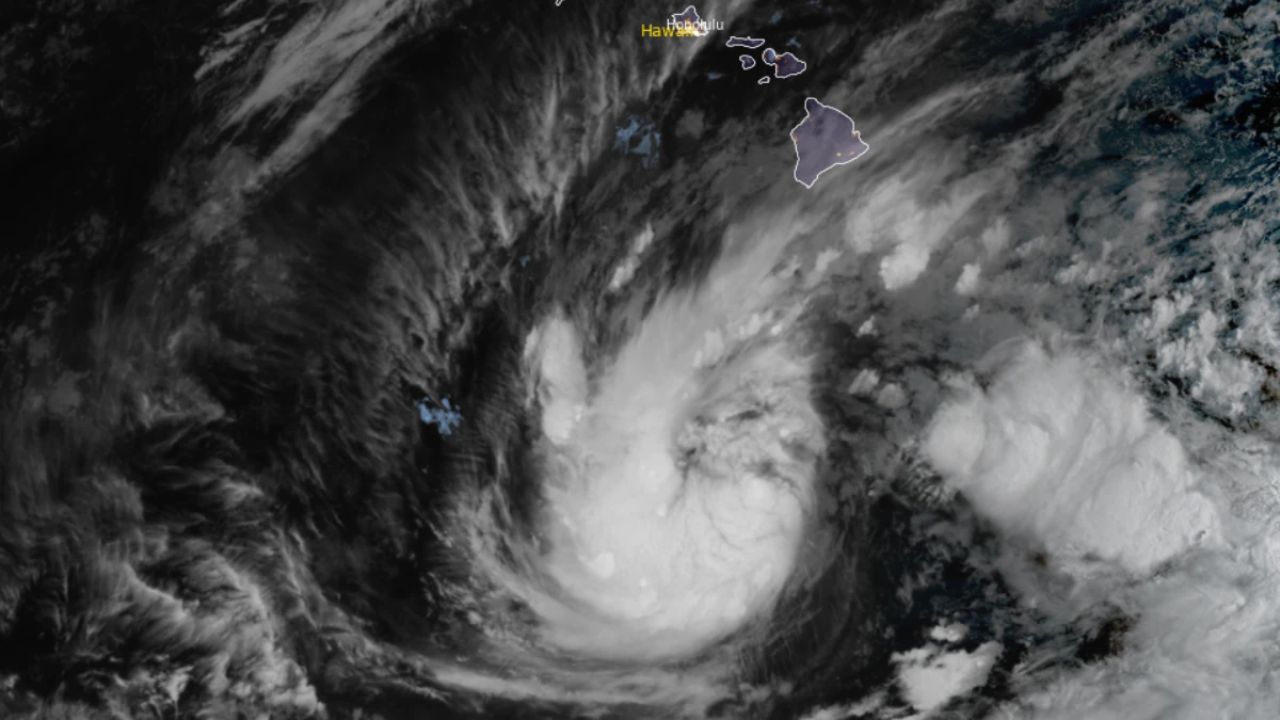
NOAA's Climate Prediction Center maintains an El Niño Advisory. Its latest ENSO diagnostic discussion said El Niño is strengthening, with a greater than 90% chance of a very strong event during the Northern Hemisphere fall and winter of 2026 to 2027. It also gave a 75% chance that the event will exceed the strength of every El Niño in its record since 1950 during October through December. The next monthly discussion is scheduled for Oct. 8.
The center cautions that a stronger event raises the odds of typical El Niño impacts without guaranteeing them. In the United States, El Niño winters tend to bring wetter conditions across the southern tier and milder conditions across the northern tier, but these are tendencies, not forecasts of specific weather.
The projected 3,500 U.S. deaths are a small share of the global total. Still, heat can be dangerous for vulnerable people during any unseasonably warm stretch.
Heat Plans, Cooling Access and Next Steps
The lab's Adaptation Inventory of proven heat measures points to steps shown to help people cope with extreme heat, including heat warnings, outreach to vulnerable populations, cooling centers and hydration stations, protections for outdoor workers and expanded health system capacity. The authors also call for anticipatory financing, so governments can move money before dangerous heat peaks.
Report co-author Tamma Carleton, faculty head of research for the Climate Impact Lab and an assistant professor at the University of California, Berkeley, said better-targeted emergency response can save many lives this year. But once today's extreme temperatures become the norm in about 20 years, she said, "we don't want to be in a constant state of emergency."
For U.S. readers, the practical steps are simple. Check National Weather Service heat alerts during unseasonably warm spells, know where local cooling centers open, and check on older neighbors and relatives who live alone. Heavy sweating, dizziness, nausea, weakness, and a fast, weak pulse can signal heat exhaustion. Confusion or loss of consciousness can signal heat stroke, which is a medical emergency that calls for 911. Households struggling with cooling costs can ask their utility about bill assistance or payment plans.
Greenstone told the AP that heat danger will likely persist beyond February, even though this El Niño is expected to end by then. The lab says it will update its projections as El Niño progresses.
The bottom line: the 451,000 figure is a serious, model-based warning, not a body count, and most of the projected toll falls far from the United States. Its clearest message is that proven heat protections can reduce deaths if they are put in place early.
What Readers Want to Know
What did the new report find?
The Climate Impact Lab estimates that El Niño-driven heat could cause about 451,000 more deaths worldwide from June 2026 through February 2027 than in a typical year, including about 239,000 from September through February.
Does the 451,000 figure mean those deaths will all happen by February?
No. The total includes modeled deaths from June through August, which have already passed. The forward-looking six-month estimate is about 239,000.
How many deaths are projected in the United States?
About 3,500 additional heat-related deaths, which places the United States among the 20 most affected countries, according to CNN's reporting on the analysis.
Is the report peer-reviewed?
Not yet. It builds on the lab's previously published, peer-reviewed methods, and the authors say full details will appear in a peer-reviewed journal. An independent expert called it plausible as a modeling exercise but not a definitive prediction.
How strong is this El Niño?
NOAA's Climate Prediction Center gives a greater than 90% chance of a very strong event this fall and winter and a 75% chance it becomes the strongest in its record since 1950 during October through December.
Who faces the greatest risk from heat?
People in already hot, lower-income regions face the highest projected toll. In any country, older adults, people with chronic illness, outdoor workers, infants and households without affordable cooling are especially vulnerable.
© 2026 NatureWorldNews.com All rights reserved. Do not reproduce without permission.



















 English (US) ·
  French (CA) ·