

 4 hours ago
5
PROTECT YOUR DNA WITH QUANTUM TECHNOLOGY
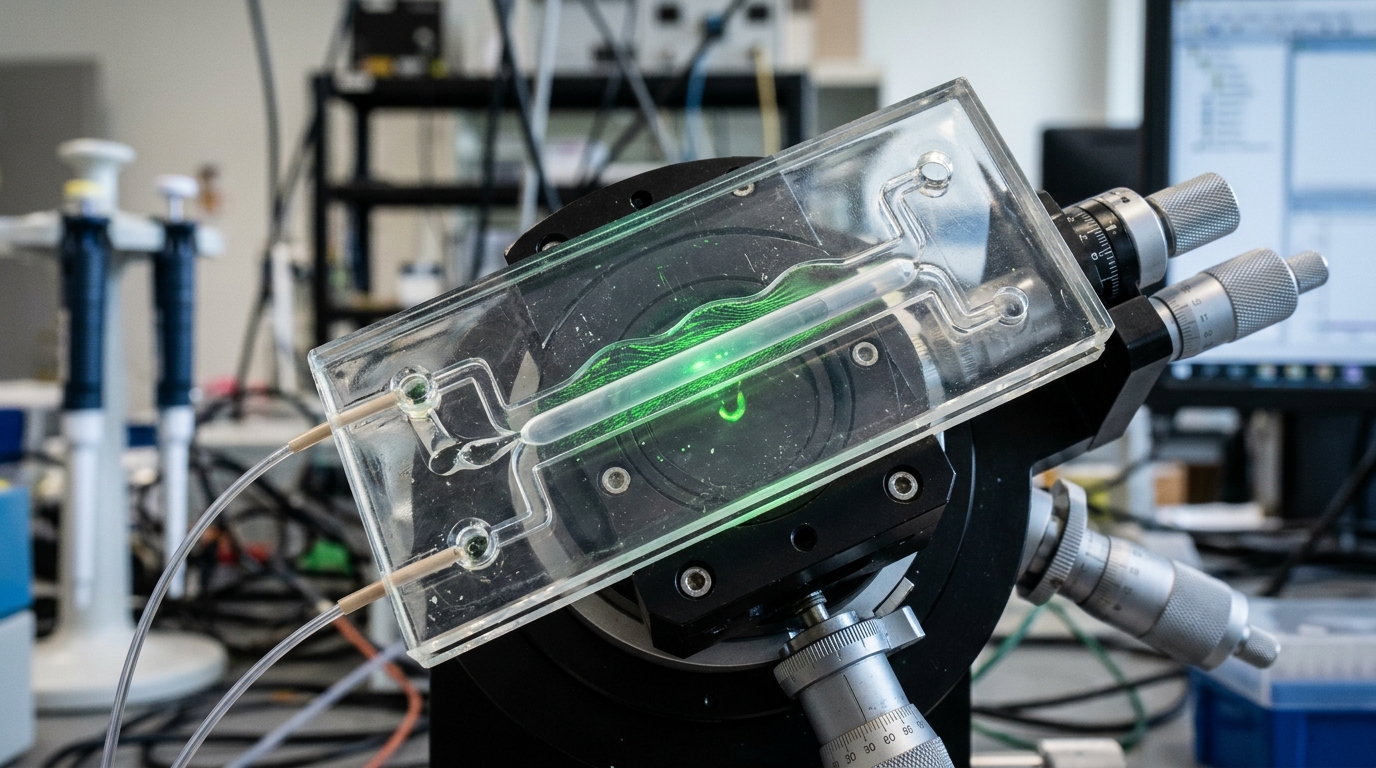
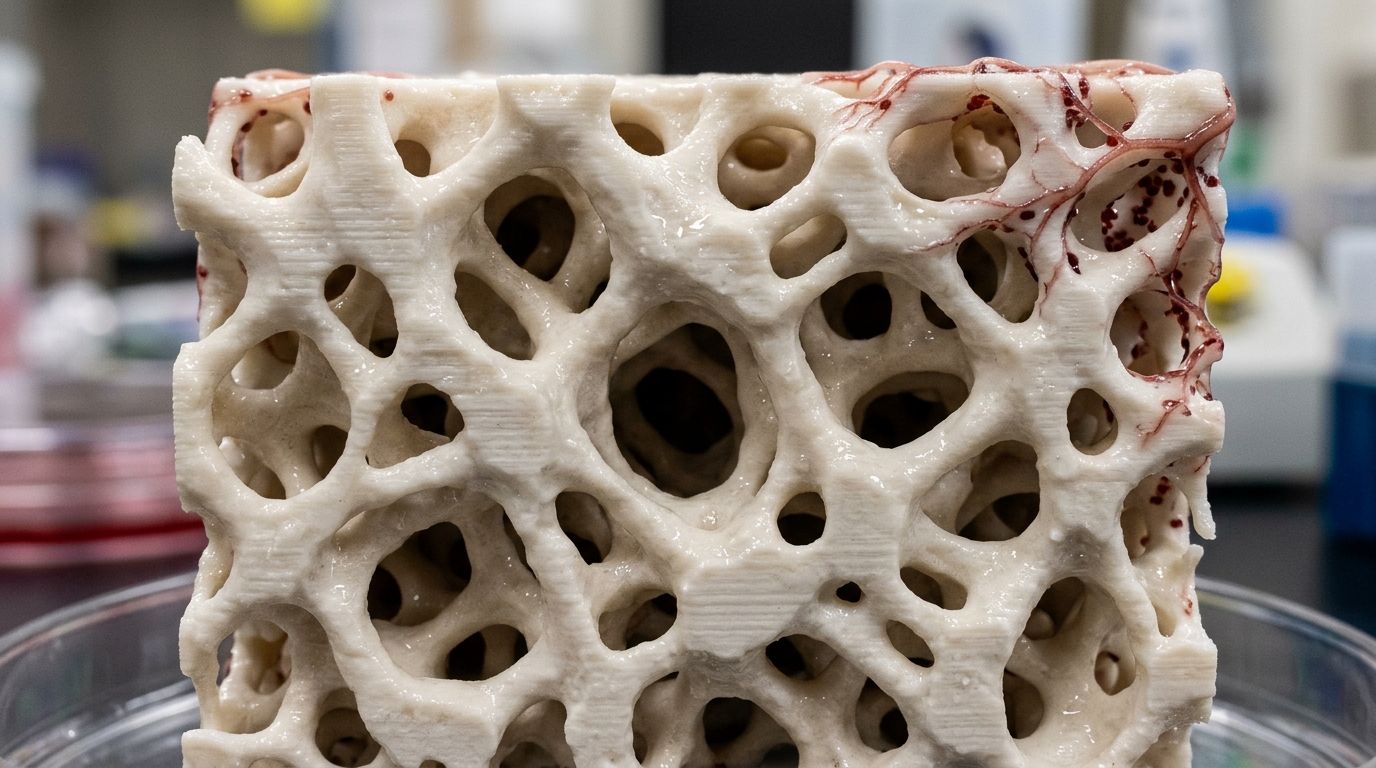
Orgo-Life the new way to the future Advertising by AdpathwayScientists have shown that growing HepaRG cell-based hepatic organoids in a rotating three-dimensional bioreactor drives them toward a more mature, liver-like state than conventional static culture. The open-access original article, published in Cellular and Molecular Life Sciences, used a device called the Rotating Flat Chamber (RFC) to expose the organoids to mechanical cues during long-term culture. The work addresses a persistent bottleneck in biomedical research: the lack of functional hepatocytes, which complicates drug safety testing and limits therapeutic applications.
The researchers set out to generate mature hepatic organoids from HepaRG cells using the three-dimensional bioreactor. Biomechanical cues were already known to potentiate the differentiation of liver stem cells into hepatocyte-like cells when combined with biochemical factors that regulate hepatocyte maturation. The new study tested whether rotating culture could push established hepatic organoids further along the maturation pathway.
The results demonstrated that hepatic organoids maintained high viability during long-term culture in the RFC. Survival is a critical parameter for any organoid platform, because extended culture periods are often needed for cells to acquire and maintain specialized functions. The finding that the rotating environment supported cell health over the long term established the foundation for the maturation measurements that followed.
Those measurements centered on hepatocyte-specific markers. Expressions of albumin (ALB), cytokeratin 18 (CK18), CYP3A4, and CYP1A2 were significantly higher in RFC-cultured organoids compared to static controls. Albumin is a hallmark protein of mature hepatocytes, cytokeratin 18 is a structural marker of epithelial liver cells, and the cytochrome enzymes CYP3A4 and CYP1A2 carry out much of the liver’s drug metabolism. Elevated expression of all four markers indicated that the organoids in the rotating chamber had moved closer to the functional profile of real liver tissue.
Functional assays reinforced the molecular evidence. Typical hepatocyte functions of glycogen synthesis, indocyanine green excretion, and low-density lipoprotein uptake were markedly enhanced in the RFC-cultured organoids. Glycogen synthesis reflects the liver’s role in glucose storage, indocyanine green excretion mirrors the organ’s capacity to clear compounds from the blood, and low-density lipoprotein uptake reproduces its lipid-handling activity. Together, these assays showed that the maturation seen at the marker level translated into measurable cellular performance.
A striking molecular detail emerged from the mechanotransduction analysis. The β1-integrin-FAK-talin-vinculin signaling pathway, which normally transmits mechanical signals from the extracellular environment into the cell interior, was remarkably prohibited in the RFC-cultured organoids relative to static controls. This downregulation of β1-integrin-related mechanotransduction ran counter to what a simple mechanical-stimulation model might predict, suggesting that the rotating environment reshapes how the cells sense and respond to physical forces rather than simply amplifying adhesion-based signaling.
The Hippo pathway effector YAP provided the second key to the mechanism. RFC culture significantly increased cytoplasmic localization of YAP protein, and the authors link this redistribution to the promotion of differentiation and maturation of the hepatic organoids. YAP’s subcellular position is a well-established switch in developmental and tissue biology, with cytoplasmic retention generally associated with reduced proliferative signaling and support of differentiated states. In this system, the shift of YAP out of the nucleus coincided with the enhanced hepatocyte marker expression and functional activity.
Taken together, the findings indicated that rotating culture provided a more favorable environment for hepatocyte maturation than conventional static culture, operating with downregulation of β1-integrin-related mechanotransduction and YAP-dependent signaling changes. The study frames the Rotating Flat Chamber as a practical tool for producing more mature hepatic organoids, which could improve the reliability of liver models used in drug safety testing and expand options for therapeutic applications where functional hepatocytes are in short supply.
Subject of Research: Mechanical stimulation of HepaRG cell-based hepatic organoids in a rotating flat chamber bioreactor to promote hepatocyte maturation through YAP-dependent signaling.
Article Title: Mechanical cues promote HepaRG cell-based hepatic organoid maturation via focal adhesion and YAP-dependent signaling
Article References: Zhong, S., Zheng, L., Li, J., Gong, M., Li, P., Sun, S., Wu, Y., Luo, Q., Song, G., Li, N., Du, Y., Lü, D., & Long, M. (2026). Mechanical cues promote HepaRG cell-based hepatic organoid maturation via focal adhesion and YAP-dependent signaling. Cellular and Molecular Life Sciences. https://doi.org/10.1007/s00018-026-06499-1
Image Credits: AI Generated
DOI: 10.1007/s00018-026-06499-1
Keywords: liver organoids, HepaRG cells, hepatocyte maturation, rotating bioreactor, mechanotransduction, YAP signaling, beta1-integrin, drug safety testing, CYP3A4, albumin, three-dimensional culture, Cellular and Molecular Life Sciences
















 English (US) ·
 French (CA) ·