

 1 day ago
3
1 day ago
3
PROTECT YOUR DNA WITH QUANTUM TECHNOLOGY
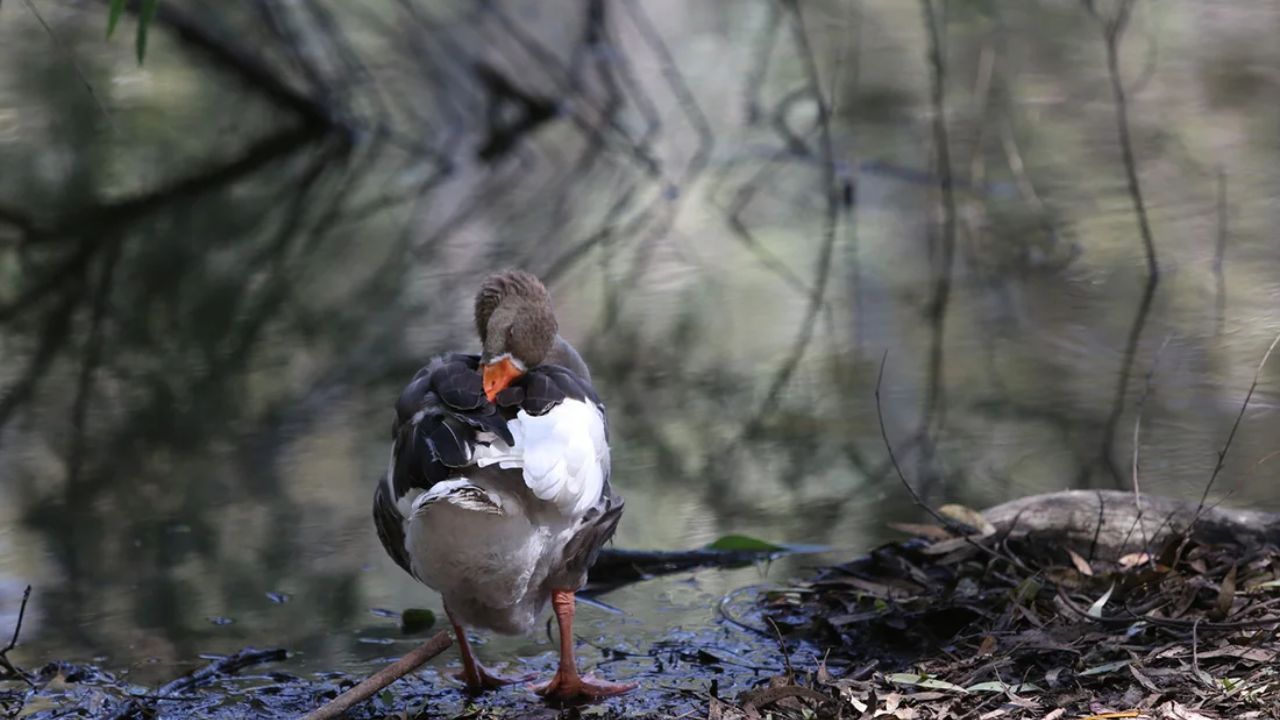
Orgo-Life the new way to the future Advertising by AdpathwayA second goose infected with bird flu has died at the lake inside Athalassa National Forest Park in Nicosia, Cyprus, according to Cyprus Mail, which reported on Wednesday, Sept. 30, that the country's Veterinary Services had confirmed the case. It follows the Veterinary Services' announcement a day earlier that H5N1 avian influenza had been detected in a goose at the same lake, along with advice that visitors not approach, feed, or come into close contact with the birds.
Four people who were in direct contact with the dead birds- the person who found the first goose and three forestry department officers- are undergoing daily PCR testing at a hospital. As of the Sept. 30 report, all results had been negative, and none of the four were in quarantine. "It has not been confirmed in humans. It is simply being tested, "veterinary services officer Dimitris Epaminondas told the Cyprus News Agency.
Epaminondas recommended that the public avoid visiting the park for about one to two weeks as a precaution. He noted that a week had already passed since the first case was identified and that two weeks is considered enough time for the virus's transmission cycle to run its course. Nature World News found no newer official statement as of Thursday morning, Oct. 1 (ET).
Lab Results Still Pending on Strain Severity
In its Sept. 29 announcement, reported by Sigmalive, the Veterinary Services of the Ministry of Agriculture, Rural Development and Environment said laboratory tests were continuing with the Community Reference Laboratory to determine the pathogenicity of the virus. That testing distinguishes highly pathogenic avian influenza, which can cause severe disease and high death rates in poultry, from low-pathogenic forms. Authorities have notified the European Commission and the World Organisation for Animal Health.
One local outlet has gone further. The Famagusta Gazette reported that laboratory identification completed on Monday, Sept. 28, confirmed a highly pathogenic H5N1 strain, and it described the second bird, found on Tuesday, as a possible case that had been sent for testing. Nature World News has not seen an official Veterinary Services statement confirming high pathogenicity, so that detail remains unconfirmed.
Epaminondas said the first indication of bird flu came on Friday, Sept. 25, and was confirmed on Monday, Sept. 28, after examinations by the Veterinary Services. He said officials have carried out daily checks in the area since that Monday.
H5N1 is not new to the island. Cyprus Mail's archive shows the virus was detected in poultry samples from a village in the island's north in 2006, prompting a quarantine zone at the time.
Poultry Farms Face Strict Biosecurity Rules
The Veterinary Services' orders reach well beyond the park. Poultry farm owners must take all necessary measures to keep wild and migratory birds from coming into contact with domestic flocks. Owners of backyard poultry, particularly in communities near wetlands, are advised to keep their birds in enclosed, covered areas. Poultry must not be kept outdoors; feeding and watering them outdoors is strictly prohibited, and water from surface reservoirs that wild birds can reach may not be given to poultry.
Anyone who notices increased illness or deaths among poultry that could indicate bird flu is legally required to notify their district veterinary office immediately. The Nicosia office can be reached at 22 805241.
Epaminondas said the main priority is keeping the virus out of poultry farms, because a confirmed case would trigger culling protocols. Most units are closed, he said, apart from free-range egg farms, which makes it difficult for wild birds to get inside. The larger worry is people carrying the virus in. "The easy way is mechanical transport by the owner," he said, adding that transport by farm workers is also the main concern at the moment. Farmers have been told to apply "the strictest biosecurity measures," including changing clothing.
Migratory Birds and a Recurring Risk
Epaminondas said this strain of the virus has been identified in 15 other European countries and called its arrival in Cyprus "logical" because it comes through migratory birds. He said it was likely that the virus had already occurred on the island in the previous year but went unnoticed. "It will probably happen every year," he said.
For U.S. readers, the pattern is familiar. The CDC says H5 bird flu is widespread in wild birds worldwide, and it rates the current public health risk as low while it monitors people with animal exposures. Nature World News has also covered recent U.S. outbreaks, including a Utah mink farm hit by bird flu that expects to lose 80% of its animals, according to state records.
Unlike the farm-centered outbreaks in the United States, the Cyprus detections so far are in a public park, which is why the first official instruction was aimed at visitors rather than farmers.
Staying Safe Around Park Birds
Human infections with bird flu are rare. They typically follow close, unprotected contact with infected birds, poultry, or livestock, such as touching sick or dead animals or drinking unpasteurized raw milk, Cyprus Mail noted, and the virus does not spread easily from person to person. "There is no reason to worry," Epaminondas said.
According to Epaminondas, the disease spreads widely among birds and causes signs such as respiratory problems and swollen heads, and in some cases neurological symptoms such as an unsteady, staggering walk. Visitors who see a sick or dead bird should not touch it. Poultry owners in Cyprus must report unusual illness or deaths to their district veterinary office.
In the United States, wildlife officials have offered similar guidance to backyard birders. The Utah Division of Wildlife Resources has said songbirds are not typically affected by avian flu, so people generally do not need to remove feeders unless they also keep backyard chickens or domestic ducks, and it advises cleaning feeders and birdbaths regularly.
The next milestones are the pathogenicity results and the outcome of the daily PCR tests on the four exposed people. Officials are also watching for any spread from the park to poultry farms. Nature World News will update this story as the Veterinary Services releases new findings.
Developing Story Timeline
Sept. 30, 2026, 12:47 p.m. EEST: Cyprus Mail reports that the Veterinary Services confirmed a second bird flu case at Athalassa Park, a goose that died; four exposed people are in daily PCR testing, with negative results so far.
Sept. 29, 2026: The Veterinary Services announces H5N1 in a goose at the park lake, advises visitors not to approach or feed the birds, and says pathogenicity tests are continuing.
Sept. 28, 2026: The first case is confirmed after laboratory examination, according to Epaminondas.
Sept. 25, 2026: Officials receive the first indication of bird flu, according to Epaminondas.
What Readers Want to Know
What happened at Athalassa Park in Cyprus?
Cyprus Veterinary Services announced on Sept. 29 that a goose at the park's lake had tested positive for H5N1 bird flu. On Sept. 30, Cyprus Mail reported that officials had confirmed a second bird flu case in a goose that died at the same site.
Is the strain highly pathogenic?
No official result had been published as of Thursday morning, Oct. 1 (ET). The Veterinary Services said lab work with the Community Reference Laboratory was continuing to determine pathogenicity. One local outlet reported a highly pathogenic result, but no official statement confirming it has been published.
Has anyone been infected?
No human infection has been confirmed. Four people who had direct contact with the dead birds are receiving daily PCR tests, and all results reported through Sept. 30 were negative.
Should people stay away from the park?
A veterinary services officer recommended avoiding the park for about one to two weeks as a precaution. Visitors who do go should not approach, feed, or touch the birds.
What must poultry owners in Cyprus do?
They must keep flocks away from wild birds, keep backyard poultry in enclosed and covered areas, avoid outdoor feeding and watering, and immediately report unusual illness or deaths to their district veterinary office.
Is this the first time H5N1 has been found in Cyprus?
No. The virus was detected in poultry in the island's north in 2006. Officials said the current strain has been found in 15 other European countries and likely arrived with migratory birds.
When will more information be available?
The next updates are expected when pathogenicity results are released and when testing of the four exposed people concludes. Nature World News will update this story as new official findings arrive.
© 2026 NatureWorldNews.com All rights reserved. Do not reproduce without permission.


















 English (US) ·
  French (CA) ·