

September is an ideal time to divide many of your perennials. The cooler air and still-warm soil reduce stress on plants and give transplants a good start before winter. Not all plants need dividing every year. Choose those that look overcrowded, aren’t flowering as much as they used to, or are spreading too much.
When dividing plants in fall, the general rule is to tackle those that bloom in spring and summer and to leave fall-flowering plants in place. Here, we have a list of plants you can divide now and a few not to touch just yet. Whatever you’re dividing, be sure to do it about four to six weeks before the ground freezes.
Grab a perennial shovel from Lowe's that is specifically designed for dividing and transplanting perennials to make the task easy peasy. Let's dig in and explore which plants to divide in September!
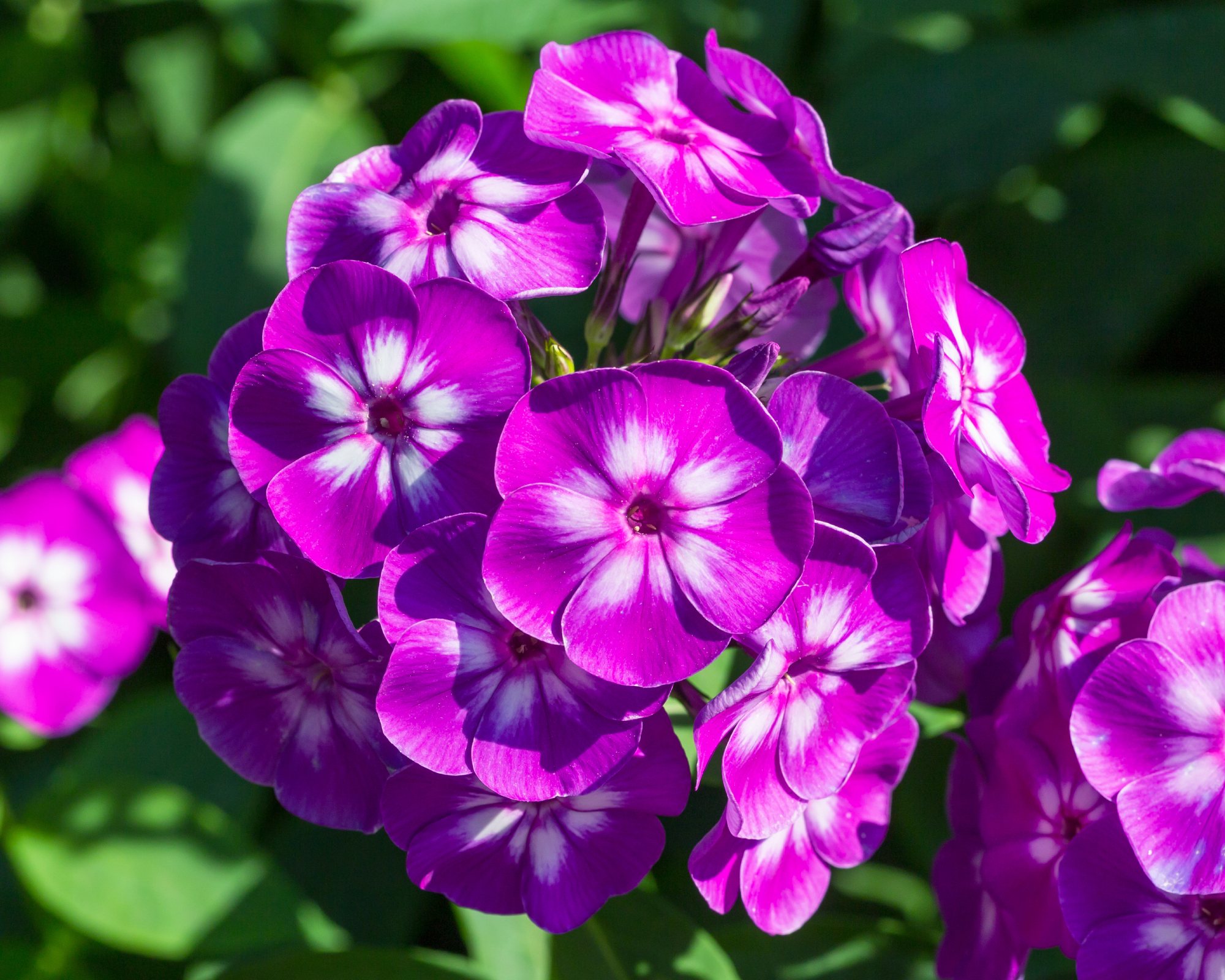
1. Garden Phlox
(Image credit: Getty Images)
Garden phlox flowers in summer, so early fall is a good time to uproot and divide it if necessary. Look for older, crowded clumps that look like they could use some more space or a rejuvenation. Water your phlox well before dividing, then dig around and beneath the clump.
Carefully lift and divide the clump, ensuring each division has healthy roots and several plant shoots. Larger pieces will establish more quickly, so resist the temptation to make too many small divisions. Replant divisions right away at the same depth as the mother plant.
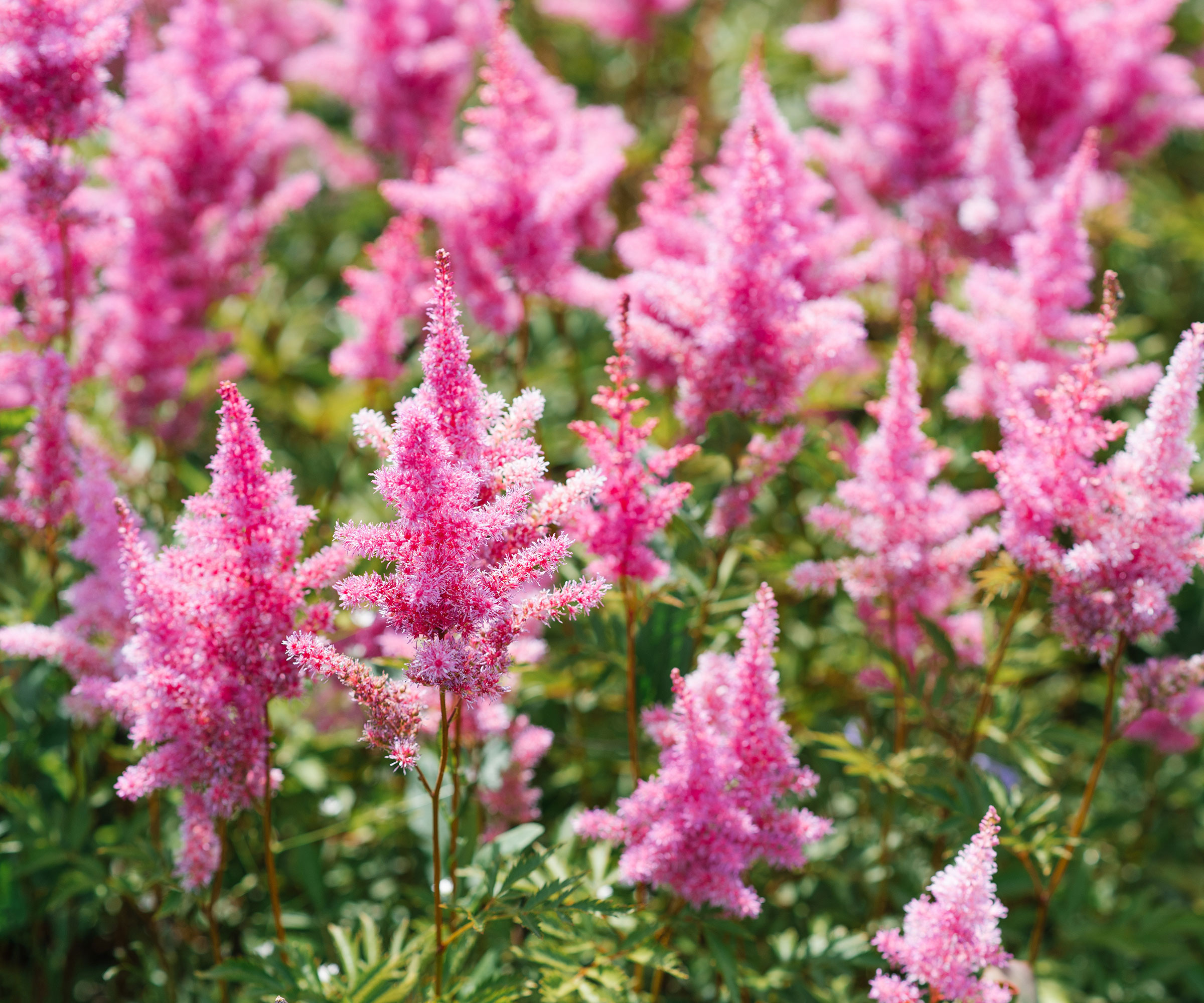
2. Astilbe
(Image credit: Chamomile_Olya / Shutterstock)
Astilbe generally should be divided every three to four years, but you can do this task whenever plants look crowded. The fleshy root system of astilbe plants allows you to create multiple divisions, so this is also a good task for when you need new plants in other areas of the garden.
Dig around and lift the entire clump. Use a sharp spade or clean garden knife to cut through and separate the crown into sections. Each should have roots and healthy, growing parts of the plant. Replant the divisions right away and water regularly as they establish.
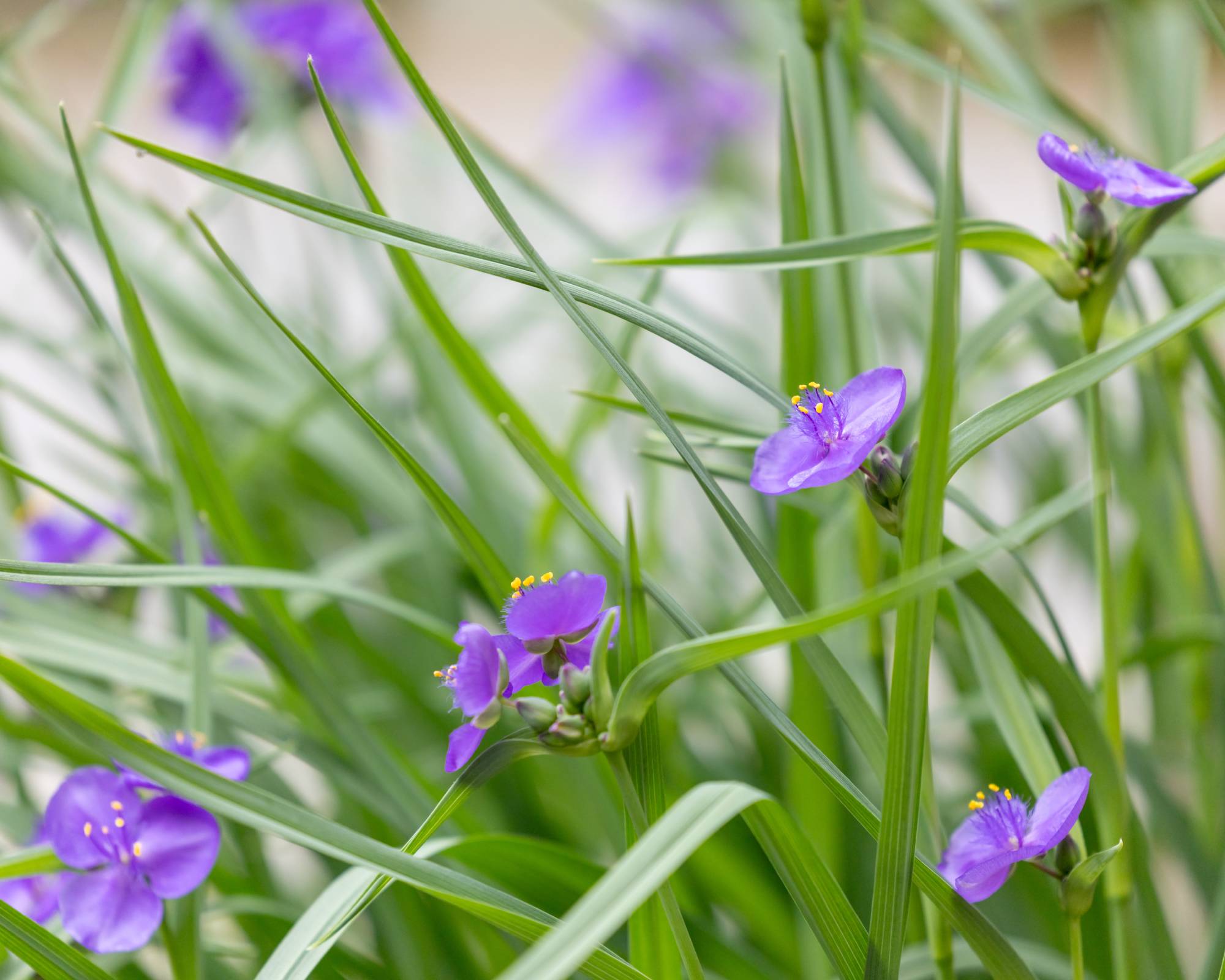
3. Spiderwort
(Image credit: Koichi Yoshii / Getty Images)
Spiderwort can be divided in early fall whenever it becomes crowded or when you need new plants. Carefully dig up a clump to be divided and gently shake or brush away the dirt so you can see the roots and stems. You may be able to pull apart divisions by hand. Just be sure each new plant has several healthy roots and visible shoots. Replant the divisions at the same depth and water regularly.
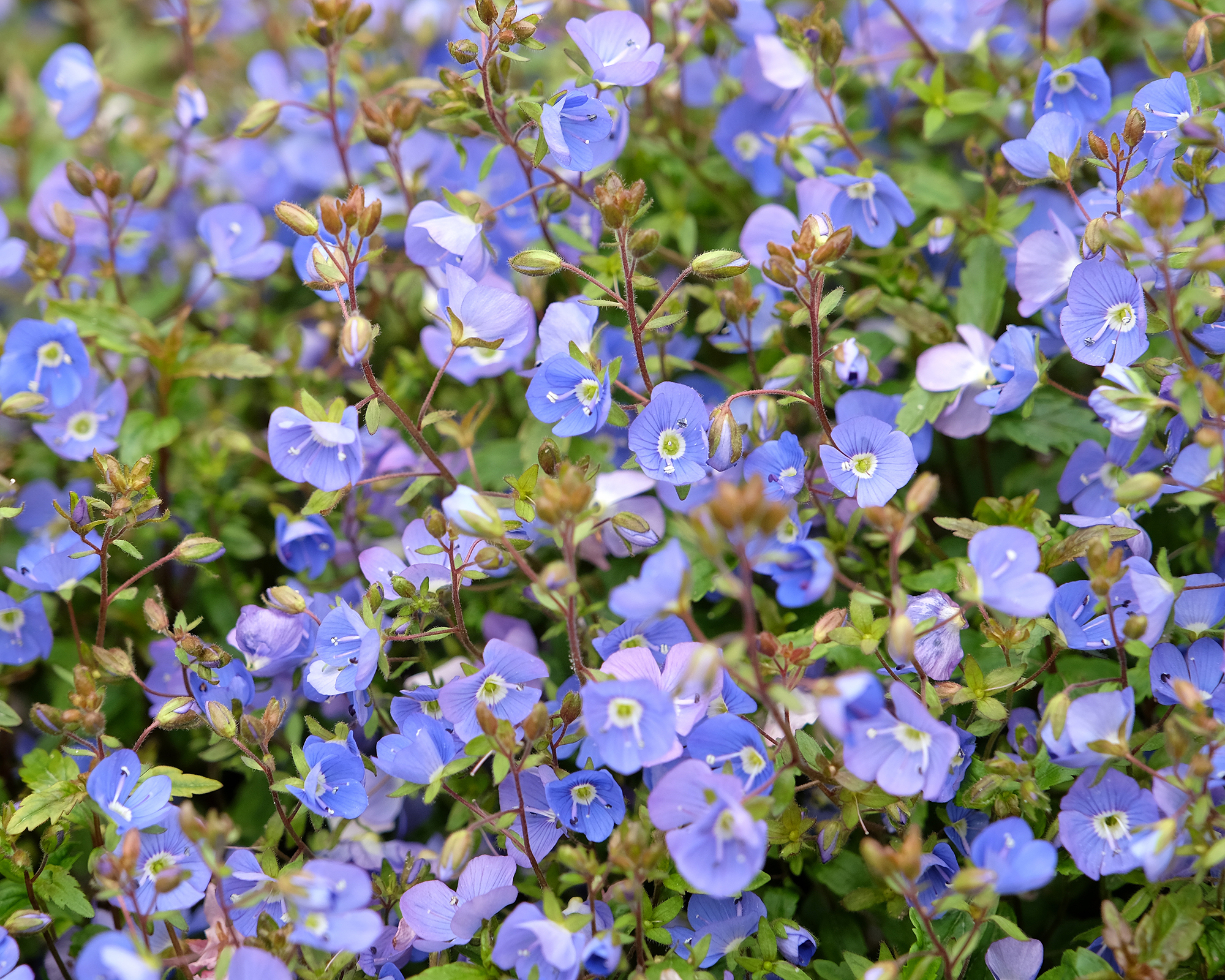
4. Veronica
(Image credit: Getty Images)
Also known as speedwell, Veronica is easy to divide in early fall after the flowers have faded. The plants will reward you with fresher, bushier growth in spring. In general, you can divide veronica every three to five years, or as needed when plants get crowded and show dead centers.
Dig up the entire plant and gently lift the roots from the soil and shake it off to see the roots. Veronica roots can be tough, so use a clean, sharp knife or spade to make divisions. Discard the dead or woody center and use divisions from the fresher, outside growth. Replant quickly and keep transplants well watered.
5. Oriental Poppy
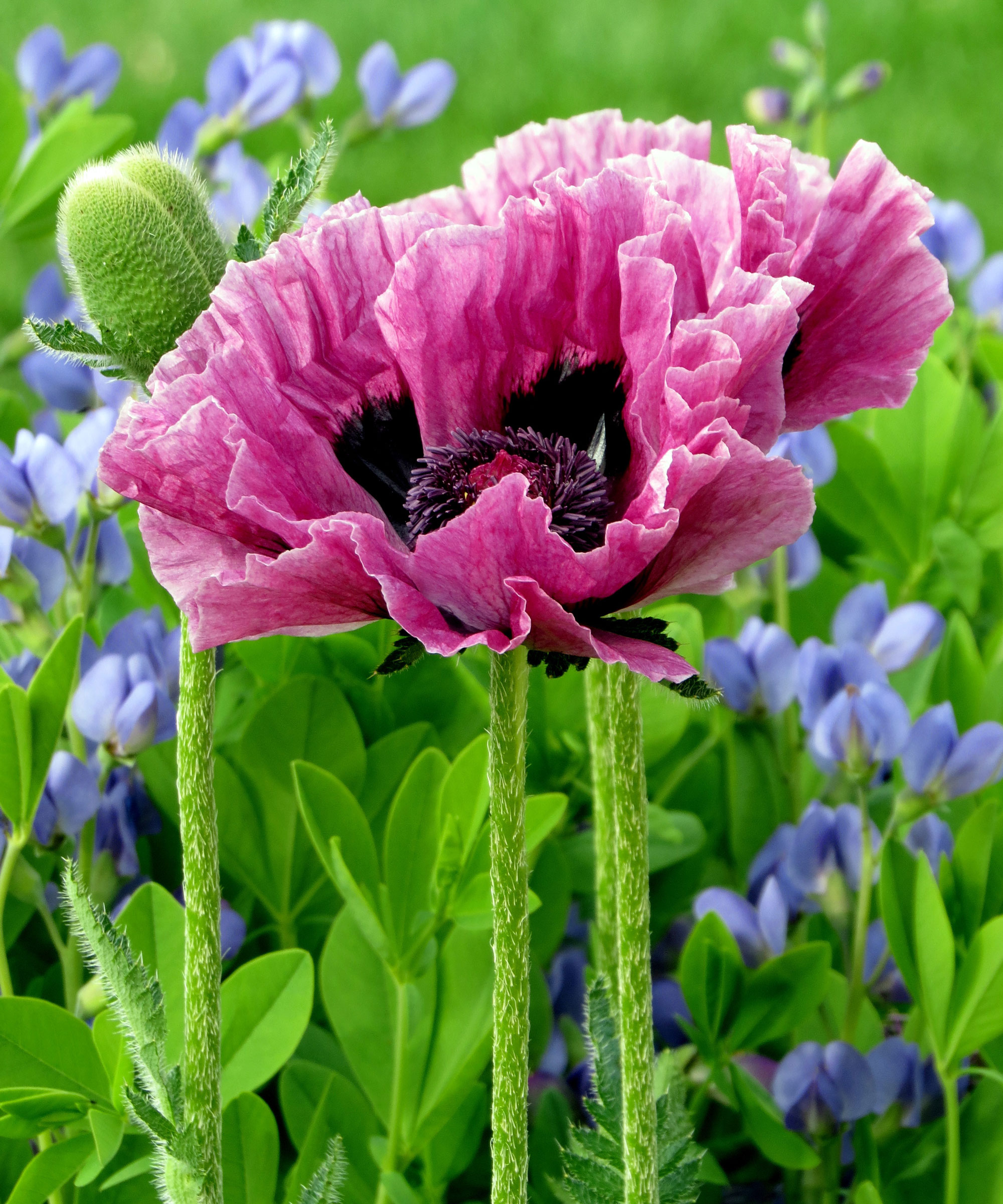
(Image credit: Catharina E Insley / Shutterstock)
Oriental poppies have a unique growth cycle. They go dormant in summer heat with foliage dying back after flowering. In early fall, they start to put out new growth, so this is the best time to divide them. Usually every five years is adequate, but divide poppies when flowering has reduced.
Oriental poppies can be challenging to divide, due to a long taproot. Dig down as far as you can to get this root out. It helps to water first to soften the soil. Use a sharp knife to cut vertically through the roots, ensuring each section gets part of the taproot and shoots. Replant right away and keep transplants watered.
6. Asiatic Lilies
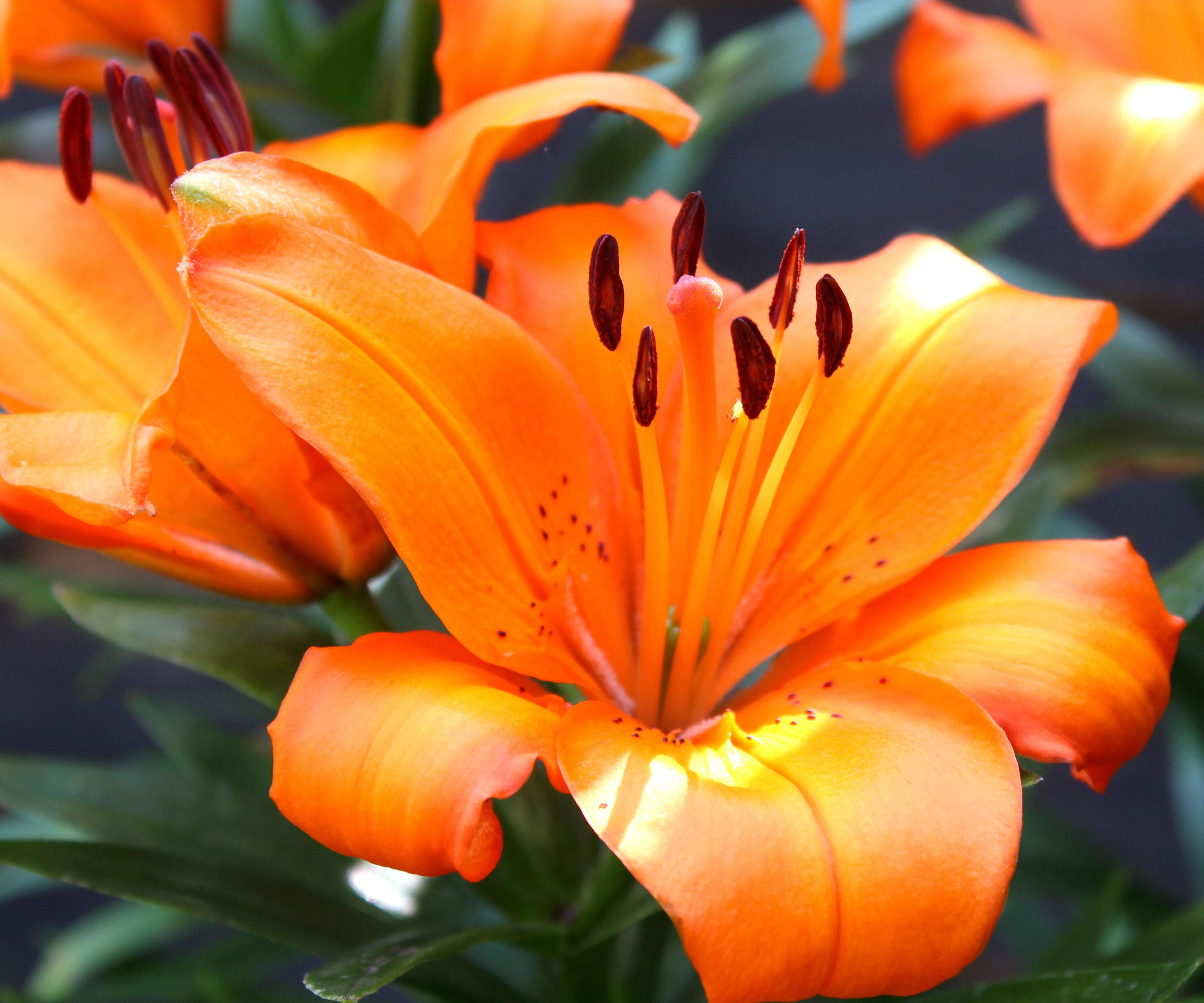
(Image credit: Ambreen_35 / Shutterstock)
These lilies are winding down in early fall, so it’s a good time to divide and propagate them. Dig up the roots after the foliage starts to fade. Look for offsets or small bulblets to separate from the parent bulb. Remove these and replant immediately. Don’t let the bulblets dry out before transplanting them. Dispose of any that show signs of rot.
Don't Divide These Perennials in Fall
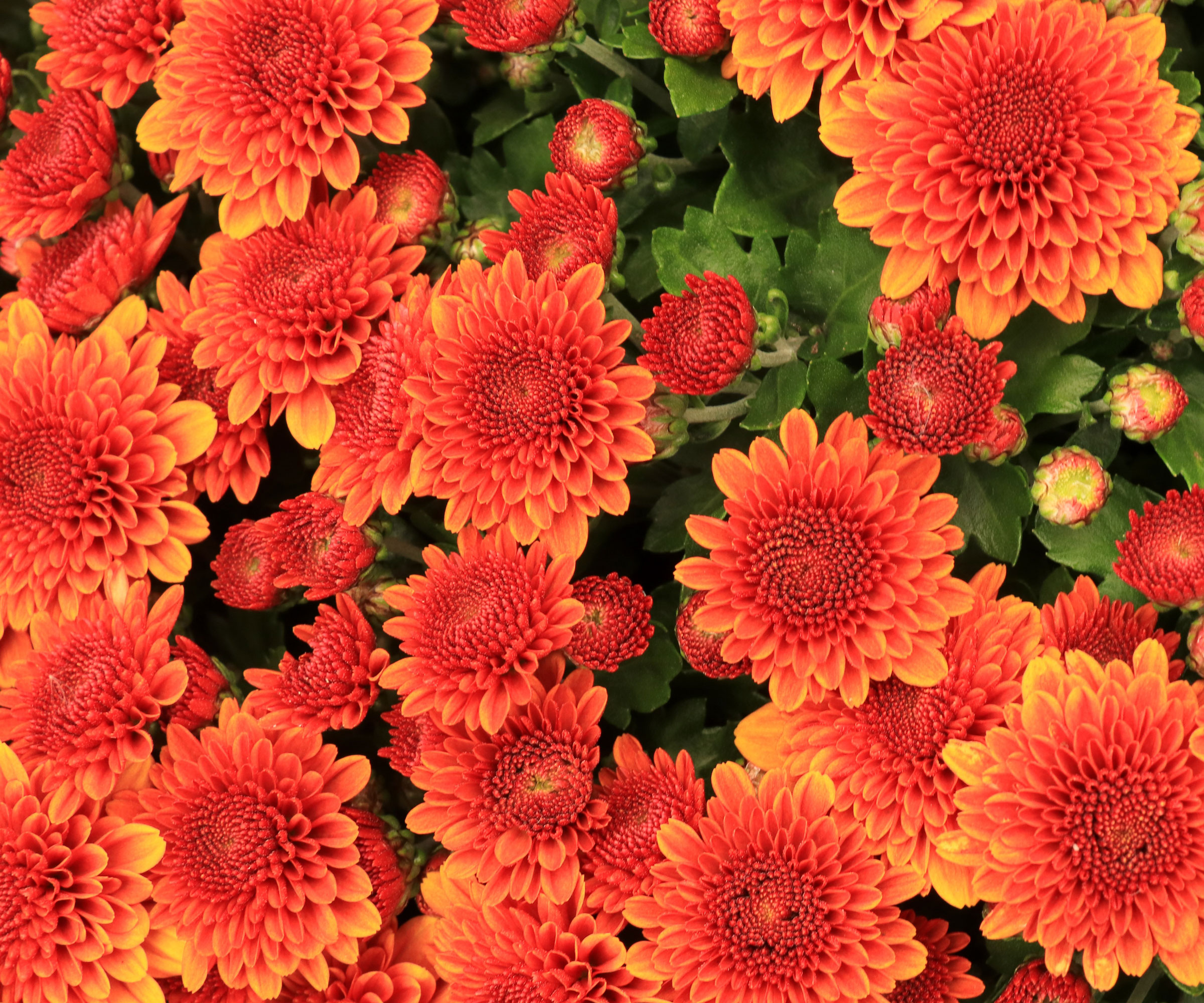
(Image credit: Zen-Rial / Getty Images)
It’s tempting to get this chore done throughout the garden all at once, but certain plants should never be divided in fall:
- Chrysanthemums. These fall beauties are still flowering, so don’t disrupt them. Early spring is the best time to divide fall mums.
- Ornamental Grasses. Hold off on dividing these until spring, too. Grasses provide good winter habitat for native animals and visual interest in the garden. Spring is also less risky for the plant. Divisions replanted in fall tend to rot at the roots.
- New England Asters. Like mums, asters are still putting on a big show in September. Dividing them now causes unnecessary stress and reduces flowering. Divide in spring instead.
Be selective when dividing perennials in fall. Don’t automatically divide any plant that looks crowded. Some are better left for spring. For those you divide now, do the chore on a cool, cloudy day, prepare the new planting site first, and get those divisions in the ground right away to reduce stress. Follow these guidelines, and you’ll have double the healthy plants next spring.
















 English (US) ·
  French (CA) ·