

PROTECT YOUR DNA WITH QUANTUM TECHNOLOGY
Orgo-Life the new way to the future Advertising by AdpathwayI’m often asked, “Where have you been birdwatching lately?” When I answer, “I was on the island of Socotra again,” the question usually follows: “Where is that?” It’s located in the Indian Ocean, east of the Horn of Africa, and, at least legally, belongs to Yemen.
I’ve always been interested in parts of the world where there are few birdwatchers and nature lovers. In 2020, it was finally Socotra’s turn.
Even the outbound flight was a challenge: You can’t buy tickets online. I know a ticket agent and bought the tickets there myself.
Concerned contemporaries might now be asking: Isn’t a visit to Socotra dangerous? I visit the island of Socotra annually and have never had a bad experience.
Flights to the island of Socotra don’t depart from the Yemeni mainland, but from other Arab states. Currently, there is only one round-trip flight per week on a Boeing passenger plane. This passenger plane is usually fully booked, partly with locals, but mostly with globetrotters aiming to visit all 193 UN-recognized states, as well as the Vatican and Palestine. Since a visit to the Yemeni mainland is too dangerous for many, the peaceful island of Socotra is the destination.
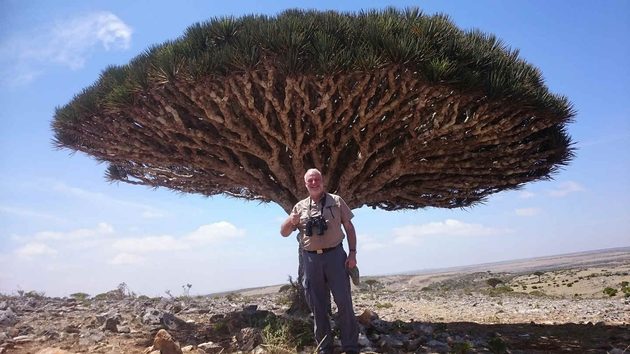
Dragon blood tree
If you ask AI: Socotra is home to an extraordinary number of endemic species, including the distinctive dragon blood tree, the endemic bat species Hypsugo ianzai, the Socotra falcon, the Socotra scops owl, and various reptiles and land snails that have evolved in isolation from the mainland over millions of years. This biodiversity makes Socotra the “Galapagos of the Indian Ocean” and is an outstanding example of evolutionary processes and adaptations to unique environmental conditions.
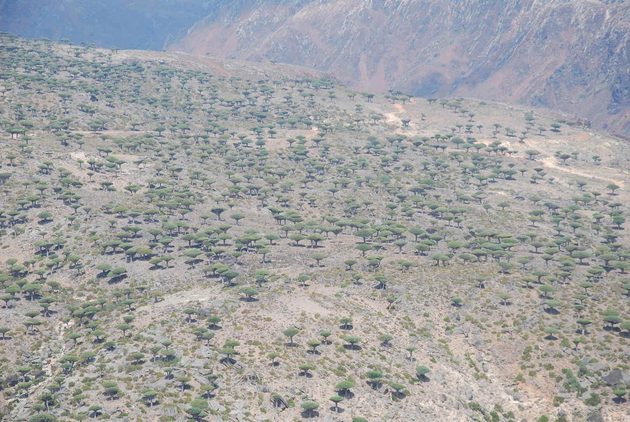
Dragon Blood Tree Forest
Socotra’s separation from the African continent and its subsequent ecological isolation, with the development of its own species and subspecies, began about 20 million years ago. An area of approximately 3,625 km² – roughly the size of the island of Mallorca (Spain) – is home to around 850 higher plant species and ferns. At least 230 of these are endemic, meaning they occur exclusively on Socotra. The number of endemic plant species per square kilometer is the fourth largest in the world (after the Seychelles, New Caledonia, and Hawaii).
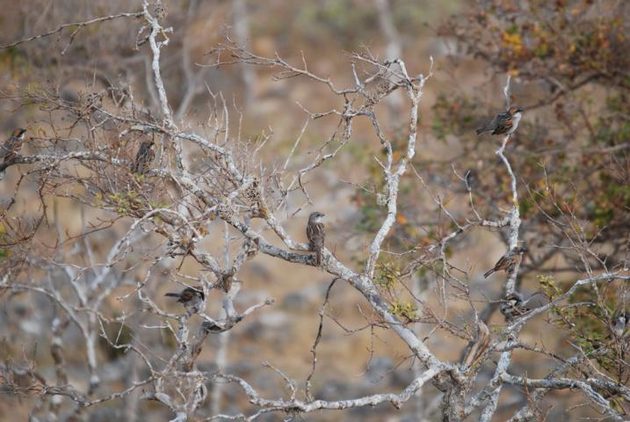
Socotra sparrow
Endemic bird species include the Socotra sparrow (approx. 330,000), the Socotra sunbird (approx. 66,000), the Socotra golden-winged grosbeak (approx. 17,000), the Socotra warbler (approx. 27,000), the Socotra cisticola (approx. 9,000), the Socotra starling (approx. 25,000), the Socotra bunting (approx. 3,800), the Socotra buzzard (approx. 800), the Socotra scops owl (>2,000), and the Jouanin petrel (approx. 4,000). The Socotra Cormorant (6,000–12,000) flies as far as the Arabian Gulf, and the Forbes-Watson Swift is virtually endemic. Twenty-nine endemic reptiles live on Socotra.
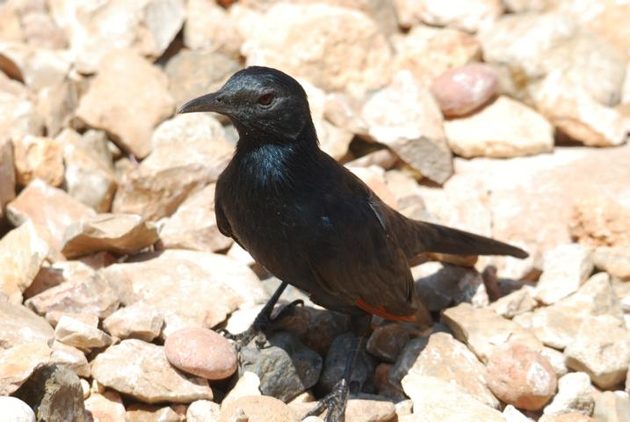
Socotra starling
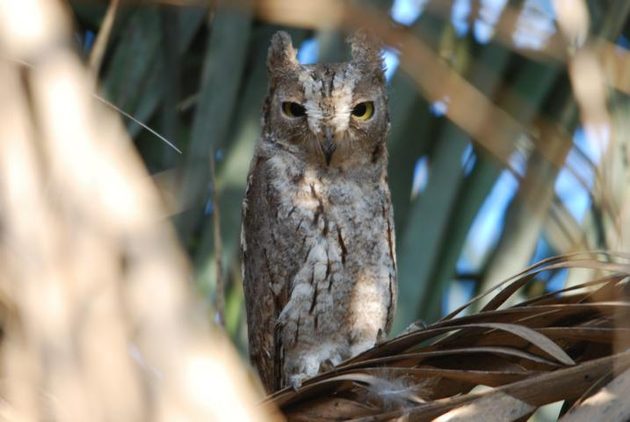
Socotra Scops Owl
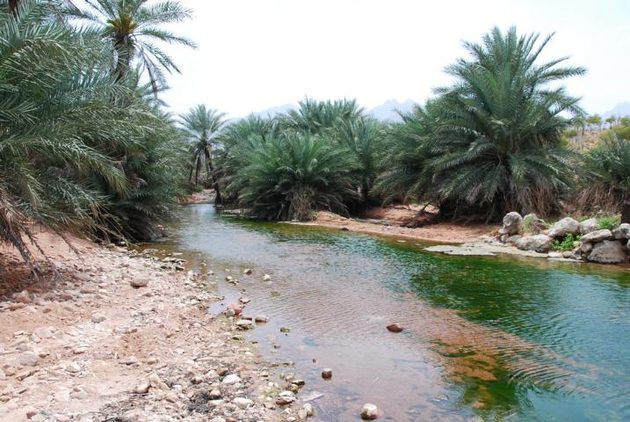
Habitat of Socotra Scops Owl
Birdwatchers who want to get to know the 10,000 bird species better must visit this island to see these endemic bird species!
Since 2021, I have been leading birdwatching and nature tours on the island of Socotra. Socotra is not a vacation island—it is a hidden gem for flora and fauna!
Upon first arrival at Socotra Airport, I was able to see dozens of Egyptian vultures. Socotra is home to around 1,900 Egyptian vultures – the highest population density of this endangered bird species in the world. Egyptian vultures are omnipresent, whether in the island’s capital, Hadiboh, on the beach or at a picnic under palm trees.
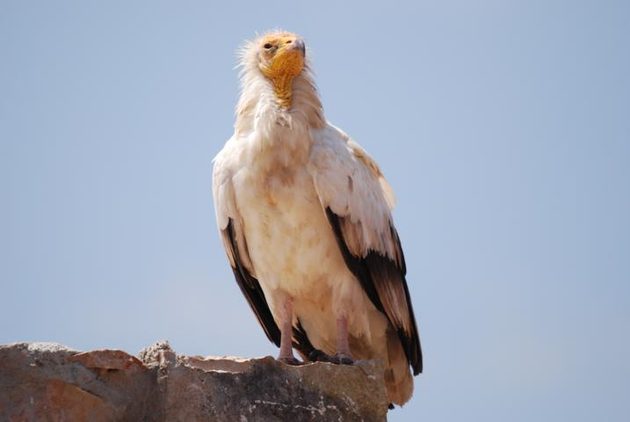
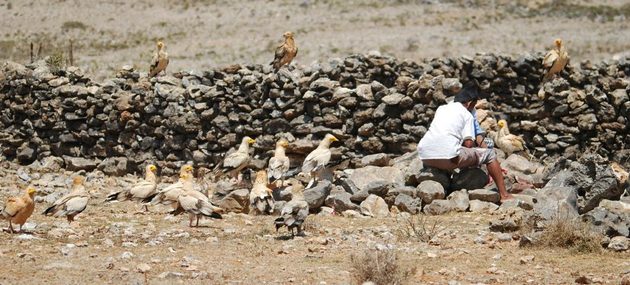
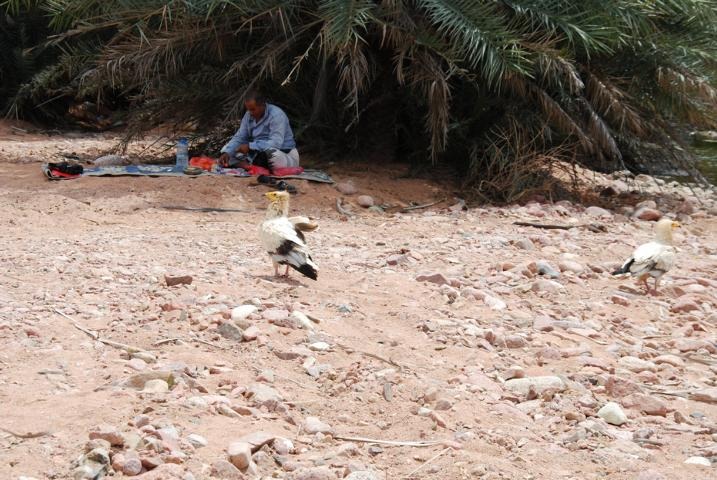
Egyptian vultures
Depending on the water level, the larger water areas in the lower reaches of the Wadis Serhin and Suq are inhabited by many Black-winged Stilts, other waders, duck species, Sooty Gull, and the rarer Indian Pond Heron. Surprises in birds are always possible here. For the Crested Coot, the first brood record for the Island of Socotra was provided in February 2020 by me.
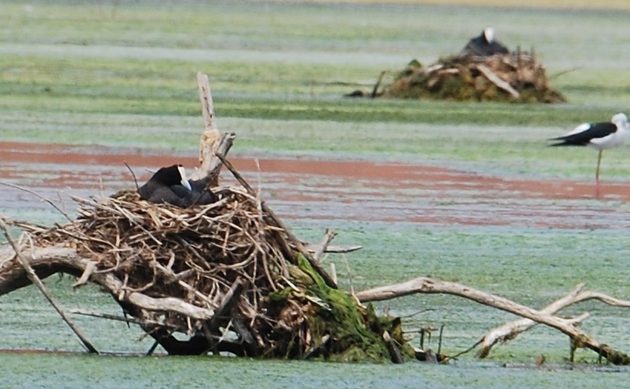
Crested Coot or Red-knobbed Coot
The Qaria Lagoon boasts a rich birdlife. The rare and very beautiful Bruce’s Green Pigeon and the endemic Socotra Warbler breed in the bushes surrounding the lagoon.
The mountains near Homhil are home to unique vegetation. The Abyssinian Eye-White and the endemic Socotra Sparrow live here. Somali Starlings are not uncommon and hard to miss in the villages.
Here you can expect to see Desert Wheatears, Isabelline Wheatears, Long-billed Pipits, Southern Grey Shrikes (Lanius meridionalis uncinatus), Black-crowned Finches, and Lichtenstein’s Sandgrouse.
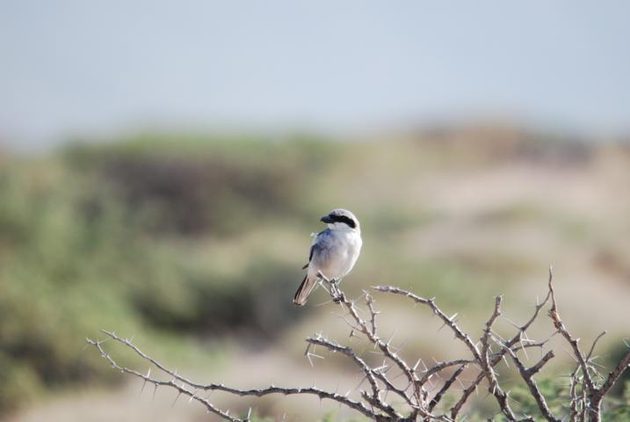
Southern Grey Shrike
The Ayhaft Canyon National Park south of Qadhub is one of the most beautiful wadis on Socotra. The sandstone and granite rocks stretch between 50 and 800 m above sea level. A unique vegetation awaits us here.
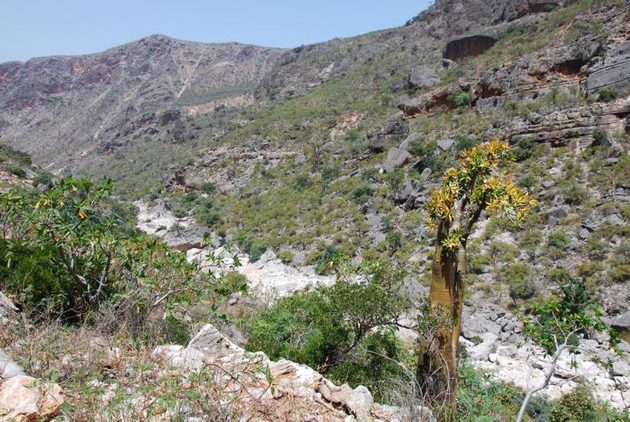
Ayhaft Canyon
Wadi Ayhaft has been placed under protection as an IBA (Important Bird Area). In addition to Egyptian vultures, up to five pairs of the endemic Socotra buzzard breed here. Abyssinian White-eye, Socotra Golden-winged Grosbeak, Socotra Sunbird, Bruce´s Green Pigeon and Socotra Sparrow live in this gorge. The most common bird species here is the Laughing Dove. There is a small pond further up in the wadi. The Socotra Freshwater Crab lives here.
Near the Indian Ocean lives the endemic Socotra Cisticola. The dwarf stocks of Zygophyllum, Suaeda and Pulicaria around Ghubbah are said to contain more than 2,500 Socotra Cisticola, i.e. more than 25% of the world population.
The Diksam National Park consists of granite and limestone slopes. Here there are light forests of Dracaena cinnabari, the Dragon’s Blood Tree – a landscape like one from a distant time. Uniquely beautiful! In the national park we will surely see the ubiquitous Egyptian Vulture, which has its nests on the steep walls in the numerous caves and niches. The rarer Socotra Buzzard and the Brown-necked Raven breed on the steep walls. The endemic Socotra Starling breeds in buildings in small villages and is not so shy there.
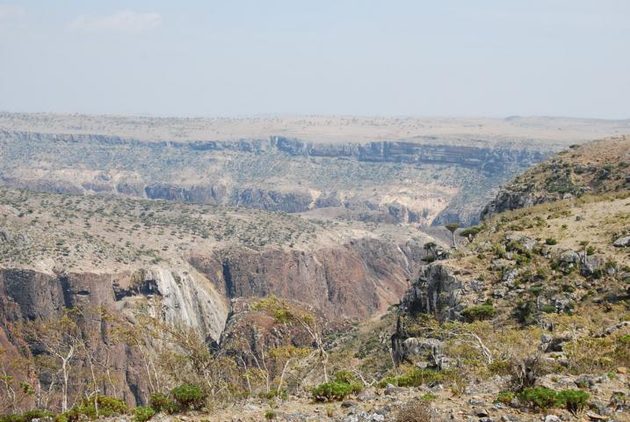
Diksam National Park
The Detwah Lagoon is a wetland of international importance protected by the RAMSAR Convention. A fishing boat cruise on the Indian Ocean offers the opportunity to observe typical seabirds such as Masked Boobies, Brown Boobies, and Red-billed Tropicbirds, as well as the endemic breeding species of Jouanin petrels. Far out on the ocean waves, hundreds of Red-necked Phalaropes sometimes rest in the swell.
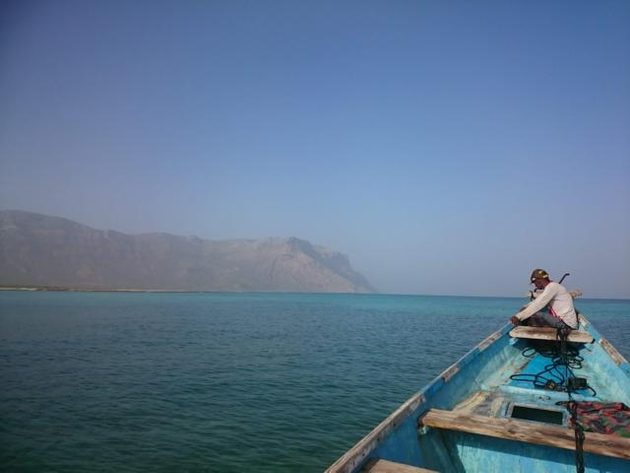
Boat trip in the Gulf of Aden off Socotra
During my first excursion to the island of Socotra in 2020, I recorded a first breeding record (Crested Coot) and two first records for the island: White-faced Whistling Duck and Booted Eagle (NESSING,R. (2020): Bemerkenswerte Beobachtungen auf der Insel Sokotra, Yemen.- Ornithologische Mitteilungen 72, Nr. 3/4, S.89-92).
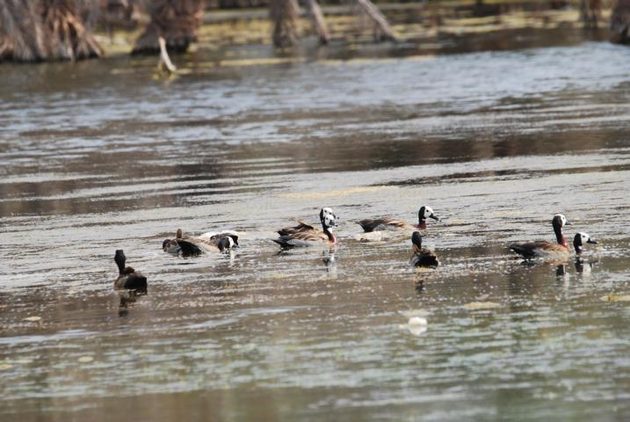
White-faced Whistling Duck
The population of the island of Socotra still lives a traditional Arab lifestyle. The people are friendly but reserved. Every year, I bring school supplies to a primary school on the island.

The capital, Hadiboh

The next nature and birdwatching trip to the island of Socotra will take place again in January 2027 – places are still available. If interested, please contact www.vogelzug-reisen.de/sokotra/ .A bird list can also be found there.

















 English (US) ·
  French (CA) ·