

PROTECT YOUR DNA WITH QUANTUM TECHNOLOGY
Orgo-Life the new way to the future Advertising by AdpathwaySolar Shading System Market to Reach USD 15.7 Billion by 2032 | Trends, Technologies & Forecast
The Global Solar Shading System Market was valued at USD 11.2 Billion in 2023 and is projected to reach USD 15.7 Billion by 2032 at a 3.9% CAGR. Explore key growth drivers, types, technologies, regional outlook, and leading companies in solar shading systems.
Source: Acumen Research and Consulting | Updated: March 2026 | Report Code: ARC1987 | Download Free Sample Pages →
According to Acumen Research and Consulting, the global Solar Shading System Market was valued at USD 11.2 Billion in 2023 and is projected to reach USD 15.7 Billion by 2032, growing at a CAGR of 3.9% from 2024 to 2032. This consistent growth reflects rising global emphasis on energy-efficient buildings, green construction standards, and the integration of solar shading solutions into both residential and non-residential structures worldwide. As governments strengthen energy performance mandates and smart building technologies become mainstream, solar shading systems are transitioning from an architectural feature to an essential component of sustainable building design.
📄 Access the Full Report: Download Free Solar Shading System Market Sample Pages →
Solar Shading System Market Overview
- Solar Shading System Market Value (2023): USD 11.2 Billion
- Projected Value (2032): USD 15.7 Billion
- Solar Shading System Market CAGR: 3.9% (2024-2032)
- North America Market Value (2023): Approximately USD 3.8 Billion
- Fastest Growing Region: Asia-Pacific (>4.5% CAGR, 2024-2032)
- Top Product Type: Blinds (~USD 4.6 Billion in 2023)
- Top Mechanism: Motorized (~42% market share in 2023)
- Top Application: Non-Residential
- Report Publisher: Acumen Research and Consulting
| Solar Shading System Market Value (2023) | USD 11.2 Billion |
| Solar Shading System Market Projected Market Value (2032) | USD 15.7 Billion |
| Solar Shading System Market CAGR (2024-2032) | 3.9% |
| North America Market Value (2023) | Approx. USD 3.8 Billion |
| Fastest Growing Region | Asia-Pacific (>4.5% CAGR, 2024-2032) |
| Top Product Type | Blinds (~USD 4.6 Billion, 2023) |
| Top Mechanism Segment | Motorized (~42% market share, 2023) |
| Top Material | Metal (Aluminium / Steel) |
| Top Application Segment | Non-Residential |
| Forecast Period | 2024-2032 |
| Report Publisher | Acumen Research and Consulting (Report Code: ARC1987) |
| © Acumen Research and Consulting | acumenresearchandconsulting.com | |
What Are Solar Shading Systems?
Solar shading systems are architectural solutions designed to control and manage solar radiation entering buildings through windows, facades, and roofs — reducing thermal heat gain, glare, and dependence on artificial cooling systems. By managing the amount of sunlight entering interior spaces, these systems improve occupant comfort, lower energy consumption, and reduce carbon emissions associated with air conditioning and artificial lighting.
Modern solar shading systems range from traditional fixed external blinds and louvres to advanced motorized systems integrated with smart home and building management platforms. A distinctive feature of contemporary systems is the use of flexible heat-reflection materials and intelligent control technologies that automatically adjust shading in response to sunlight intensity, time of day, and occupant preferences — maximising both energy efficiency and comfort across residential, commercial, and institutional applications.
Solar Shading System Market Growth Drivers
Government Energy Efficiency Mandates and Incentive Programs
Government policies are a primary driver of solar shading system adoption globally. In the United States, the Energy Star program incentivises building products that reduce energy consumption. In Europe, the EU's Energy Performance of Buildings Directive mandates progressively higher energy efficiency standards for new and renovated buildings — creating strong structural demand for solar shading as a proven energy reduction technology. Similar regulations are being implemented across Asia-Pacific, the Middle East, and Latin America.
Green Building Certification Growth
The rapid expansion of green building certification programmes — including LEED (Leadership in Energy and Environmental Design) and BREEAM (Building Research Establishment Environmental Assessment Method) — is a significant market driver. Buildings pursuing these certifications gain credits for incorporating solar shading systems as part of their energy management strategies, driving uptake across commercial, institutional, and high-end residential construction projects worldwide.
Smart Home and IoT Integration
The integration of solar shading systems with smart home platforms — including Google Home, Amazon Alexa, and dedicated building management systems — is significantly expanding the appeal and functionality of motorized shading solutions. IoT-enabled shading systems allow remote monitoring and control, automated scheduling, and real-time response to environmental conditions — enhancing user convenience, optimising energy use, and driving premium product adoption across residential and commercial markets.
Rising Awareness of Indoor Comfort and Energy Savings
Growing awareness among both residential and commercial building owners about the direct link between solar shading and energy savings is expanding the addressable market. As electricity costs rise globally and sustainability priorities gain prominence in real estate and construction decisions, solar shading systems are increasingly recognised as a cost-effective investment with measurable energy cost savings and rapid payback periods.
Novel Materials and Technology Innovation
Ongoing innovation in shading materials — including smart glass, electrochromic glazing, advanced solar textiles, and high-performance architectural films — is opening new performance and design possibilities that are expanding the market beyond traditional blind and louvre products. These advanced materials offer improved solar heat gain coefficients, better light transmission control, and enhanced architectural aesthetics.
Expanding Applications in Urban Infrastructure
Solar shading systems are increasingly being deployed beyond standard building construction into broader urban infrastructure applications — including airports, bridges, commercial malls, public transit hubs, and tourist attractions. This expanding application universe represents a significant long-term market growth opportunity, particularly as urban sustainability and climate resilience move up the agenda for public and private infrastructure investment.
Solar Shading System Market Segmentation
By Type
- Blinds: The dominant product type — generating approximately USD 4.6 Billion in 2023 — driven by their versatility across horizontal and vertical configurations, wide material and design options, ease of installation, and adaptability across residential, commercial, and industrial applications.
- Louvers: Fixed or adjustable architectural louvres widely used in commercial and institutional building facades for solar control and natural ventilation management, particularly in hot climates.
- Shades: Roller shades and screen shades offering a range of light diffusion and blackout options for both interior and exterior solar control applications.
- Textiles: Advanced technical fabrics and solar screen textiles offering flexible, lightweight solar shading solutions with excellent solar heat gain control for both indoor and outdoor applications.
By Geometry
- Horizontal: The largest geometry segment — including horizontal sunshades and awnings — highly effective at blocking direct overhead sunlight while preserving natural light and views. Widely used in both residential and commercial buildings for their ease of installation and maintenance.
- Vertical: Vertical shading fins and blinds deployed on building facades to manage low-angle solar radiation — particularly effective on east and west-facing elevations.
- Egg-Crate: Combined horizontal and vertical shading grids providing omnidirectional solar control — commonly used in high-performance building facades in hot-climate applications.
By Mechanism
- Motorized: The dominant mechanism segment — capturing approximately 42% of market share in 2023 — driven by rising consumer demand for convenience, smart home integration, and automated building management. Declining costs are making motorized systems accessible to an increasingly broad market segment.
- Fixed: Permanently installed architectural shading elements — including fixed louvres, overhangs, and sunscreens — providing reliable, maintenance-free solar control across a wide range of building types.
- Manual: Hand-operated blinds, shades, and louvres offering a cost-effective shading solution for budget-conscious residential and commercial applications.
By Material
- Metal: The dominant material — including aluminium and steel — favoured for exceptional durability, structural strength, design versatility, and low maintenance requirements across both small residential and large commercial facade shading applications.
- Glass: Specialised glass shading elements — including smart glass and electrochromic glazing — offering combined transparency and solar control in architecturally prominent installations.
- Wood: Natural wood shading elements for premium residential and boutique commercial applications where aesthetic warmth and sustainability credentials are prioritised.
- Others: Advanced technical textiles, composites, and high-performance polymer materials — increasingly deployed in lightweight, flexible, and innovative shading applications.
By Application
- Non-Residential: The dominant application segment — encompassing commercial office buildings, shopping malls, schools, hospitals, and industrial facilities — driven by larger window areas, higher energy efficiency imperatives, and growing regulatory and certification requirements for sustainable building performance.
- Residential: A growing application segment as homeowners increasingly recognise the energy savings, comfort benefits, and aesthetic value of solar shading — particularly in high-solar-radiation climates and premium housing markets.
📊 Get Full Segmentation Data: Download Free Solar Shading System Market Sample Pages →
Solar Shading System Market Regional Outlook
North America — Market Leader
North America dominates the global solar shading system market — accounting for approximately USD 3.8 Billion in 2023 — supported by a significant presence of major industry players, advanced research and development infrastructure, state-of-the-art manufacturing facilities, and strong government incentive programmes including the Energy Star certification and green building standards. The United States leads the region with high adoption in commercial real estate, institutional buildings, and smart home installations.
Asia-Pacific — Fastest Growing Region
Asia-Pacific is the fastest-growing regional market, forecast to expand at a CAGR exceeding 4.5% from 2024 to 2032. Rapid urbanisation, booming construction activity, rising disposable incomes, and increasing government focus on energy efficiency are driving strong demand across China, India, Japan, South Korea, and Australia. The region's hot climate in many areas creates strong inherent demand for solar shading as a cost-effective alternative to air conditioning intensification.
Europe — Policy-Driven Adoption
Europe is a mature and policy-driven solar shading market, propelled by the EU's Energy Performance of Buildings Directive and BREEAM green building certification standards. Germany, France, the UK, and the Nordic countries lead European demand, with solar shading systems widely specified in both new construction and building renovation projects as part of comprehensive energy efficiency upgrading programmes.
Middle East & Africa — High-Growth Potential
The Middle East and Africa represent a high-potential growth market, driven by the region's extreme temperatures, intense solar radiation levels, and rapidly expanding construction activity — particularly across GCC countries including Saudi Arabia, UAE, and Qatar. As government sustainability initiatives and green building standards gain traction across the region, solar shading systems are being increasingly mandated and specified in major commercial and infrastructure projects.
Latin America
Latin America is an emerging solar shading market, with Brazil and Mexico leading regional demand, driven by growing construction activity, rising energy costs, and expanding awareness of energy-efficient building solutions in both residential and commercial segments.
Competitive Landscape — Key Players
Acumen Research and Consulting identifies the following leading companies active in the global Solar Shading System Market:
- Glasson GmbH
- Lutron Electronics Co. Inc.
- Skyco Shading Systems Inc.
- Hunter Douglas Inc.
- Kawneer (Arconic Corporation)
- Springs Window Fashions
- Duco Ventilation & Sun Control
- Insolroll Corporate
- Unicel Architectural Corp.
- WAREMA Renkhoff SE
📊 Get Competitive Intelligence: Download Free Solar Shading System Market Sample Pages →
Market Challenges
- High Upfront Installation Costs: Despite the long-term energy savings, the initial cost of purchasing and installing quality solar shading systems — particularly motorized and smart-integrated variants — remains a barrier for budget-conscious residential and commercial customers, especially in markets without strong incentive programmes.
- Complex Installation and Retrofitting: Installing solar shading systems in existing buildings — particularly complex facade systems on older structures — can be technically challenging, costly, and disruptive, deterring adoption in the large building retrofit market segment.
- Limited Consumer Awareness: Many potential customers — particularly in residential and SME commercial segments — remain unaware of the full range, performance benefits, and energy savings potential of solar shading systems, limiting market penetration in price-sensitive markets.
- Competition from Alternative Cooling Technologies: In some markets, solar shading systems compete with alternative building cooling and comfort solutions including high-efficiency glazing, green roofs, and mechanical HVAC upgrades — requiring clear communication of the relative cost-effectiveness and sustainability benefits of shading.
Frequently Asked Questions (FAQs)
What Is the Global Solar Shading System Market Size in 2023?
The global Solar Shading System Market was valued at USD 11.2 Billion in 2023, according to Acumen Research and Consulting.
What Will the Solar Shading System Market Be Worth by 2032?
The market is projected to reach USD 15.7 Billion by 2032, growing at a CAGR of 3.9% from 2024 to 2032.
Which Region Leads the Solar Shading System Market?
North America leads the market, valued at approximately USD 3.8 Billion in 2023, supported by leading industry players, strong government incentive programmes, and advanced construction standards. Asia-Pacific is the fastest-growing region, forecast to expand at over 4.5% CAGR through 2032.
Which Product Type Has the Largest Solar Shading System Market Share?
Blinds dominate the product type segment, generating approximately USD 4.6 Billion in 2023, driven by their versatility, wide availability, ease of installation, and adaptability across residential and commercial applications.
Which Mechanism Segment Leads the Solar Shading System Market?
Motorized systems dominate with approximately 42% of market share in 2023, driven by growing demand for smart home integration, automated building management, and enhanced user convenience.
Where Can I Access the Full Solar Shading System Market Report?
The full report is available at Acumen Research and Consulting. Download free sample pages: Request Sample Pages →
Solar Shading System Market Outlook to 2032
The global Solar Shading System Market is set for steady, policy-supported expansion — growing from USD 11.2 Billion in 2023 to USD 15.7 Billion by 2032 at a 3.9% CAGR. As building energy efficiency regulations tighten globally, green building certification requirements expand, and smart home and IoT technologies drive premium motorized system adoption, solar shading solutions are transitioning from an optional architectural feature to an integral component of high-performance, sustainable building design.
Shading system manufacturers, architectural product distributors, smart building technology integrators, and construction companies that position strategically across the solar shading value chain — particularly in North America's mature market and Asia-Pacific's fast-growing region — will be well placed to capture the durable opportunities ahead as the global built environment accelerates its transition toward net-zero energy performance.
📥 Ready to Explore the Full Data? Download Free Solar Shading System Market Report Sample Pages →
© 2026 AltEnergyMag. Market data sourced from Acumen Research and Consulting.
Featured Product
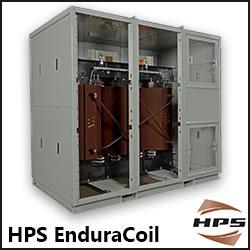
HPS EnduraCoilTM Cast Resin Medium Voltage Transformer
HPS EnduraCoil is a high-performance cast resin transformer designed for many demanding and diverse applications while minimizing both installation and maintenance costs. Coils are formed with mineral-filled epoxy, reinforced with fiberglass and cast to provide complete void-free resin impregnation throughout the entire insulation system. HPS EnduraCoil complies with the new NRCan 2019 and DOE 2016 efficiency regulations and is approved by both UL and CSA standards. It is also seismic qualified per IBC 2012/ASCE 7-10/CBC 2013. Cast resin transformers are self-extinguishing in the unlikely event of fire, environmentally friendly and offer greater resistance to short circuits. HPS also offers wide range of accessories for transformer protection and monitoring requirements.




















 English (US) ·
  French (CA) ·