

PROTECT YOUR DNA WITH QUANTUM TECHNOLOGY
Orgo-Life the new way to the future Advertising by AdpathwayPICOP is a collection of sites near Bislig in Mindanao. In the late 50s to the early 60s, it was a logging concession awarded to the Paper Industries Corporation of the Philippines (PICOP). In the late 80s, PICOP began to decline as a company, and the forest is now dominated by informal settlers and loggers unafraid of government enforcement, as the authorities are easily bribed. Consequently, it is far easier to see illegally logged trees at PICOP than birds. Still, it and some surrounding locations, including a waterfall, still have several lowland species worth looking for.
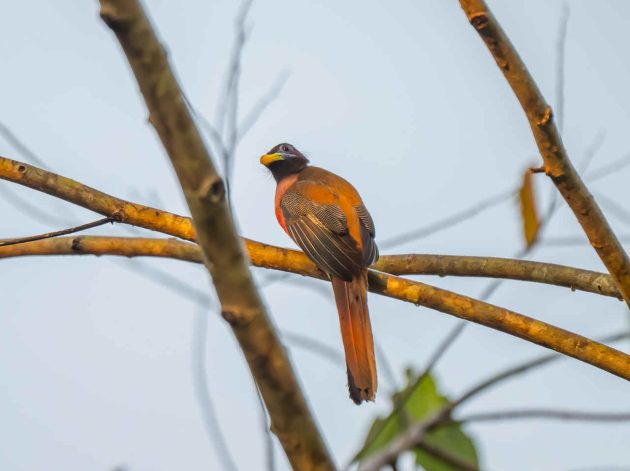
Such as the Philippine Trogon.
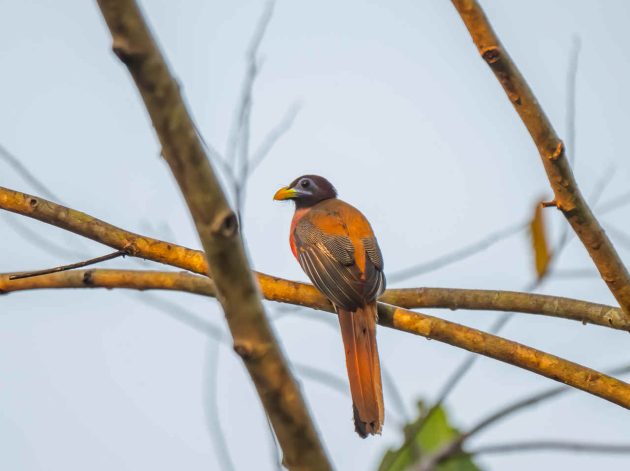
While not particularly creative, the scientific name Harpactes ardens (ardens means burning) highlights the bright red breast of the male bird.
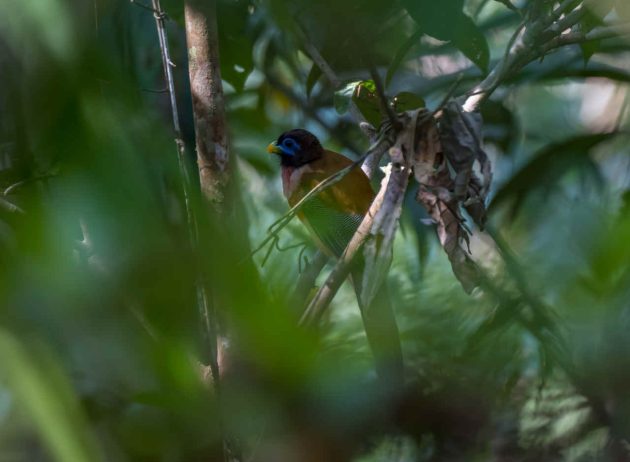
Parasitologists may find this bird interesting as it is the host of a recently discovered chewing louse (source).
Staying with birds with the first name “Philippine”, PICOP is home to the Philippine Drongo-cuckoo.
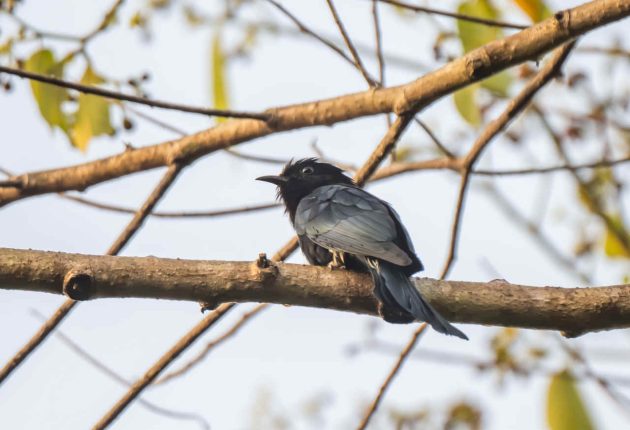
The HBW account of the species starts with the introduction, “This account summarizes the life history of the Philippine Drongo-Cuckoo, including information relating to its identification, systematics, distribution, habitat, diet, vocalizations, breeding ecology, and conservation status.”
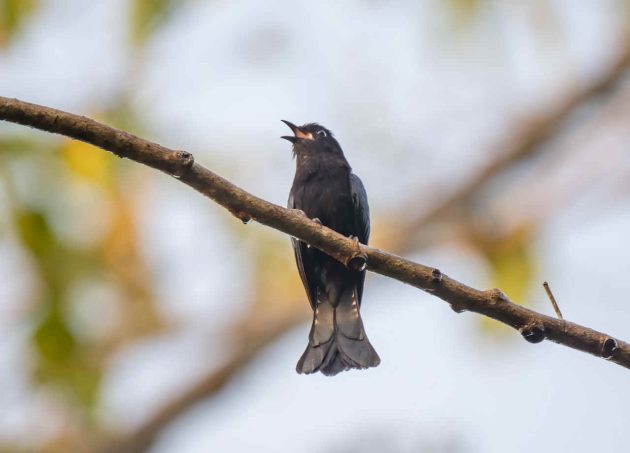
Then, the Breeding section reads as follows: “Breeding. Unknown.” …
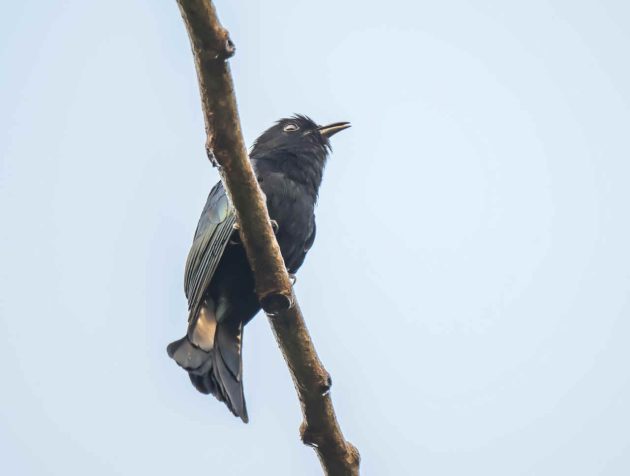
… though another source at least claims it is a brood parasite.
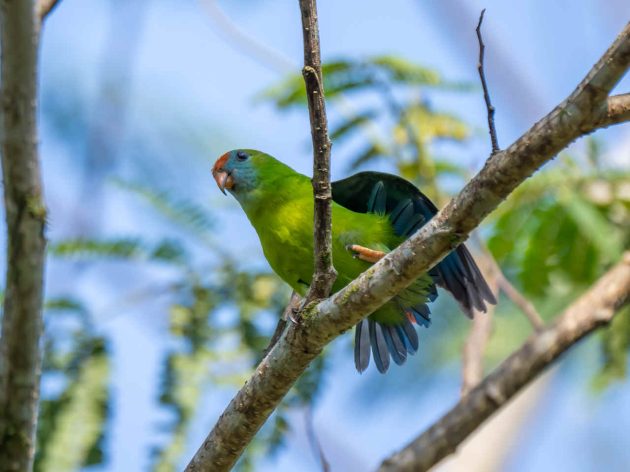
Still the same first name, but much more colorful: The Philippine Hanging Parrot.
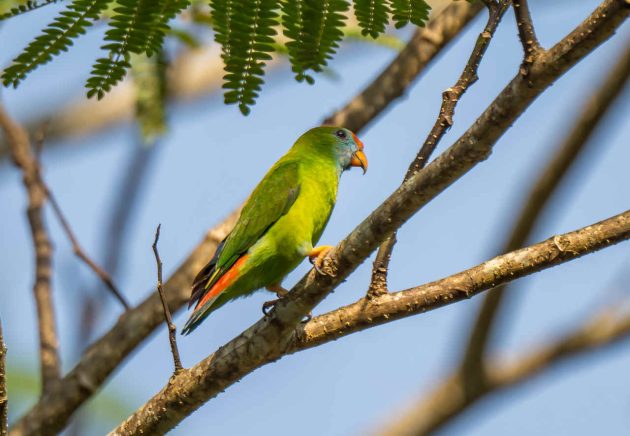
While stated as a common species, it is heavily traded within the Philippines, threatening the survival of some subspecies.
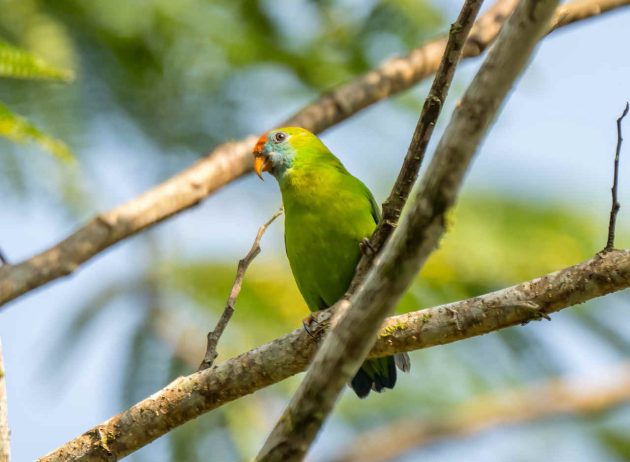
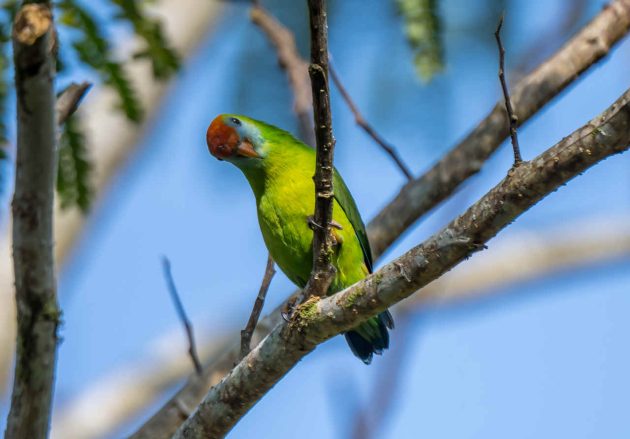
If you are a sucker for hanging parrot pornography, I recommend this source.
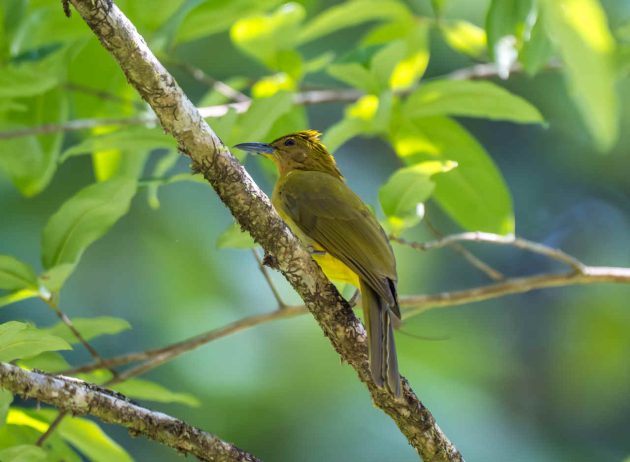
The Yellowish Bulbul often lies awake and wonders why it is not called Greenish Bulbul.
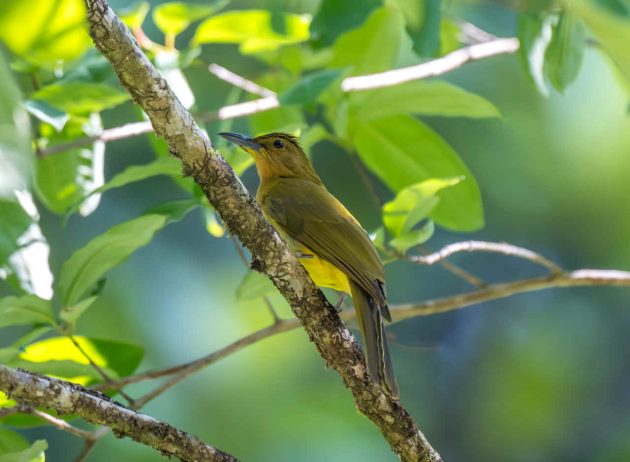
Its scientific name, Hypsipetes everetti, commemorates one Alfred Hart Everett (1848-1898), an English administrator in Sarawak as well as a naturalist, collector in the Philippines and East Indies.
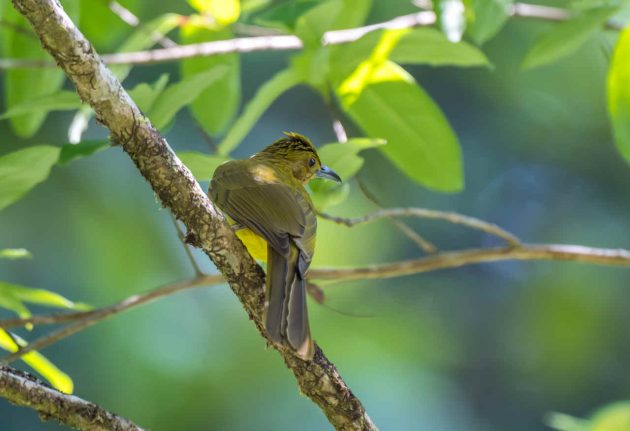
He initially went to Sarawak in 1869 to work as an independent collector, but entered government service two years later for more settled employment (similar to a management consultant eventually switching to a corporate job, I guess).
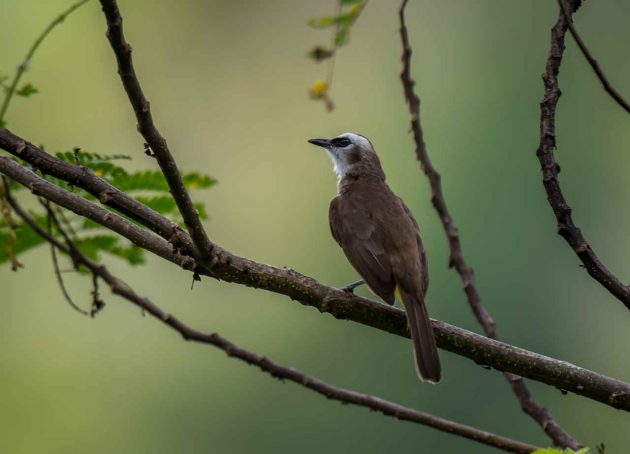
The Yellow-vented Bulbul is much more widespread and thus in some way less interesting for a post on the Philippines.
The Coleto is a starling, and it is sometimes also called the Philippine Myna …
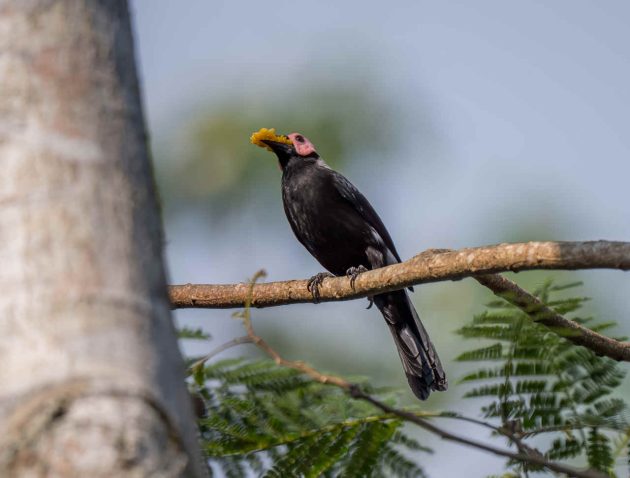
… but it is in its own genus, and the term Myna is not well-defined anyway.
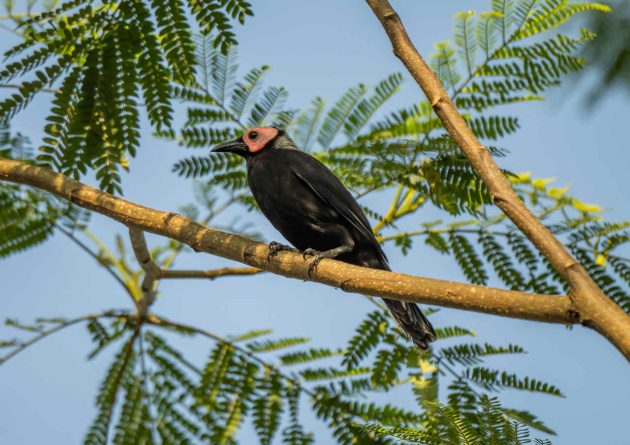
The scientific name Sarcops calvus highlights what some of the species’ critics think is its worst feature – the “bald flesh face” (calvus bald, sarkos flesh, opos face).
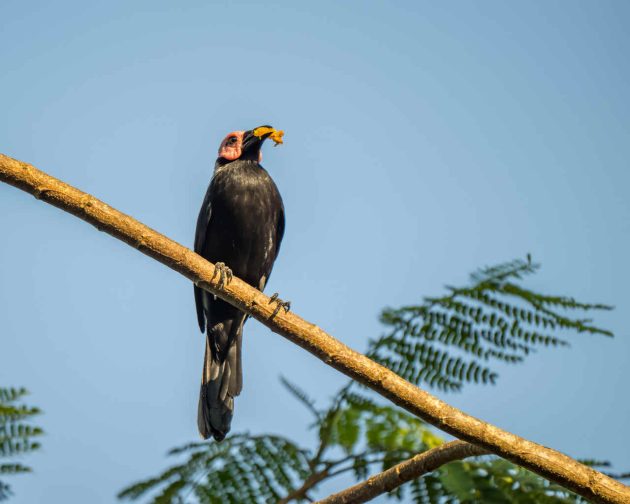
One paper states that it has been observed to be monogamous (but presumably, so have many humans who later turned out not to be).
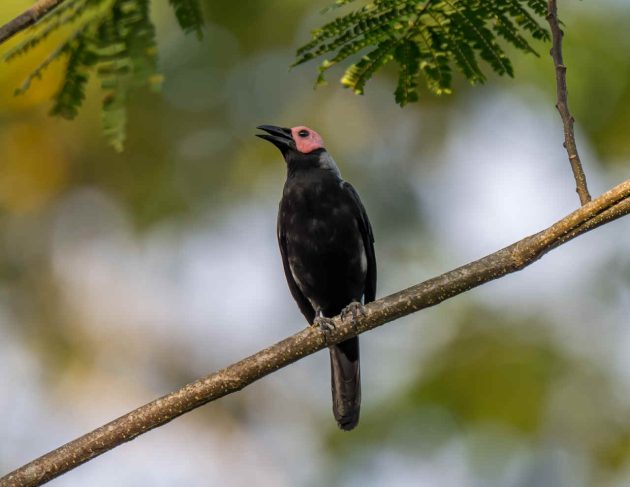
It is a cavity nester, and indeed, I saw it use an older woodpecker hole just a bit below one that was still active.
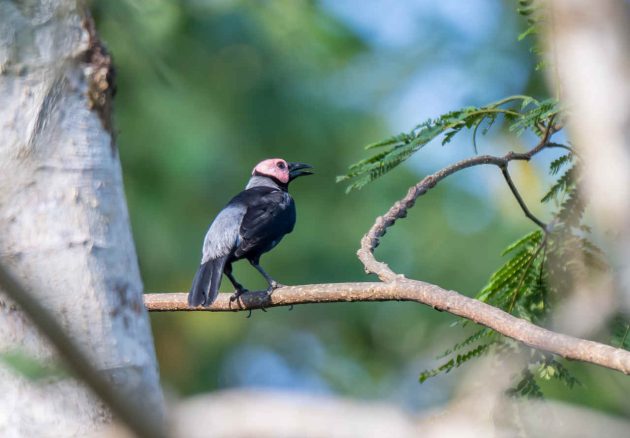
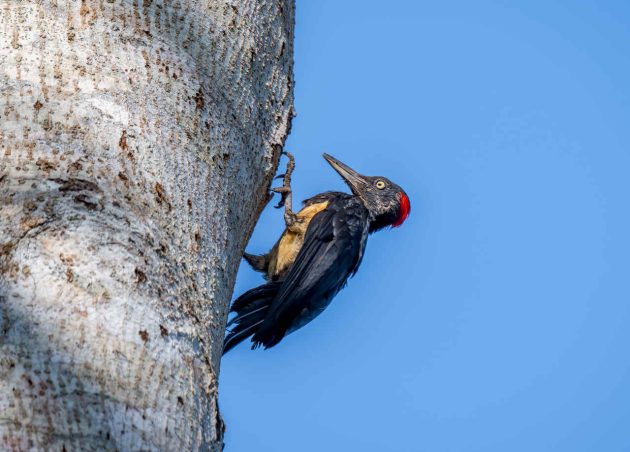
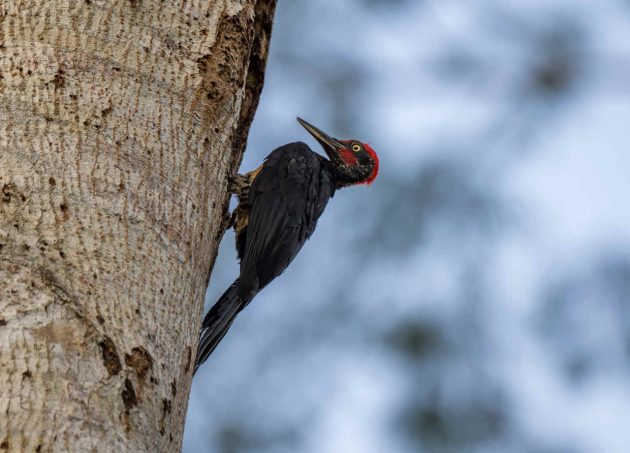
Specifically, used by a pair of White-bellied Woodpeckers.
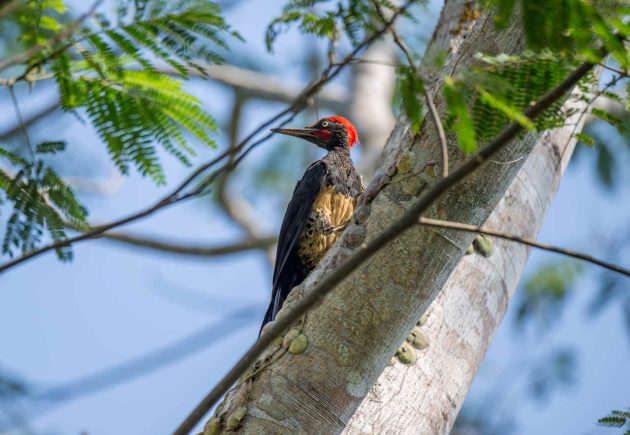
This is a very widespread species that can be found in many parts of Southeast Asia and India, even parts of China …
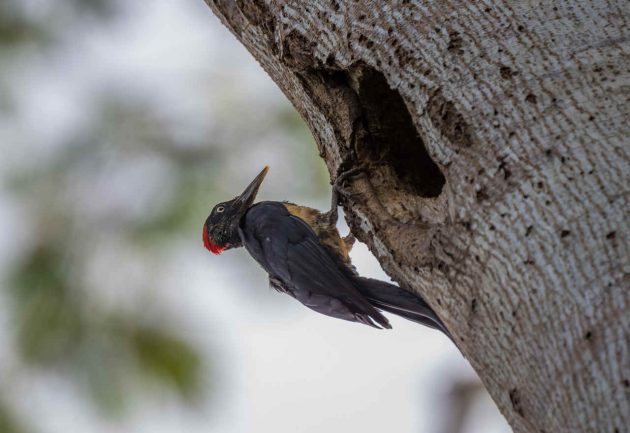
… which is not reflected in the scientific name Dryocopus javensis.
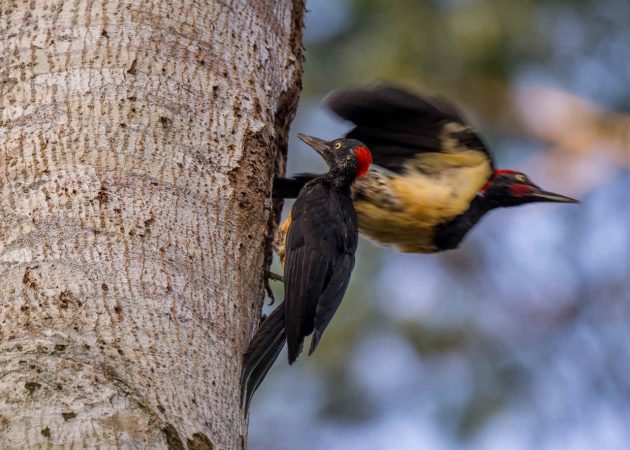
The male has a red area under the chin (well, call it a malar stripe if you want), whereas the female has a black one.
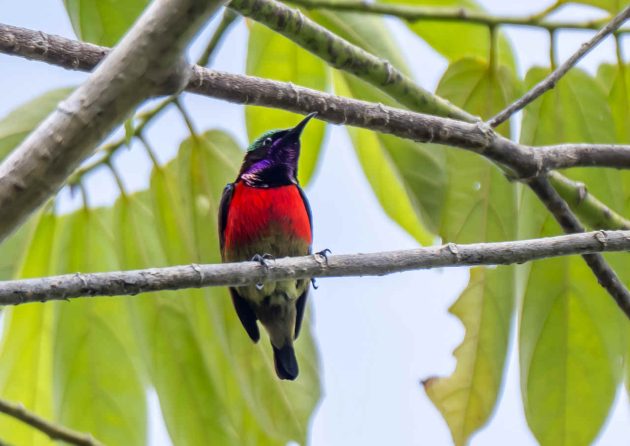
What else? A Purple-throated Sunbird.
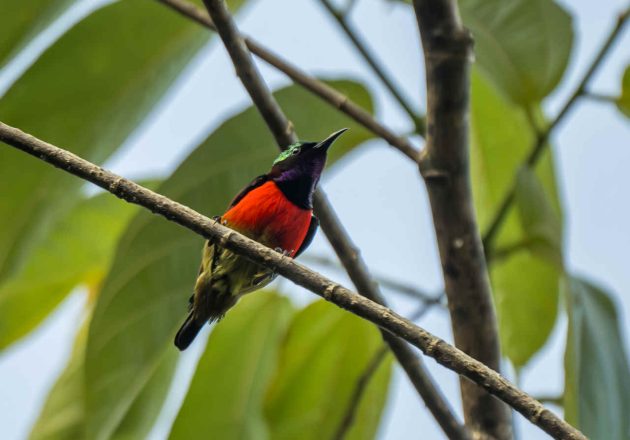
Its scientific name, Cinnyris speratus, makes it the “hoped-for sunbird” or “long-awaited sunbird.”
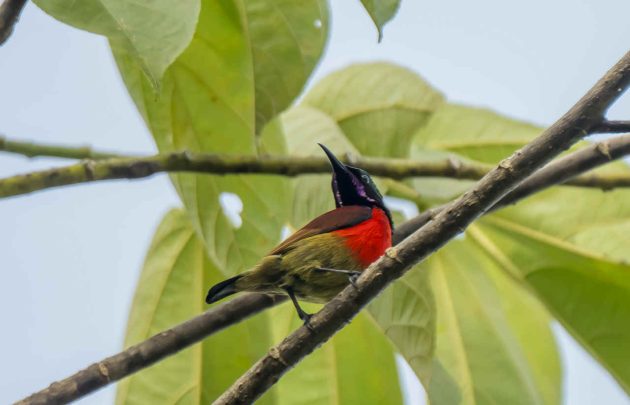
Why did the German naturalist Philipp Ludwig Statius Müller choose this name in 1786? Nobody knows.
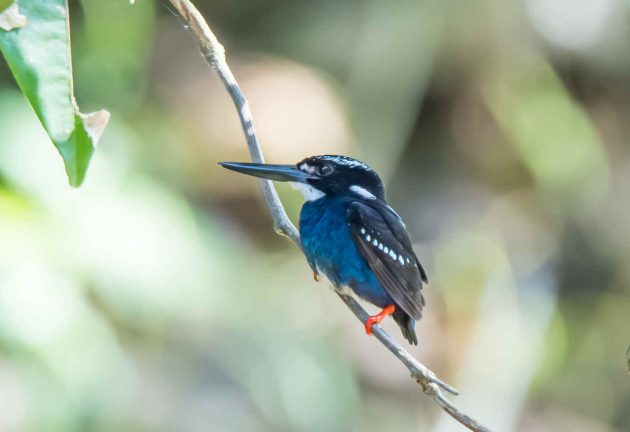
There is more. A small kingfisher, the Southern Silvery Kingfisher …
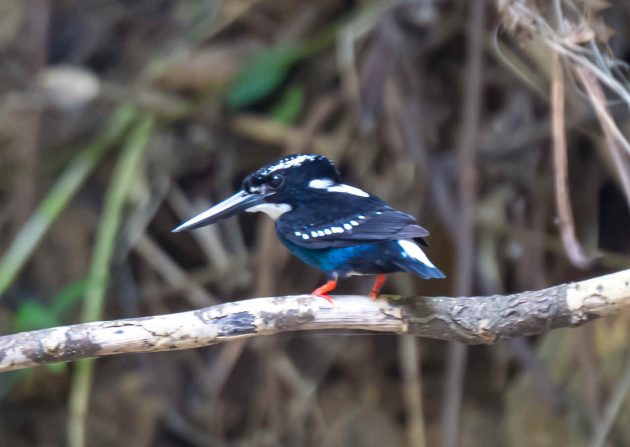
… an attractive bird listed as Near Threatened …
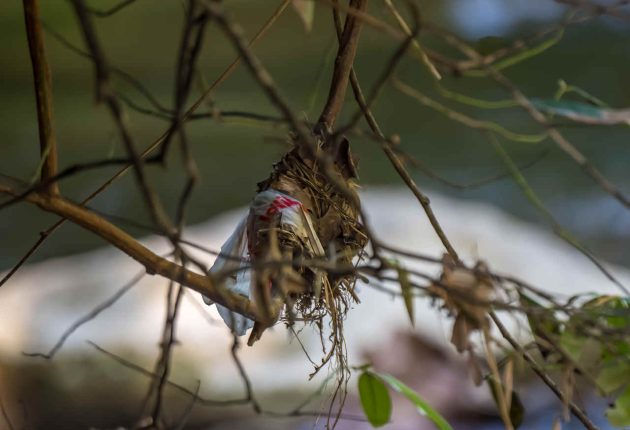
… with a thoroughly unattractive nest.
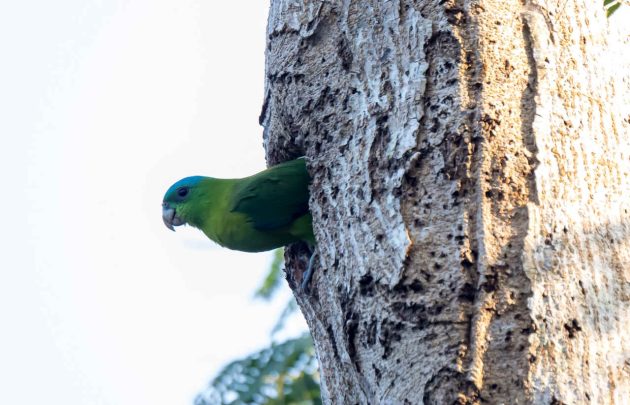
A parrot – according to the HBW, the Blue-crowned Racket-tail comes in two subspecies.
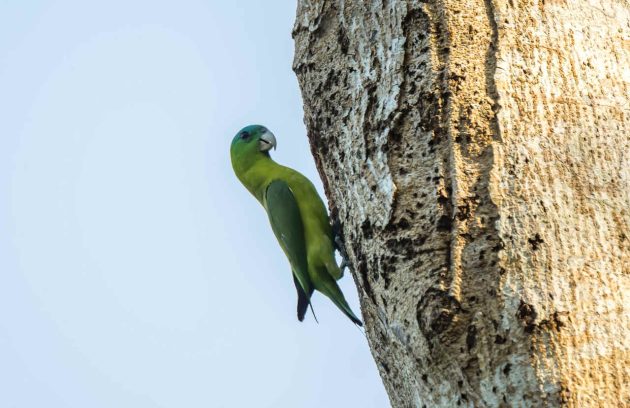
One is the Blue-crowned Racket-tail (Blue-crowned), the other the Blue-crowned Racket-tail (Blue-capped). Which fits pretty well with the HBW illustrations of the two subspecies – they look more or less identical to me.
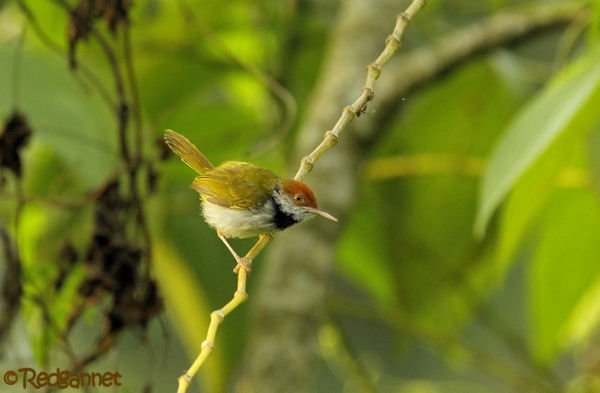
And two more species with bad photos and thus not really deserving any comments from me: Black-headed Tailorbird …
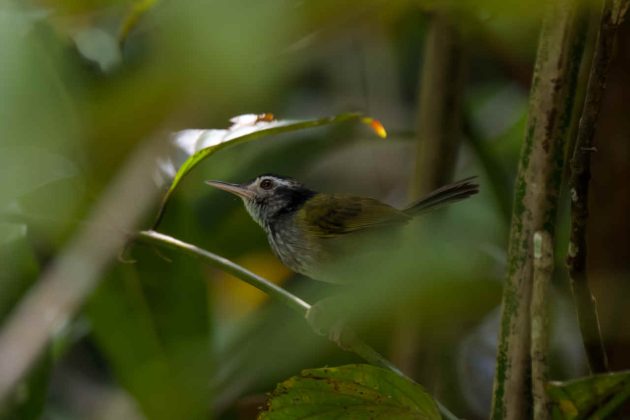
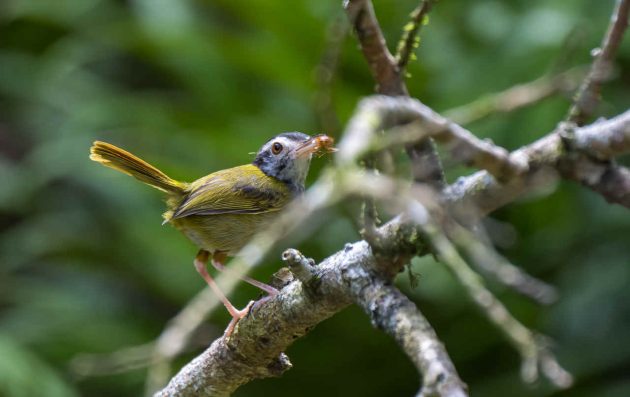
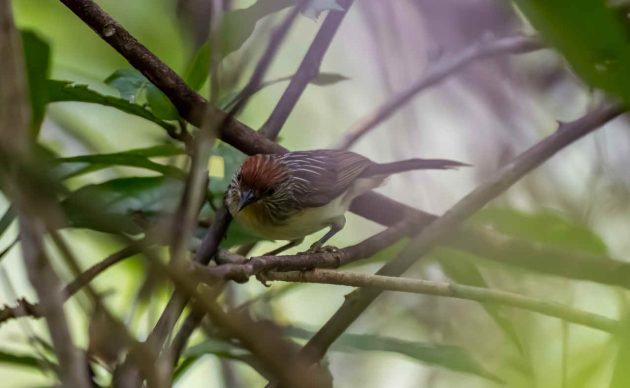
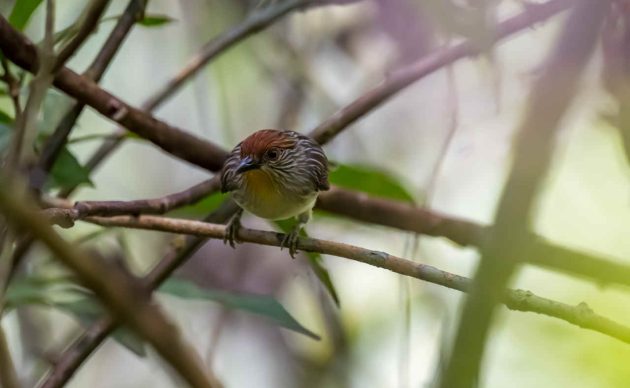
… and Rusty-crowned Babbler.
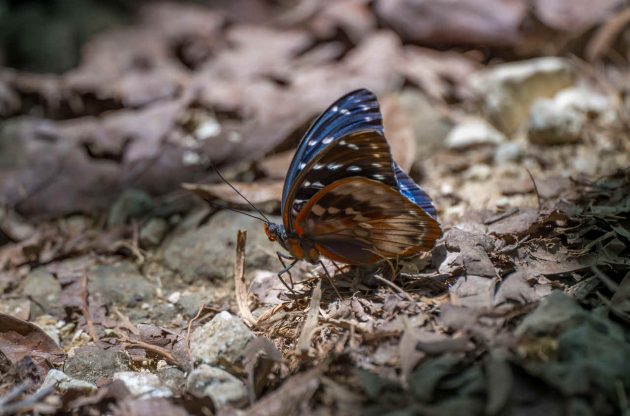
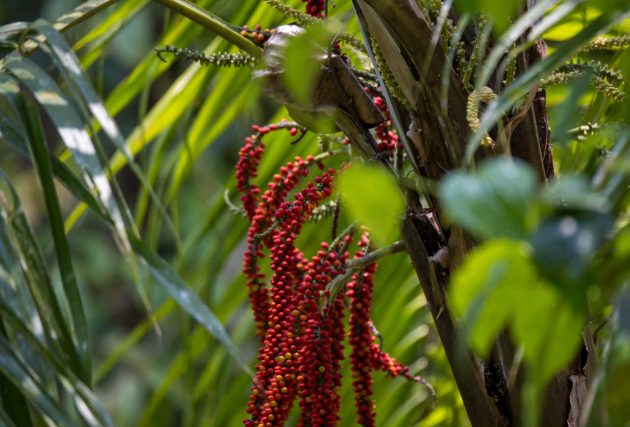
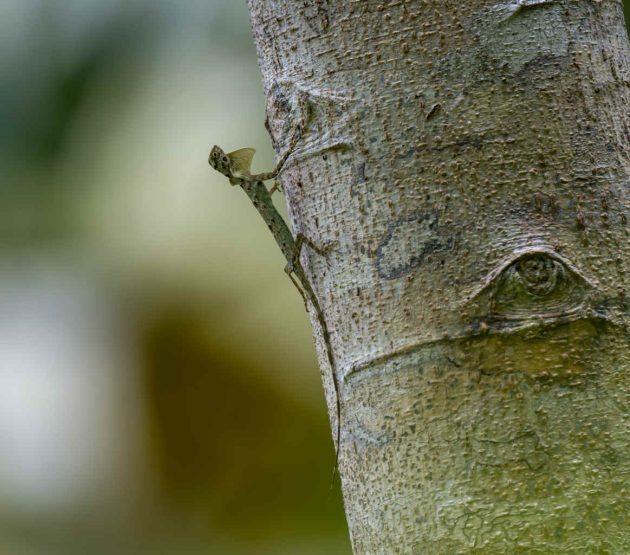
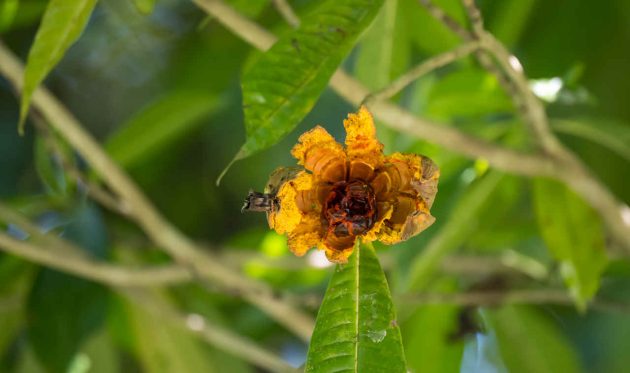
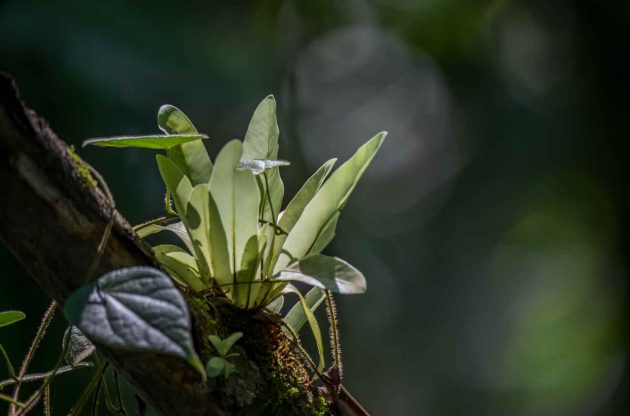
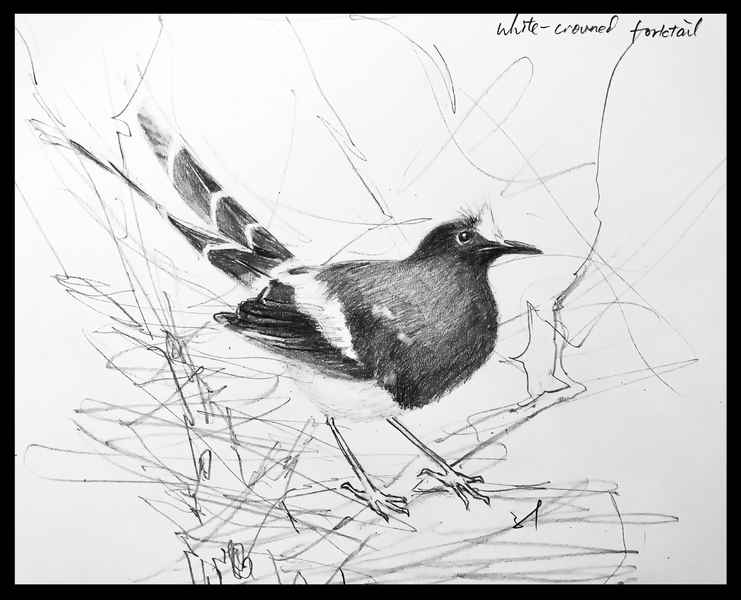
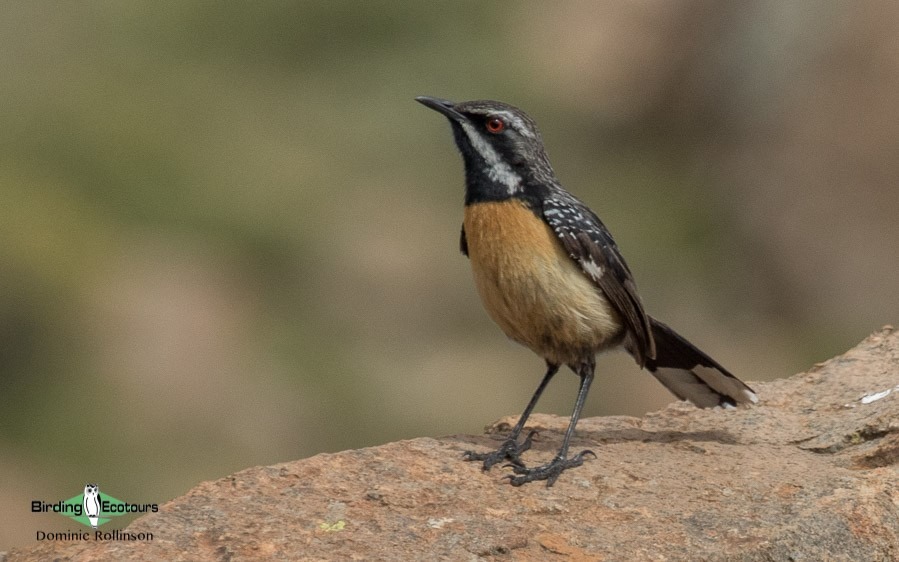
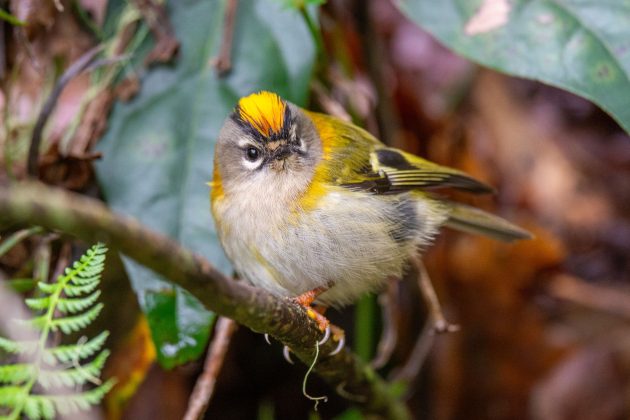
And finally, the usual non-bird debris from the cutting room floor.

















 English (US) ·
  French (CA) ·