

PROTECT YOUR DNA WITH QUANTUM TECHNOLOGY
Orgo-Life the new way to the future Advertising by Adpathway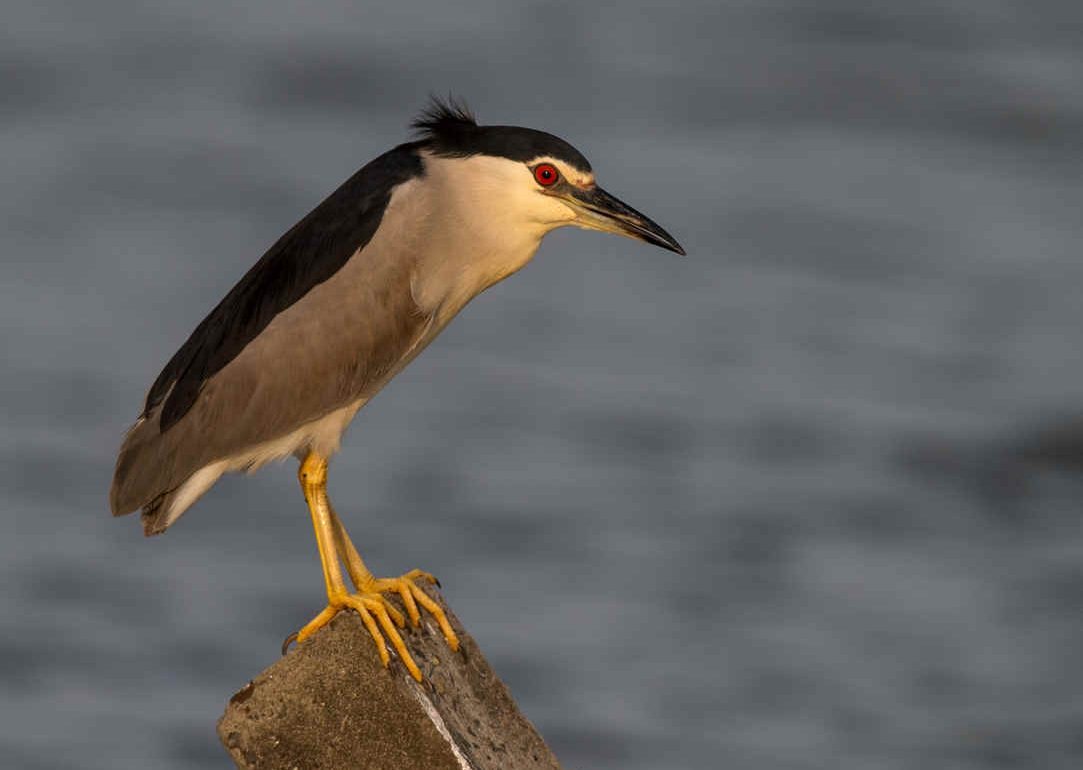
The Black-crowned Night Heron is the world’s most widespread heron (source: HBW). Unsurprisingly, it is a bird that inspires both scientific questions and nicknames.
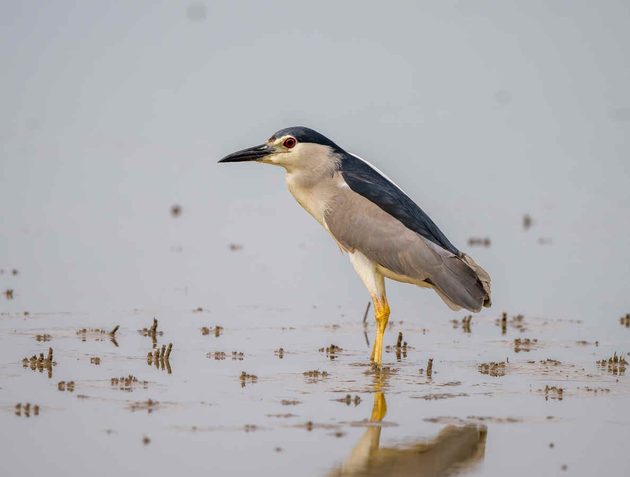
One study found that 70% of the nestlings examined were male, though the sample was small. The researchers found no significant relationship between brood sex ratio and nest-site selection, breeding time, brood size, or nestling body condition. So they suggest genetic mechanisms—or some other as-yet-unknown factor—may be at work. And, in the grand tradition of scientific conclusions, they call for further research (Study).
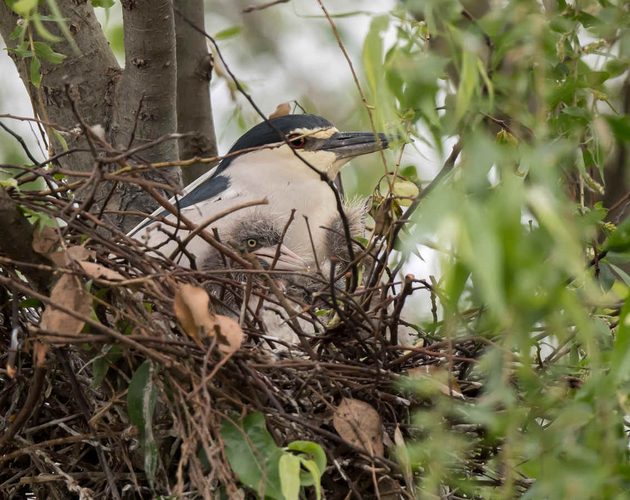
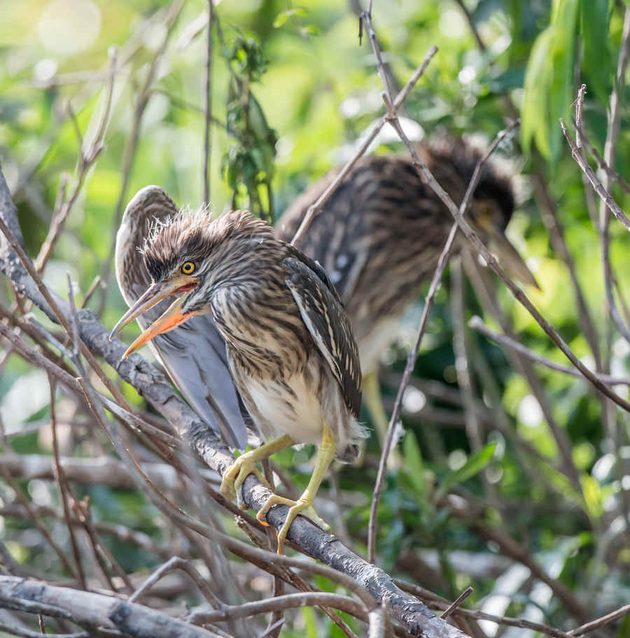
I was struck by the paper’s publication date: June 2026. It was written by researchers from Iran’s northern Mazandaran Province. Somehow, life and research go on.
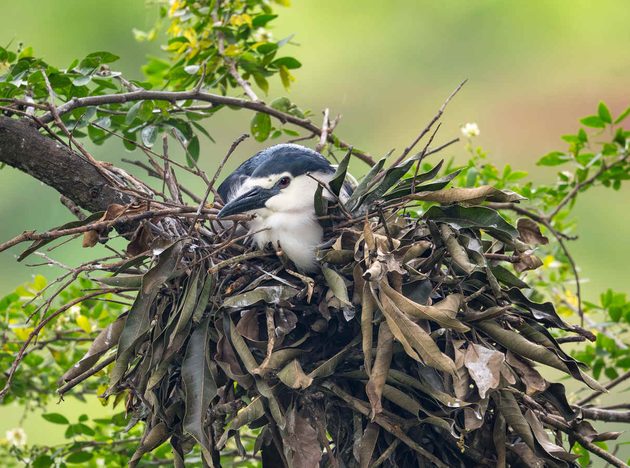
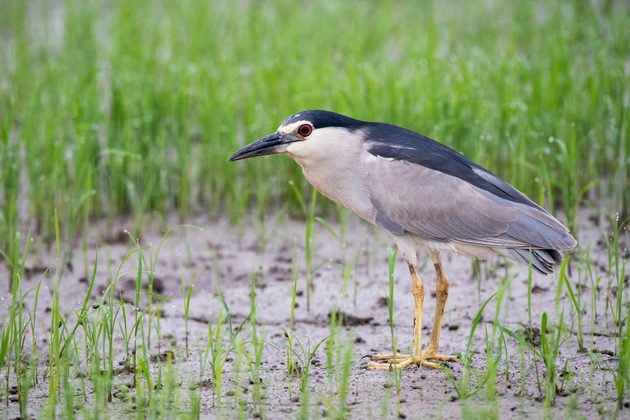
The species also has a more practical connection to another bird. Common Terns sometimes ask me how to keep Black-crowned Night Herons from preying on their chicks after dark. One study found that solar-powered lights reduced heron visits sixfold and also reduced egg and chick losses (Study).

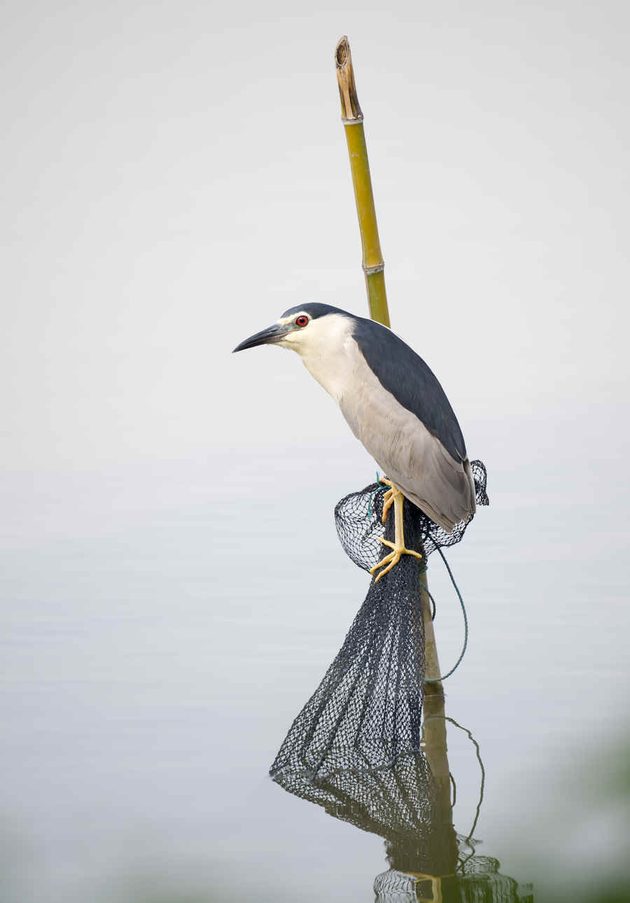
There is a less practical, but more memorable, piece of heron research: Baillie Weiderick’s master’s thesis, “Guano Rain and Growing Pain: Co-nesting Dynamics of Double-crested Cormorants and Black-crowned Night-herons at Tommy Thompson Park.” The title deserves a special award for weirdness. The thesis reports a strong positive relationship between cormorant and night-heron population growth. (Thesis)
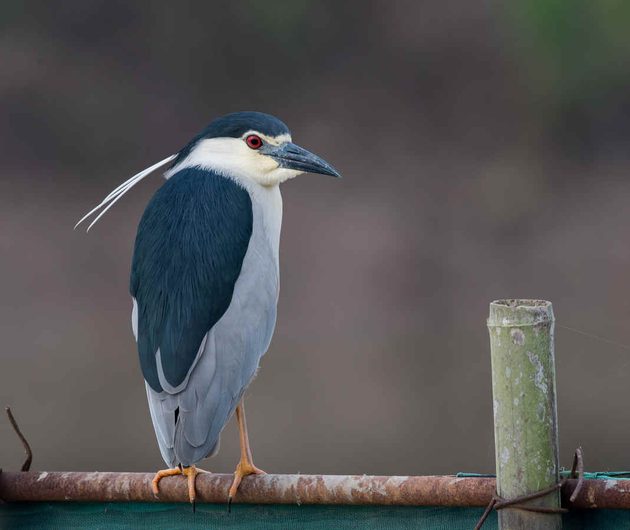
And a detail from ornithological history, in case you were waiting for one: Japan’s first bird-banding survey involved placing bands on 100 juvenile Black-crowned Night Herons at Haneda, Tokyo, on 30 June 1924. (Article)
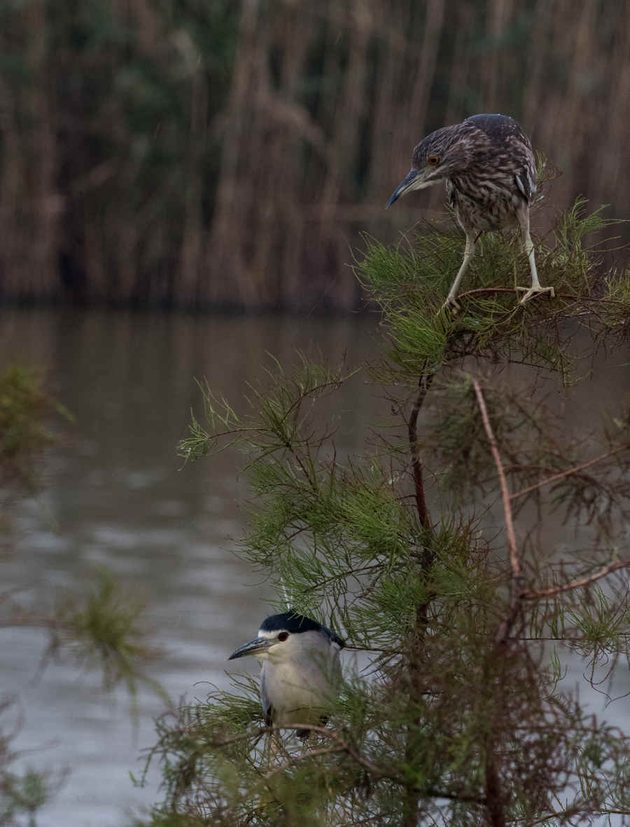
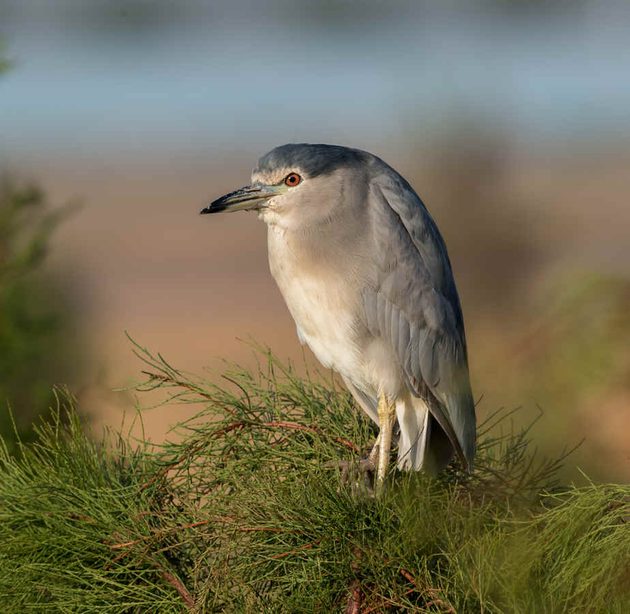
The heron’s night-time habits may help explain why it has become such a familiar character online, at least in China. A Chinese meme calls it yè shifu, roughly “Night Master.” With its hunched posture and exhausted expression, it can look like a worker clocking off after a punishing night shift—and already dreading the next one.
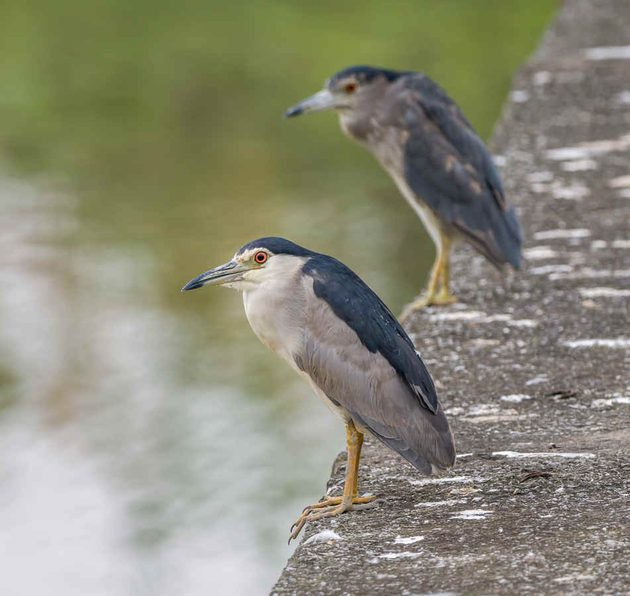
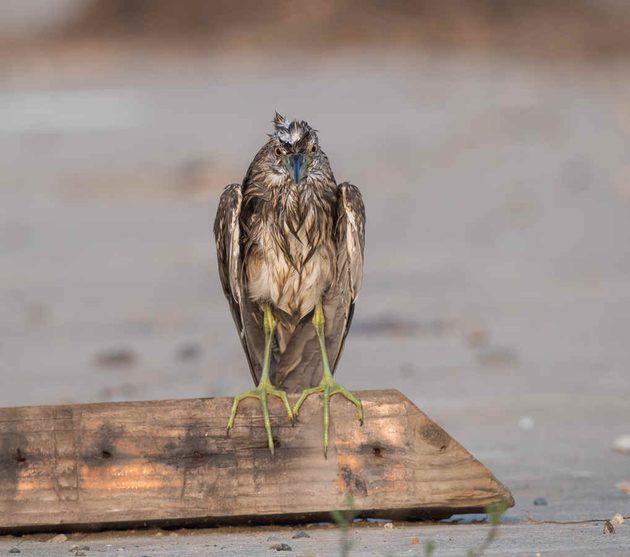
That image feels familiar to me. As a student, I worked night shifts at a plastics compounding company for a few weeks, arriving around 9 or 10 p.m. and leaving at 6 a.m. I doubt I looked particularly fresh after each shift. And the nickname has some basis in the bird’s habits: Black-crowned Night Herons often feed from evening to early morning, then spend much of the day hunched among branches.
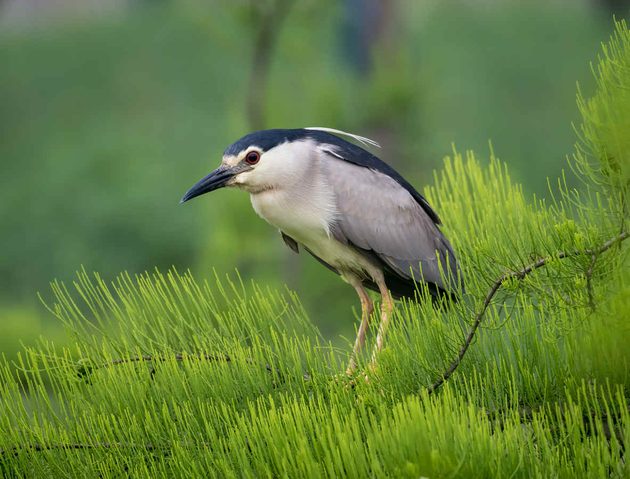
Another meme calls the bird the “Chinese native-country penguin” (zhonghuá tiányuán qié). With its neck tucked in, dark back and pale belly, the heron can look a little like a penguin.
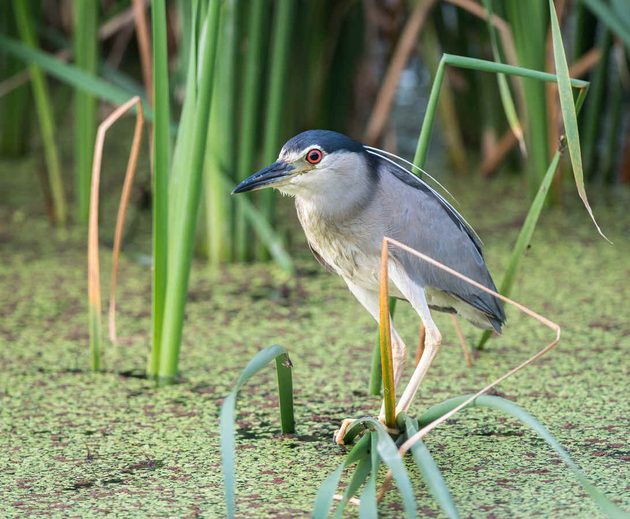
The second part of the joke refers to a 2019 incident at a Japanese zoo. A Black-crowned Night Heron turned up among the penguins, apparently hoping to get some fish. The keepers spotted it, but the bird stayed on and kept treating the zoo as its own dining area. Naturally, internet fame followed.
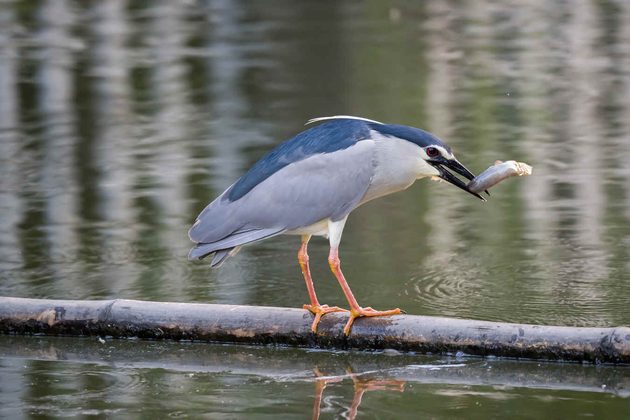
Both nicknames seem affectionate to me. One turns the heron into a familiar figure: the tired worker who has put in a long night and still has to carry on. The other makes it a likeable opportunist, slipping into the penguin enclosure and helping itself to the fish. I can identify with both.

Written by Kai Pflug
Kai has lived in Shanghai for 22 years. He only started birding after moving to China, so he is far more familiar with Chinese birds than the ones back in his native Germany. As a birder, he considers himself strictly average and tries to make up for it with photography, which he shares on a separate website. Alas, most of the photos are pretty average as well. He hopes that few clients of his consulting firm—focused on China’s chemical industry—ever find this blog, as it might raise questions about his professional priorities. Much of his time is spent either editing posts for 10,000 Birds or cleaning the litter boxes of his numerous indoor cats. He occasionally considers writing a piece comparing the two activities.

















 English (US) ·
 French (CA) ·