

 50 minutes ago
1
PROTECT YOUR DNA WITH QUANTUM TECHNOLOGY
Orgo-Life the new way to the future Advertising by AdpathwayBiomedical researchers have engineered injectable arterial organoids that assemble into perfusable vascular networks to restore blood flow in ischemic tissues. Developing durable and functional vascular structures has represented an enduring hurdle in regenerative medicine, particularly when addressing cardiovascular disorders marked by severe circulatory restriction. In this investigation, researchers demonstrated that micron-scale vascular modules derived from stem cells can be delivered locally to organize into larger macro-structures in vivo, creating interconnected channels that integrate with host vasculature and significantly accelerate blood perfusion recovery in damaged tissues.
The transplantation of vascular cells has long been explored as a prospective therapeutic strategy to encourage vascular regeneration for patients suffering from ischemic diseases. Nevertheless, translating conventional cell-based therapies into effective clinical interventions has faced major setbacks due to low rates of cellular engraftment and inadequate functional integration with the recipient vascular tree. When delivered as unorganized single-cell suspensions, transplanted cells often disperse, fail to survive within hostile ischemic microenvironments, or lack the structural cues necessary to construct stable, organized vascular conduits capable of sustaining physiological blood circulation in compromised host tissue.
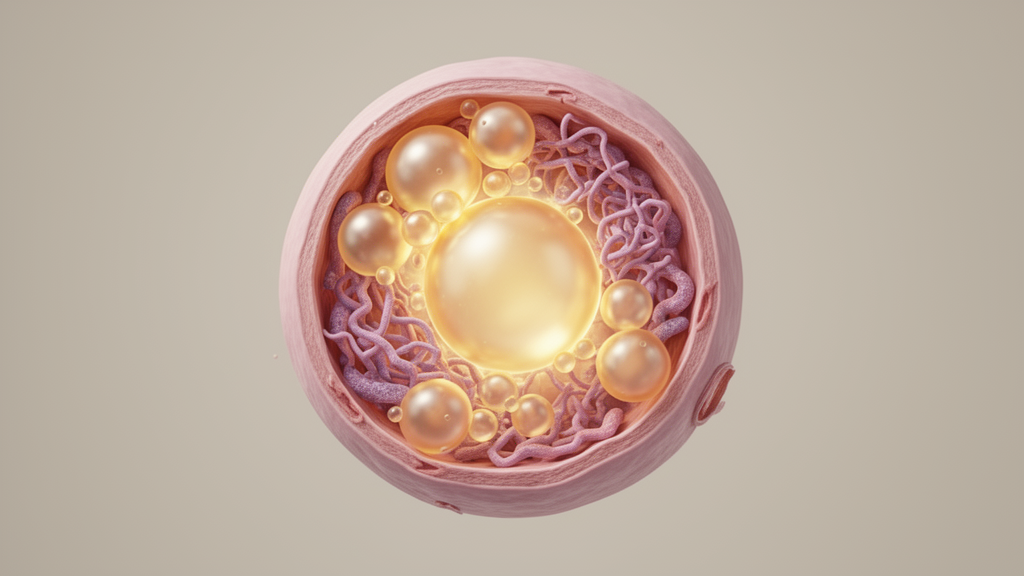
To overcome the structural and functional shortcomings of single-cell delivery, the research team developed a scalable methodology for generating suspensible, homogeneous arterial organoids from human induced pluripotent stem cells. Utilizing a dynamic three-dimensional bioreactor system, the researchers successfully guided the pluripotent stem cells into spheroidal, micron-scale vascular modules that remain readily suspensible for injection. Structural characterization showed that each individual arterial organoid comprises a confluent, continuous layer of arterial-like endothelial cells that maintain an intimate association with supporting mural cells, effectively recapitulating key cellular and architectural elements of native arterial microvessels.
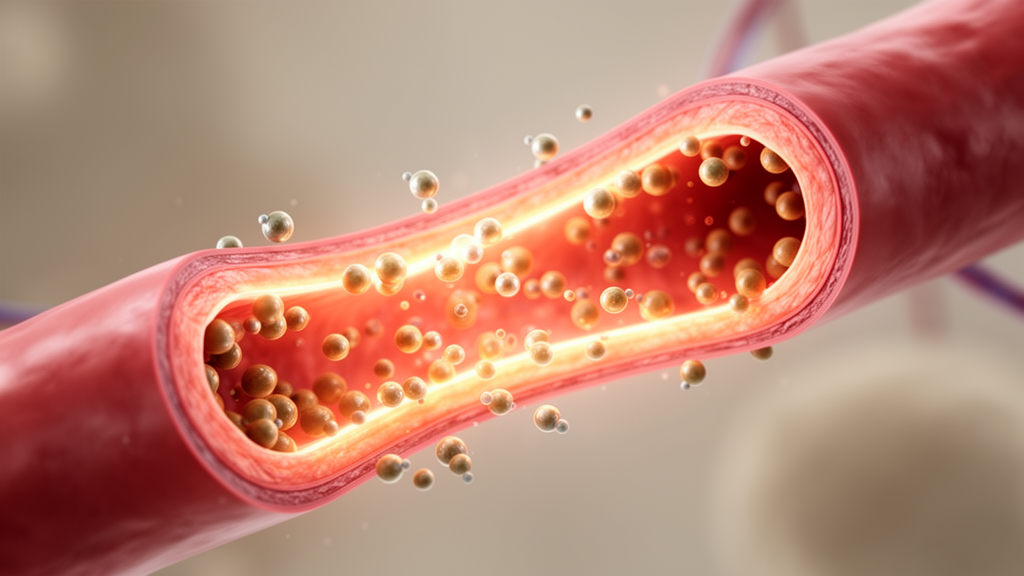
The spherical architecture of these micron-scale organoids facilitates an unusual self-assembly process once the cellular suspension is introduced into target tissues. Following local injection, the individual vascular modules assemble into cohesive, higher-order vascular structures rather than remaining as isolated spherical clusters. Crucially, the interstitial spaces situated between adjacent modules align to form an extensive network of interconnected channels. These newly organized inter-modular channels support rapid blood perfusion, establishing an immediate structural template through which host blood can circulate into previously starved and compromised tissue areas.
To evaluate the therapeutic viability of this modular delivery system in living systems, the authors tested the arterial organoids in established murine models of hindlimb ischemia and myocardial infarction. Both animal models replicate critical clinical manifestations of ischemic pathology, including severe skeletal muscle ischemia and cardiac tissue damage resulting from acute vascular occlusion. Following direct local delivery into the ischemic sites, the human arterial organoids demonstrated an ability to rapidly integrate with the host vasculature, establishing functional physical connections within the damaged anatomical tissue beds.
Direct comparisons between the modular organoid strategy and traditional single-cell therapies highlighted substantial physiological differences in overall tissue recovery. Delivery of the arterial organoids led to markedly improved blood perfusion recovery and enhanced tissue repair in both the hindlimb ischemia and myocardial infarction models compared to treatment with single-cell counterparts. The dispersed single-cell preparations failed to achieve similar levels of vascular incorporation or tissue preservation, underscoring the clear functional advantages provided by preformed, multicellular modules over dissociated cell suspensions.
The study also revealed the specific cellular mechanism governing the enhanced vascular repair facilitated by the implanted organoids. Upon delivery into ischemic tissues, the arterial organoids actively recruit host macrophages that secrete vascular endothelial growth factor A, an essential pro-angiogenic signaling protein. Mechanistically, these recruited immune cells remodel the local microenvironment, creating favorable molecular conditions that further stimulate and sustain host vascular regeneration. This macrophage-mediated trophic support coordinates directly with the physical assembly of the organoids to accelerate revascularization and repair throughout the injured region.
Together, these experimental findings demonstrate that suspensible arterial organoids can self-organize into perfusable vascular networks in vivo and significantly enhance blood perfusion across compromised ischemic tissues. By combining a scalable three-dimensional bioreactor production system with an injectable modular delivery strategy, the study offers a promising approach to overcome longstanding engraftment limitations in vascular regeneration. However, because these initial therapeutic benefits were established exclusively in murine hindlimb and myocardial models, further research will be required to assess whether human-scale tissues can achieve comparable structural integration, immune compatibility, and functional perfusion over extended timeframes.
Subject of Research: Injectable arterial organoids for vascular regeneration in ischemic disease models
Article Title: Modular assembly of arterial organoids enables rapid blood perfusion to ameliorate ischemic diseases
Article References: Kong, W., Pan, Z., Hong, Y., Tian, L., Yao, Q., Zhao, Y., Hong, Z., Ma, X., Jiang, S., Li, D., Guo, Y., Li, X., Sun, L., Liu, J., Liu, Q., Dong, E., Liu, J., Tanaka, R., Feng, J., … Wang, K. (2026). Modular assembly of arterial organoids enables rapid blood perfusion to ameliorate ischemic diseases. Nature Communications. https://doi.org/10.1038/s41467-026-77553-6
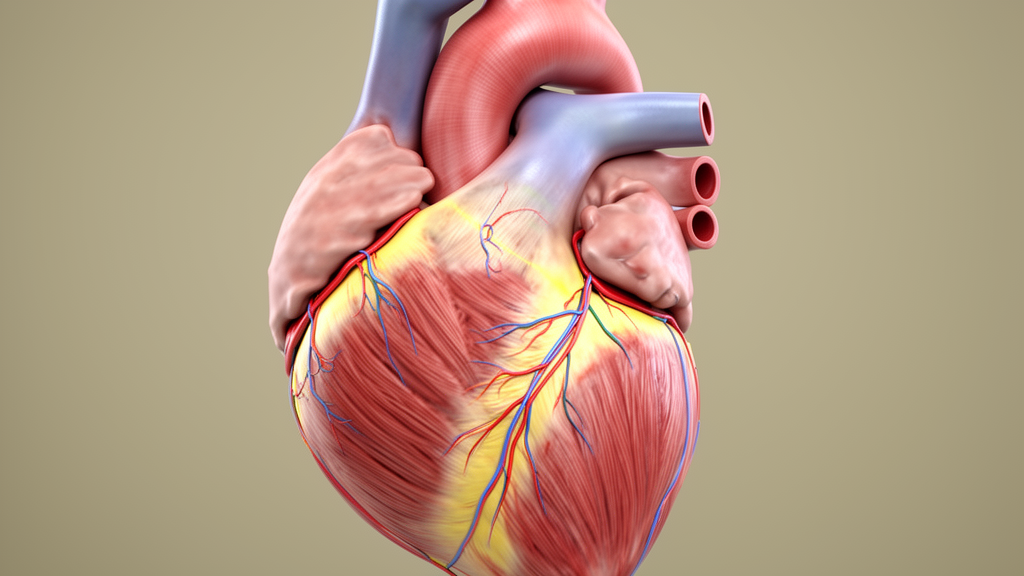
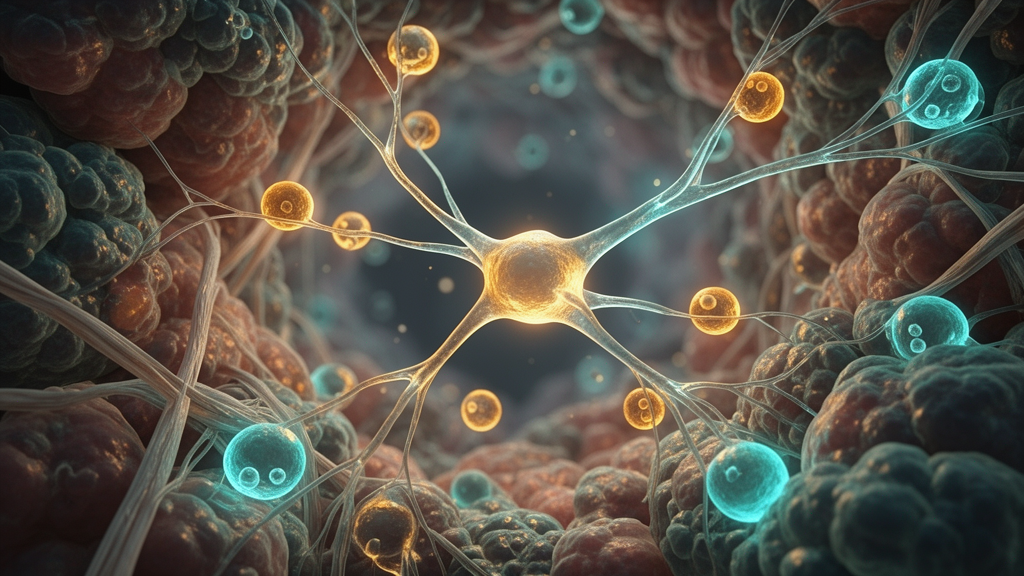
Image Credits: AI Generated
DOI: 10.1038/s41467-026-77553-6
Keywords: arterial organoids, vascular regeneration, ischemic diseases, human induced pluripotent stem cells, three-dimensional bioreactor, arterial-like endothelial cells, mural cells, hindlimb ischemia, myocardial infarction, vascular integration, blood perfusion, VEGF-A, macrophage recruitment, tissue repair, modular assembly, murine models















 English (US) ·
 French (CA) ·