

Deadheading is one of those habits that becomes automatic after a while. You spot a spent, browning bloom, clip it back to a leaf node, and move on, confident that another flush of fresh flowers will rise to take its place. For most of the season, this instinct is the right one. It keeps beds tidy, prevents disease, and encourages your plants to put their energy into continuous color. By June, though, a few flowers are better off left alone. Let these iconic cottage garden favorites set seed, and they hand you next year’s plants at zero cost, scattered where they fall.
For these flowers, the purpose is ultimately to produce seed to ensure the survival of their lineage. The moment you don’t deadhead flowers, these plants shift the focus from flower production to seed development. By letting nature take the wheel in June, these plants will drop a bounty of ripe, resilient seeds right into your beds. The resulting offspring will emerge completely free of charge, filling open gaps with an organic, natural flow that no human designer could ever replicate.
Leaving these key ornamentals to seed is a satisfying way to save some dough (or keep the cash for other flowering fancies). Just let these canny self-sowers set about creating a wave of dependable future color. These plants thrive on minimal fuss, take root, and burst into life in effortless style, and often in spots you’d never have thought to plant them. So make sure you allow these iconic border beauties to do their thing.
Leave These Flowers to Seed in June
None of these cottage garden flowers will need babying to self-sow. The whole technique is really about restraint. Elsewhere in your yard, there are of course some flowers you do need to keep deadheading in June to encourage more flowers. But for the flowers in this roundup, just let the final flush of flowers dry out right on the stem until the seed pods swell, ripen, and naturally split open.
While most are adaptable across USDA hardiness zones 3-11, their ultimate self-sowing success relies on the conditions of the soil beneath them. Seeds that drop onto hard, compacted earth or choked-out weed beds will struggle to establish. To set the stage for success, ensure your borders feature loose, well-draining soil and plenty of bright sunlight, which acts as the ultimate incubator for fallen seeds.
(Image credit: Lynnebeclu / Getty Images)
Before you let your plants go wild, a tiny bit of ground-level preparation ensures these future seedlings can anchor in well. Keep the planting area clean of aggressive weeds, and check your soil health to maximize germination rates. Use a soil meter or testing kit such as the Luster Leaf Rapitest Soil Meter from Amazon to determine moisture levels and make sure soil pH is balanced for upcoming generations.
If your soil feels tired or heavy from the season's heaviest feeders, add a light layer of mulch, such as Back to the Roots Organic Premium Mulch from Amazon. Scatter this over the topsoil to help lock in vital moisture. This will help to create the perfect environment for rapid germination once seed pods burst, setting the scene for beautiful future blooms. So let’s meet the cottage garden beauties where it’s absolutely for the best if you don’t deadhead the flowers!
1. Forget-Me-Not
(Image credit: Albert Fertl / Getty Images)
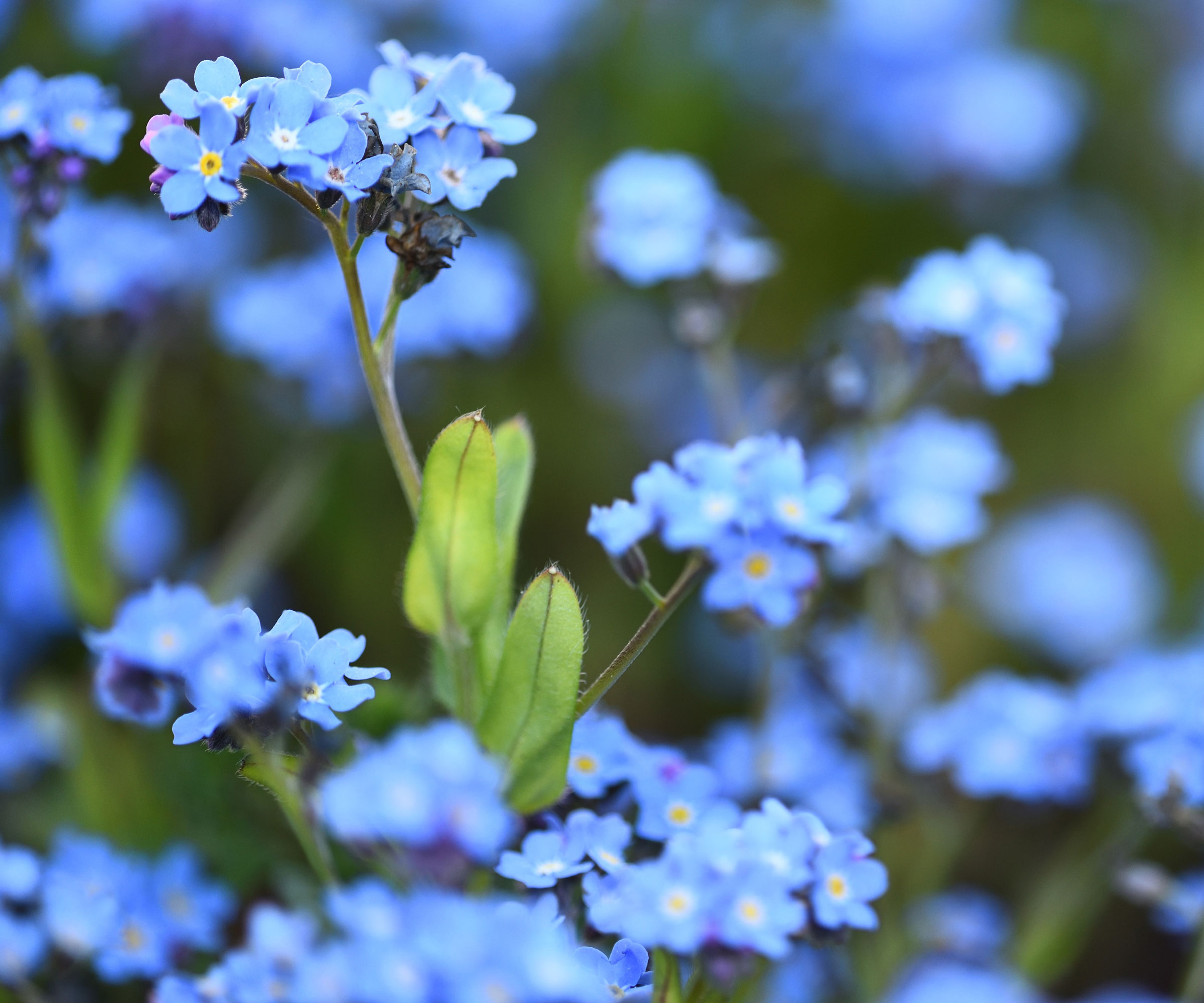
Here’s the honest truth: forget-me-nots (Myosotis sylvatica) self-sow so willingly that your main task as a gardener is often slowing them down. These charming biennials produce cloud-like drifts of sky-blue flowers through spring, but by June, the show is beginning to fade. As the petals drop, they leave tiny, burred seed pods that catch on clothing and hitch a ride on whatever brushes past, which is how they wind up several beds over from where they were planted. Leaving the fading plants standing in June all but guarantees a carpet of seedlings by the fall. They are cold-hardy, thriving across USDA zones 3-9, and happy in partial shade.
To get the best out of forget-me-nots, try adding other partial shade companions like bleeding hearts or hostas. You can buy White Feather Hosta Bare Roots from Eden Brothers. While forget-me-nots aren't too picky about soil, they loathe bone-dry, compacted clay. Keep the area moist but well-drained, and skip the heavy fertilizers. You can trim the ugliest leaves with precision snips like the Fiskars Micro-Tip Pruning Snips from Amazon to keep plants tidy while the seed pods finish ripening.
2. Calendula
(Image credit: RM Floral / Alamy)
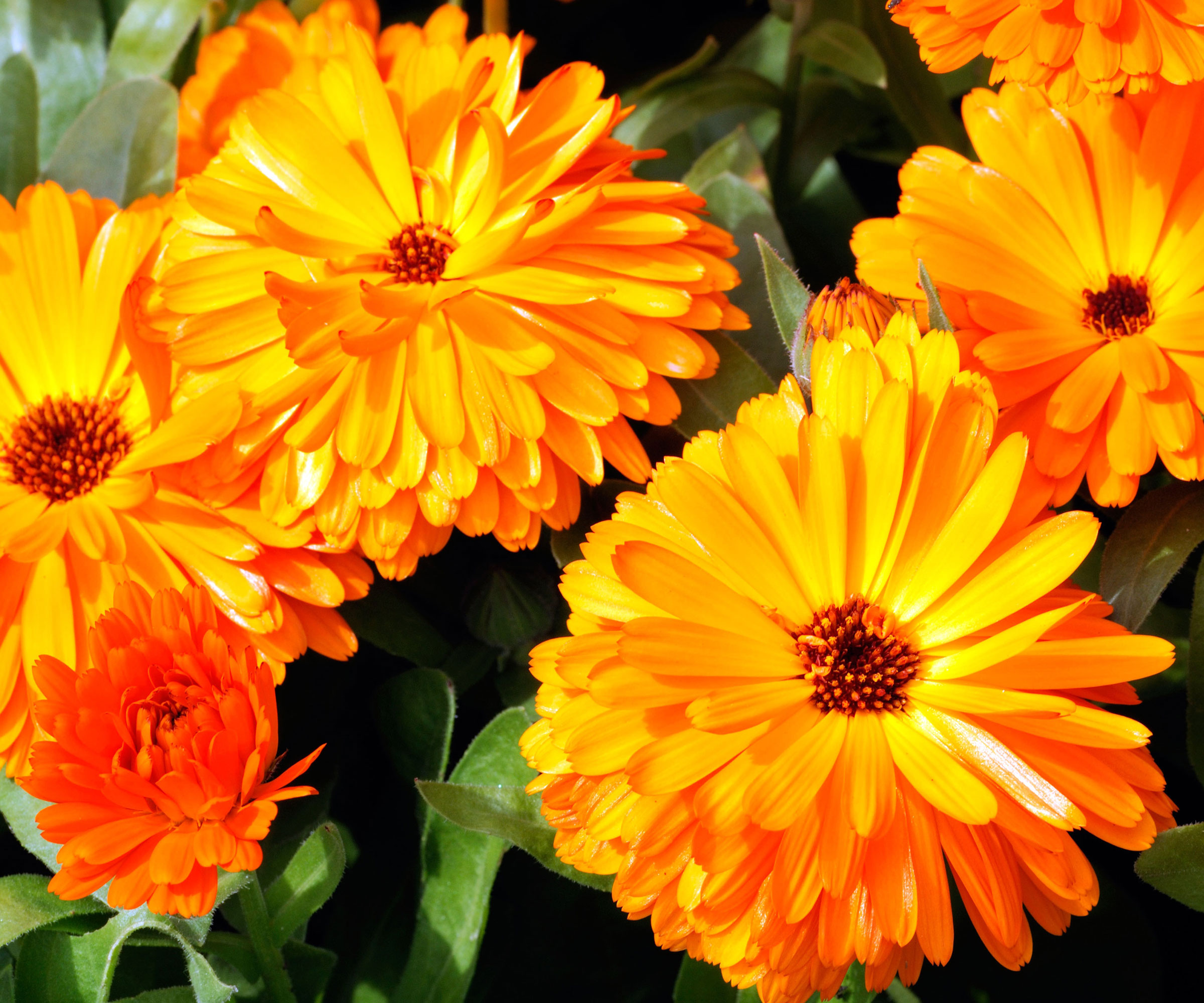
Few annuals throw their seeds around with as much joyful abandon as the cheerful pot marigold or calendula (C. officinalis). If you leave a healthy plant unpicked, it will rapidly develop crescent-shaped seed heads. These develop in a few weeks and plop into the soil around the parent plant. Depending on how mild your climate is, these seeds either germinate instantly for a bonus flush of fall color, or sit tight through winter to flower in spring. Because calendula blooms continuously from late spring to first frost, you lose nothing by sacrificing a few spent June flowers to seed while the rest of the plant carries on flowering.
Calendula thrives in full sun to partial shade in zones 2-11, preferring a lean, well-draining soil. Try growing them alongside purple herbs like Survival Garden Seeds Opal Basil Seeds from Amazon for a rich contrast that also helps to repel pests. While these rugged annuals are tough, they can occasionally succumb to powdery mildew if humidity spikes in summer. To keep your seed-producing plants in peak condition, apply a morning spray of Arber Organic Bio-Fungicide from Walmart to protect the foliage and ensure the ripening seed heads remain healthy and viable.
3. Columbine
(Image credit: Jacky Parker Photography / Getty Images)
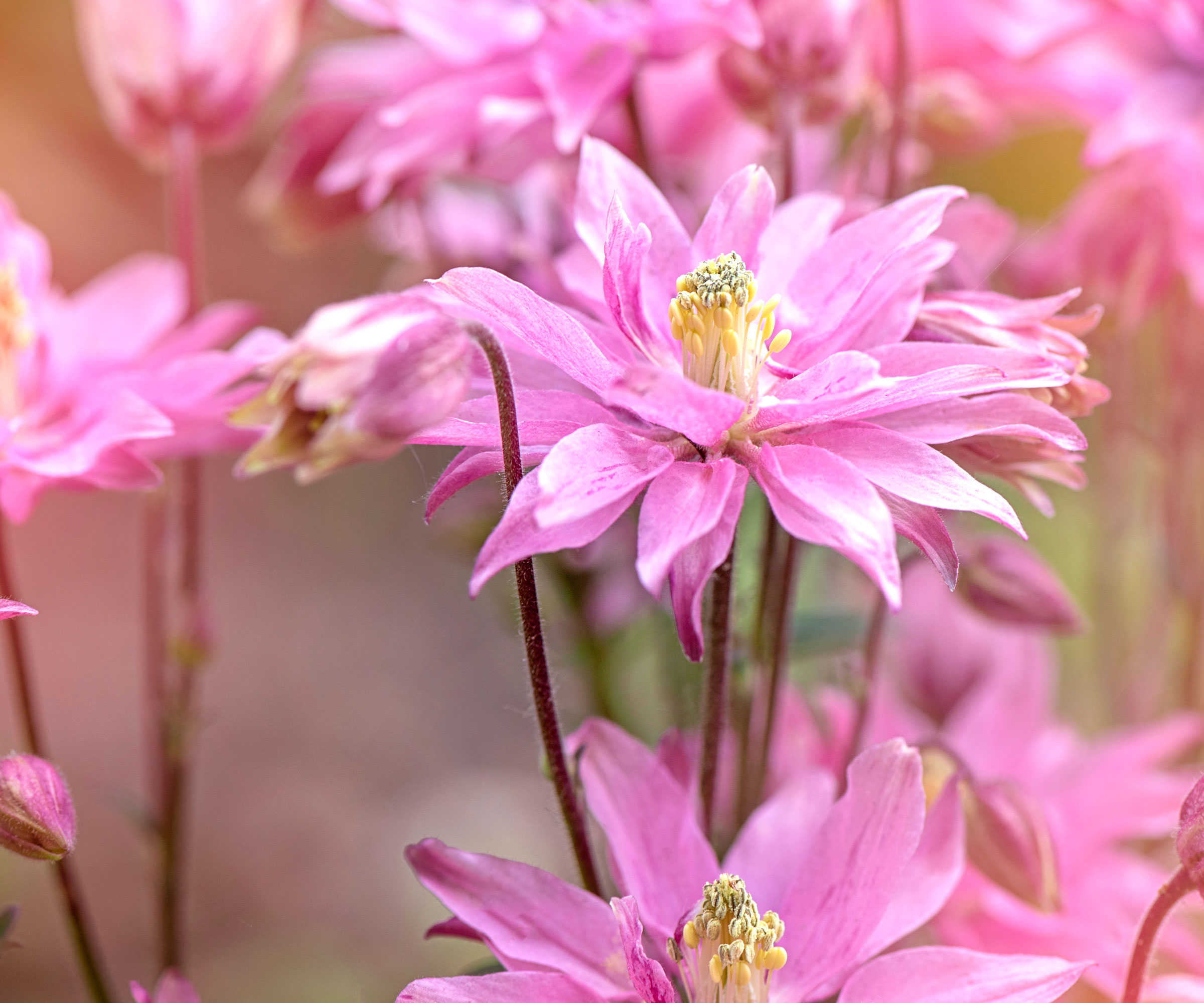
Columbine (Aquilegia spp.) is a perennial, so the original parent plant will return next spring. However, if you’re interested in spreading the love around, skipping the scissors can turn one clump into a sweeping drift. By early summer, flowers give way to crown-shaped capsules. As these pods dry, they split open like tiny salt shakers, scattering shiny seeds across garden beds. Varieties cross-pollinate with ease, so if you grow multiple colors and let them go to seed, the next generation will yield surprise color combinations and unique shapes.
These resilient perennials flourish in zones 3-9, and love dappled light, rich soil, and well-drained borders. Add some fine-textured plants like meadow rue or ornamental grasses like 'Karl Foerster' Feather Reed Grass from Nature Hills. While columbine is highly self-sufficient, leaf miners can sometimes tunnel through foliage in June. Instead of panic-cutting the plant back and losing your seed, simply pick off the damaged lower leaves and give the root zone a drink mixed with Miracle-Gro Water Soluble All Purpose Plant Food from Lowe’s to help the plant power through.
4. California Poppy
(Image credit: MTreasure / Getty Images)
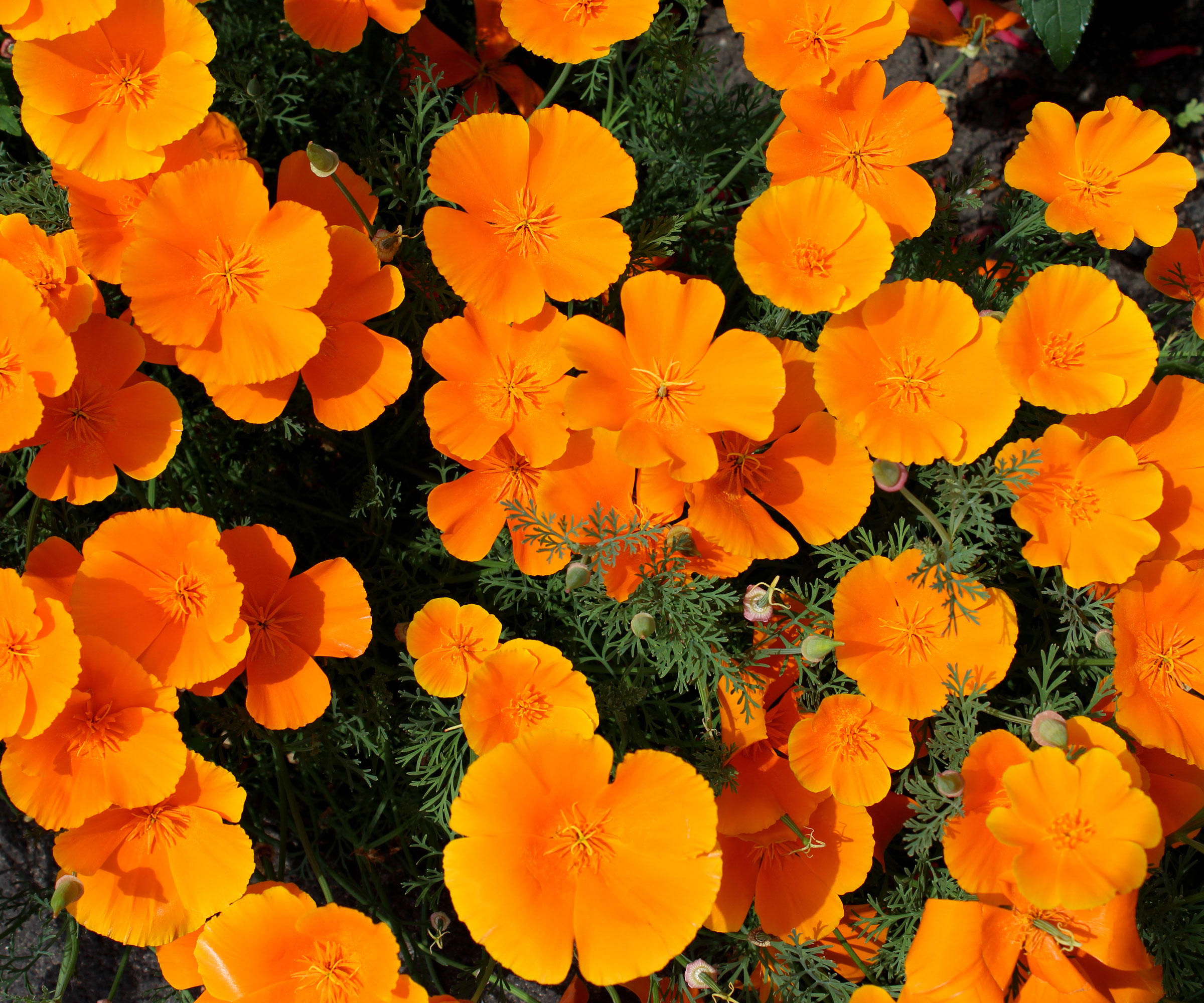
Poor soil is where California poppy (Eschscholzia californica) does its best work, which makes it an odd thing to chase around with scissors. Left alone, it forms slim seed capsules that dry, twist and fling their seed a surprising distance, so next year’s plants often turn up a couple of feet (60cm) from the parent. Grown from seed this way, seedlings are highly resilient. They develop drought-busting taproots that make them tough and heat-tolerant, as well as prolific and reassuringly low maintenance.
California poppies require full sun and sharp drainage in zones 3-10. They look lovely with native desert beauties or Mediterranean staples like lavender. You can pick up Southern Living Phenomenal Lavender Plants from Fast Growing Trees. Just don’t let them sit in heavy, waterlogged clay soil, which rots their roots. If your soil is heavy, add a scoop of Hoffman Horticultural Sand from Amazon into the surrounding topsoil to give seeds the fast-draining base they need to sprout.
5. Love-in-a-Mist
(Image credit: Raj Kamal / Getty Images)
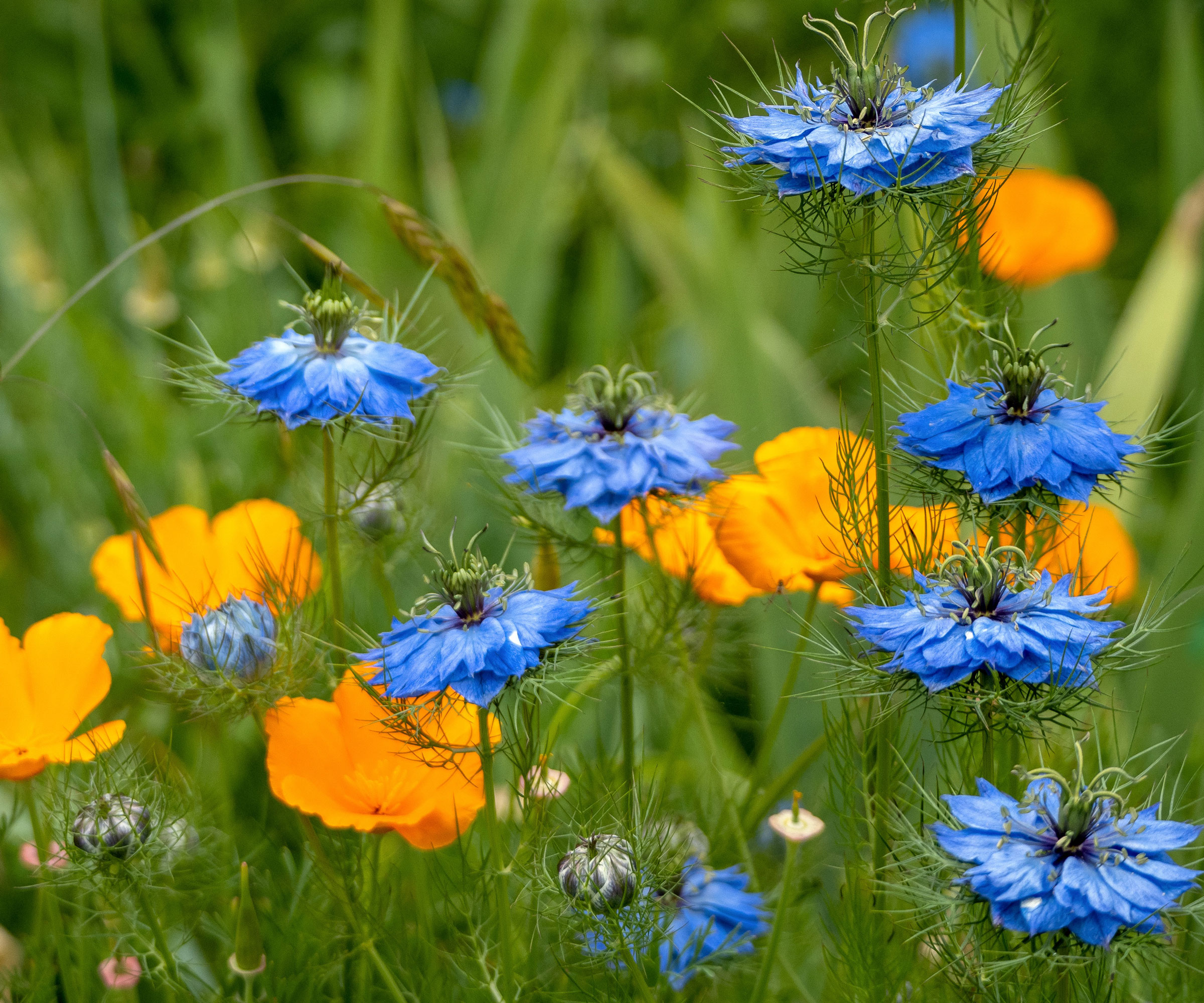
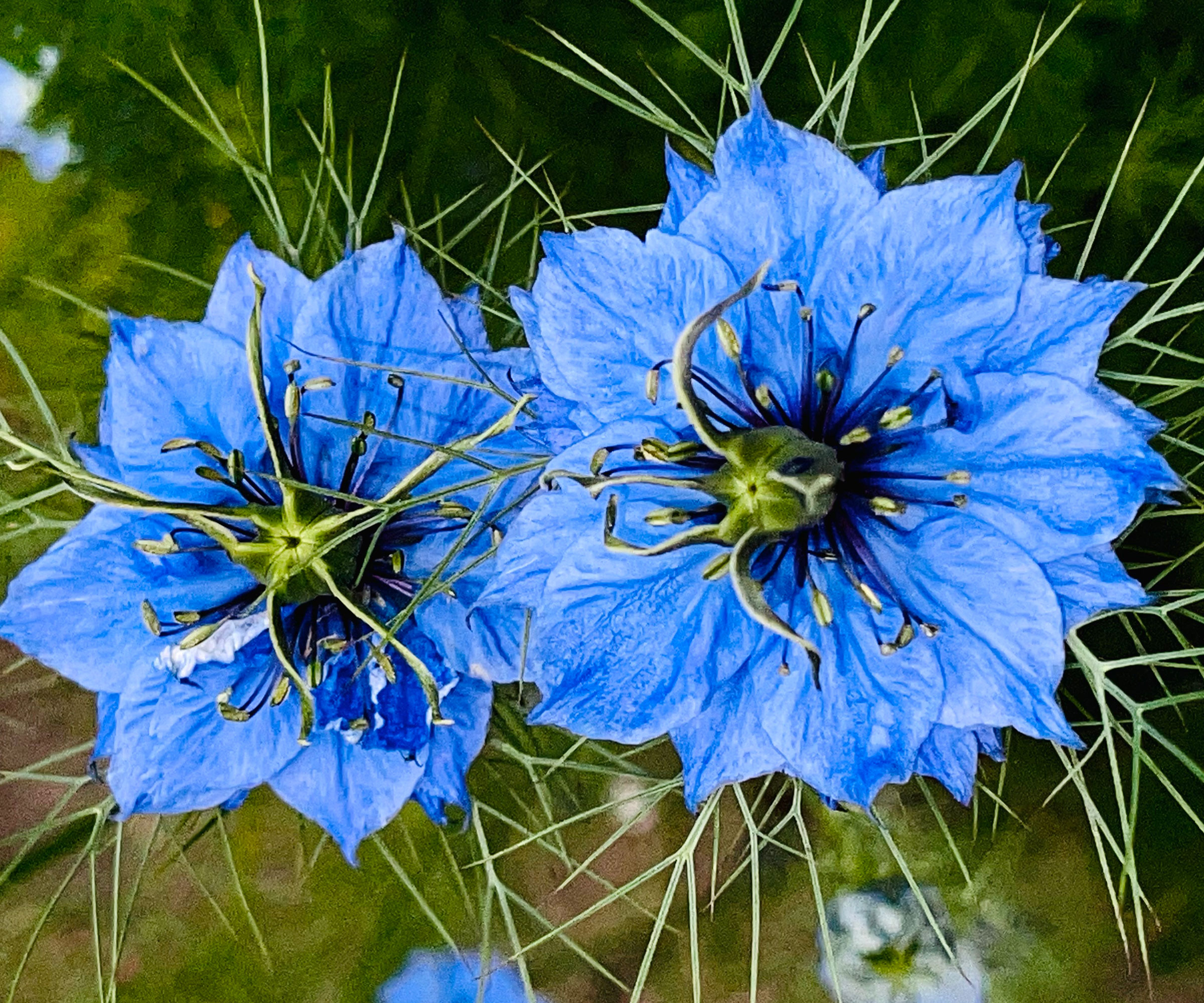
The spectacular seed pods are half the reason to grow love-in-a-mist (Nigella damascena). Once the whimsical, feathery blue, pink, or white blooms drop their petals in June, the center of each flower swells into a balloon-shaped papery capsule adorned with deep maroon stripes. When these capsules fully ripen, they develop small vents at the top, allowing the black seeds to spill out and scatter into the soil. Nigella hates being transplanted, so allowing the plant to self-sow naturally results in healthier, happier, more productive specimens.
This old-fashioned favorite thrives in full sun or partial shade in zones 2-11, adapting to almost any soil type, as long as it doesn't hold standing water. They look right at home alongside cottage classics like larkspur or fluffy 'Zinderella Lilac' Zinnia Seeds from Eden Brothers, weaving open gaps together with dreamy, fine-textured foliage. To support parent plants through the reproductive phase, add a light sprinkle of Dr Earth Premium Gold All Purpose Fertilizer from Lowe’s around the base to deliver a gentle, organic nutrient release.
Shop Cottage Garden Classics
Hopefully you’ve set up next year’s flower show in style, but if you’re keen to make a headstart on some fresh cottage garden color, this trio is the ultimate shortcut to a seamless high-impact landscape. These hardy cottage champions settle in with lightning speed, requiring minimal fuss while they establish robust root systems. Introduce this vibrant flowering trio to your yard for even more dazzling blooms.
 Pastel Pretty
Eden Brothers
Zinnia Zinderella Lilac
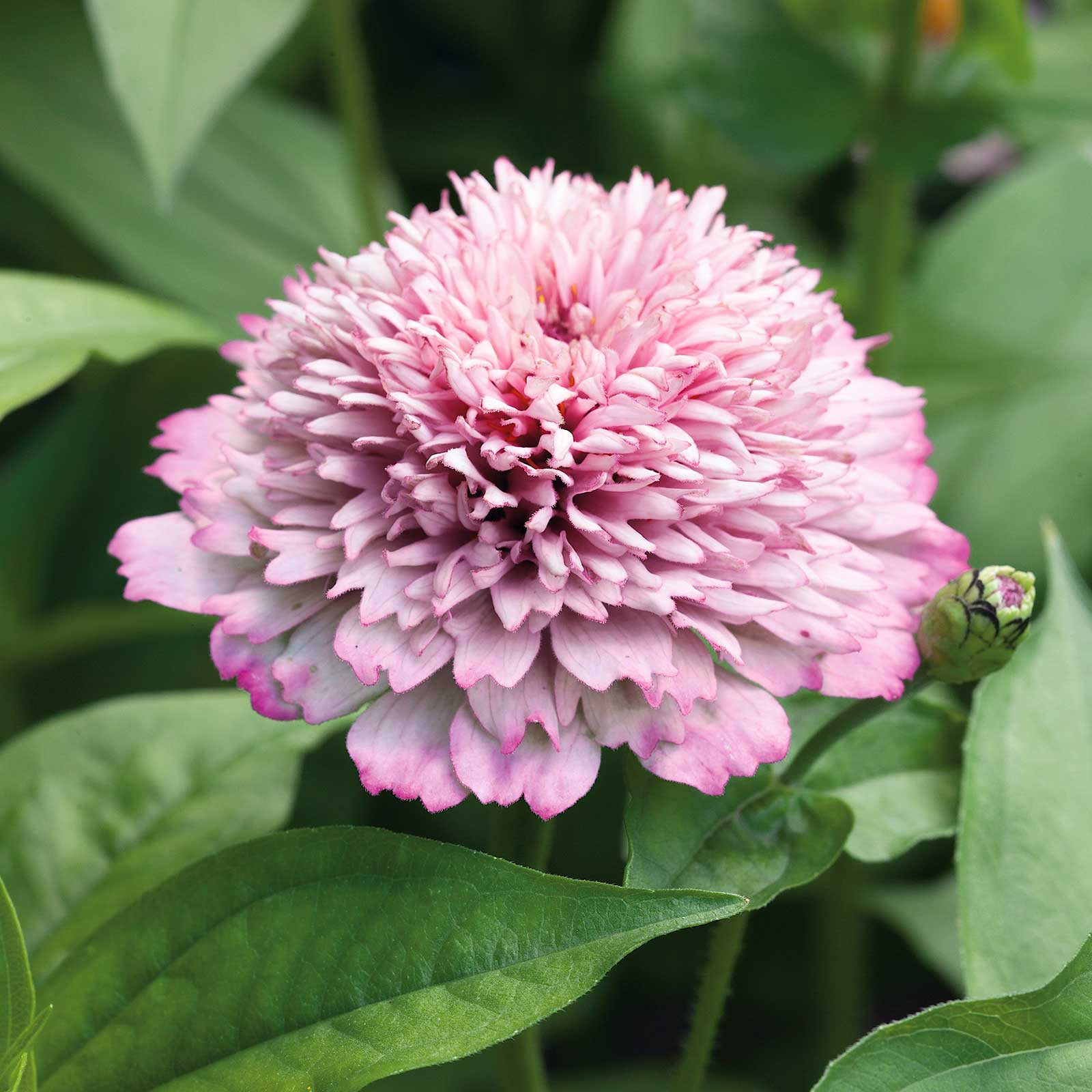
This zinnia is an enchanting fluffy cool pale purple that contrasts beautifully with white, pink and blue love-in-a-mist. It offers mid-border height, disease resistance, and exquisite double-petaled texture for cool cottage allure.
 Pollinator Magnet
Eden Brothers
Purple Coneflower Seeds
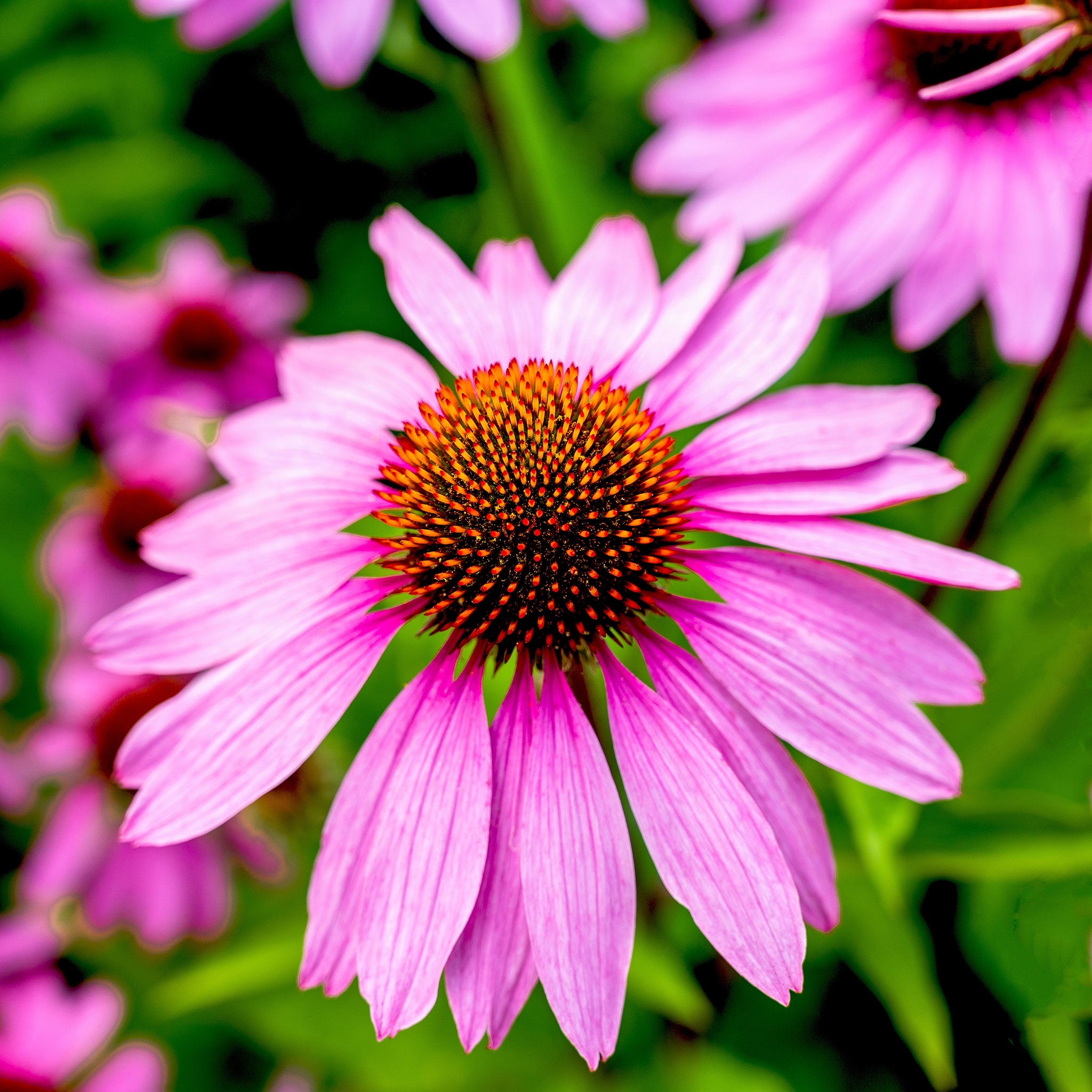
You’ll love this iconic American native for structure and endless pollinator appeal in the middle of your borders. Once established, it shrugs off intense summer heat and self-sows beautifully if left undeadheaded in late summer.
 Zingy Wonder
Nature Hills Nursery
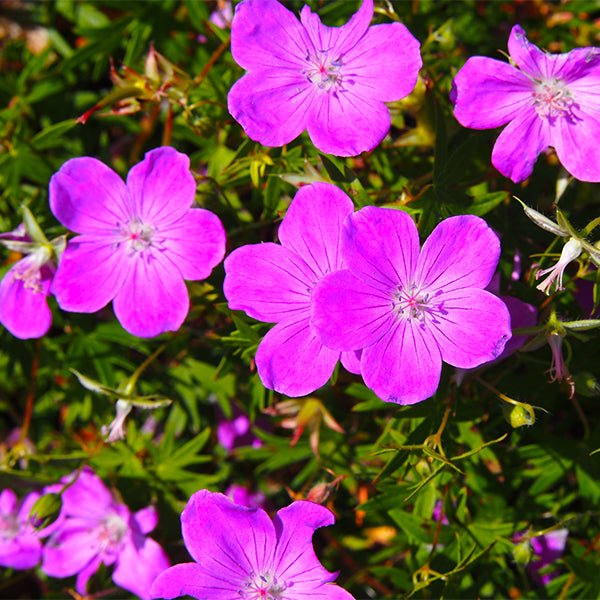
Max Frei Bloody Cranesbill
Flurries of hot pink petals make a gorgeous contrast to softer, traditional cottage tones. This pretty hardy geranium weaves borders together quickly, flowing effortlessly into empty gaps and blooming until first frost.
Need more ideas for timely gardening jobs and seasonal expert advice delivered straight to your inbox? Sign up for the free Gardening Know How Newsletter!















 English (US) ·
  French (CA) ·