

 6 hours ago
15
PROTECT YOUR DNA WITH QUANTUM TECHNOLOGY
Orgo-Life the new way to the future Advertising by AdpathwaySuspected spontaneous coronary artery dissection warrants urgent diagnostic clarification rather than the automatic exclusion of guideline-indicated reperfusion, according to a clinical thesis published in the Hellenic Journal of Cardiology. Clinicians must distinguish between three distinct clinical stages: undifferentiated ST-elevation myocardial infarction prior to angiography, STEMI presenting with clinical features raising suspicion of SCAD, and angiographically confirmed SCAD.
During the initial two stages before anatomical confirmation, clinical management depends on symptom duration, contraindications, individual bleeding risk, and the practical availability of timely primary percutaneous coronary intervention. While primary PCI remains the preferred strategy, eligible patients who cannot receive it within guideline timeframes may require emergency fibrinolysis followed by immediate transfer. However, once coronary angiography confirms SCAD, clinicians should avoid fibrinolysis because of the potential risk of dissection propagation and intramural haematoma expansion.
This management framework aligns with the evolving clinical understanding of myocardial infarction with non-obstructive coronary arteries, which reinforces the critical distinction between clinical presentation and underlying mechanism. Crucially, MINOCA cannot be diagnosed from an initial presenting electrocardiogram; non-obstructive coronary anatomy must first be demonstrated before the underlying cause can be thoroughly investigated. The 2026 Fifth Universal Definition emphasises the provisional nature of this construct, applying the term myocardial injury with non-obstructive coronary arteries.
Potential ischaemic mechanisms responsible for this presentation include SCAD, plaque disruption, coronary embolism, vasospasm, and microvascular dysfunction. In contrast, conditions such as myocarditis and Takotsubo syndrome represent alternative non-coronary diagnoses rather than established coronary infarction mechanisms, and not every SCAD event meets non-obstructive angiographic criteria. These diagnostic complexities highlight why immediate clinical presentation alone cannot reliably determine the precise coronary pathology driving acute myocardial injury.
Observational evidence from the Canadian SCAD Study highlights the persistent evidentiary uncertainty surrounding pre-angiographic thrombolytic administration. Among 351 patients presenting with SCAD-associated STEMI in the study, 64 individuals received thrombolysis prior to coronary angiography, predominantly with tenecteplase, and major in-hospital outcomes did not differ significantly. While these observational findings challenge conventional assumptions of inevitable substantial harm, observational selection, confounding factors, and limited statistical power for rare complications preclude definitive claims of safety equivalence or therapeutic efficacy. Furthermore, clinical improvement following thrombolysis does not establish that fibrinolysis treated the arterial dissection.
Following angiography, unresolved mechanisms require selective diagnostic evaluation because standard angiographic assessment alone is not always definitive. Intracoronary imaging can clarify ambiguous coronary lesions; however, mechanical instrumentation carries a documented risk of extending an arterial dissection and must be reserved for circumstances where diagnostic benefit clearly outweighs procedural risk. In addition, cardiac magnetic resonance imaging can reliably distinguish myocardial infarction from myocarditis or Takotsubo syndrome, while coronary functional testing may be appropriate when vasomotor or microvascular disease remains suspected.
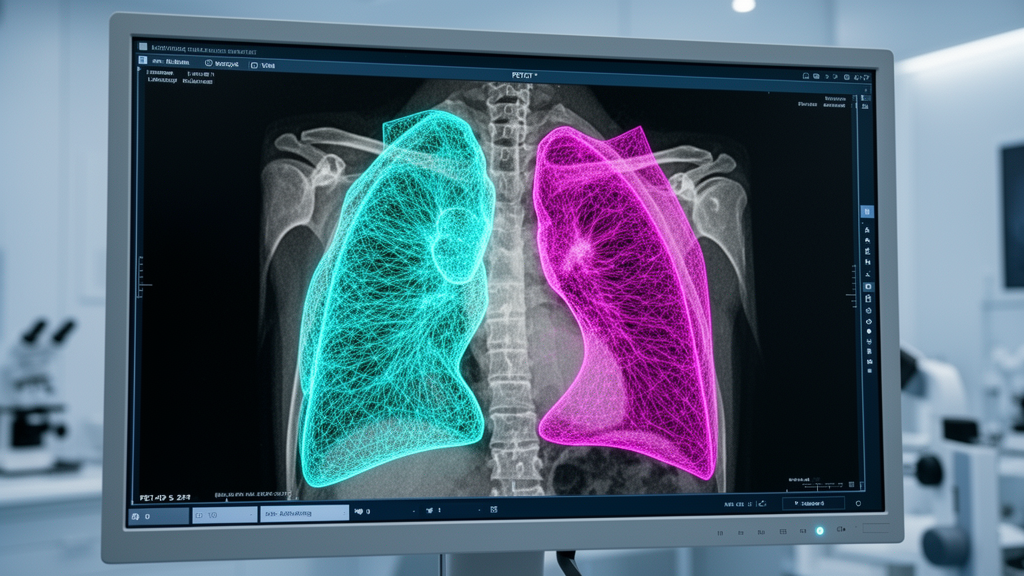
Emerging artificial intelligence tools could eventually refine this clinical pathway through electrocardiogram interpretation, multimodal clinical risk prediction, and computer-vision analysis of coronary angiography. Nevertheless, these computational approaches remain strictly investigational for SCAD-specific treatment selection, as no validated AI tool currently exists to determine when clinicians should withhold fibrinolysis. Consequently, researchers emphasize that suspected SCAD must intensify diagnostic vigilance and expedite angiography, while the next major research priority remains a prospectively validated, mechanism-aware pathway integrating timely reperfusion, diagnostic confirmation, and carefully evaluated AI support.
Subject of Research: Reperfusion strategies and diagnostic pathways for suspected spontaneous coronary artery dissection in STEMI
Article Title: Fibrinolysis in STEMI in the Modern Era: When the Coronary Mechanism Is Still Unknown
Article References: Alexiou, S., Theodoropoulos, K. C., Ziakas, A., Fragakis, N., & Kassimis, G. (2026). Fibrinolysis in STEMI in the Modern Era: When the Coronary Mechanism Is Still Unknown. Hellenic Journal of Cardiology. https://doi.org/10.1016/j.hjc.2026.11.001
Image Credits: AI Generated
DOI: 10.1016/j.hjc.2026.11.001
Keywords: STEMI, spontaneous coronary artery dissection, fibrinolysis, percutaneous coronary intervention, coronary angiography, intramural haematoma, MINOCA, tenecteplase, Canadian SCAD Study, cardiac magnetic resonance, intracoronary imaging, myocarditis, Takotsubo syndrome, microvascular dysfunction, coronary vasospasm, Fifth Universal Definition, artificial intelligence in cardiology



















 English (US) ·
 French (CA) ·