

 1 hour ago
2
PROTECT YOUR DNA WITH QUANTUM TECHNOLOGY
Orgo-Life the new way to the future Advertising by AdpathwayA recent systematic review published in Translational Psychiatry has established that psychiatric symptoms are prevalent, phase-dependent manifestations among adults diagnosed with gliomas. By synthesizing evidence from 130 studies involving diverse cohorts, researchers found that these psychiatric conditions are not merely comorbidities but are deeply embedded in the clinical trajectory of the disease, shaped significantly by tumor-related characteristics and the impact of active oncological treatments. The study highlights the need for more systematic screening and targeted management strategies during specific, high-risk phases of the glioma illness, particularly as these manifestations can profoundly influence patient outcomes and functional status.
The research team conducted a rigorous search of major medical databases—including PubMed, CINAHL, and PsycInfo—covering studies from inception up to September 1st, 2025. By adhering to PRISMA guidelines and evaluating risk of bias through the ROBINS-E framework, the authors identified that depressive and anxiety symptoms are the most frequently occurring psychiatric issues in this patient population. Depressive symptoms were identified in 20% to 55% of patients, while anxiety symptoms were reported in 20% to 58%. These affective disturbances do not occur in isolation but are often linked to broader clinical outcomes, with depressive states showing a notable association with higher tumor grades, functional decline, and poorer survival rates.
In contrast to the prognostic indicators seen in depression, anxiety symptoms appear to be primarily associated with reductions in overall quality of life. The review suggests that anxiety follows inconsistent prognostic patterns, displaying distinct phase-dependent fluctuations that mirror different stages of the glioma journey.
Beyond the primary affective disorders, the review documented a spectrum of non-affective psychiatric manifestations. Patients with gliomas also experience psychotic symptoms, personality traits, sleep disturbances, obsessive symptoms and eating disturbances, along with post-traumatic stress symptoms. These manifestations were less frequently reported and tended to occur in specific clinical contexts, such as the peri-operative or treatment phases, or in association with involvement of specific neuroanatomical regions.
The study emphasizes that the current recognition and characterization of these symptoms remain limited in routine clinical practice. The authors concluded that psychiatric symptoms are integral, phase-dependent features of the glioma trajectory, shaped by tumor-related factors and active treatments. The authors also concluded that screening and management should be prioritized at clinically high-risk stages.
Future research efforts must move toward integrating standardized psychiatric assessments directly with longitudinal tumor-related variables.
Subject of Research: Neurological oncology and psychiatric comorbidity in glioma patients
Article Title: Psychiatric symptoms in gliomas: a systematic review
Article References: Bardi, F., Monacelli, L., Caso, R., Stella, G., Kotzalidis, G. D., Montanari, S., Janiri, D., Boele, F. W., Sani, G., & Simonetti, A. (2026). Psychiatric symptoms in gliomas: a systematic review. Translational Psychiatry. https://doi.org/10.1038/s41398-026-04452-1
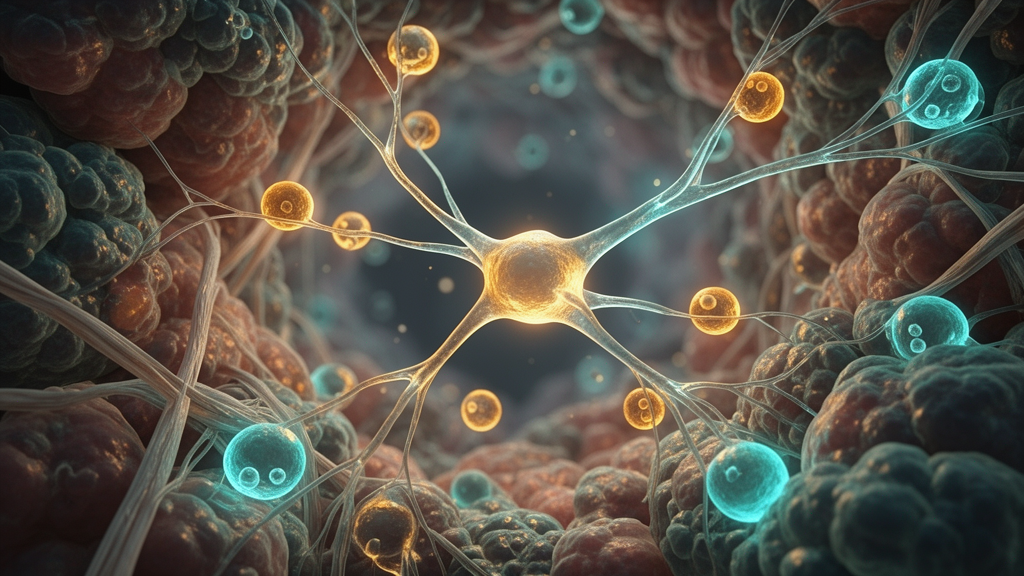
Image Credits: AI Generated
DOI: 10.1038/s41398-026-04452-1
Keywords: glioma, psychiatric symptoms, systematic review, neuro-oncology, depression, anxiety, quality of life, tumor grade, peri-operative care, psychosomatic medicine, prognostic factors, functional impairment, neuroanatomy, longitudinal trajectory, supportive care
















 English (US) ·
 French (CA) ·