

PROTECT YOUR DNA WITH QUANTUM TECHNOLOGY
Orgo-Life the new way to the future Advertising by AdpathwayHighlights
Tanzania is one of the top birding destinations in the world. The country boasts an extraordinary wealth of birdlife; in fact, more than 10% of the world’s birds and half of Africa’s are found here. There are 1156 recorded birds; of these, more than 30 are endemics, more than 800 are residents, 4 are introduced, more than 200 are migrants, and 56 are of global concern. This amazing country holds part of several endemic bird areas (EBAs), which is unrivalled anywhere else on the continent.
Birds are randomly distributed, and each species has a characteristic geographical range which varies from extremely small and localised, such as the endemic Beesly’s Lark, to the virtually worldwide Barn owl. At a local scale, bird distributions are determined largely by habitat types, from the icy-capped Mt Kilimanjaro to the rolling grasslands of the great Serengeti plains to the Miombo woodlands of Mikumi National Park to the Afrotropical Montane forest of the Eastern Arc mountains to the blue waters of the Indian Ocean; there are always birds of a different feather.
There are 6 biome areas in Tanzania which host different specialities: the Guinea-Congo tropical forest with 56 species, the Lake Victoria basin with 11 species, the Afrotropical islands with 91 species, the Somali-Maasai arid zone with 77 species, the East Coast with 26 species and the Zambezian biome with 40 species. In addition, there are 3 secondary endemic bird areas: the South Western Tanzania swamps, the Kilombero flood plains and the dry woodlands of Lake Victoria.
Depending on what you want to see, birding is pleasant all year round. For Palearctic migrants, the best time is from September to April, and for resident birds and other afro-migrants any time of the year.
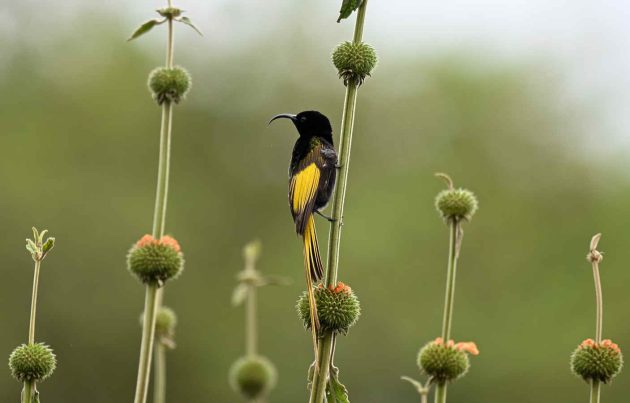
Golden-winged Sunbird
Key Bird Species and Families
- Some of the key bird families are the likes of Modulatricidae, which is a unique family comprising the rare Spot-throat, Dapple-throat, and Grey-chested Kakamega
- Other key species are endemics such as Iringa Akalat, Usambara Akalat, Usambara Hyliota, Usambara Weaver, Usambara Greenbul, Usambara Thrush, Usambara Double-collared Sunbird, Tanzanian Red-billed Hornbill, Grey-breasted Spurfowl, Kilombero Weaver, Kilombero Cisticola, White-tailed Cisticola, Loveridge’s and Moreau’s Sunbird, Grey-throated Mountain Greenbul, Uluguru Greenbul, Winifred’s Warbler, Uluguru Bushshrike, Hoffmann’s Sunbird, Rubeho Akalat, Rubeho Warbler, Rufous-winged Sunbird, Udzungwa Forest Partridge, Pemba Sunbird, Pemba White-eye, Pemba Green Pigeon, Pemba Scops Owl, Long-billed Forest Warbler and of course near endemics such as Maasai Apalis, Usambiro Barbet, Southern Grosbeak-Canary, Red-throated Tit, Mbulu White-eye, Eastern Double-collared Sunbird, Uluguru Violet-backed Sunbird, Amani Sunbird, and more. Others that are worth mentioning include Cinnamon-breasted Tit, Purple-throated Cuckooshrike, Grey-capped Warbler, Variable Indigobird, Miombo Wren-Warbler, Stierling’s Wren-Warbler, Pel’s Fishing Owl, Livingstone’s Flycatcher and Turaco, Coastal Cisticola, Fischer’s Turaco, Somali Bunting, Somali Tit, Somali Prinia, Golden-breasted Starling, Vulturine Guineafowl, and plenty of others.
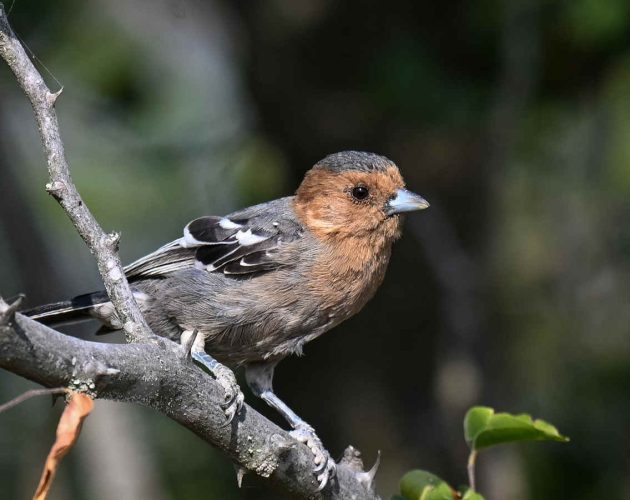
Red-throated Tit
Best Regions for Birding
Usambara Mountains: which include the East and West Usambaras and have lots of endemics and range-restricted species such as Usambara Weaver, Usambara Akalat, Usambara Greenbul, Red-capped Forest Warbler, Spot-throat, Usambara Hyliota, Banded Green Sunbird, Usambara Thrush, and more.
Northern Tanzania parks: which include the mighty Serengeti, Tarangire, Lake Manyara, Ngorongoro Conservation Area, Arusha National Park, Mkomazi National Park, Mererani Maasai Steppes, and Engikaret the Lark Plains, with key species such as Beesley’s Lark, Kilimanjaro White-eye, Yellow-collared and Fischer’s Lovebirds, Ashy Starling, Grey-breasted Spurfowl, Northern Pied Babbler, Grey-crested Helmetshrike, and more than 650 other bird species that can be seen during a two-week trip.
Southern Tanzania National Parks: which include Nyerere (formerly Selous), Mikumi, Ruaha, Udzungwa, and Kitulo National Parks, where birds such as Udzungwa Forest Partridge, White-lined Barbet, Crested Guineafowl, Miombo Double-collared Sunbird, Miombo Wren-Warbler, Little Spotted and Reichenow’s Woodpeckers, Piping Cisticola, White-crowned Lapwing, Racket-tailed Roller, Grey Go-away-bird, and Swallow-tailed and Böhm’s Bee-eaters can easily be seen.
Forest and mountain reserves of southern Tanzania: which include the Ukaguru, Uluguru, Rubeho, and Mount Rungwe Forest Reserves, as well as other key hotspots such as Kisolanza Farm, Kiponzelo Marsh, Mufindi Farm, Lake Nyasa at Matema, Lake Ngozi, Kilombero Swamp, and Kilosa Road.
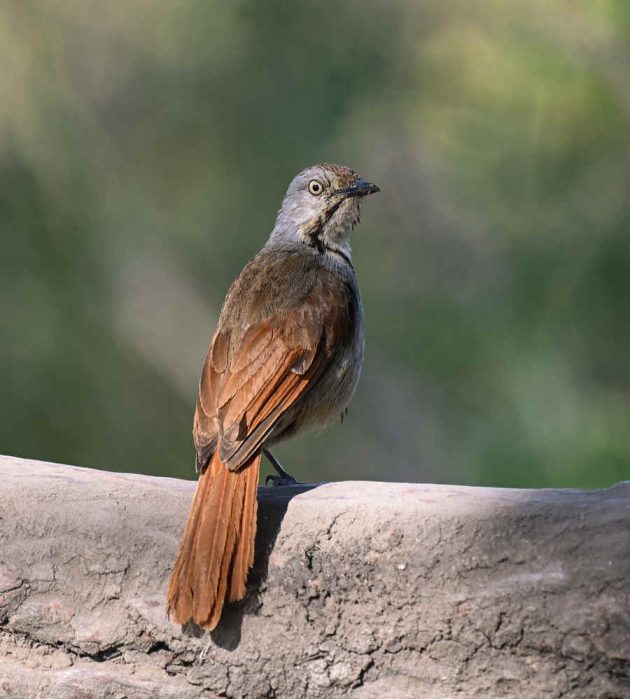
Collared Palm Thrush
Best Birding Season
To see birds in their full breeding plumage and for good photographic opportunities, visitors should come here between Novermber to late June. For southern Tanzania, I recommend coming from June -Feb.
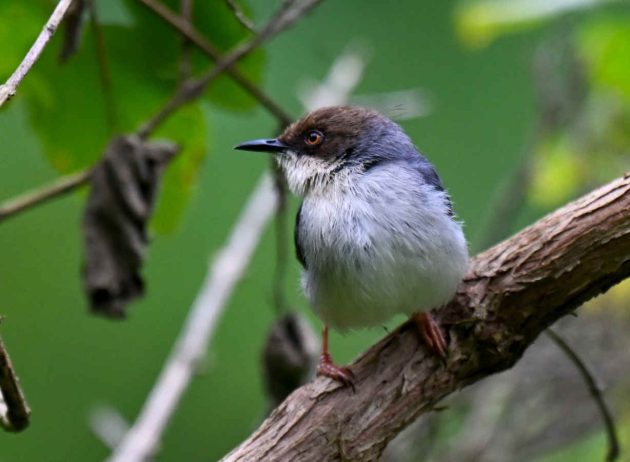
Brown-headed Apalis
Birding Trip Suggestion(s)
Northern Tanzania and Usambara Endemics tour:
- Arrival in Arusha(1 night)
- Kisangara and South Pare (one night)
- West Usambara (two nights)
- East Usambara (3 nights)
- Arusha (1 night)
- Arusha National Park (1 night)
- Serengeti National Park (2 nights)
- Ngorongoro Crater(1 night)
- Endoro trail-Tarangire Np (2 nights)
- Arusha(one night)
- Mererani Maasai Steppes- to drop off
Such a trip above produces 400-470 species in two weeks, depending on the season
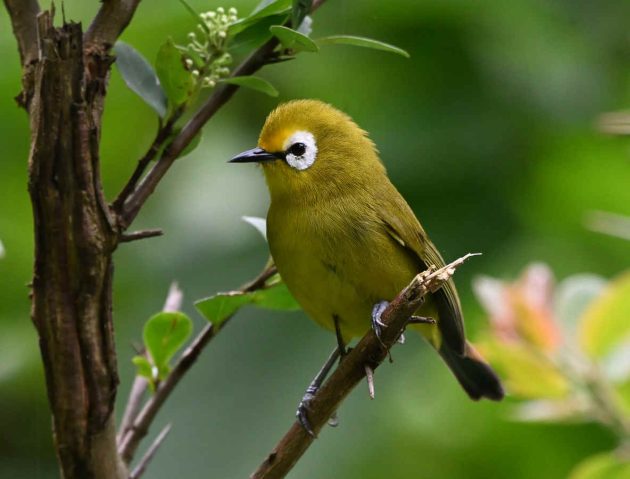
Mbulu White-eye
Practical Tips
- Always have insect repellents with you, a raincoat, and warm clothing; good hiking boots are required in some places
- Change some money to local currency, though most of the hotels and lodges do take dollars
- Learn some Swahili words like saying thank you, welcome, and hi
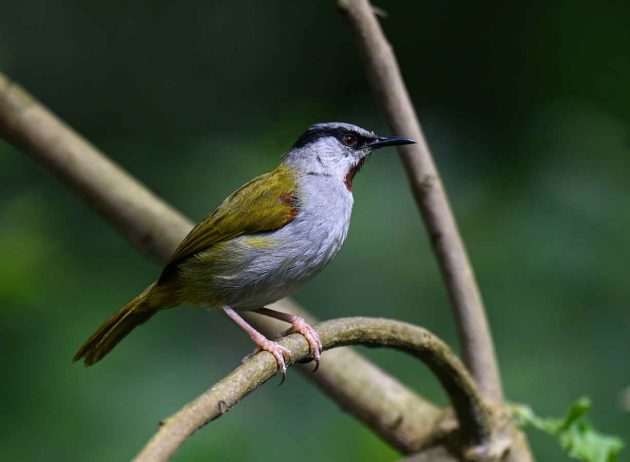
Grey-capped Warbler
Books
- Birds of East Africa by Terry and Stevenson Fanshawe
- Birds of Africa south of the Sahara
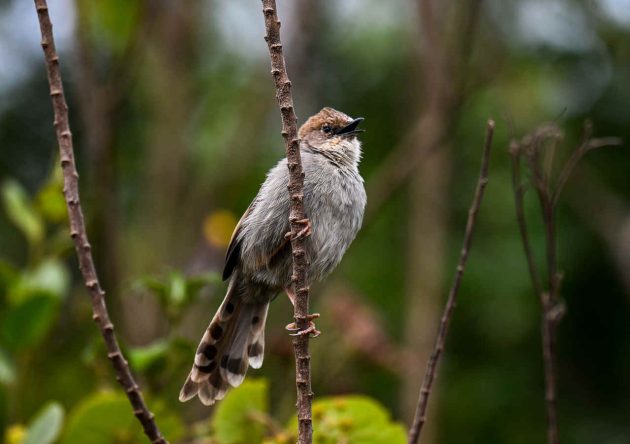
Hunter’s Cisticola
Links
- www.villageweaverbirding.com
- www.riobasafaris.com
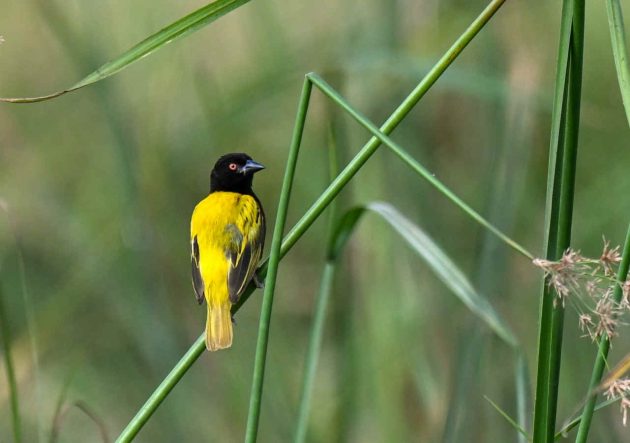
Golden-backed Weaver
By Isaac Kilusu
Isaac Kilusu is a bird guide in East Africa and can be reached via [email protected] or simply check www.villageweaverbirding.com
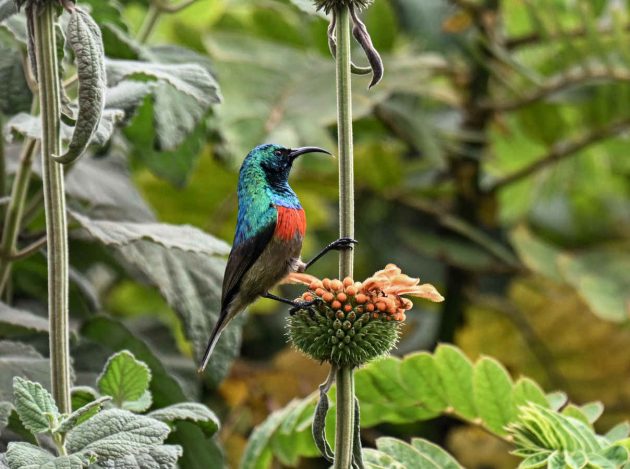
Eastern Double-collared Sunbird
“Tanzania map-en” by Tanzania_map-fr.svg: Sémhur Translation: Jen is licensed under CC BY-SA 4.0.

















 English (US) ·
  French (CA) ·