

Think you need an impressive country estate to help pollinators? Not so! Your perfectly ordinary backyard garden or urban patio can be enough to host a thriving ecosystem if you use smaller, high-reward plants. These compact, high-impact container champions offer massive value without requiring a football-field-sized space to call their own.
Anyone who has the desire to offer bees, butterflies, and hummingbirds the nectar they need can do so in a pollinator garden, no matter how diminutive the space. We’ve found the perfect plants to get you on your way – all of them small but mighty.
Choosing Pint-Size Pollinator Superheroes
When it comes to putting in a pollinator garden, think containers. These “pocket ecosystems” are ideal for smaller nectar-rich plants for obvious reasons: the shorter plants won’t get shadowed or elbowed out by taller or pushier rivals. And it’s easier to give plants in containers the soil (moist and well-draining) and the sunlight that they require. You can even move the containers around the patio as the seasons turn.
If you choose compact plants with tubular or open-stamen flowers, it’s easier for your pollinator friends to get their breakfast. If you wish to attract a specific pollinator species, pick the flower shape they prefer, e.g. deep, tube-shaped blossoms for hummers. But don’t be surprised to see a variety of different pollinators arrive.
Summer Container Planting Essentials
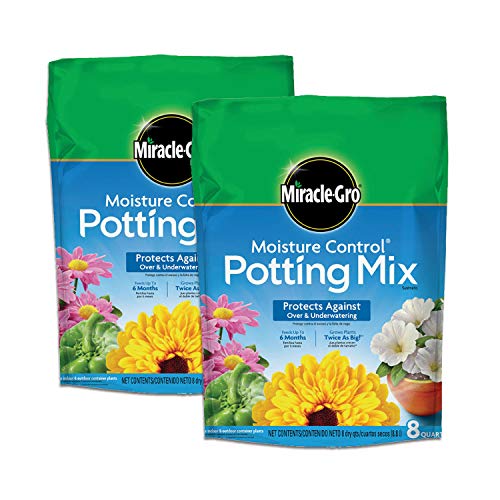
Miracle-Gro Moisture Control Potting Mix
This special formula is designed to absorb up to a third more water than basic potting soil and feeds plants for up to 6 months.
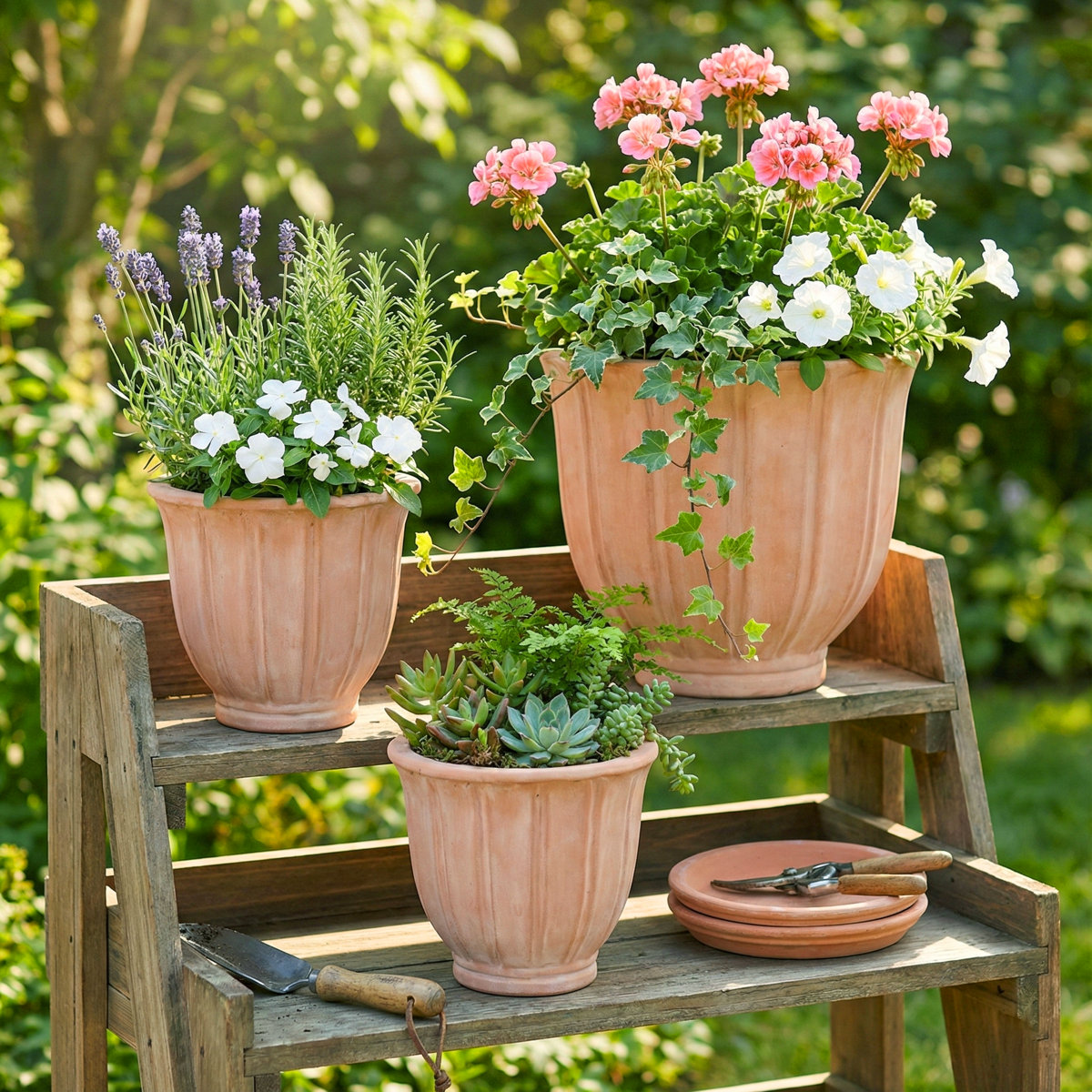
August Grove Set of 3 Pottery Clay Planters With Ribbed Detailing
This trio of handcrafted planters adds a charming touch to the patio, with the different sizes creating a visual rhythm in the space.
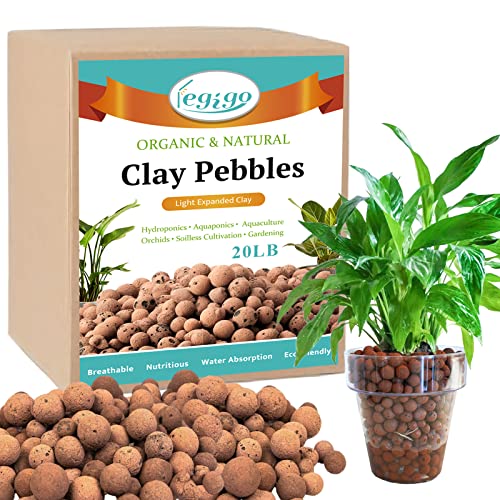
Legigo 19 Lbs Organic Leca Clay Pebbles for Plants
Try topping pots with clay pebbles to help retain moisture in the potting soil in summer.
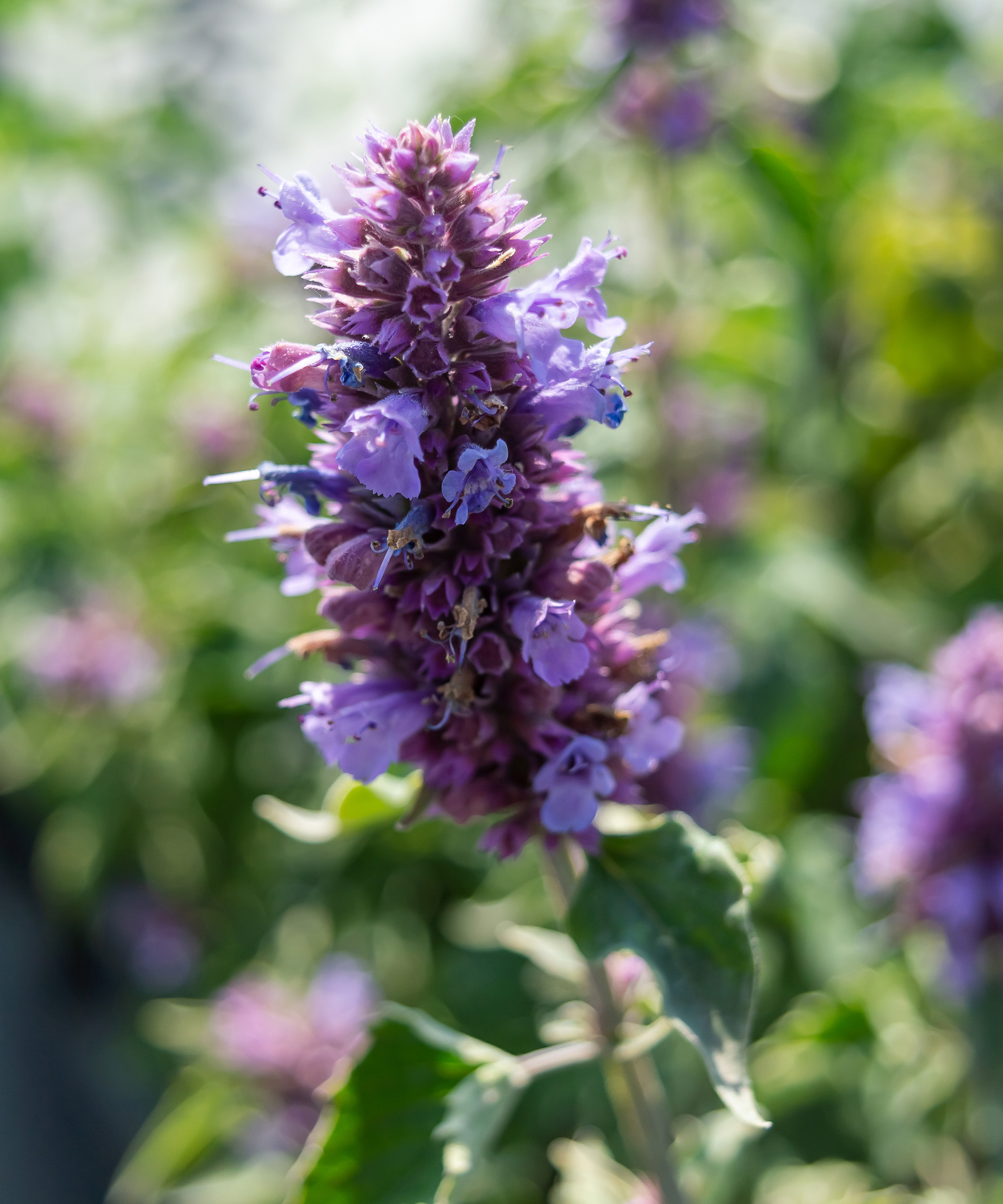
1. 'Blue Boa' Agastache (Anise Hyssop)
(Image credit: Getty Images)
‘Blue Boa’ is an Agastache hybrid, offering showier flowers and better winter hardiness than the species plant. This cultivar, available from Plant Addicts, is loved for its aromatic leaves and frothy, lilac-blue blooms that attract the entire range of pollinators, from bees to butterflies to hummingbirds.
These bold, attractive plants are hardy in USDA zones 5-9 and need a sunny location and well-draining soil. Never plant any Agastache in clay soil or soil that retains water.
‘Blue Boa’ plants can grow to 3 feet (90 cm) high and half that wide. The pollen-rich flowers grow on 6-foot (2 m) terminal spikes, and the long bloom show lasts from June through September. Consider ‘Blue Boa’ for patio butterfly gardens or cottage gardens.
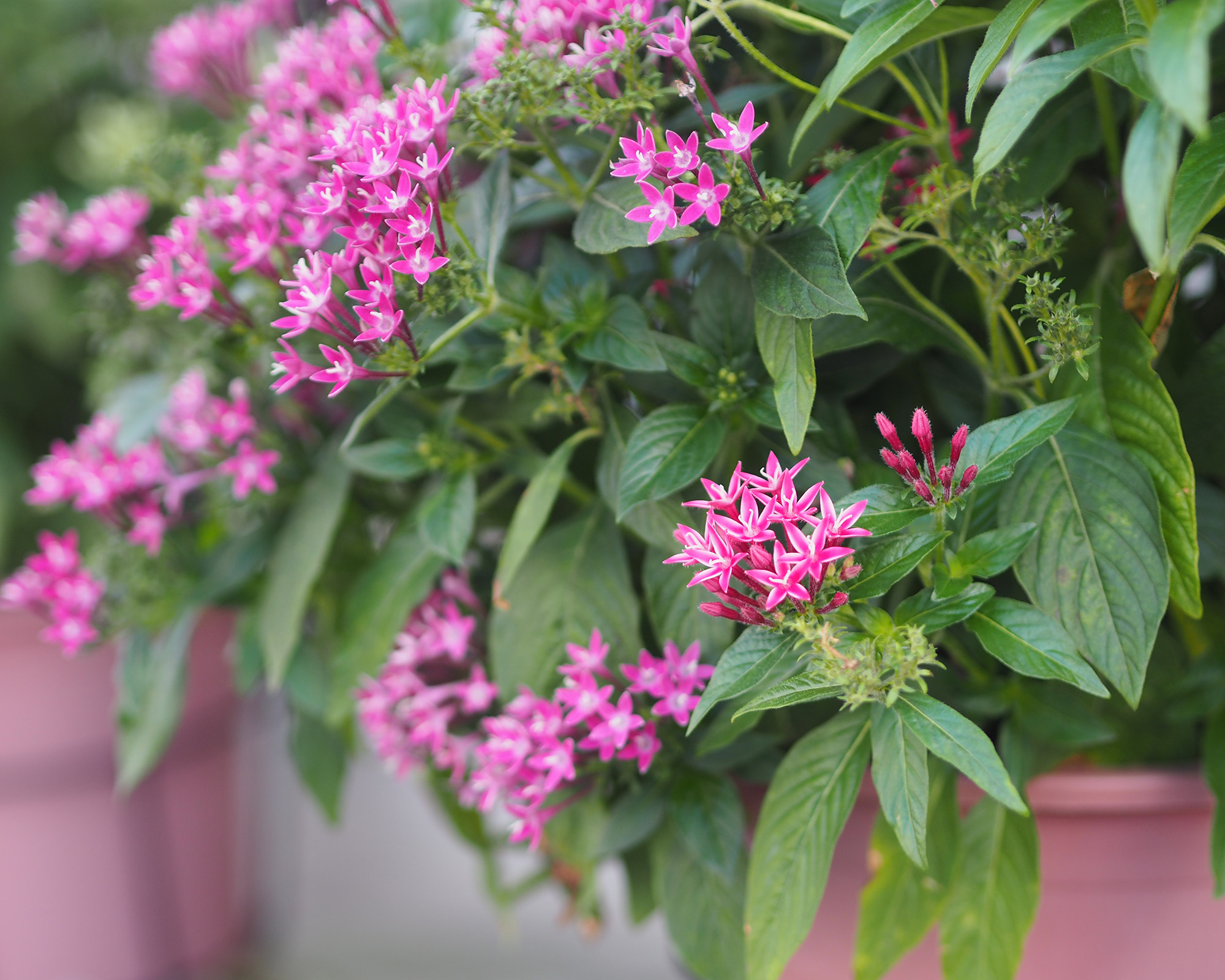
2. Dwarf Pentas (Pentas lanceolata)
(Image credit: Getty Images)
Dwarf pentas – or Egyptian starcluster plants – top out at 1–3 feet (30–90 cm), forming a dome of lush green foliage. Popular varieties include the Lucky Star and Star Bright series – you can pick up a three-pack of Lucky Star plants in 'lavender', 'red' and 'pink' from National Plant Network at Walmart.
While they are hardy in USDA zones 10 and 11, dwarf pentas are often grown as annuals in cooler climes. Plant in a full sun location with good drainage.
The upright plant is topped by star-shaped flowers in a multitude of shades that range from white to crimson. The Egyptian starcluster flowering period is long, from summer through early fall, and the nectar attracts bees, butterflies, and hummingbirds.
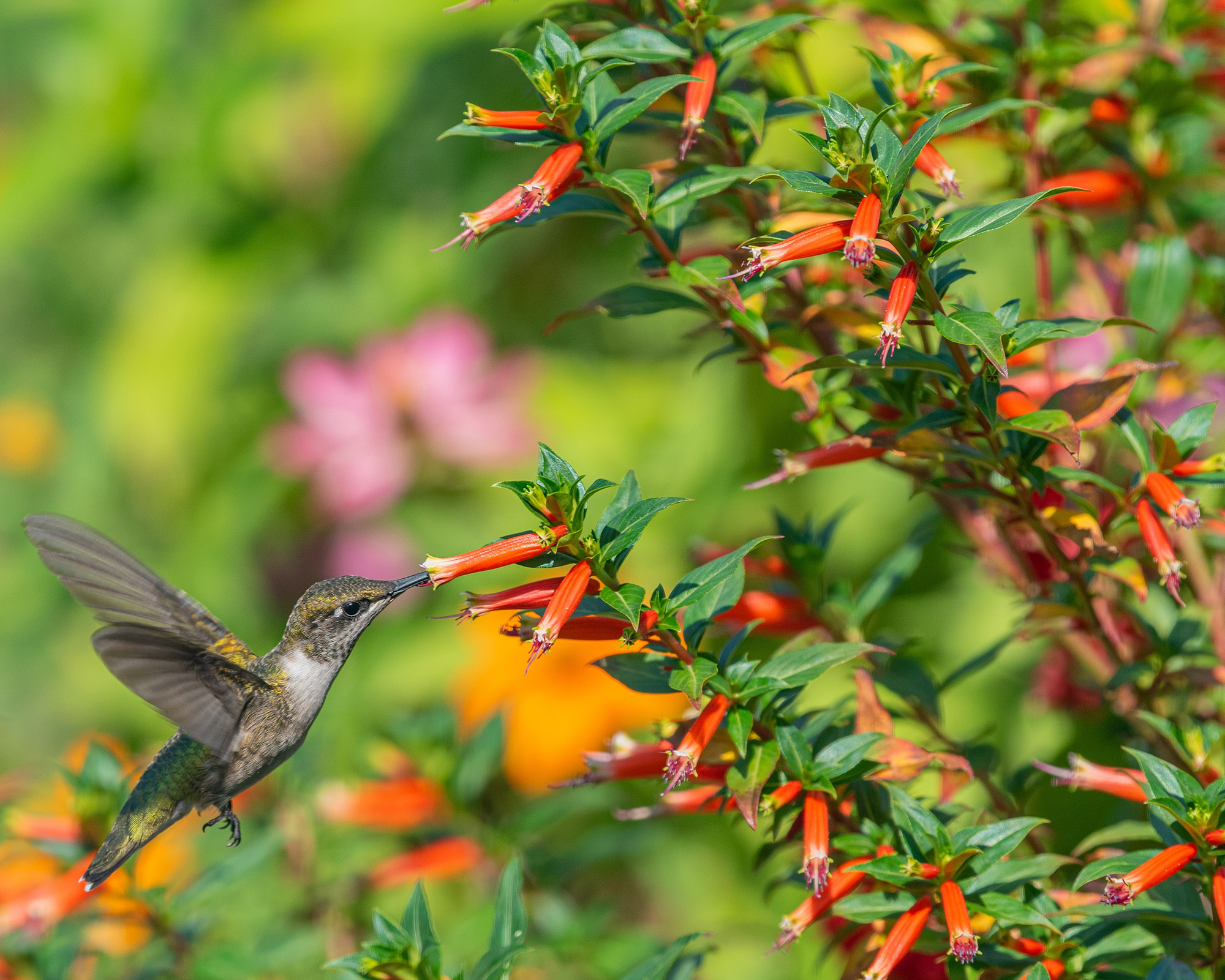
3. Large Firecracker Plant (Cuphea 'Vermillionaire')
(Image credit: Shutterstock)
The dense flowers of the large firecracker plant – bright orange tubular blossoms – are a magnet for pollinators, including butterflies and hummingbirds.
Available at Lowe's, Vermillionaire Large Firecracker Plant has a mounding habit and grows to 28 inches (70 cm) tall and almost as wide in both garden beds and containers.
It’s a low-maintenance gem if planted in full sun with well-draining soil. It is hardy in USDA zones 8-11, but is grown as an annual across most of the country.
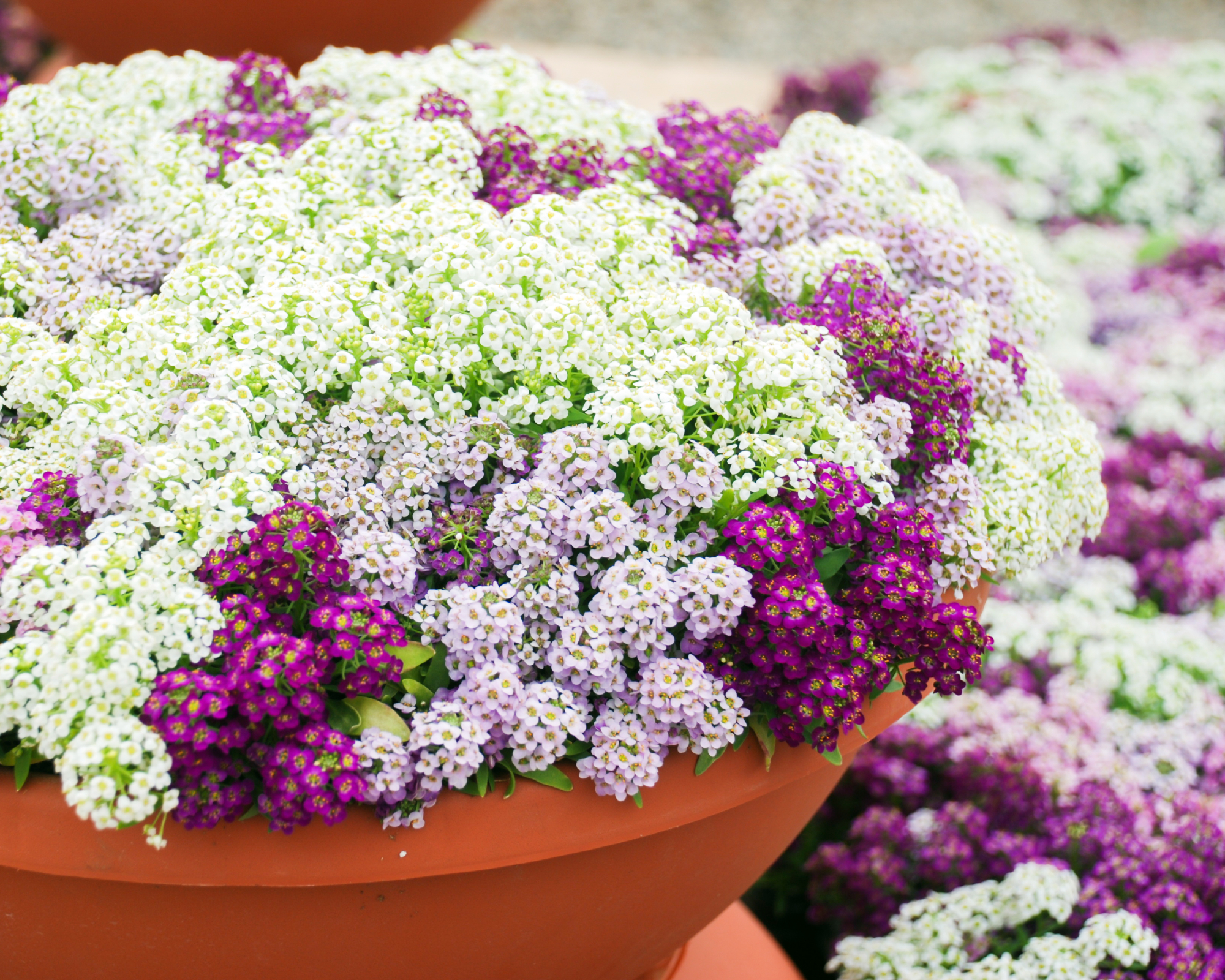
4. Sweet Alyssum (Lobularia maritima)
(Image credit: Getty Images)
When a plant is this easy to grow, you suspect it may be invasive, and sweet alyssum is considered invasive in some areas, where it is best kept to patio pots. This plant forms shallow-rooted mats of foliage with mounds (to 9 inches tall) of well-branched stems with lance-shaped, gray-green leaves.
It is hardy in zones 5–9 but is often grown as an annual. It needs a full sun location in cooler climates and partial sun in warmer climates.
Sweet alyssum is easy to grow from seed – pick up a four-variety pack from Seed Needs via Amazon.
From spring to early summer, the foliage is completely covered with masses of tiny, 4-petaled flowers (to 1” long). The flowers smell like honey and attract many pollinators, including bees, flower flies, stingless wasps, and butterflies. Its abundance of blossoms and long bloom period make it a particularly good nectar plant for beneficial insects.
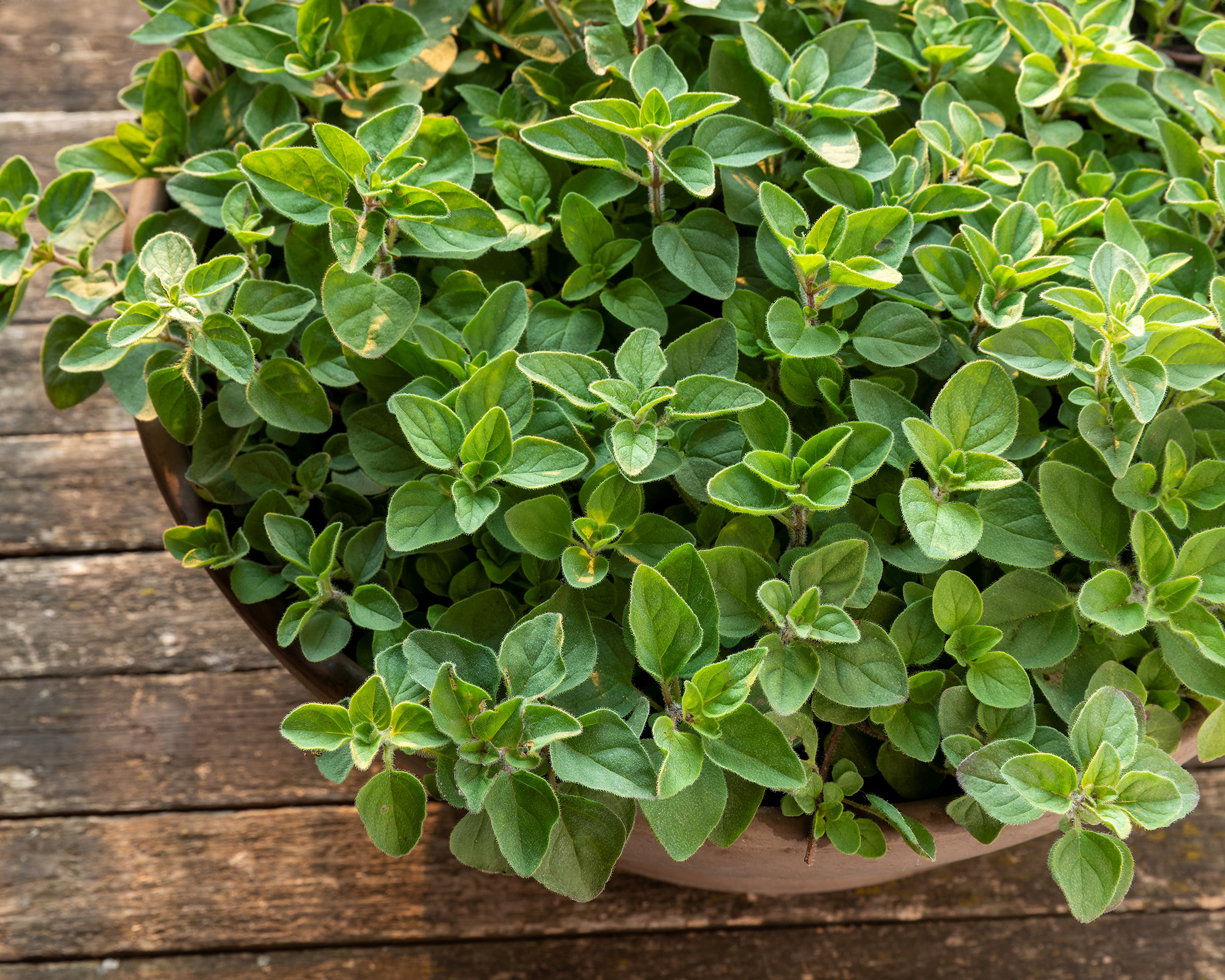
5. Greek Oregano (Origanum vulgare var. hirtum)
(Image credit: Shutterstock)
Yep, the aromatic, pungent leaves of this herb are the ones that you toss into your pasta sauce – usually after they are dried. But did you know that Greek oregano also produces pretty pink, mauve, or white flowers? Flowers appear in summer and early autumn and are compelling to bees and butterflies.
It's best to grow Greek oregano from seed, and you can pick up a pack from Isla's Garden Seed Company via Amazon.
Green oregano thrives in USDA zones 5-8 and grows to about 11 feet (30 cm) tall. It needs a sunny location and well-draining soil. It is remarkably drought-tolerant and free of insects and diseases.
6. Dwarf Coneflower (Echinacea purpurea)
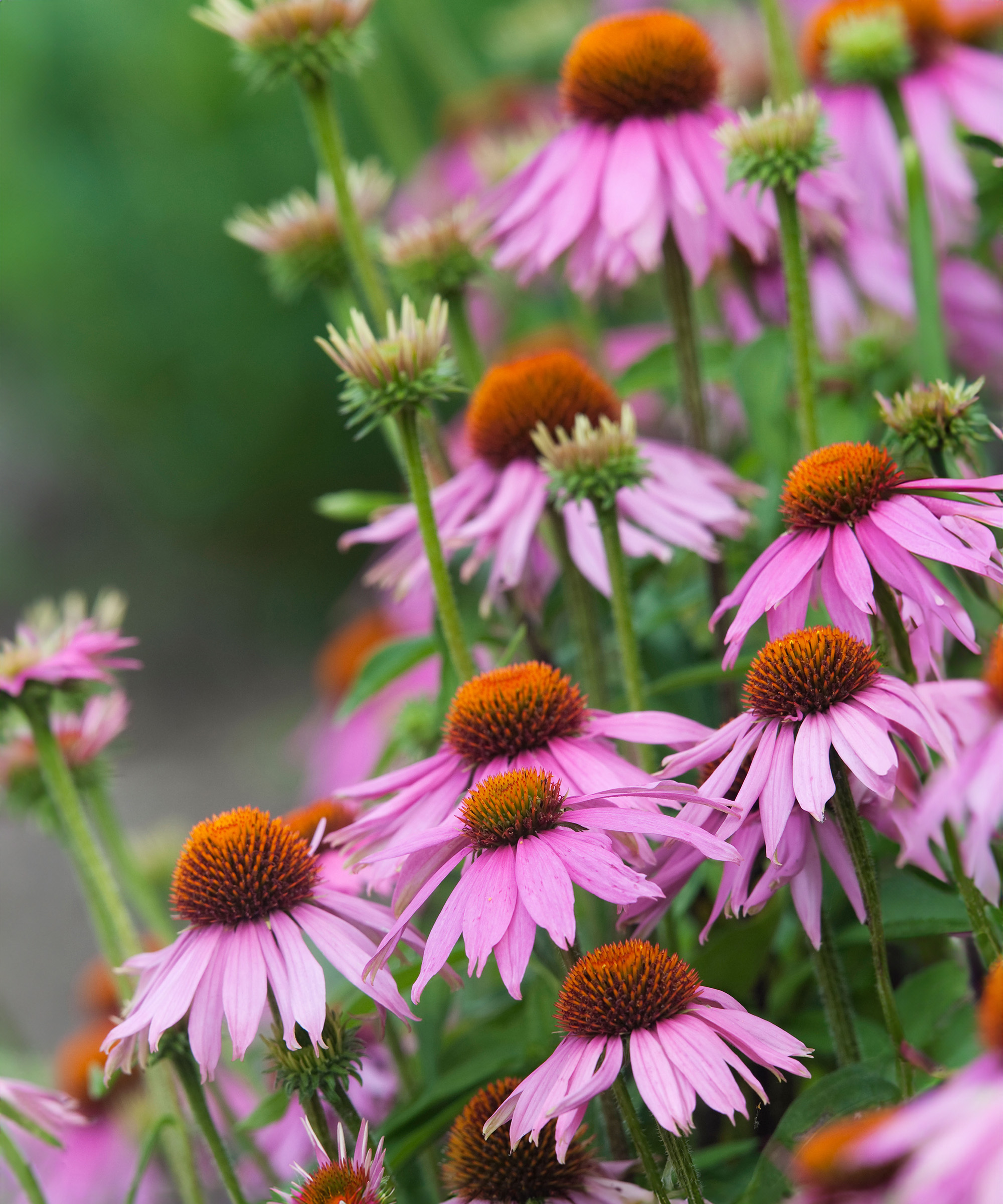
(Image credit: Alamy)
We all know and love coneflowers, and compact versions offer a dwarf stature and a long summer bloom. Atop the rigid stems, you will find lovely coneflowers, daisy-like blossoms circling around the bronze central cones. Do these attract pollinators? Of course they do. Look for butterflies, hummingbirds, and bees (that come for the nectar in summer) and birds (that come for the seeds in winter).
Good dwarf coneflower varieties include Kim’s Knee High, Tweety, and Sombrero Poco Hot Coral coneflower, available at Woodies Garden Goods,
Coneflowers are hardy in USDA zones 3-8 and can grow to 2 feet (60 cm) tall and wide. They bloom all summer, from June to August, and work well in a meadow, native plant garden, or wildflower garden. Plant in a full or partial sun location in well-draining soil.
7. Calamint (Calamintha nepeta)
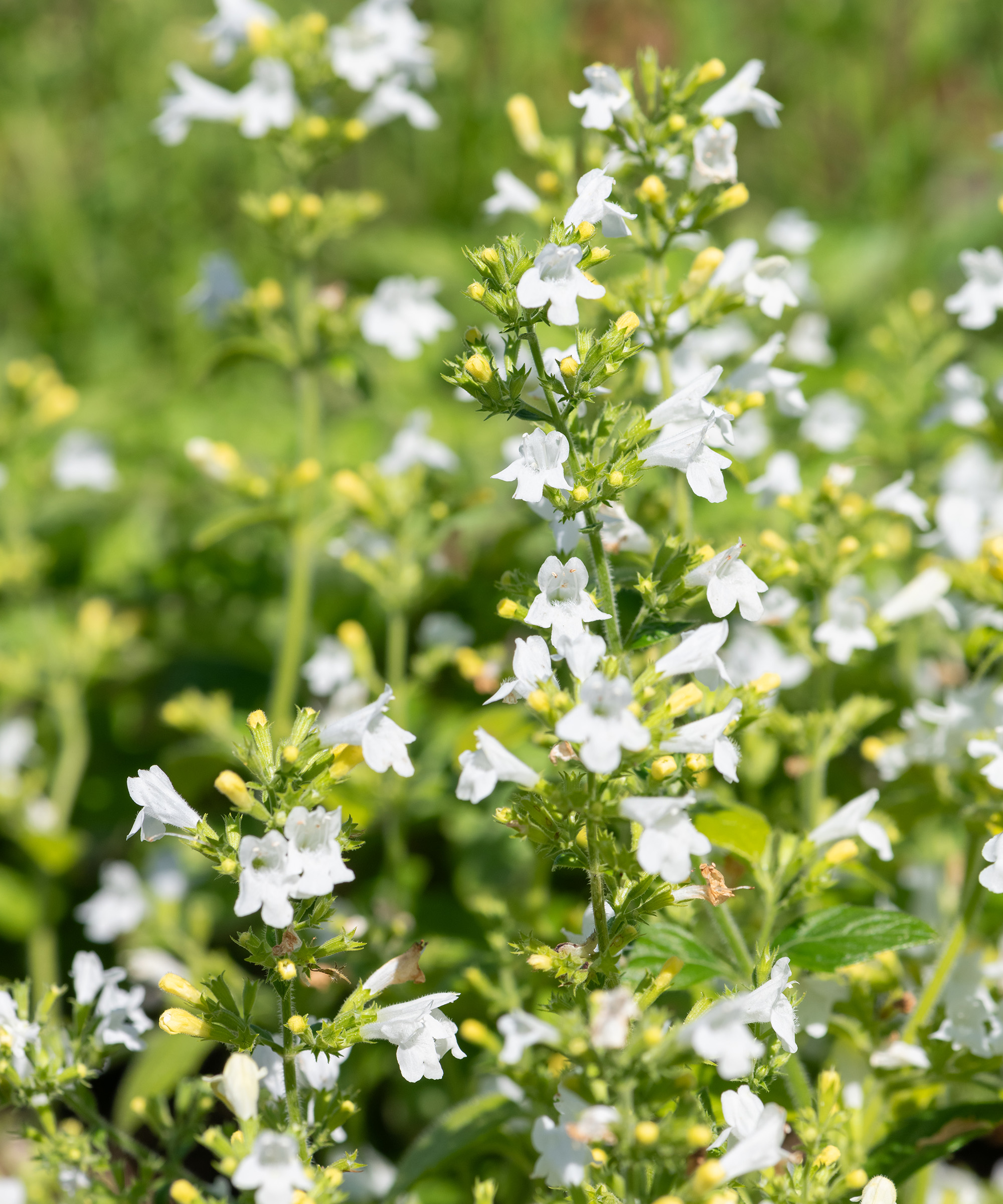
(Image credit: Getty Images)
A member of the notorious mint family, calamint is an herbaceous perennial in USDA zones 5–7, growing to 18 inches (45 cm) tall and wide. It forms a dense mat that seems to spread indefinitely, with upright leafy flowering stems that rise above. The leaves are aromatic while the flowers are showy: white tubular blossoms that keep on keeping on from June to September.
Calamint, available to buy online at Woodies Garden Goods, is one of the best plants at attracting pollinators! It is appealing to hummingbirds, bees, and butterflies, including Monarchs!
Calamint requires sun and well-draining soil, ideally moist. It shows its mint connections with its capacity to spread this way and every way. The plants are tough and accept drought, dry soil, and rocky soil.
8. 'Lilliput' Zinnia Mix (Zinnia elegans ‘Lilliput’)
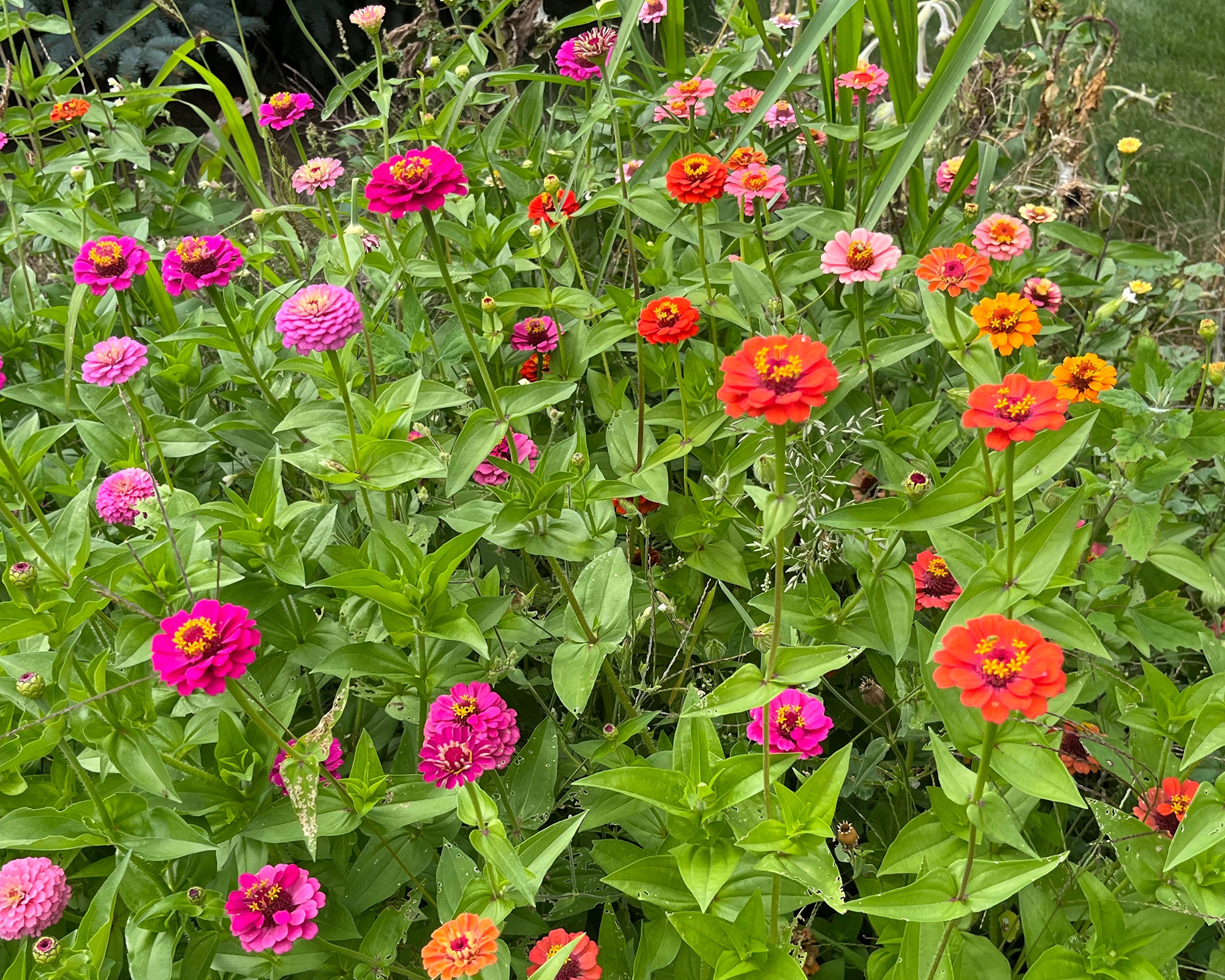
(Image credit: Shutterstock)
If you love zinnia plants but would prefer that they were smaller, take a look at the ‘Lilliput’ seed mix – available from Home Grown at Amazon. These fast-growing flowers are semi-dwarfed, topping out at 24 inches (60 cm) tall. They are bushy with wide growth and oodles of round, pompom flowers in a wide variety of solid shades.
Lilliput is an early-blooming zinnia, with flowers appearing in July and continuing to bloom through October. This is an outstanding and easy-care annual with bright flowers in deep red, pink, white, and purple that bees and butterflies love. Plant these zinnias in a full sun location with well-draining soil.















 English (US) ·
  French (CA) ·