

A host of golden daffodils might be the literal gold standard, thanks to William Wordsworth’s iconic poem – but there is one variety in particular that seems to be replacing classic yellow daffs as the new favorite.
Yes, summer might be winding down, but don’t put away your trowel just yet! September is when many gardeners start thinking about their spring bulb orders (even if the planting window can extend well into fall, depending on which USDA zone you’re in). That means now is a good time to look beyond the usual tulips and familiar yellow daffodils and think about what you actually want your spring garden to look like when it bursts to life next year.
Now, there's nothing wrong with a classic yellow daffodil. I, for one, adore those cheerful trumpets as they're easy to grow, hardy and dependable, and they reliably announce the arrival of a new season like tiny garden heralds. Still, if you're about to order another bag of the same old daffodils you've planted for years, there's one variety I'd suggest putting on your fall shopping list instead....
The Daffodil Quietly Replacing Classic Yellow Varieties
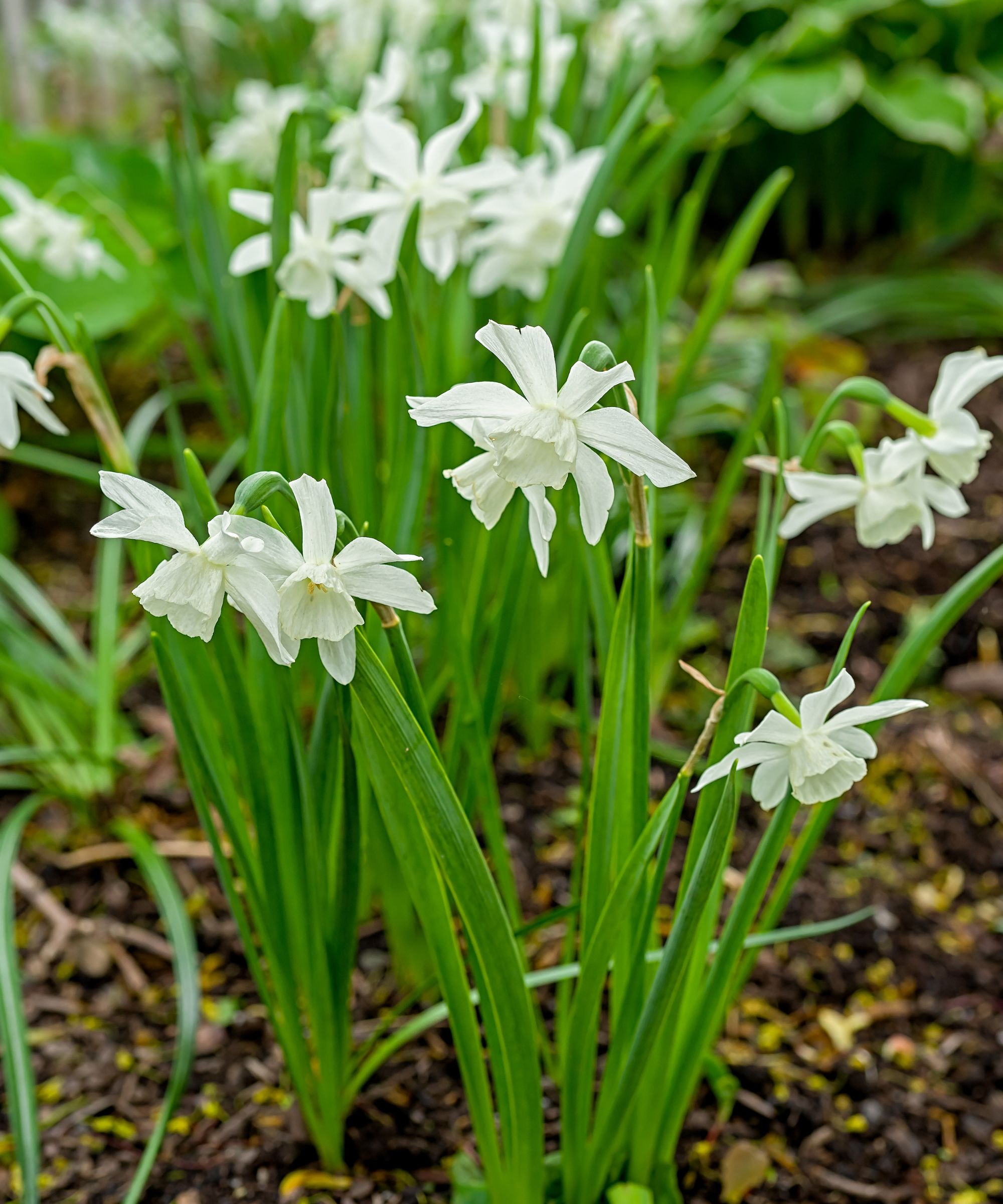
Narcissus 'Thalia' is a daffodil, but it looks nothing like the big yellow trumpets that usually come to mind. Its elegant white flowers hang from the stems in clusters, creating a softer, more naturalistic display. And unlike some plants that look delicate but demand plenty of attention, 'Thalia' is a tough bulb that can return and naturalize for years.
Bonus? It's also fragrant, which makes it particularly appealing when planted somewhere you'll actually be able to enjoy it up close.
Shop Narcissus 'Thalia' Essentials:
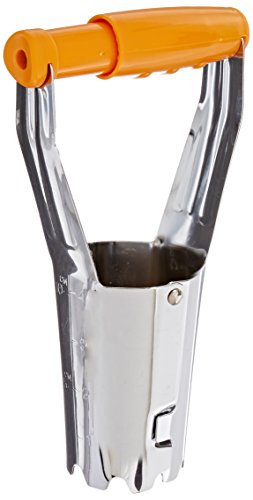
Fiskars
Bulb Transplanter
Ideal for planting bulbs quickly and easily, this clever little gadget takes the hard work out of getting your spring garden ready.
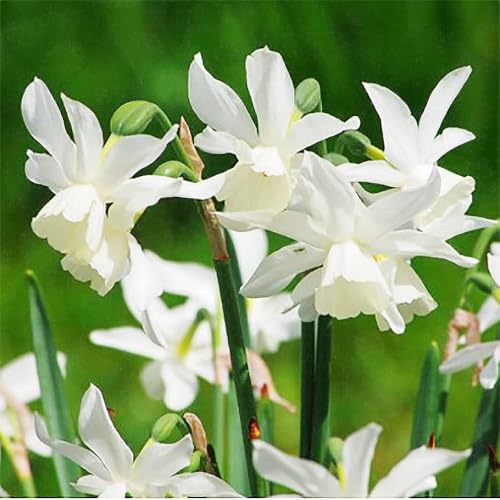
Marde Ross & Company
5 Thalia Narcissus Bulbs
Fantastically fragrant, these creamy white flowers are rich in pollen and nectar, making them ideal for bees and butterflies.
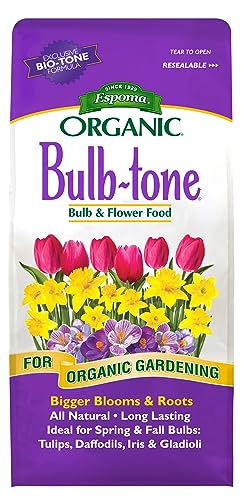
Espoma
Organic Bulb-Tone 3-5-3 Natural & Organic Fertilizer and Plant Food
Ideal for planting bulbs quickly and easily, this clever little gadget takes the hard work out of getting your spring garden ready.
Unlike the familiar yellow or yellow-and-white combination of many classic daffodils, the 'Thalia' (a member of the orchid daffodil family) produces between two and four creamy white flowers on each 35-40cm tall stem.
This gives them a windswept and whimsical appearance, which helps to create a more natural-looking spring garden. Better still, it tolerates partial shade and excess moisture better than most daffodils – making it an option for pots and borders, as well as beneath deciduous trees. You could even allow it to spread through a naturalized area.
(Image credit: onepony/Getty Images)
While it looks dainty (and boasts well over a century of old world charm to its name), it's lovely and low-maintenance, making it a good choice for gardeners who want plenty of spring interest without a long list of jobs to do. Plus, it's also generally unappealing to deer and rabbits, which is another reason to consider it if your garden regularly becomes a buffet for wildlife.
This, along with its sweet fragrance, means that planting it somewhere you pass regularly can make those first weeks of spring feel much more special. And because 'Thalia' is also a good choice for cutting, you can bring some of those flowers indoors once they bloom, too!
Shop Scented Daffodils:
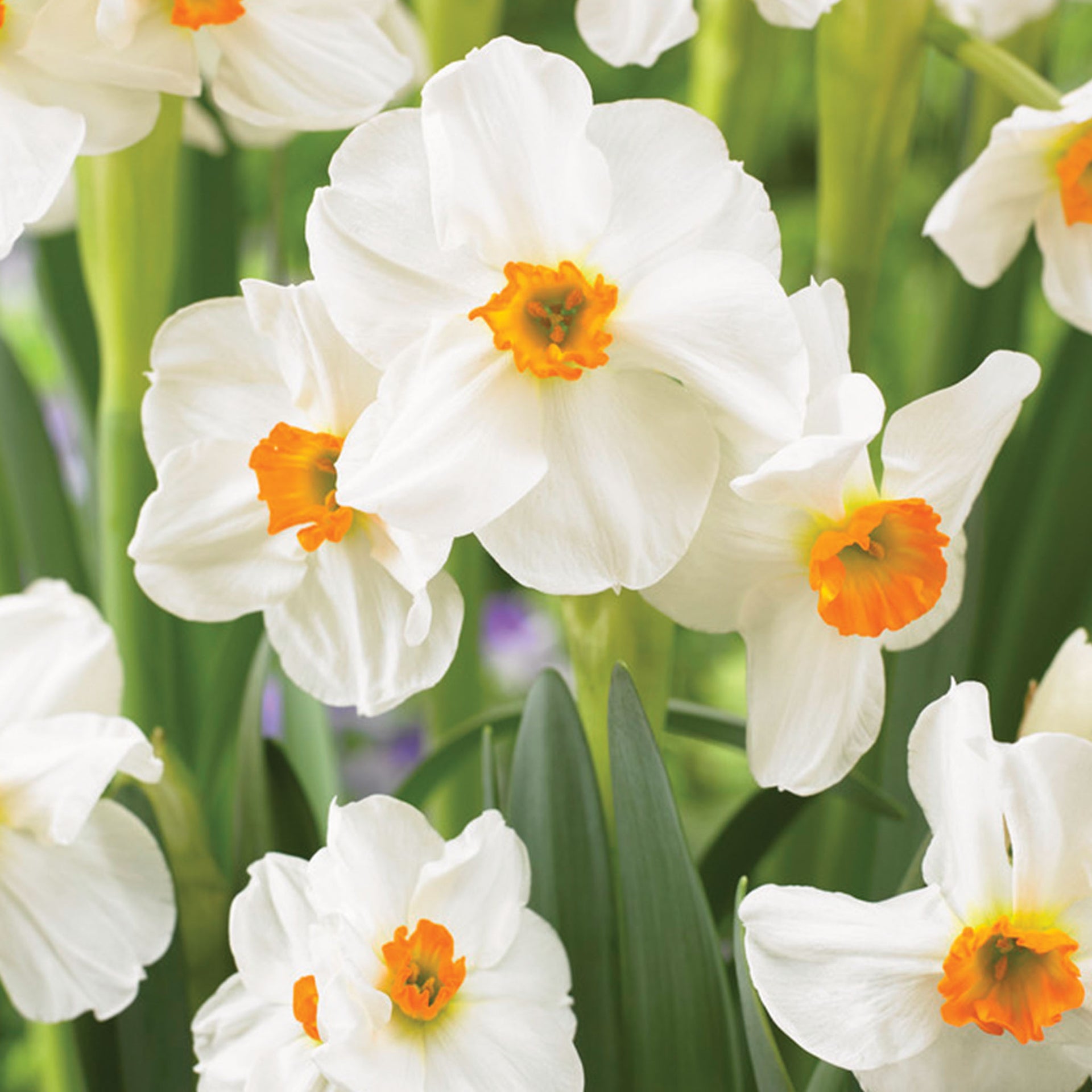
Burpee.com
Geranium Daffodil Bulbs - 10 Bulbs
With beautiful flowers and early spring fragrance, this is a great variety worthy of being in any garden.
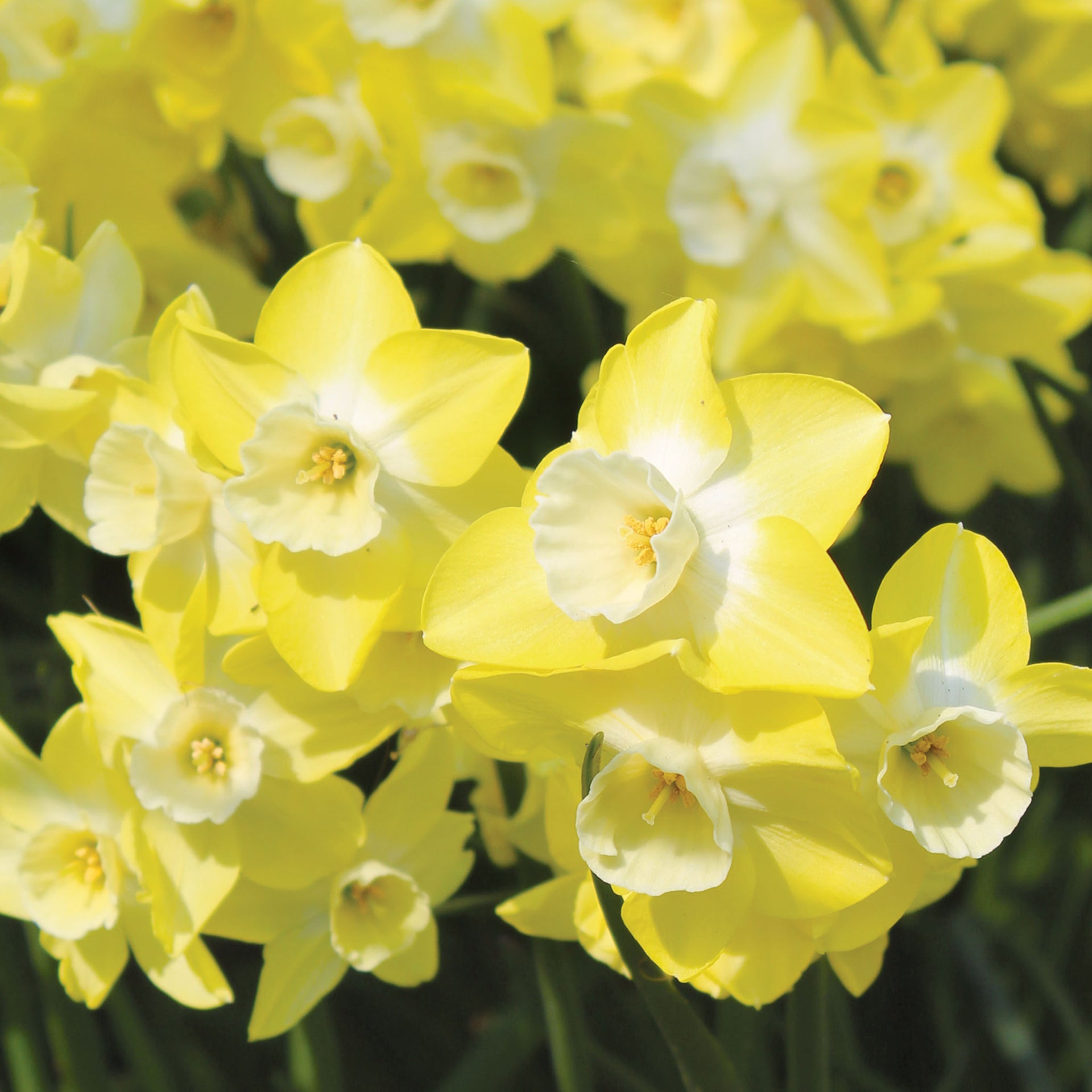
Burpee.com
Regeneration Daffodil Bulbs - 10 Bulbs
If you prefer that classic yellow look, these fragrant, deer resistant flowers are super easy to grow.
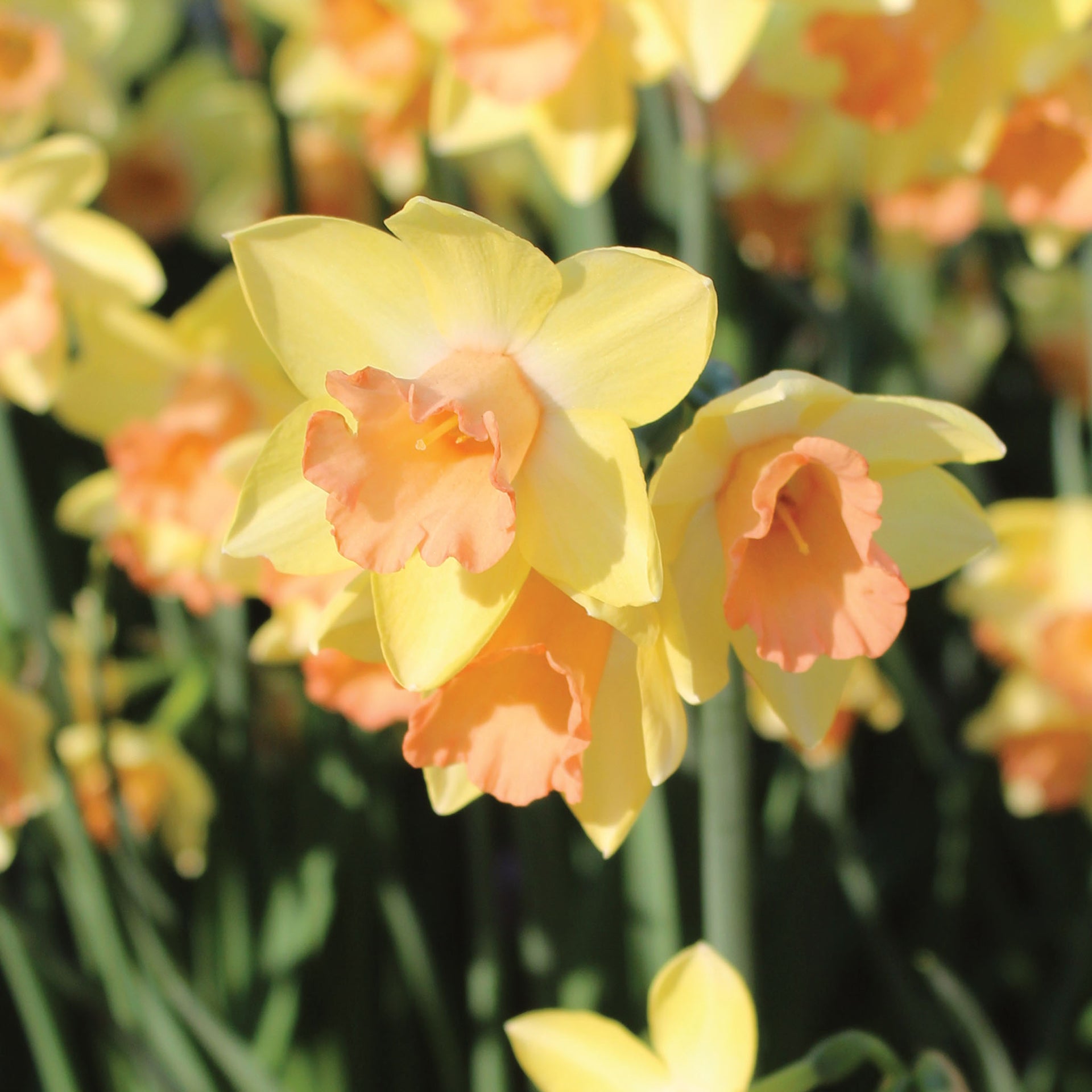
Burpee.com
Blushing Lady Daffodil Bulbs - 10 Bulbs
Yellow and salmon pink, these gently nodding daffodils are famed for their wonderfully light sweet fragrance.
Fall is the moment when we're deciding what we want our gardens to look like next spring. And, while it's tempting to reach for the same old bulbs we've planted before (particularly when we already know they'll work), now is the perfect time to experiment.
'Thalia' doesn't replace every classic yellow daffodil in every garden, because, sometimes, you want that burst of unmistakable spring yellow. If you're looking for something more elegant and sweet-smelling, though, this lesser-known daffodil is worth a place in your fall planting plans.
Honestly? I bet that, once you see those clusters of white flowers appearing next spring, you'll wonder why you didn't plant them sooner.















 English (US) ·
  French (CA) ·