

PROTECT YOUR DNA WITH QUANTUM TECHNOLOGY
Orgo-Life the new way to the future Advertising by AdpathwayThis Global Tiger Day, Nepal announced that its wild tiger population has surpassed 400 individuals. To appreciate what that number represents, consider where the country started. In 2009, just 121 tigers remained in Nepal. By 2022, that number had nearly tripled to 355. Today’s milestone news of over 400 tigers marks one of the most significant recoveries of any endangered species in the world.
Numbers like these do not happen by accident. They are the product of decades of sustained effort, including strong government commitment, dedicated rangers, science-based monitoring, and—most importantly—the Indigenous Peoples and local communities who live alongside these big cats and lead conservation on the ground.
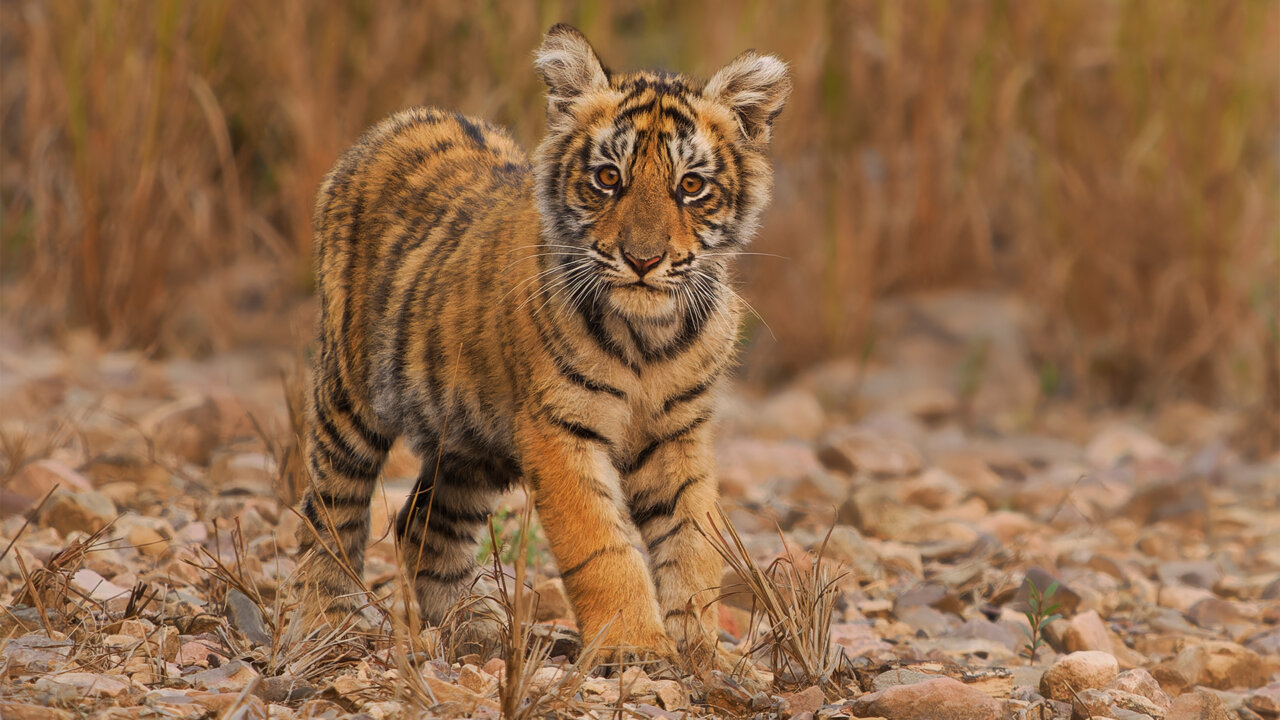
© Andy Rouse / naturepl.com / WWF
And it is not just Nepal. In the forests of northeast China, camera traps recently captured something never before documented in the country: a wild Amur tigress with five cubs. Wild Amur tigers typically give birth to one to four cubs, so five cubs surviving to six to eight months old is extraordinary.

© WWF Malaysia
She is not the only one. A second tigress with four cubs was recorded in the same park. China now estimates around 70 wild tigers in its northeast, up from an all-time low of just 20 in 2010. Multiple tiger families breeding in the same landscape are a powerful sign that these forests are coming back to life.
But recovery brings its own challenges. As tiger populations grow and their habitats increasingly overlap with areas used by people, tigers and communities are encountering one another more often. Those interactions can pose real risks to people’s safety and livelihoods. Sustaining the gains of the last decade now depends on conservationists and communities making coexistence work.
In Nepal, for example, WWF and its partners have supported more than 5,000 households across the Terai region with practical solutions such as predator-proof corrals, improved livestock shelters, and protective fencing. Community early-warning systems have delivered over one million wildlife alerts, giving families time to protect themselves and their animals.

© Yashpal Rathore / naturepl.com / WWF
To help scale these solutions across Asia, WWF has launched a new global report, Coexisting with Tigers: Tools and Approaches for Managing Human-Tiger Interactions, which brings together practical, proven approaches that can be adapted across tiger landscapes. Through our new Global Tiger Innovation Fund—the first of its kind—we have also launched five projects across three countries focused on bold coexistence solutions and sustainable ways to finance what works.
Tigers remain endangered, and their populations are still fragmented across Asia. But these victories represent a major step in the right direction. This Global Tiger Day, learn about the challenges facing tigers and the communities who share their landscapes—and help spread these stories of recovery. Hope, it turns out, is one of conservation’s most powerful tools.


















 English (US) ·
  French (CA) ·