

 7 months ago
215
7 months ago
215
PROTECT YOUR DNA WITH QUANTUM TECHNOLOGY
Orgo-Life the new way to the future Advertising by AdpathwayNatural light indoors is rarely as bright as we think it is. It might feel like a sunny spot to us, but provides a fraction of the light intensity plants actually need for healthy growth.
Plants survive in these conditions, but they don’t always thrive, depending on what you’re growing. If your indoor plants don’t handle low light well, they stretch toward windows and produce smaller leaves. You definitely won’t see the healthy, bushy growth you’re looking for.
Luckily, grow lights for houseplants fix this common problem. Even basic grow lights make a noticeable difference for plants that need more intensity than your windows can deliver. They’re especially helpful in winter when it can be a real struggle to keep certain plants happy.
If you have any of these houseplants and think they look a bit sad, try a grow light instead for much healthier growth in the future.
Epic Grow Light with Tray
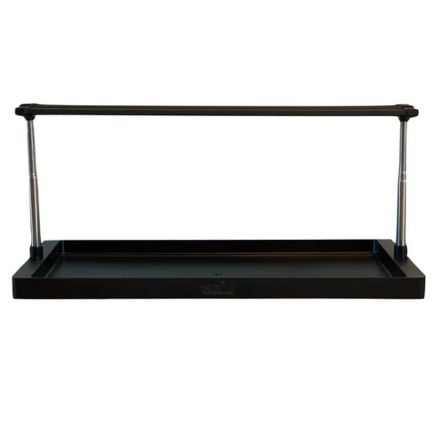
Epic Grow Light with Tray
Grow strong, healthy seedlings indoors all year long. The Epic Grow Light with Tray gives your garden the best possible start with bright, energy-efficient LEDs designed specifically for seed starting and early plant growth.
Monstera
 Although they can tolerate lower light, they look much healthier with some help.
 The first plant on the list is one you’ll often see on low-light houseplant lists. However, it won’t be healthy or bushy in the darker corners of your home.
Monstera develops those dramatic split leaves we all know and love in response to bright light conditions. When light is insufficient, new leaves emerge smaller and less fenestrated than they should be. The stems also stretch toward the light source, creating long spaces between leaves instead of the compact, full growth you want.
Bright, indirect natural light works if you have it, but most indoor spaces don’t provide enough intensity year-round. People also tend to place them in darker spots than they need, due to their association with low-light growing. If you’ve seen those massive, bushy monsteras online and wondered why yours looks nothing like that, light is probably the reason.
Adding a grow light for these houseplants ensures consistent brightness that produces larger, more heavily split leaves. You’ll notice new growth emerging more frequently with better fenestration patterns within a few months.
Hoya
 If you want your hoya to flower, use grow lights on these houseplants.
 Hoyas bloom more reliably under strong light. They’ll survive in lower light conditions and continue producing foliage, but you definitely won’t see many flowers in these conditions.
Many hoyas naturally grow in bright spots with some direct sun exposure in their native habitats. Replicating those conditions indoors is difficult without supplemental lighting, especially in winter when day length shortens and light intensity drops.
A grow light positioned close to the plant (about eight to 12 inches above) provides the intensity needed for bud formation. Combine this with the other blooming triggers hoyas need, and you’ll see much better flowering.
Variegated Leafy Plants
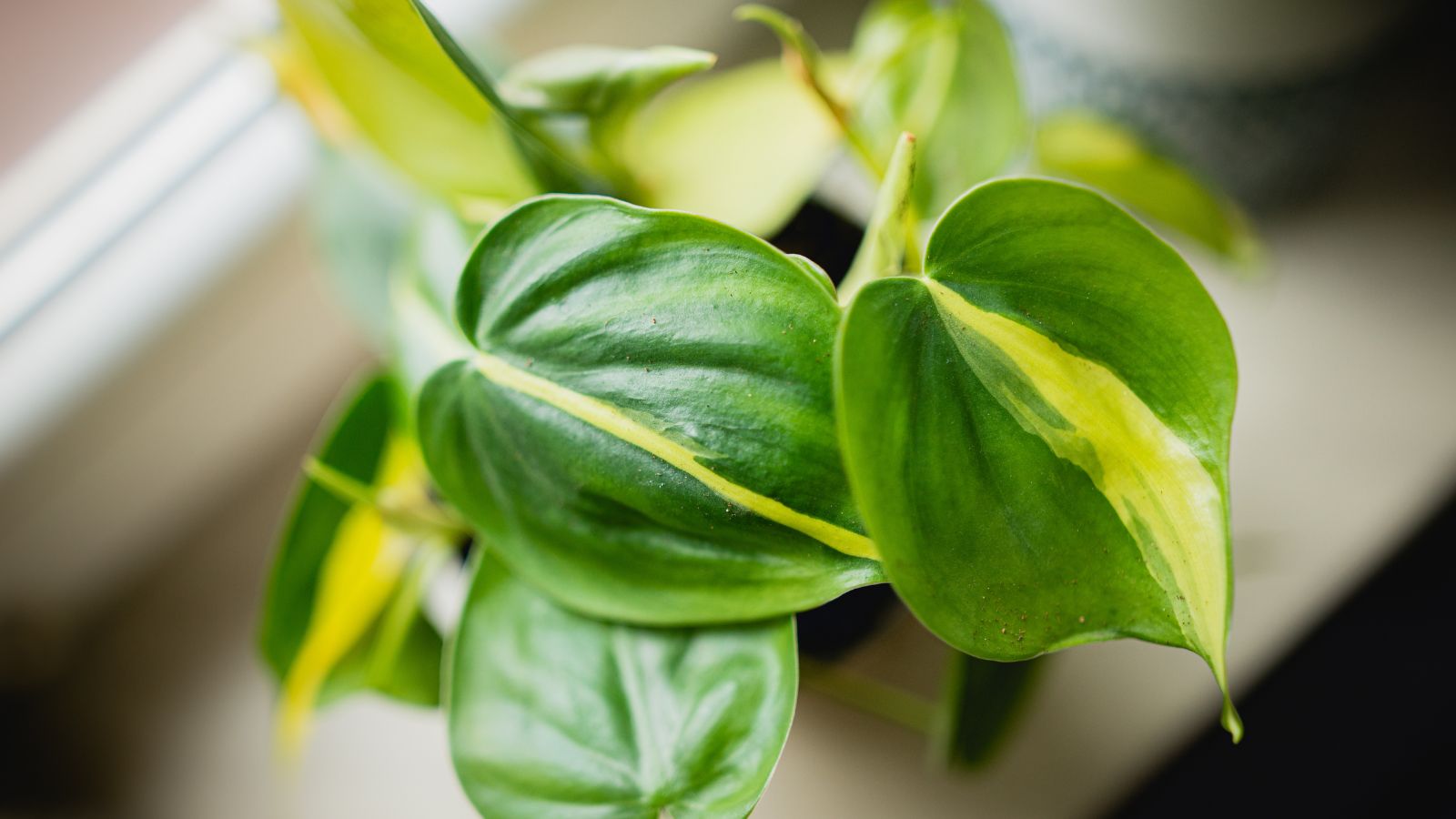 Variegation is maintained with bright light levels.
 Variegated houseplants are incredibly popular, but they’re also a little trickier to care for. The white, cream, or yellow portions of variegated leaves can’t photosynthesize, which means the plant depends entirely on its green sections for energy production. Low light forces the plant to produce more green and less variegation to maximize photosynthesis.
Variegated philodendrons and other popular houseplants often revert to mostly green leaves in insufficient light. The variegation fades gradually as each new leaf emerges greener than the last. Eventually, you end up with a plant that barely shows the patterning you bought it for.
Strong artificial light maintains variegation patterns and can even intensify them. Houseplants under grow lights produce leaves with bolder contrast and more extensive variegation than the same varieties grown in natural window light.
Anthurium
 Anthuriums will flower better under a grow light.
 When you purchase your anthurium, it might have a few flowers popping up, but getting them to appear again is a little tricky. Although they can survive in lower light, anthuriums need substantial light to develop and maintain their blooms. Anthuriums pushed to a dim corner stop producing flowers (and the existing foliage eventually loses its luster, too).
These tropical plants appreciate humidity along with bright light, which makes bathrooms seem like ideal locations. But most bathrooms don’t have enough light intensity, even if they’re humid. A grow light in a humid location beats a dim bathroom for anthurium health.
Set up grow lights above these houseplants with a few hours of exposure daily to provide that energy boost they need to flower reliably. The combination of adequate light and humidity produces the best results for both foliage quality and flower production.
Orchids
 Use grow lights for sun-loving orchids.
 Phalaenopsis orchids tolerate lower light than many orchid species, which is why they’re popular houseplants. But “tolerate” doesn’t mean thrive. These orchids bloom much more reliably with brighter conditions than most homes naturally provide. The same goes for many other orchid species you may be keeping as houseplants.
Some orchid types that aren’t as accustomed to low light may need even more intensity. These won’t bloom at all in typical indoor light without supplementation. A grow light positioned right above your fussier orchids gives them what they need for consistent flowering.
African Violet
 Don’t keep the lights too close to the sensitive leaves.
 African violets bloom almost all year round, but only under the right conditions, which include bright, indirect light. Window light often isn’t enough if it’s in the wrong direction, especially in winter or in homes without ideal window exposure. The plants may survive for short periods, but produce few flowers or stop blooming entirely.
These compact plants work well under grow lights because they don’t take up much space, leaving more room under your fixture for seedlings or other houseplants that need grow lights. If yours is looking a bit sad, it will respond quickly to improved lighting with increased bud production and more vibrant flower colors.
The leaves of these plants are quite sensitive, so don’t overdo the light exposure. A little extra in tough conditions is enough to encourage them to flower.
Hibiscus
 Hibiscus will struggle indoors in winter without a grow light.
 Now we’re moving onto houseplants that really struggle without supplemental lighting. Tropical hibiscus is commonly grown indoors, particularly for winter protection. But it needs intense light to bloom well. They will produce mostly foliage with occasional, smaller flowers without the help of a grow light.
These plants naturally grow in full sun outdoors, so replicating those conditions indoors is challenging. South-facing windows help, but still don’t match outdoor sun intensity. Winter light levels drop even further, which is when indoor hibiscus really struggles.
Strong grow lights positioned close to the foliage can trigger flowering even in winter. Run lights for 14 hours daily to compensate for the lower intensity compared to actual sunlight. The plant won’t bloom as heavily as it would outdoors in summer, but you’ll get significantly better performance than with window light alone.
Citrus
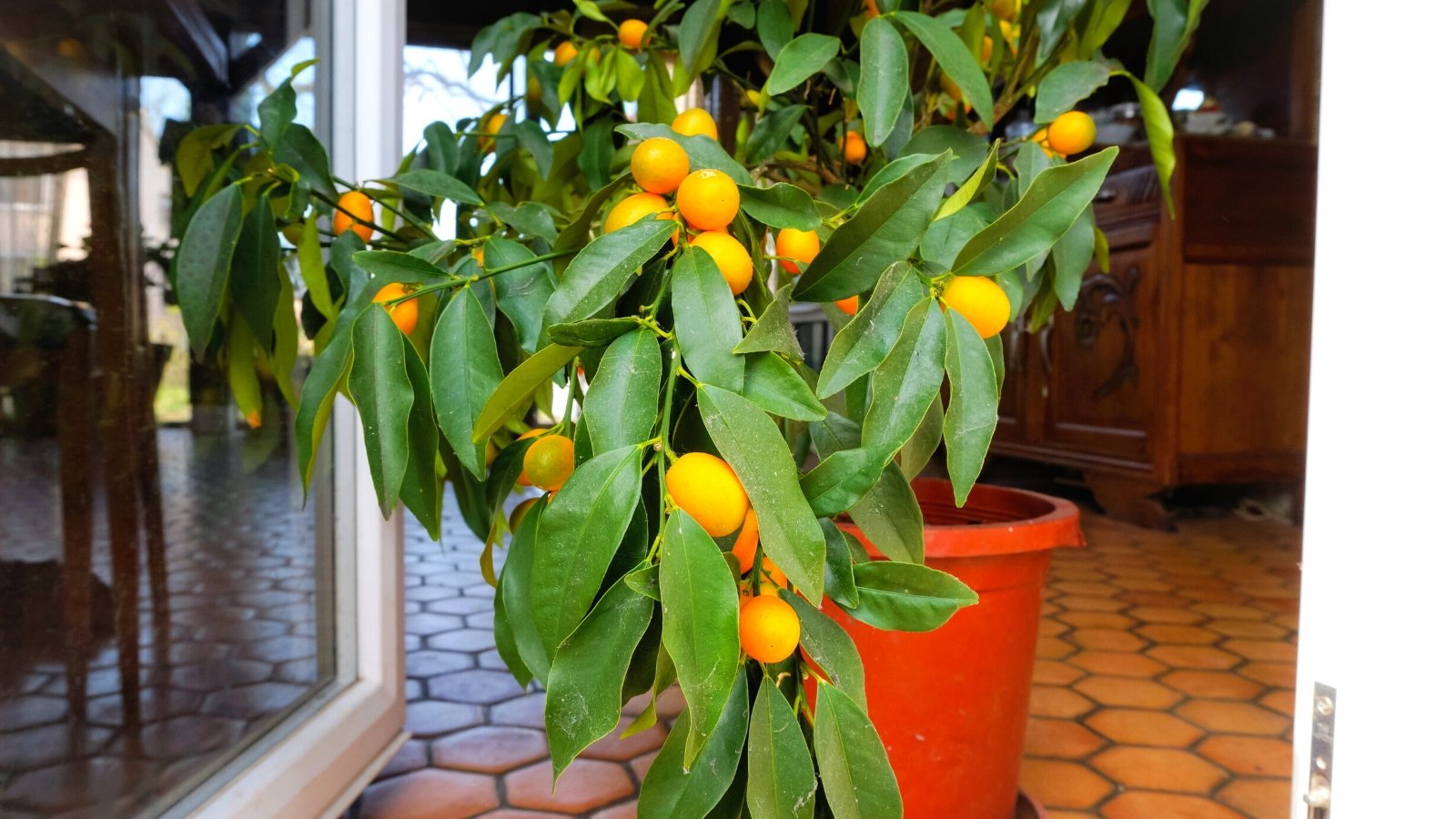 Potted citrus trees appreciate extra light indoors.
 Getting citrus to fruit indoors is tricky. Not impossible, but not easy either. Indoor citrus trees need exceptionally bright conditions to fruit and even to maintain healthy foliage. These are full-sun plants that struggle with typical indoor light levels.
Leaves often yellow and drop indoors. Growth slows, and flowering becomes increasingly unlikely without serious light supplementation. Position lights as close as possible without burning the foliage.
Expect to run lights for up to 16 hours daily. Even with strong artificial lighting, indoor citrus won’t perform as well as outdoor trees, but it will give you a much better chance of seeing fruit.
Succulents
 Full-sun succulents need a boost to stay compact.
 I don’t know who decided that succulents make good houseplants, but it left growers with an uphill battle when it comes to light. Succulents stretch dramatically in low light. The compact, colorful growth you see at nurseries results from very bright conditions that most homes can’t match.
Within weeks of bringing succulents home, they start elongating as they reach for insufficient light. New gardeners often blame themselves when really, indoor conditions just don’t match up to the conditions these plants are used to in their native habitats.
This etiolation is frustrating because once stems stretch, they don’t shrink back even if you improve conditions. You can cut the plant back and propagate the tops, but it’s easier to provide adequate light from the start.
Grow lights prevent stretching and maintain the tight, colorful form most succulents should have. You can also opt for succulents accustomed to partial shade, but if you have any of the full sun species (like Echeveria), grow lights are a must.
Herbs
 Grow lights stop herbs from becoming leggy.
 If you don’t have any outdoor space to grow edible plants, herbs are often recommended for indoor growing. But basil, parsley, cilantro, and other culinary herbs grow thin and weak in typical windowsill conditions.
The plants may survive for short periods, but don’t produce enough foliage for regular harvesting. Leaves stay small, and stems become spindly as the plant struggles with insufficient light.
Herbs need surprising intensity to stay productive. Kitchen windowsills rarely provide adequate light, and especially in winter.
A small grow light above your herb pots transforms their growth. You’ll see bushier plants with larger leaves and much heavier production. This is especially important for basil, which becomes leggy and difficult to manage in low light.














 English (US) ·
  French (CA) ·