

As lush summer foliage begins to fade and weather cools in September, your hostas will benefit from a little extra attention. They’re preparing for dormancy now, so chores are all about letting that process happen while still supporting plants with what they need.
Most fall care is prepping for winter: pruning back, watering, and cleaning up foliage. But, if you’ve been growing hosta plants for a while, they might be large and overgrown. September is also a great time to divide and transplant clumps. Check this September chore list to see what you can do to support and encourage healthy hostas growth from year to year.
1. Divide and Transplant Big Clumps
(Image credit: Valeriy_G / Getty Images)
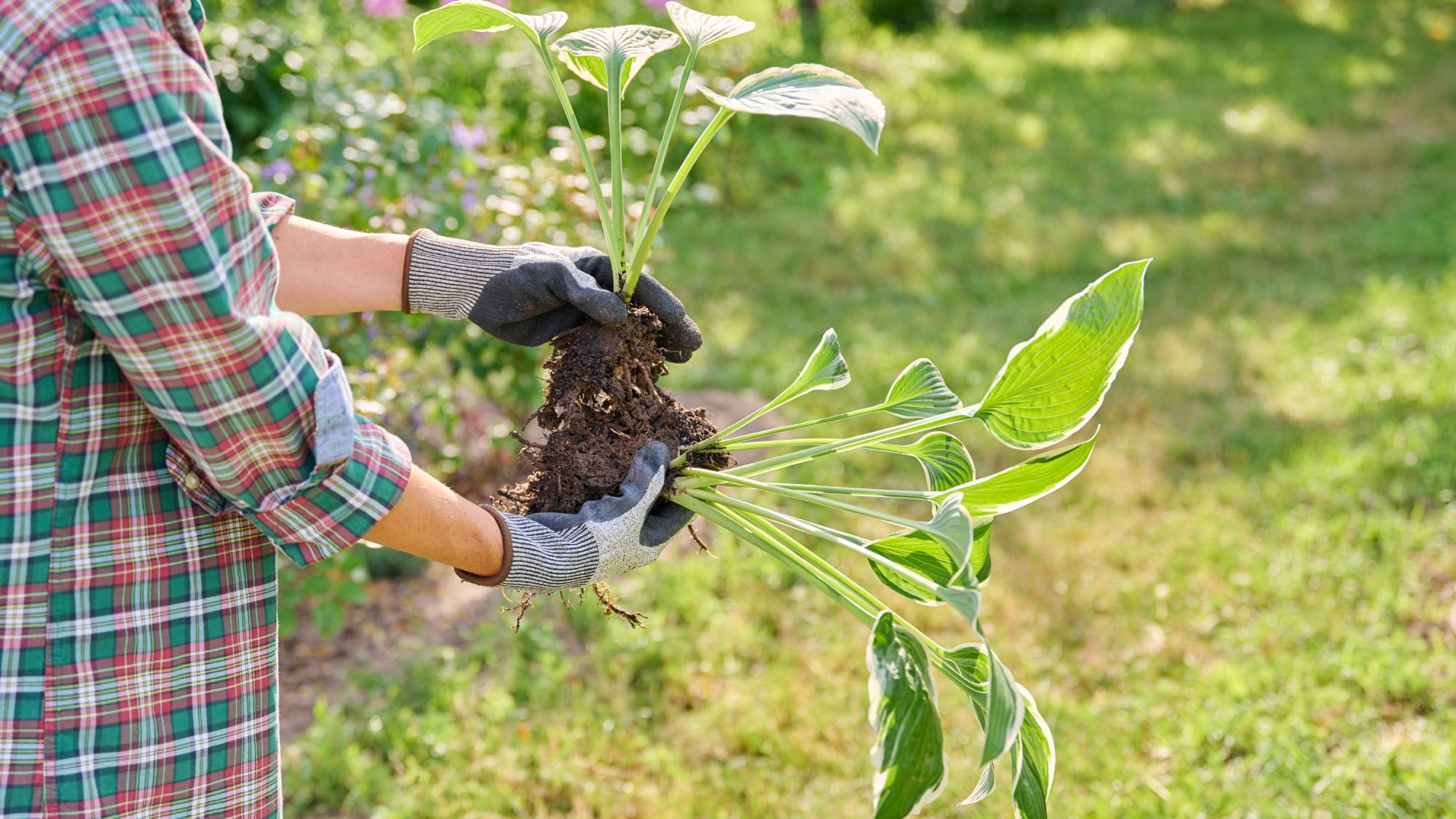
You don’t have to divide hostas every year, but if it’s been a view, consider doing this chore now. In most places, September gives transplants enough warm weather and warm soil to get established before winter. The gentler temperatures and typically more frequent rains lessen the stress transplants often experience in the move.
Gently dig up large hostas in need of a division and use a sharp, clean garden knife to cut through the roots. (Our writers swear by this hori hori knife, available on Amazon). Make sure each division has healthy roots and a sizable part of the crown with stems. Replant the divisions in appropriate places and to the same depth as the parent plant. Keep watering the transplants regularly until winter dormancy.
2. Clean Up Foliage as Needed
(Image credit: Future - Amy Draiss)
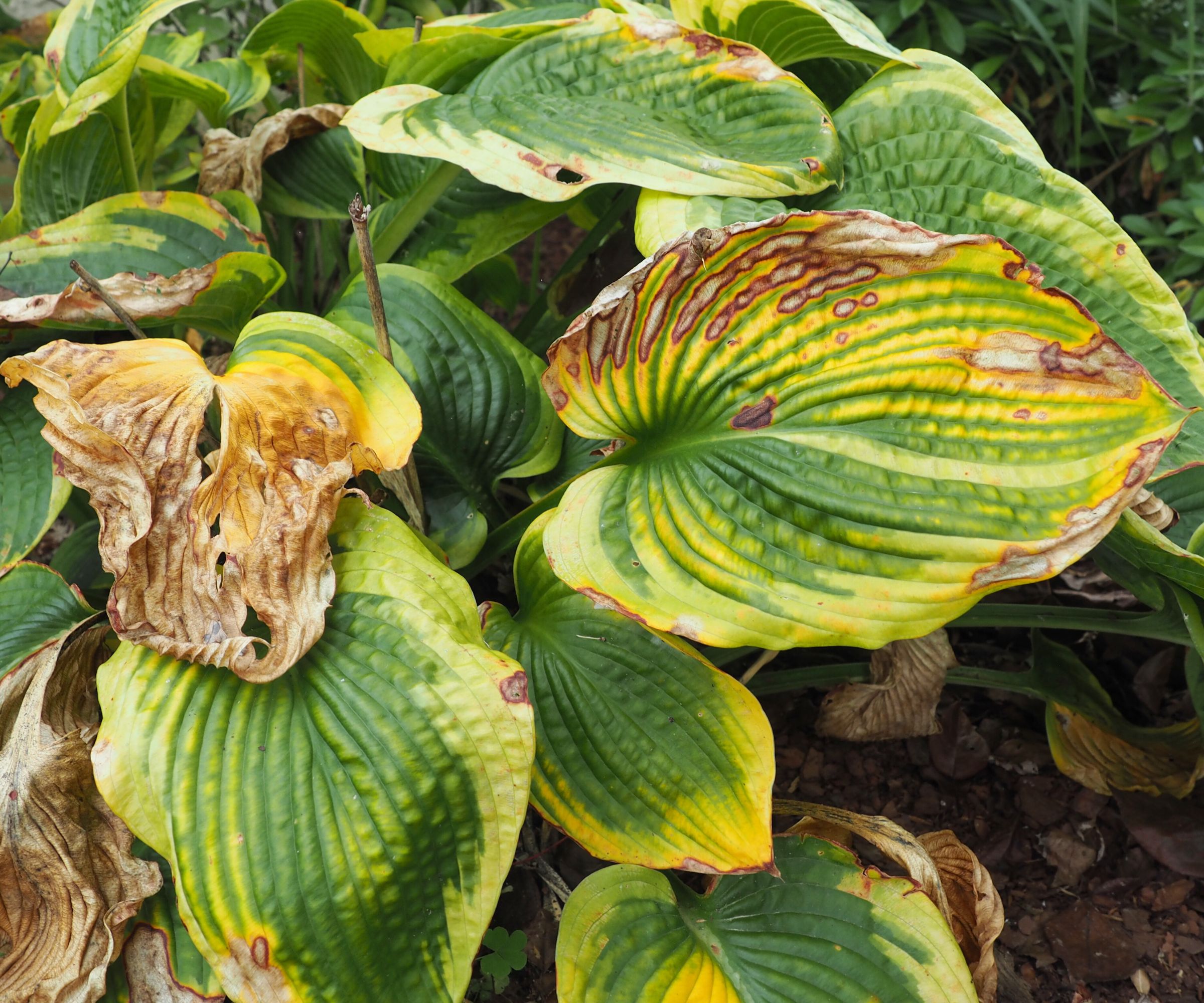
Early fall is not the time to cut your hostas back all the way. Healthy green leaves are still doing photosynthesis, gathering energy to store for next year. It is a good idea, however, to tidy up any foliage that has already yellowed or is otherwise damaged by pests or disease.
Infectious agents and pests overwinter in this foliage, so remove it now. Add damaged foliage to compost and any leaves that look diseased to yard waste to be disposed of. Don’t let leaves stay put around the base of your plants where they can breed pests, fungal spores, and even nematodes.
3. Keep Watering as Needed
(Image credit: Nadya So / Getty Images)
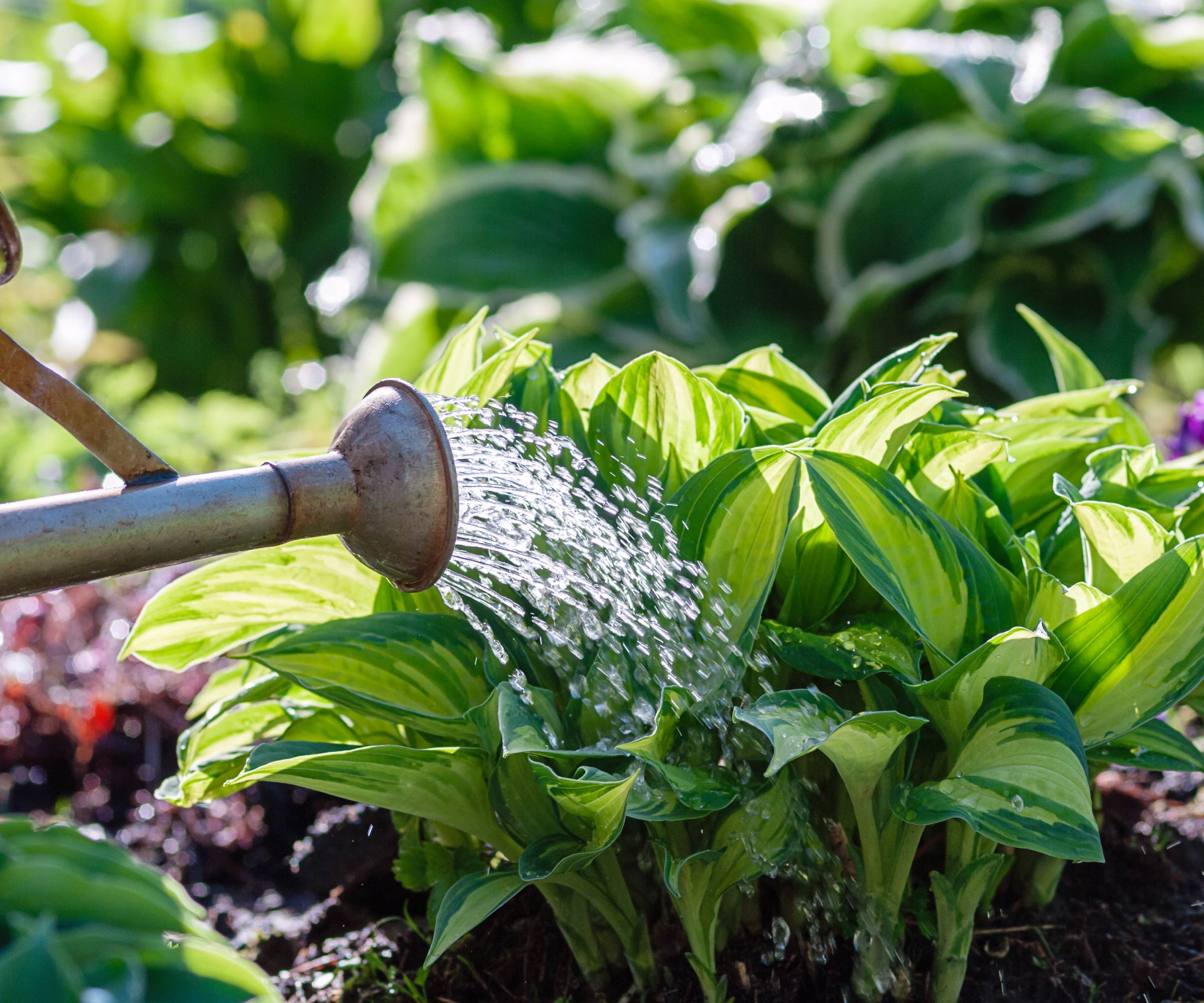
Cooler temperatures don’t automatically mean your hostas don’t need additional water at this time of year. Hostas are thirsty plants due to their large foliage and thrive in soil that stays consistently moist. Having enough moisture going into winter keeps hostas healthy as they enter dormancy and better able to cope with the stresses of winter.
Keep an eye on the rain and check the soil around your plants. Water hostas deeply when the soil starts to feel dry through the first inch or two. Water at the soil line to prevent getting leaves wet. It’s always better to water deeply and less often than shallowly and every day. A soaker hose like this one from Amazon is a great option for easy, soil-line watering.
4. Check for and Manage Pests
(Image credit: VladK213 / Getty Images)
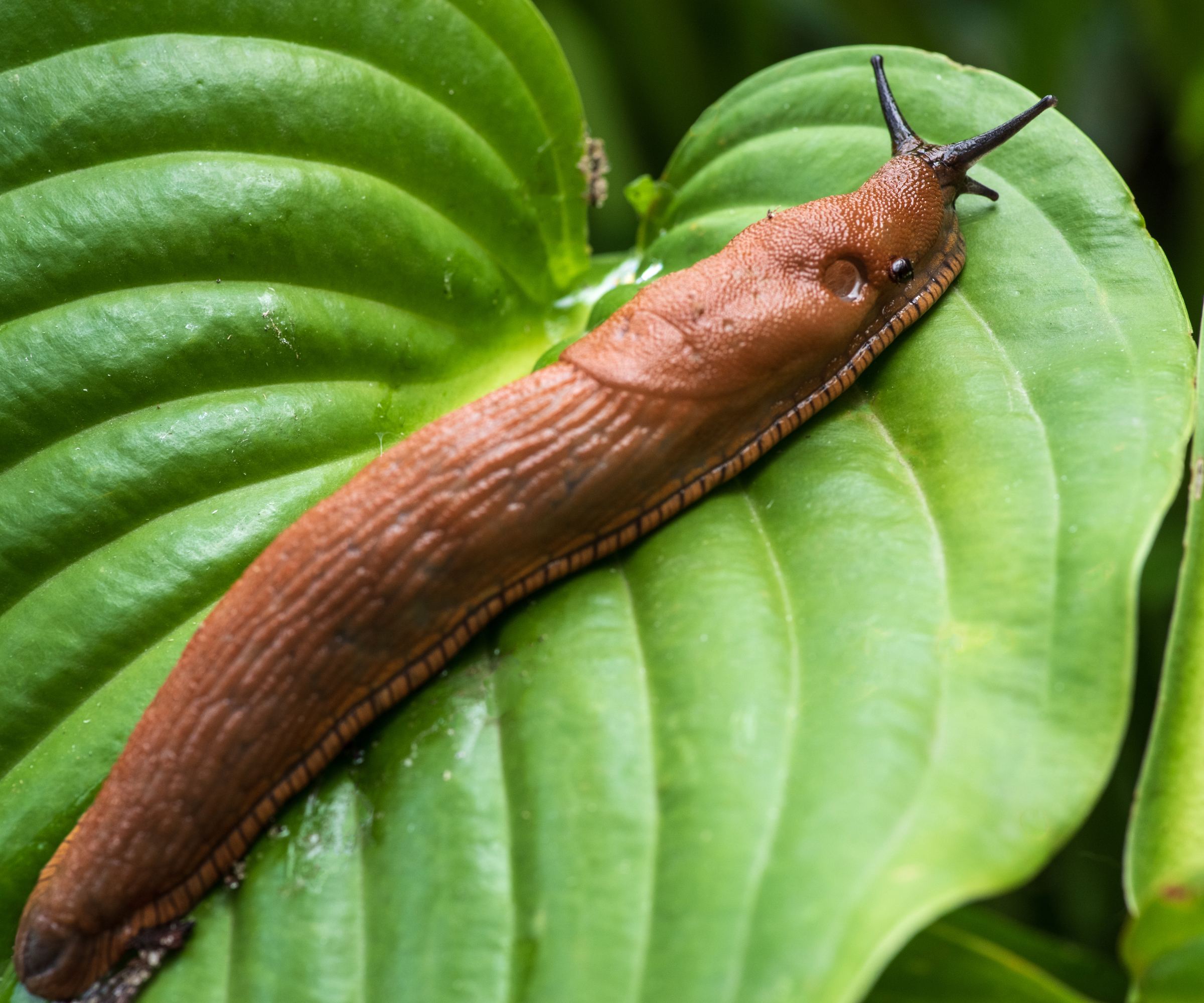
The end of summer also doesn’t mean the end of pests. Slugs and snails, some of the worst culprits for causing damage to hosta leaves, actually become more active in early fall as the weather begins to cool. Signs you have these hosta pests include holes in the leaves and slime trails around plants. You’re also likely to see them hanging around under leaves and at the bases of plants.
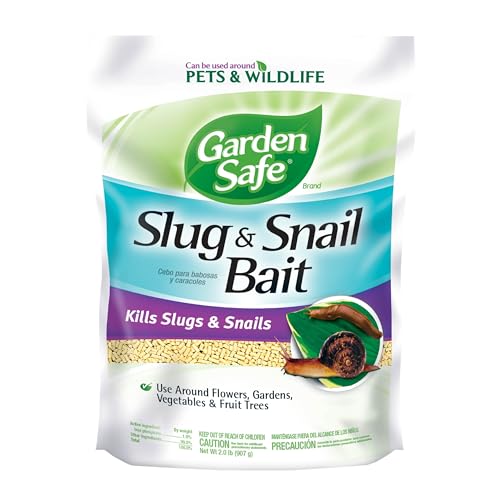
Keep the area around and under hostas clear of debris to deter these pests. When you see them, handpick them from the plants and dispose of them. You can also use slug and snail bait like this from Amazon around vulnerable plants. The more you can control these pests now, the better your plants will be able to gather energy through healthy, whole leaves.
5. Let Them Go Dormant Naturally
(Image credit: Andrii Chagovets / Getty Images)
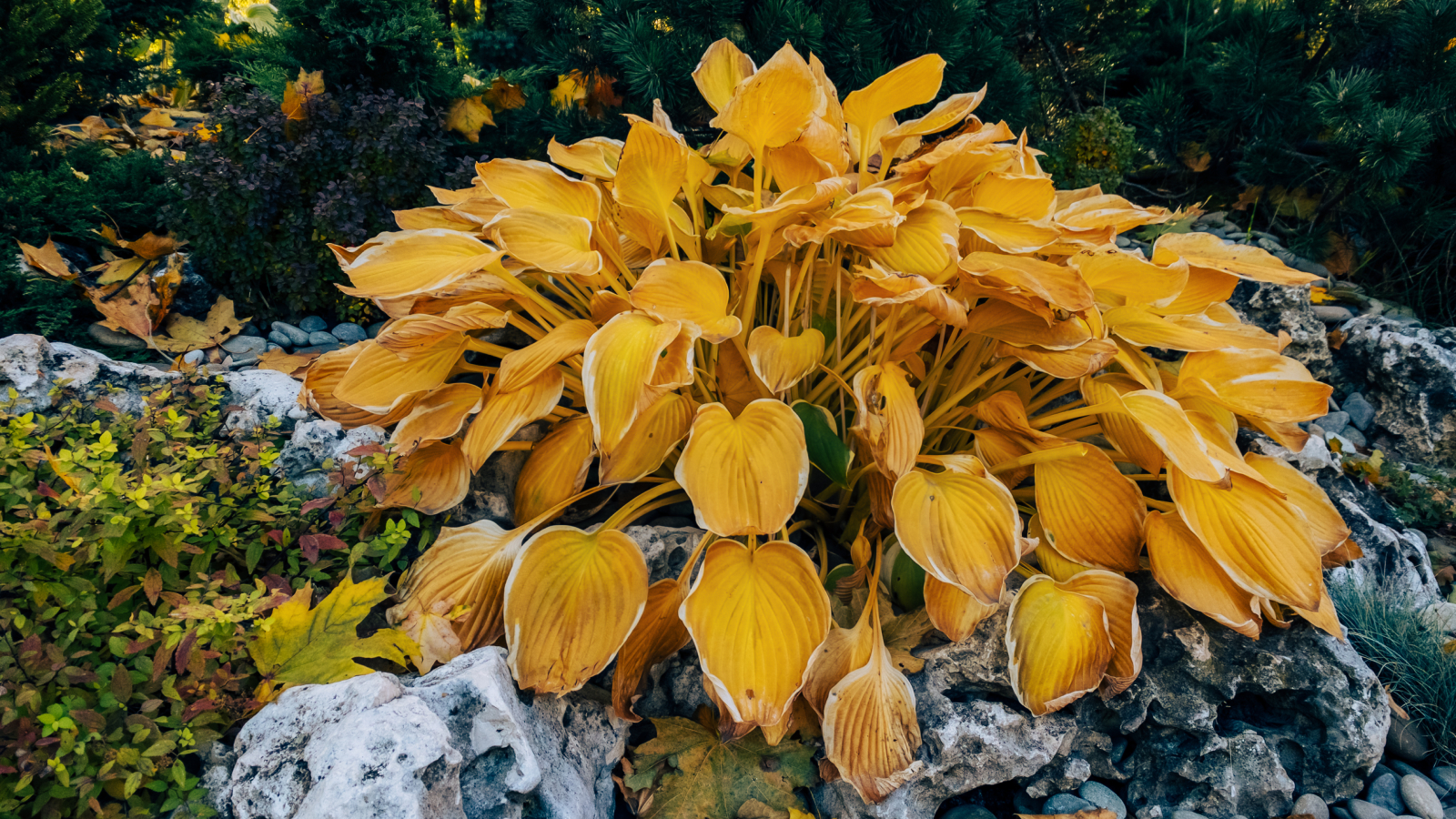
If you’re new to growing hostas, you might not realize that the yellowing and deterioration of leaves this time of year is normal. While they're hardy in colder climates, hostas prepare for winter by going dormant. This means the foliage dies back, ultimately collapsing entirely after the first hard frost.
Don’t trim back foliage until this happens. Let your plants go dormant naturally so they can keep gathering energy to keep roots healthy over winter. Trim back and dispose of dead foliage once it is mostly yellow, brown, and wilted. You can add this to compost if it doesn’t look diseased. Otherwise, dispose of it. Don’t leave foliage on the ground all winter, either attached to the plant or removed.
Hosta Care Essentials

Hostas are fairly easy plants to grow, one reason they’re so popular in many gardens. With just a few simple September care chores, these varied and gorgeous foliage plants will reward you next year with healthy new growth. And remember, don't worry if your hostas start looking a little messy in fall. Their gradual decline is a normal part of their seasonal cycle. The goal is to support the plants, not keep them looking perfect until winter.


















 English (US) ·
  French (CA) ·