

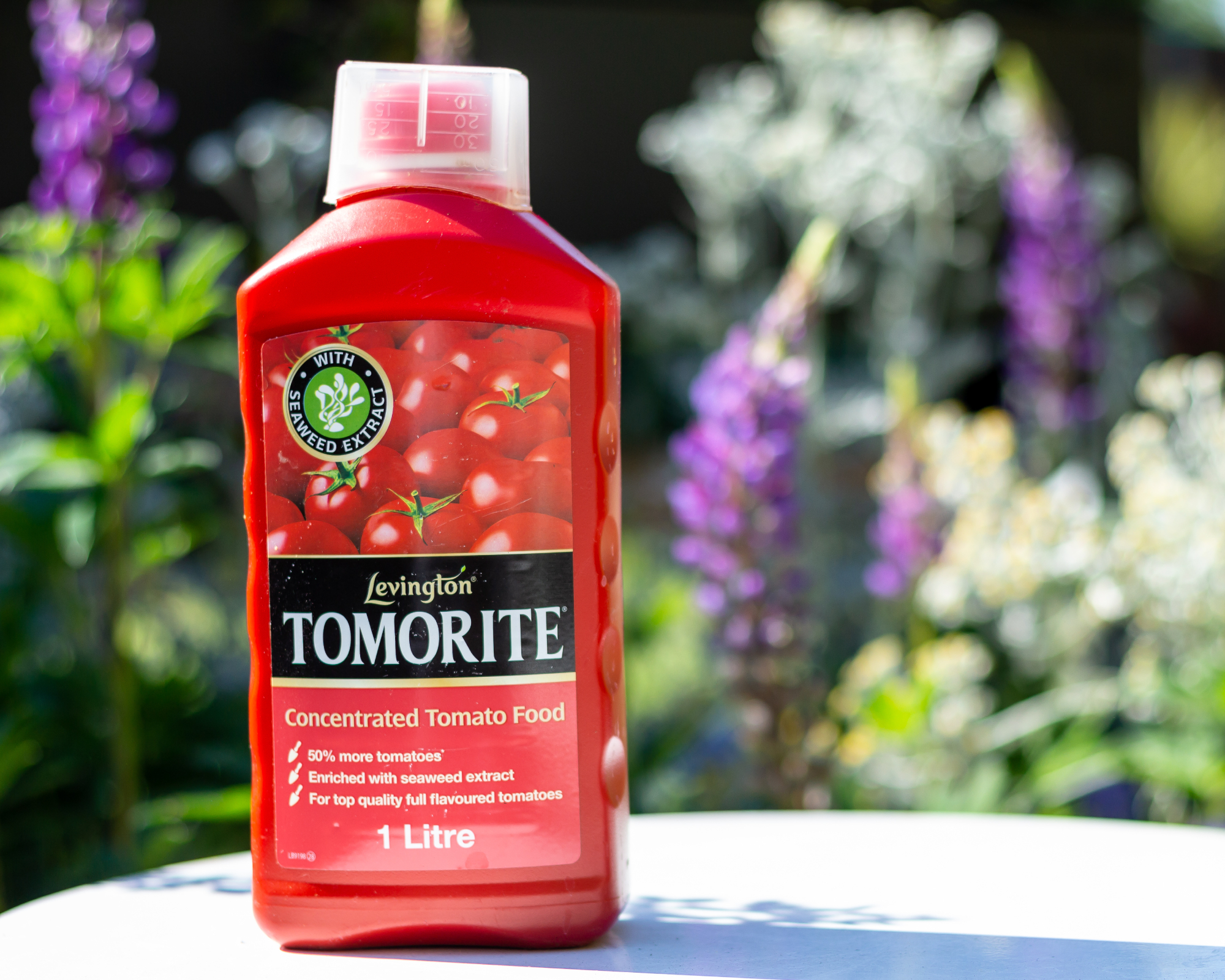
It’s been a long, hot summer so no wonder your patio pots are looking tired, but a quick injection of nutrients now will keep plants flowering for a little longer. There are plenty of plants that reliably keep on blooming well into fall; and there are plenty more that give up as August draws to a close. Give them a boost with tomato feed, however, and they'll get a new lease of life and grow more flowers.
Why Use Tomato Feed for Flowers in Late Summer?
(Image credit: Shutterstock)
Tomato feed isn't just a helpful product to keep tomato plants producing fruit in August. It's very high in potassium, also known as potash, which drives not just fruit production but flower production too. And – crucially at this time of the year – tomato food is also extremely low in nitrogen, and this is the element that encourages new stems and leaves to grow. That’s why you stop feeding most plants towards the end of the summer with general fertilizers: even most flower-focused feeds have levels of nitrogen that will stimulate the growth of soft green foliage that won’t have time to toughen up before frost arrives.
However, by using tomato feed, you can still maximise bloom production and keep plants in pots flowering while suppressing new stem growth, so you don't leave the plant vulnerable to frost damage.
The high potassium content has an extra benefit, too: this element strengthens a plant’s cell walls, hardening tissue before the onslaught of winter.
Why is it So Important to Feed Container Plants?
As well as containing potassium to boost flower and fruit production, tomato feed is typically fortified with magnesium. Tomato plants need this micronutrient to correct yellowing leaves, but you’ll often see this chlorosis in container plants at the end of the summer, too. That’s usually because they’ve exhausted the nutrient supply in the limited volume of soil they have access to. In a hot, dry summer when those pots have been watered more often than usual, more nutrients are likely to have been washed out of the soil, too.
So, tomato food can help replenish the soil, also helping plants to flower for longer.
If you want to give plants growing in the ground a boost in August, then a seaweed tonic will reinvigorate their roots to take up more moisture and nutrients from the soil.
(Image credit: Emma Kendell)
How to Use Tomato Feed to Give Container Plants a Late-Season Boost
- Before you feed plants in pots, water the container first as normal. Moist soil will absorb the feed far more evenly than bone-dry soil, and this is better for the roots.
- Use a liquid tomato food such as Espoma Tomato!, available from Amazon. Dilute the tomato feed accurately, according to the instructions on the packaging. You’re not doing your plants any favours by adding an extra glug of concentrated feed to your watering can, as a too-high concentration can burn roots.
- Apply in the early morning or late afternoon so evaporation doesn’t concentrate the feed post-application. Choosing an overcast day is similarly helpful to the plant though not critical.
- Water the soil rather than the plant.
- Re-apply once a fortnight, depending on whether your plants are annuals or perennials (see below).
How to Use Tomato Feed for Annual Plants
(Image credit: Getty Images)
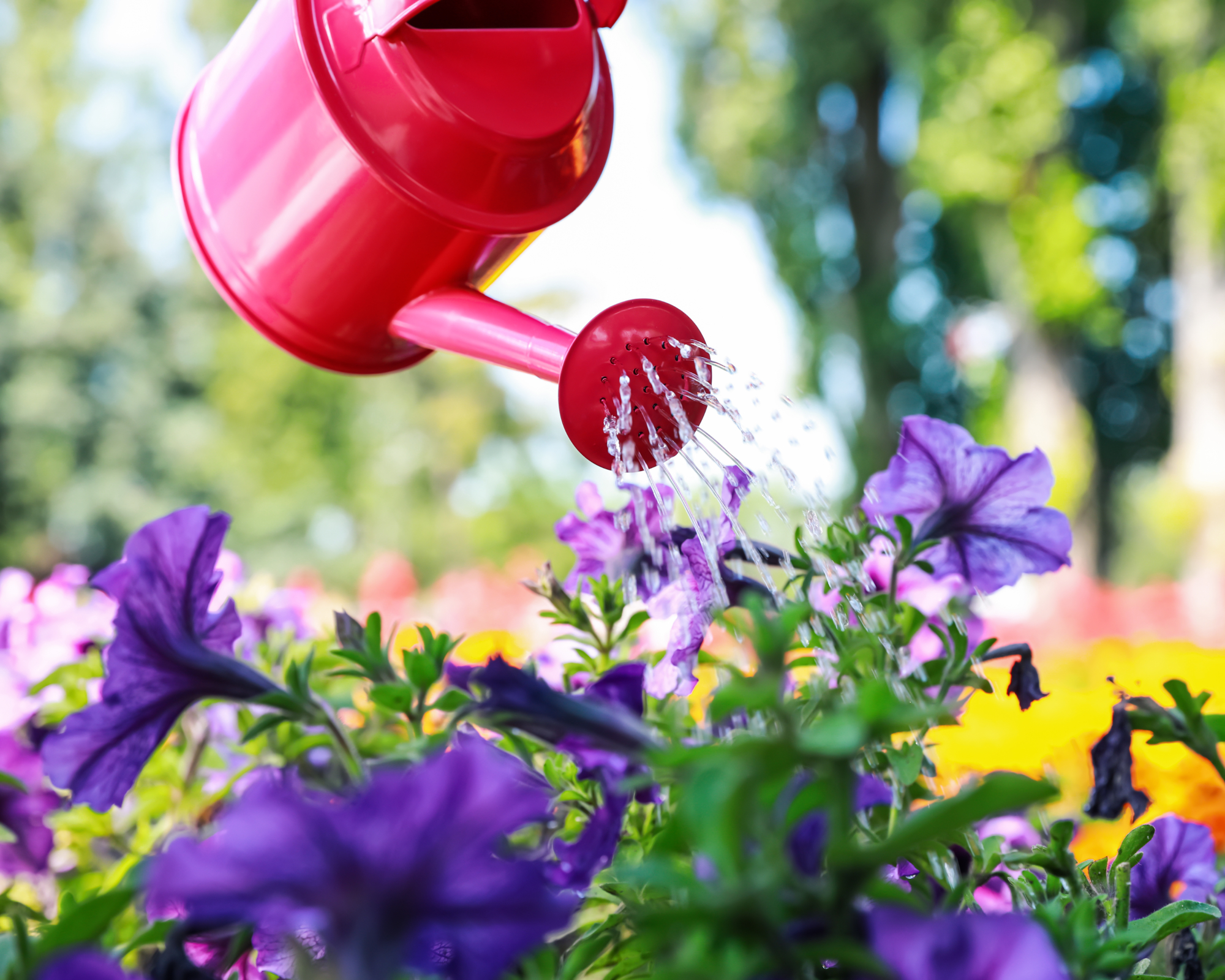
If your plants are annuals, completing their lifecycle in one year – or they’re perennials but you’re growing them as annuals because of your zone – you can keep giving your containers a fortnightly boost with diluted tomato feed until plants die with the first frost.
As plants are going to be killed by the cold anyway, you have nothing to lose by continuing to feed them. This will keep plants such as petunias in hanging baskets and begonias in pots flowering right up to the first frost. If you're a fan of container planting, this little tomato-feed trick will keep your annual bedding plants blooming long after most folks' flowers have finished.
How to Use Tomato Feed for Perennial Plants
(Image credit: Getty Images)
With perennial plants, you need to be a little more careful, but the benefits are even greater. Feed your plants now and give them another feed in a fortnight, but don’t feed them any later than mid-September or around six weeks before your expected first frost date, or you might interfere with their natural fall into dormancy.
Giving perennial plants a boost with tomato feed now will improve their winter hardiness and avoid frost damage by toughening their cell walls. Some plants will also be able to store some of this extra fuel in their roots for a stronger start when they reawaken next spring.
Handy Helps to Get More Flowers
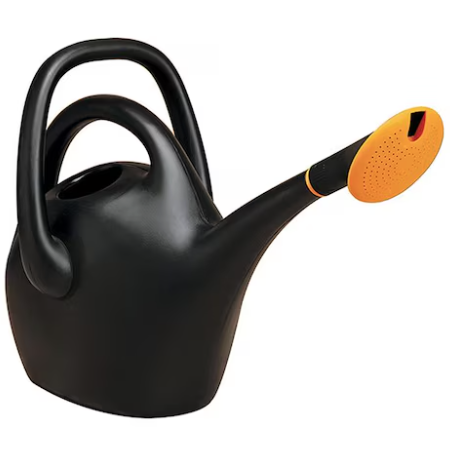 Easy Feeding
Bloem 2.6-Gallon Watering Can
When using a diluted liquid feed, a watering can with a rotating spout makes it far easier to get beneath the plant to target the soil rather than pouring fertilizer over the leaves.
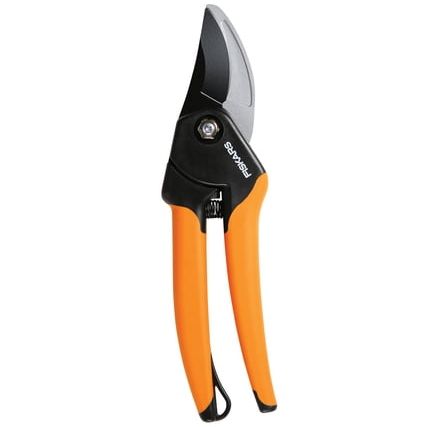 Regular Deadheading
Fiskars 8 Inch Bypass Pruner With Soft Grip Handle
Regular deadheading helps to keep plants flowering into fall. Getting into the habit of deadheading for 5 or 10 minutes a day will make a huge difference, as will soft-grip pruners.
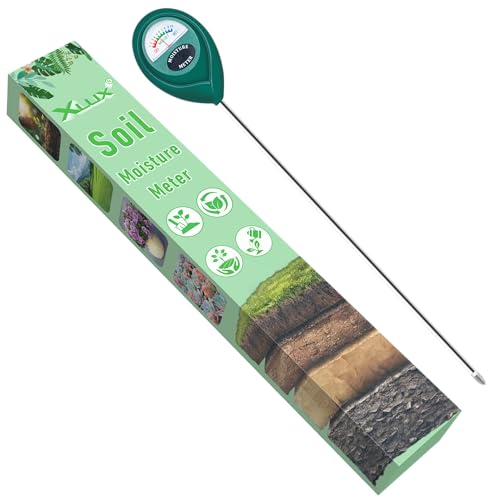 Consistent Watering
Long Probe Plant Soil Moisture Meter
Consistent soil moisture levels help plants flourish but it can be tricky as the late-season rollercoaster of heat and rain rolls in. A moisture meter means you know when to water.
More Weekend Wins
This feature is part of the Weekend Wins series, and there’s still time to do the other August Weekend Wins:
- Remove rose suckers to enjoy bigger, better blooms next summer.
- Use a $4 dog comb to groom ornamental grasses and save yourself hours weeding in spring.
- Trim lavender so it has time to grow a duvet of dense foliage to survive winter well.















 English (US) ·
  French (CA) ·