

PROTECT YOUR DNA WITH QUANTUM TECHNOLOGY
Orgo-Life the new way to the future Advertising by AdpathwayBirds are among the most diverse animals on Earth. From tiny hummingbirds that weigh less than a coin to towering ostriches taller than a person, they live in deserts, forests, wetlands, oceans, and cities. With such enormous variety comes an equally wide range of diets. Asking “What do birds eat?” is a bit like asking what people eat—the answer depends on the species, where it lives, and what food is available at different times of year.
Understanding what birds eat helps explain why their beaks are shaped the way they are, how they behave, and even how they help ecosystems stay healthy.
Seeds and grains
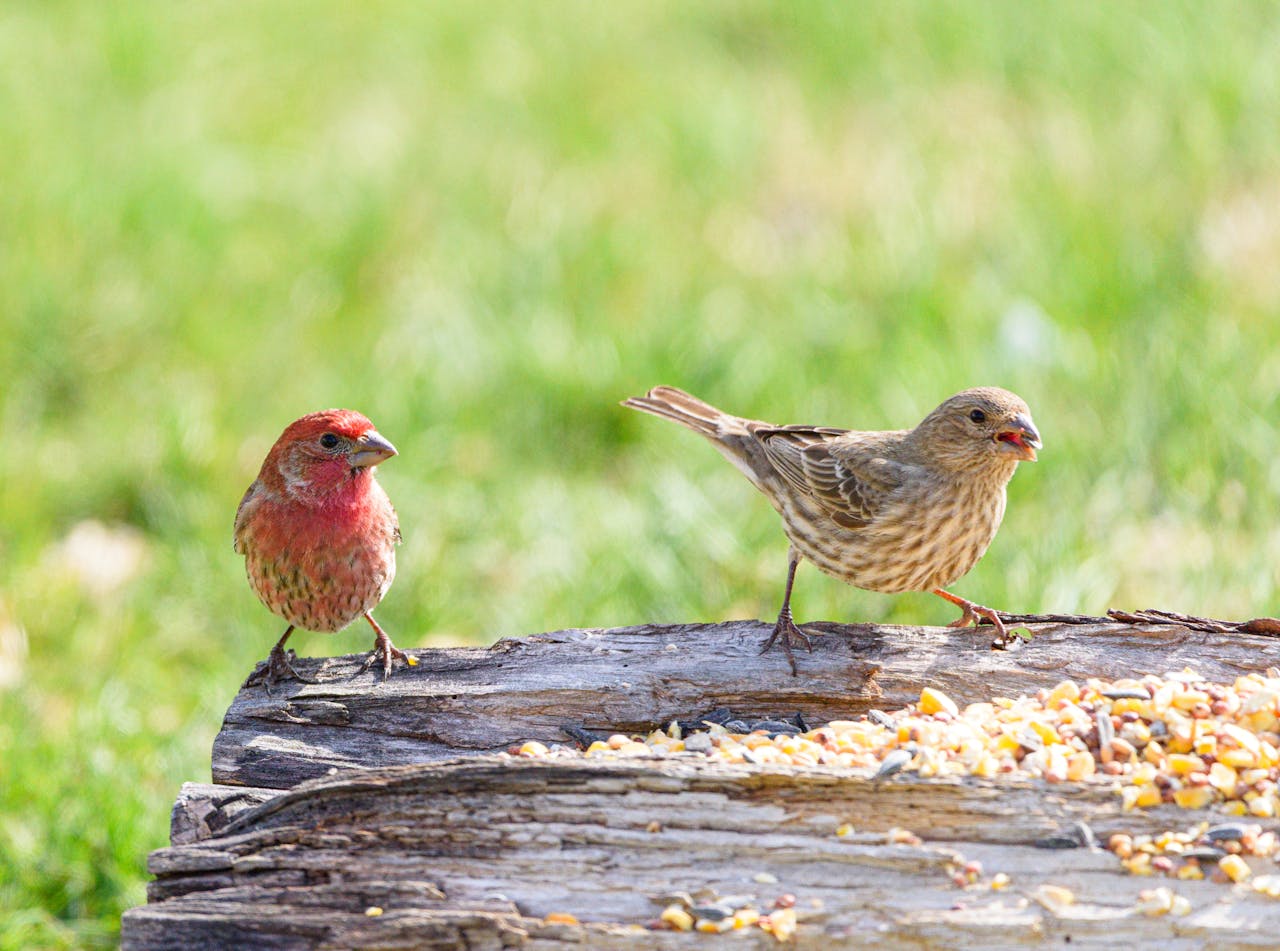
Many birds are seed eaters. Sparrows, finches, pigeons, doves, and parrots rely heavily on seeds and grains for energy. Seeds are rich in carbohydrates and can be stored or found in large amounts, making them a dependable food source.
Seed-eating birds usually have short, strong, cone-shaped beaks. These act like nutcrackers, allowing them to pick up hard seeds and break them open. Finches are famous for their powerful bills, which can husk seeds quickly. Parrots use their curved beaks and clever tongues to manipulate food with great precision.
Some species change their diets seasonally. A finch that eats mostly seeds in winter might switch to insects in spring when raising chicks, because growing babies need extra protein.
Insects and other invertebrates
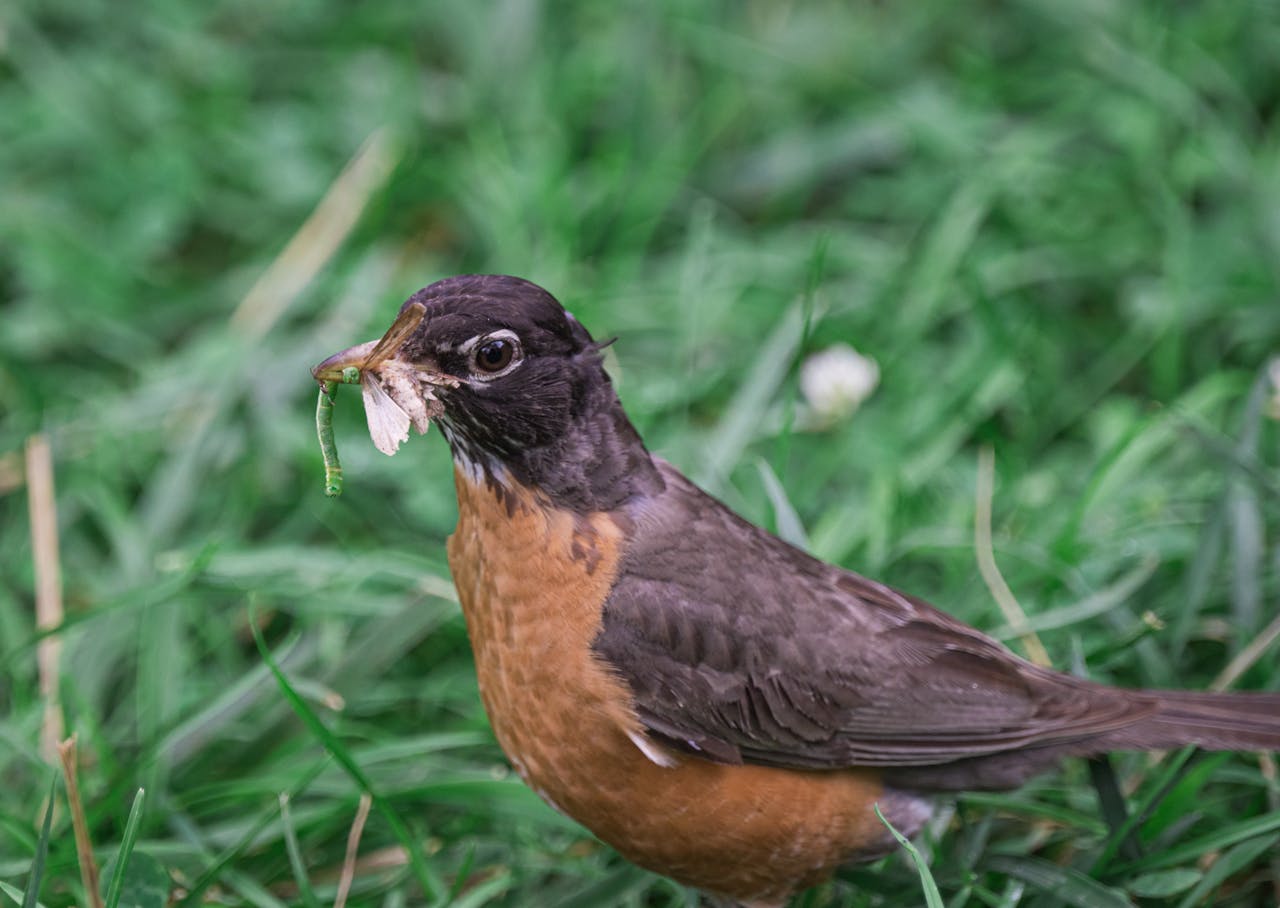
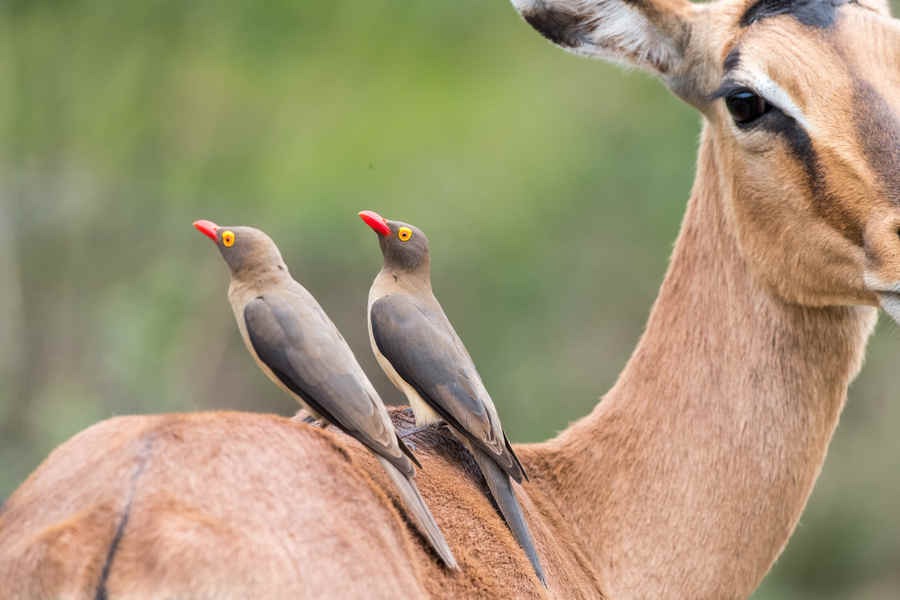
A huge number of birds eat insects, spiders, worms, and other small invertebrates. These foods are packed with protein and fats, perfect for fueling flight and growth.
Some birds catch insects in mid-air. Swallows and swifts swoop and twist with open mouths, scooping up flying prey. Others hunt on the ground. Robins tilt their heads to listen for movement before pulling worms from the soil. Woodpeckers chisel into tree bark to reach beetle larvae hidden beneath.
Even birds you might think of as seed eaters often feed insects to their young. Caterpillars, grasshoppers, and grubs are like high-energy snack bars for nestlings.
By controlling insect numbers, these birds provide a natural form of pest management that benefits forests, farms, and gardens.

Fruit, nectar, and plant material
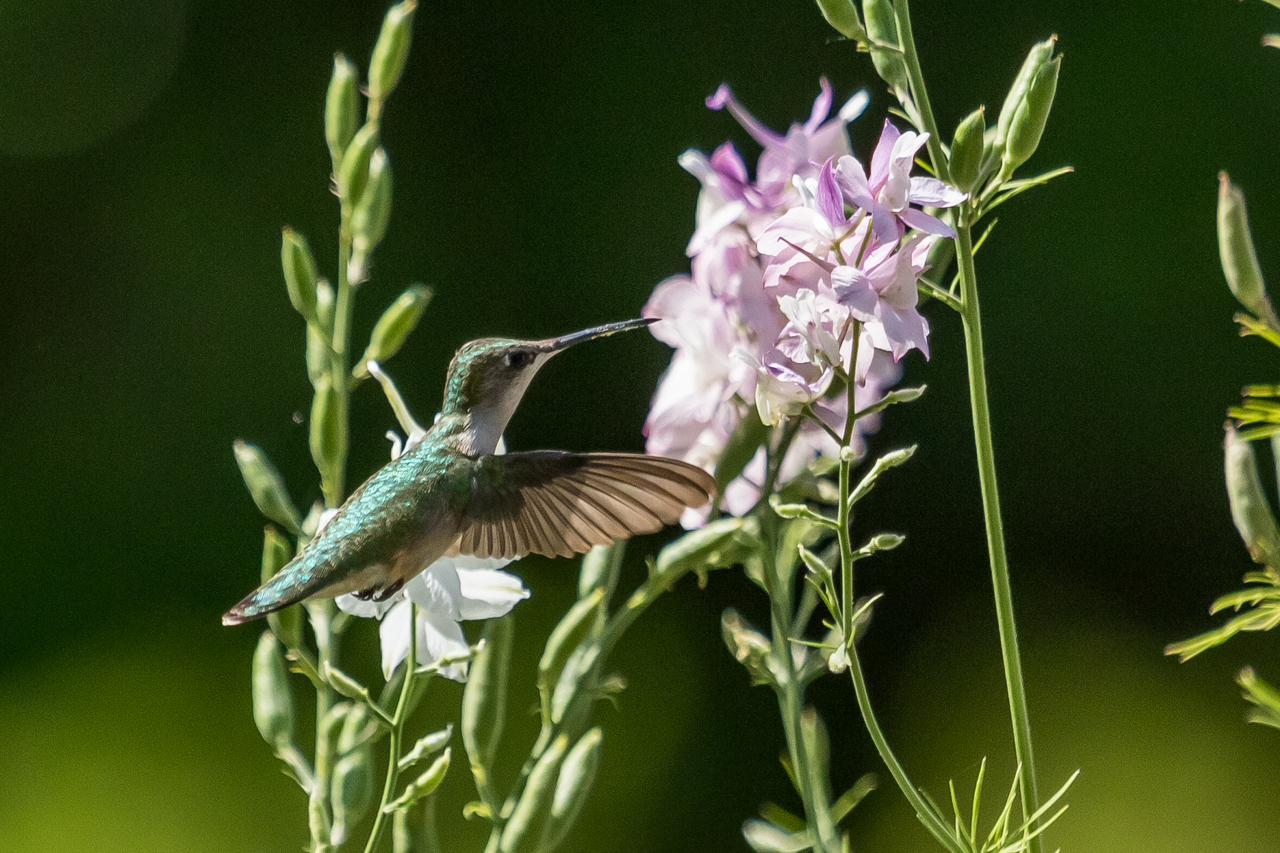
Many birds have a sweet tooth. Fruit and nectar are important foods, especially in warmer regions where plants produce them year-round.
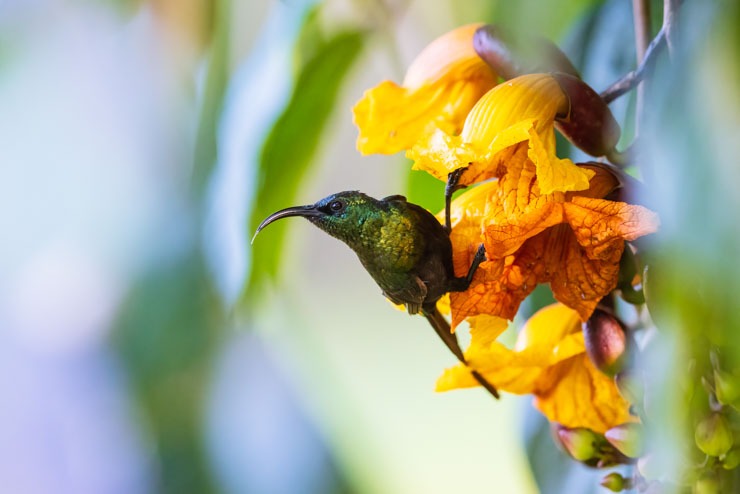
Hummingbirds and sunbirds sip nectar using long bills and specialized tongues. Nectar gives them quick energy, but it doesn’t contain everything they need, so they also eat small insects for protein.
Parrots, hornbills, and many rainforest birds swallow fruits whole. Later, they spread the seeds in their droppings, helping plants grow in new places. In this way, fruit-eating birds are essential partners in maintaining healthy forests.
Some birds graze more like mammals. Geese and swans crop grass, while others nibble leaves, buds, or aquatic plants.

Meat, fish, and carrion

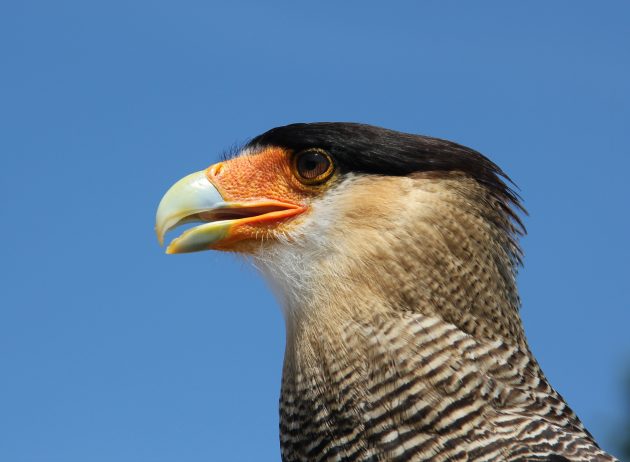
Birds of prey—such as eagles, hawks, falcons, and owls—are hunters. They feed on mammals, reptiles, other birds, and fish. Their sharp talons grip prey, while hooked beaks tear flesh.
Different hunters specialize in different techniques. A peregrine falcon may dive at incredible speeds to strike another bird in flight. An owl uses silent wings and superb hearing to locate animals in the dark. Kingfishers watch from perches before plunging into water to grab fish.
Then there are scavengers like vultures. Instead of hunting live prey, they feed on animals that have already died. While that might sound unpleasant, it is incredibly important. By cleaning up carcasses, vultures help prevent the spread of disease and recycle nutrients back into the environment.

Omnivores: a bit of everything

Some birds are opportunists. Crows, gulls, and magpies will eat almost anything they can find: insects, eggs, fruit, scraps from humans, or even small animals. This flexible diet helps them survive in many habitats, including cities.
Being adaptable can be a major advantage. If one food source disappears, omnivorous birds simply switch to another.

How beaks match diets
A bird’s beak is one of the best clues to what it eats. Long, thin beaks probe flowers. Thick, heavy beaks crack seeds. Hooked beaks tear meat. Spear-like bills stab fish. Over millions of years, evolution has shaped each species with tools that match its lifestyle.
Even the tongue and digestive system are specialized. Seed eaters may have muscular gizzards that grind tough food, while nectar feeders digest liquid meals quickly.
Feeding young birds
Baby birds often eat differently from adults. Because they grow fast, they require lots of protein. Parents may spend all day gathering insects, even if they normally prefer seeds or fruit.
Some species, like pigeons and flamingos, produce a nutritious substance called “crop milk” in their throats. They regurgitate this to feed their chicks during the earliest days of life.
Birds and human food
In towns and cities, many birds take advantage of food provided by people. Backyard feeders can help birds survive harsh weather, but it’s important to offer appropriate items. Seeds, nectar mixes, or specially designed pellets are better than bread, which lacks proper nutrition.
Feeding birds can be a wonderful way to observe them closely and learn about their behaviour.
A world of different diets
So, what do birds eat? The real answer is: almost everything. Seeds, insects, fruit, nectar, fish, meat, plants, and carrion all appear on avian menus somewhere in the world. This incredible variety is one reason birds have been so successful. They have evolved to take advantage of nearly every available food source.
Next time you see a bird, take a moment to notice its beak, where it is searching, and how it moves. You might be able to guess what it plans to eat. Watching birds feed is not only fascinating—it reveals the hidden connections that keep nature in balance.

















 English (US) ·
  French (CA) ·